Princess Norodom Buppha Devi, The Soul of the Cambodian Royal Ballet

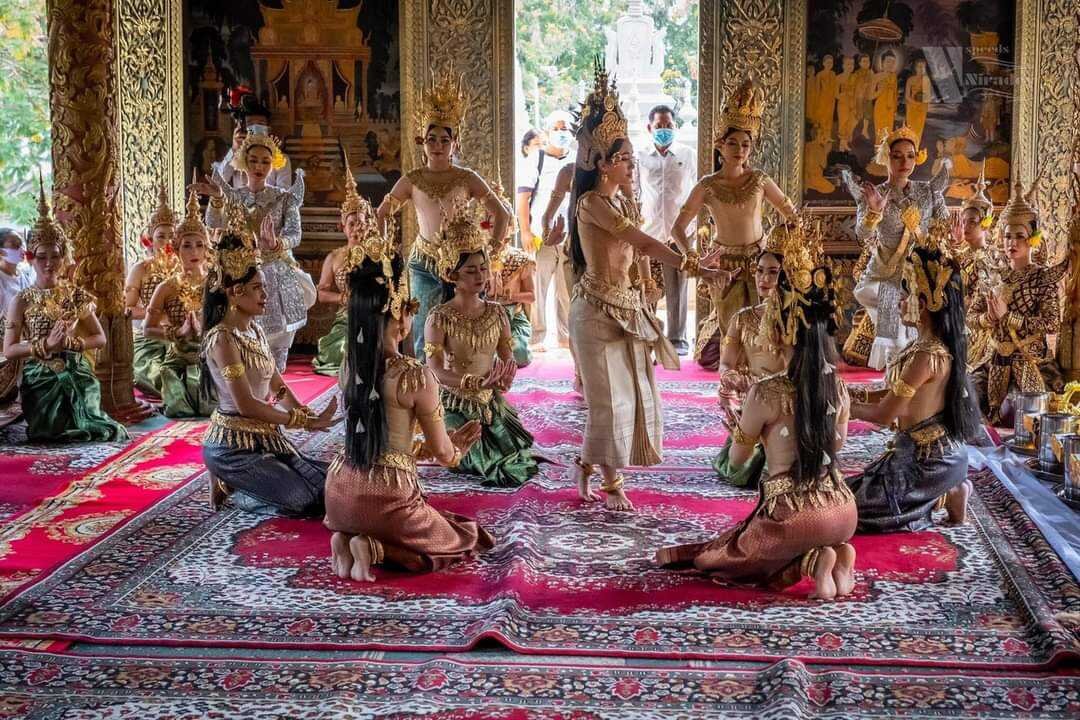
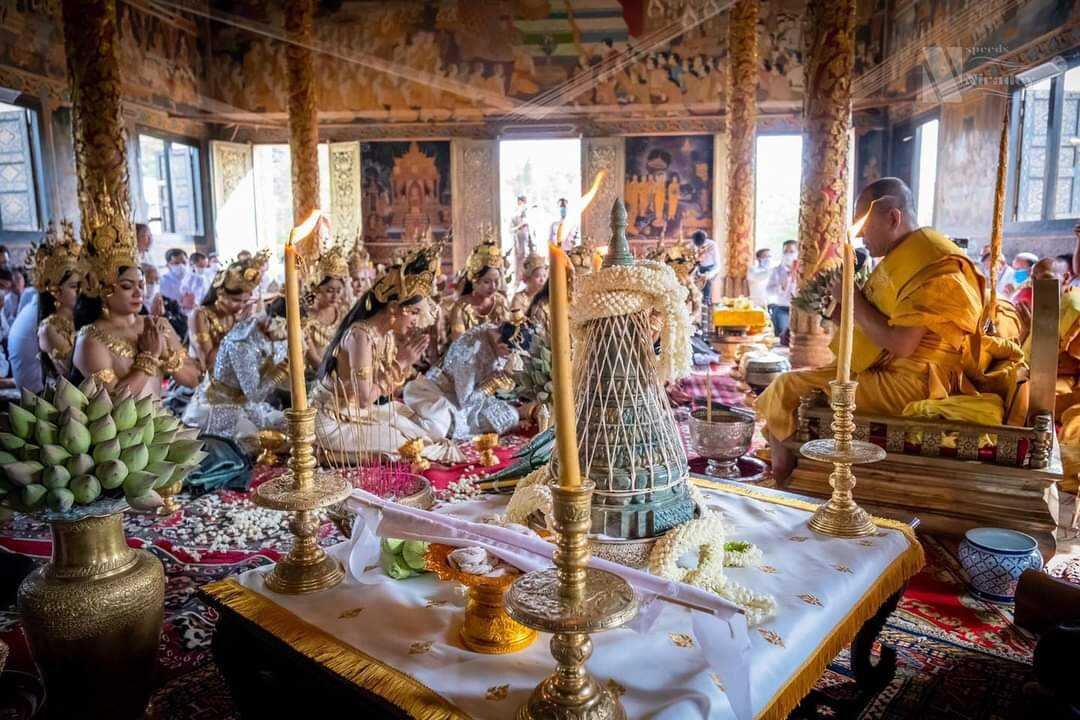
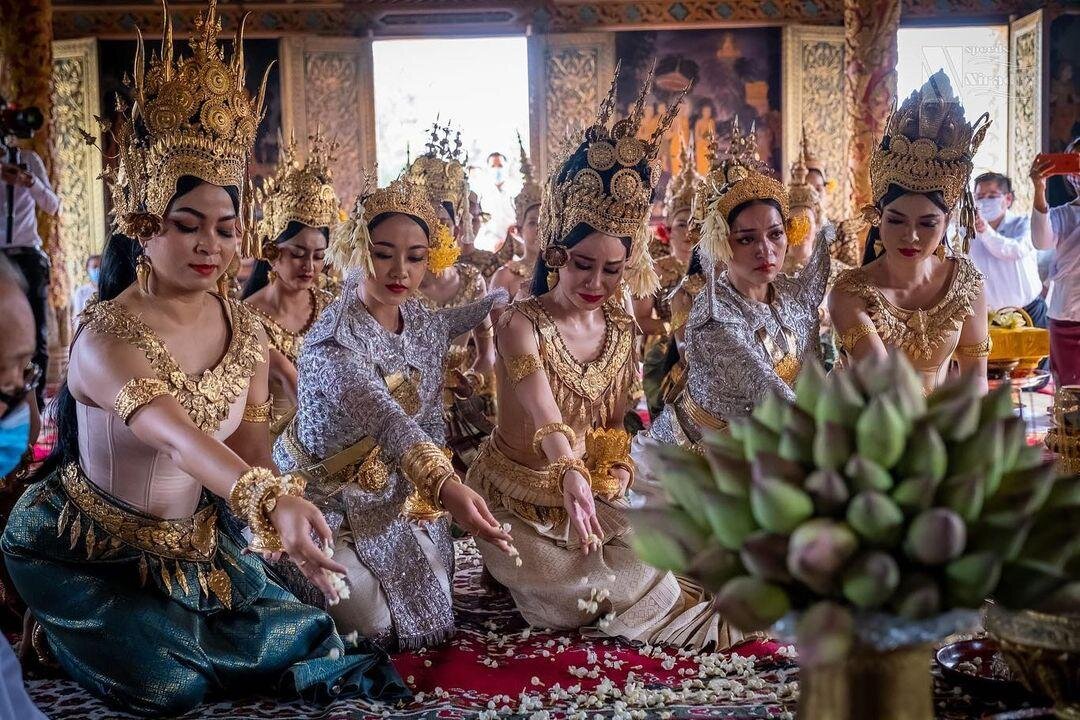
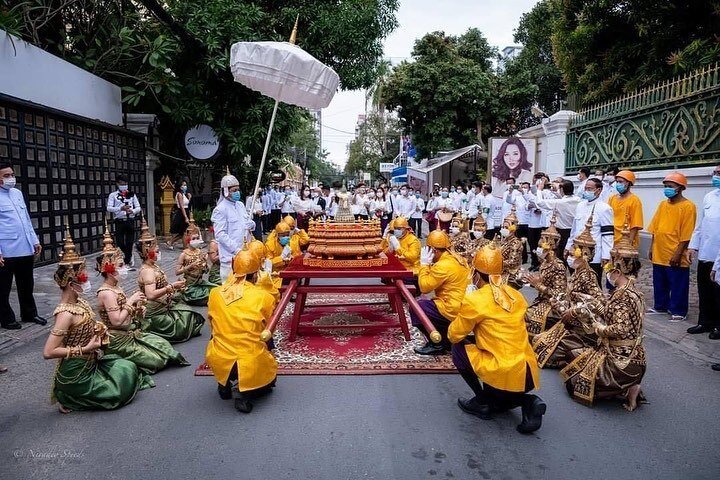
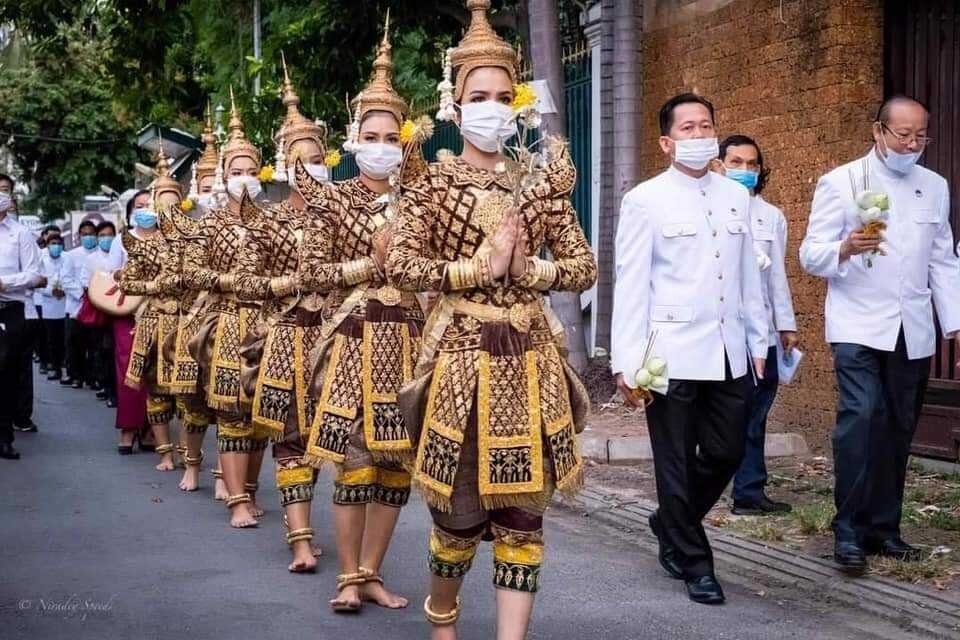
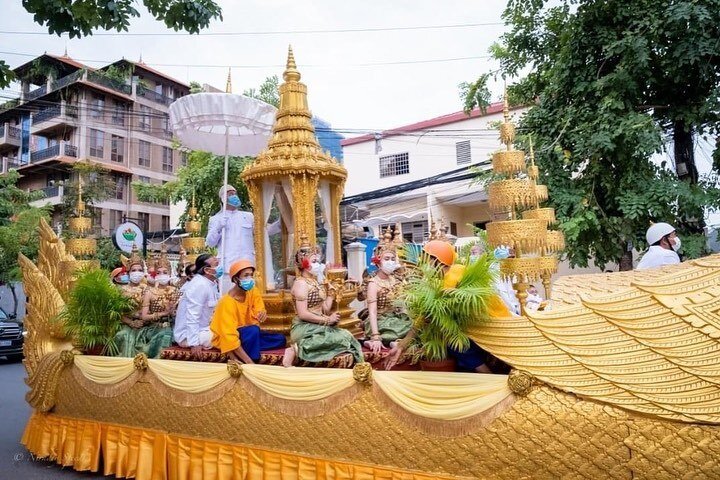
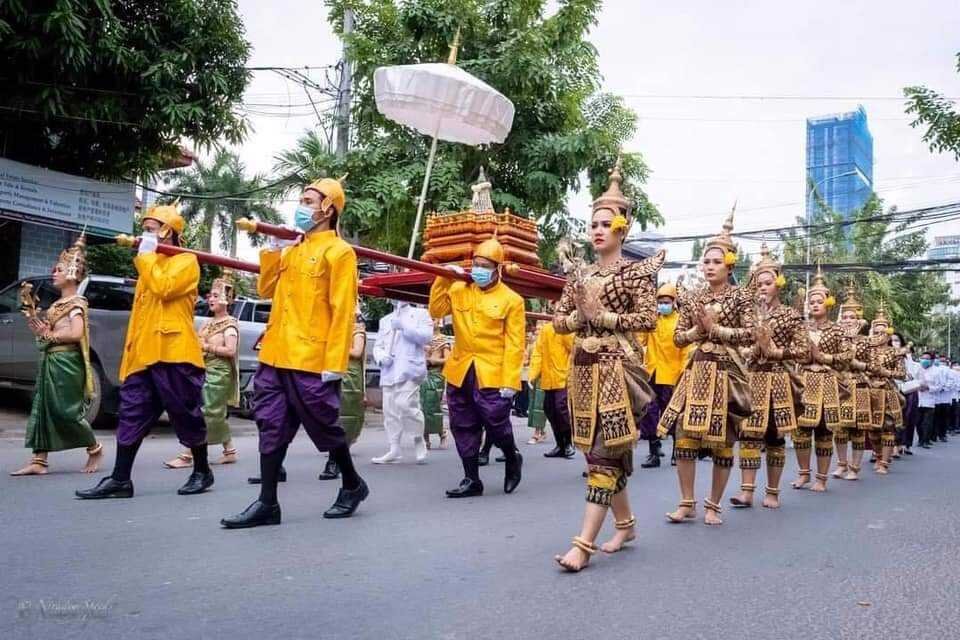
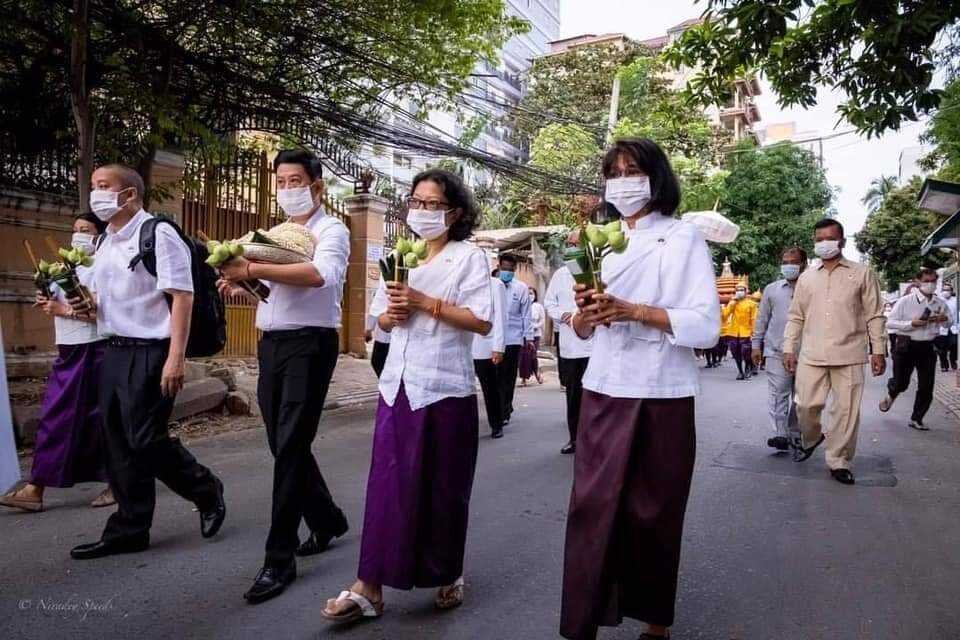
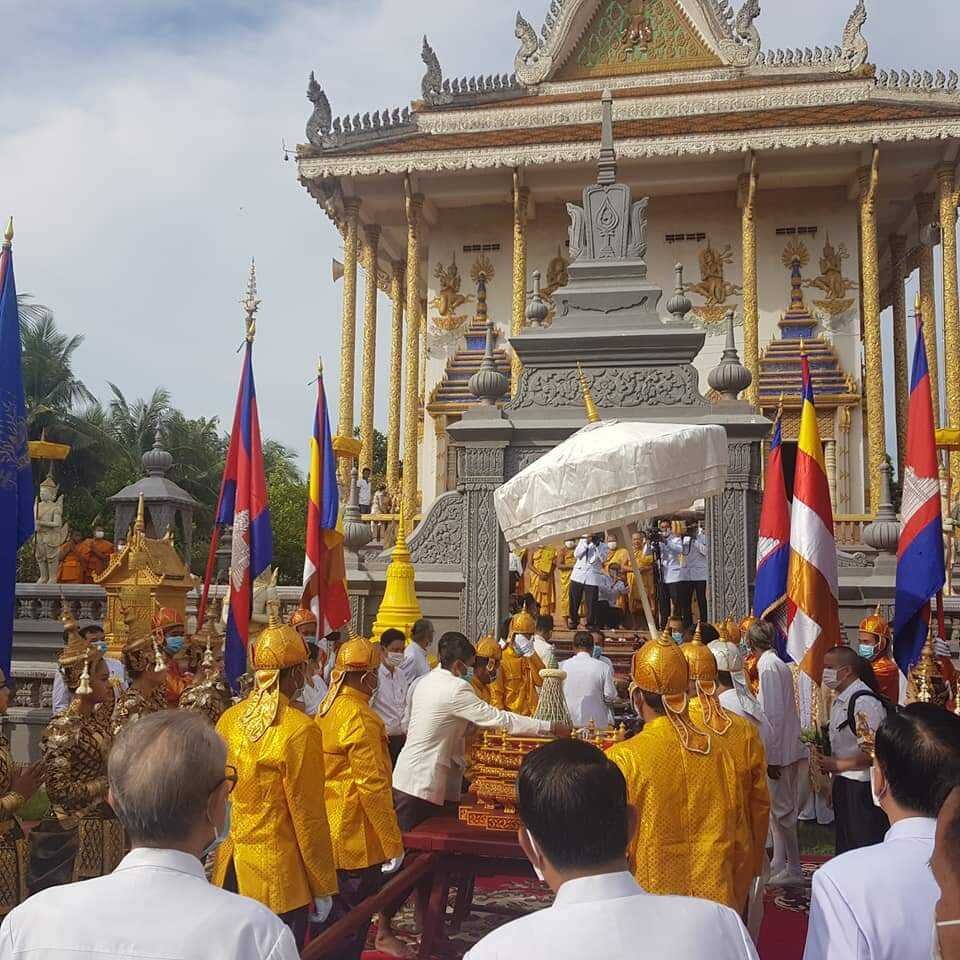
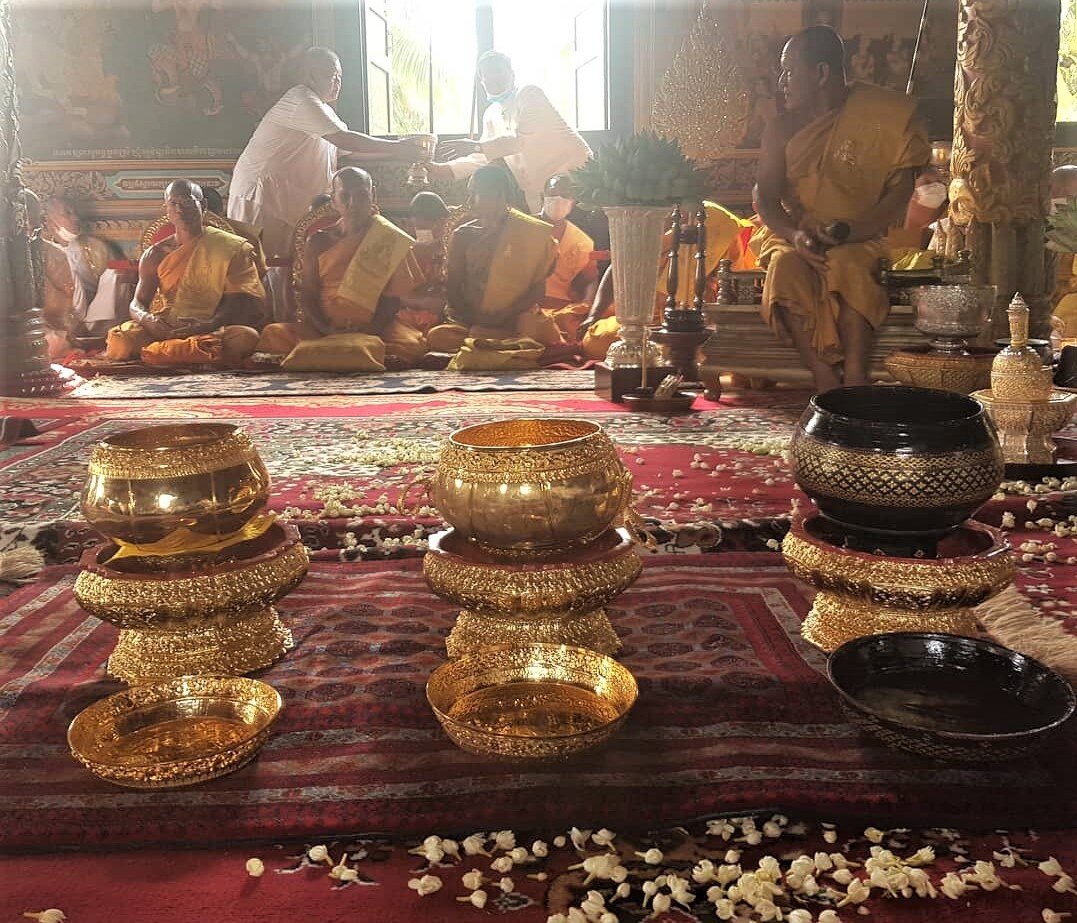
Ceremonies for the anniversary of Princess Norodom Buppha Devi (1943-2019) passing, November 2020.


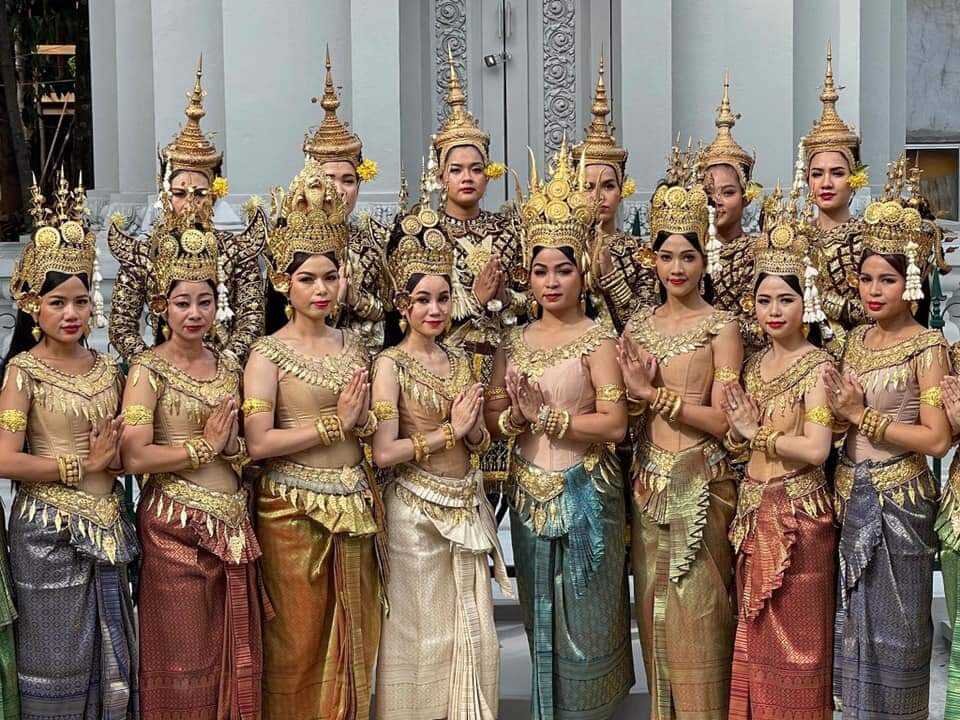
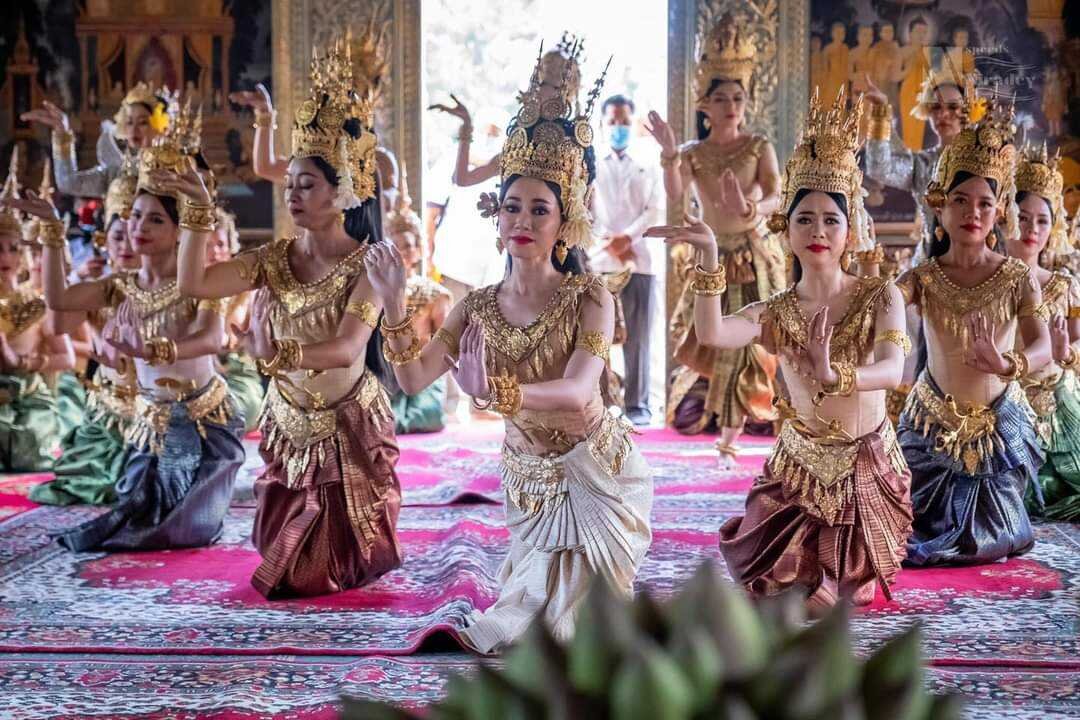
Intense emotion and solemnity during the ceremonies for the first anniversary of Princess Buppha Devis passing. The daughter of King-Father Norodom Sihanouk has guided generations of dancers and given a new energy to the ancestral Royal Ballet of Cambodia with choreographies that marveled audiences worldwide.

Accompanied by mourning relatives, the Royal Ballet dancers, ballet mistresses and musicians, and dignitaries, the ashes were carried from the Princess’ residence to the Wat Prei Prang pagoda, on the road to the royal city of Oudong. They were deposited in a sanctuary until the completion of the stupa (funerary monument) in homage to the soul of the classical dance rebirth in post-war Cambodia.

Tags: dance, Royal Ballet of Cambodia, Royal Family

Glossary Terms

  • prang

    kh ប្រាង្គ, th ปรางค์ ; compoud of sk pra- ("forward) and aṅga (body limb).

    A tall tower-like spire, usually richly carved, common shrine element of Hindu and Buddhist architecture in the Khmer Empire (802–1431). Later adapted by Buddhist builders in Thailand, especially during the Ayutthaya Kingdom (1350–1767) and Rattanakosin Kingdom (1782–1932). In Thailand, only related with most important Buddhist temples.

  • stupa, chedi

    sk स्तूप, stupa, "heap" | pa thupa | kh ចេតិយ chedi, cha-dey | th เจดีย์ cedyi, "stupa", "mausoleum".

    A Buddhist mound-like or hemispherical structure containing relics, originally from the Buddha or from Buddhist monks or nuns, in modern times the remains of distinguished departed people, where one can come to meditate. 

    Thought to be derived from the ancient ritual of building tumuli, the stupa was designed to allow circumambulation [pradakhshina] around the structure, as seen until these days at Shewanagon Pagoda (Myanmar), the Abayagiri Dageba (Sri Lanka) or Borobodur Temple (Indonesia).

    In Cambodia, royal stupas in pagodas (Oudong, Wat Ounalom, Wat Phnom...) and at the Royal Palace (Kantha Boppha chedi, King Suramarit...) have a distinctive style, different from Thai cedyis. In Khmer, the word originally meant "sign" [of a sacred place], and went to refer only to a structure containing relics.


View all glossary terms →