

Chanto Chea

H.E. Chea Chanto ជា ចាន់តូ (9 Oct. 1951, Kompong Thom Province — 25 Oct. 2024, Phnom Penh) was an economic and social planner who played a key role in reviving Cambodia’s financial and banking system in the post-Khmer Rouge era as the Minister of Planning from 1986 to 1994, and served as the Governor-General of the National Bank of Cambodia (NBC) from 1998 to 2023 before being succeeded by his daughter, H.E. Chea Serey.
Born in a modest family of Khmer-Chinese origin, he learned carpentry from his grandfather, attended Kompong Thom Middle School, where he met his future wife, Keo Sina, and opted for vocational training on a scholarship after completing graduating in 1969. Despite the 18 March 1970 coup against Prince Norodom Sihanouk, he went to Phnom Penh to pursue highter studies but after being admitted to the Faculty of Electricity at the University of Takeo-Kampot, he decided to relinquish his scholarship and to return home in order to support his struggling family Penh
He was to continue later his academic and professional advancement abroad, receiving a PhD in Economics from Hanoi University in 1990 and was awarded a PhD in Business Administration (Honoris Causa) from the University of Southern California in 1995. In 2018, the Asian Institute of Chartered Bankers granted him an Honorary Fellowship in recognition of his significant contributions to banking and financial services.
Commenting on the difficult situation of the country after the ousting of the Khmer Rouge in 1979, he wrote in his autobiography:
We were coming out of a period without banks or money, and just mentioning the word caused one to be viewed with suspicion and probably worse. Our only support at the time came from Vietnam, whose offensive against Pol Pot’s troops had been decisive and whose administrative support was invaluable to us, as well as from the countries of the Soviet bloc, led by the USSR. It was normal that we were not looking to complicate the issue.
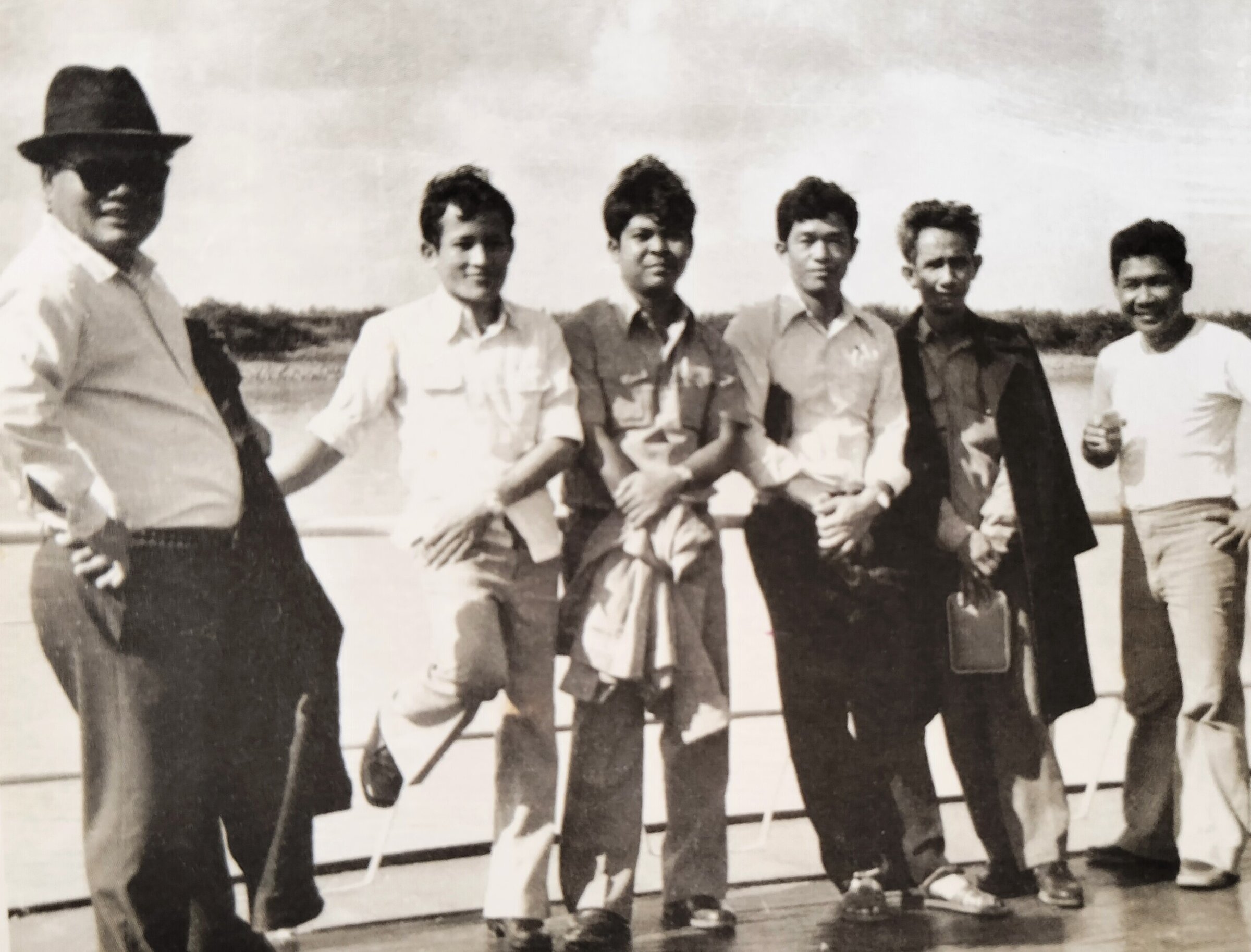
1) With Cambodian fellow students (third from left) in Vietnam, 1982. 2) Accompanying a Soviet delegation in Angkor, 1987. To Chea Chanto’s right, possibly Russian journalist and author Evgueny V. Kobelev [both photos from Chea Chanto’s 2023 autobiography].
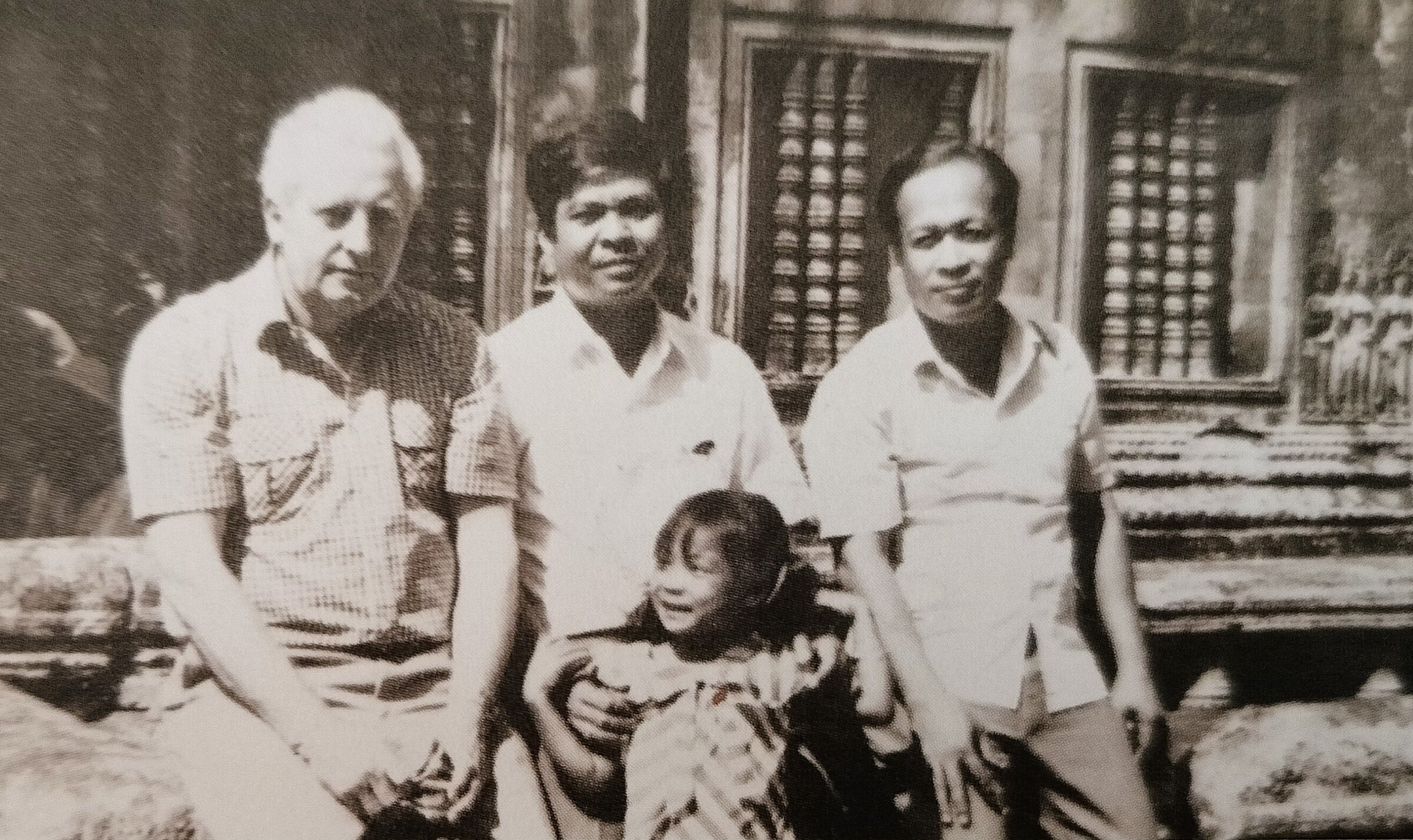
1) In Vietnam in 1982; 2)With the head of a Soviet delegation (left) in Angkor, 1987. [[hotos from autobiography]
1) With Cambodian fellow students (third from left) in Vietnam, 1982. 2) Accompanying a Soviet delegation in Angkor, 1987. To Chea Chanto’s right, possibly Russian journalist and author Evgueny V. Kobelev [both photos from Chea Chanto’s 2023 autobiography].
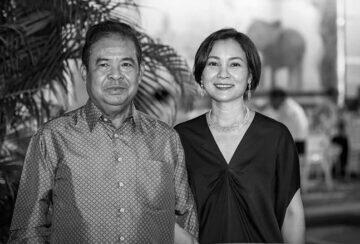
With daughter H.E. Chea Serey, who succeeded him as the Governor of the National Bank of Cambodia [photo Khmer Times].
With daughter H.E. Chea Serey, who succeeded him as the Governor of the National Bank of Cambodia [photo Khmer Times].
As Minister of Planning (from 1986 to 1993) and Governor of the National Bank of Cambodia (1998−2023) H.E. Chea Chanto was instrumental in the rebuilding of the financial system in the country, utterly destroyed by the Khmer Rouge — the National Bank headquarters and the Catholic Cathedral were the only large buildings torn down by Pol Pot’s régime in Phnom Penh — and the rekindling of international trust after decades of insolvency. He also fine-tuned the dual currency system (US dollar and Cambodian riel) in order to attract international investors and rein inflation in.
His leadership during the Covid-19 pandemic earned him international recognition. In 2021, The Banker named him Central Banker of the Year for the Asia-Pacific region, one of five governors worldwide honored for promoting growth and stabilizing the economy during the global crisis.
Chea Chanto’s autobiography, អនុស្សាវរីយ៍និងគំនិតអណ្តែតត្រសែត | Memories & Floating Thoughts| Mémoires et pensées vagabondes [Khmer, English and French editions], was released in 2023, before his passing. It was written with assistance from author, researcher and co-founder of the SOSORO Museum Jean-Daniel Gardère.