
Asiatic Art in the Museum of Fine Arts, Boston

by Jan Fontein

The 1982 handbook of an oustanding collection of art from Japan, Korea, China, The Himalayas, India, Southeast Asia, and Islamic art.

 
Author
Jan Fontein
Publisher
MFA Boston
Published
1982
Pages
194
ISBN
878462260
Formats
ADB Physical Library, hardback

Art lovers will relish browsing through this remarkable collection of artworks spanning from Japan to northern India, with a shorter section devoted to Southeast Asian art.

Only three pieces from Cambodia grace this survey, yet they are truly fascinating:

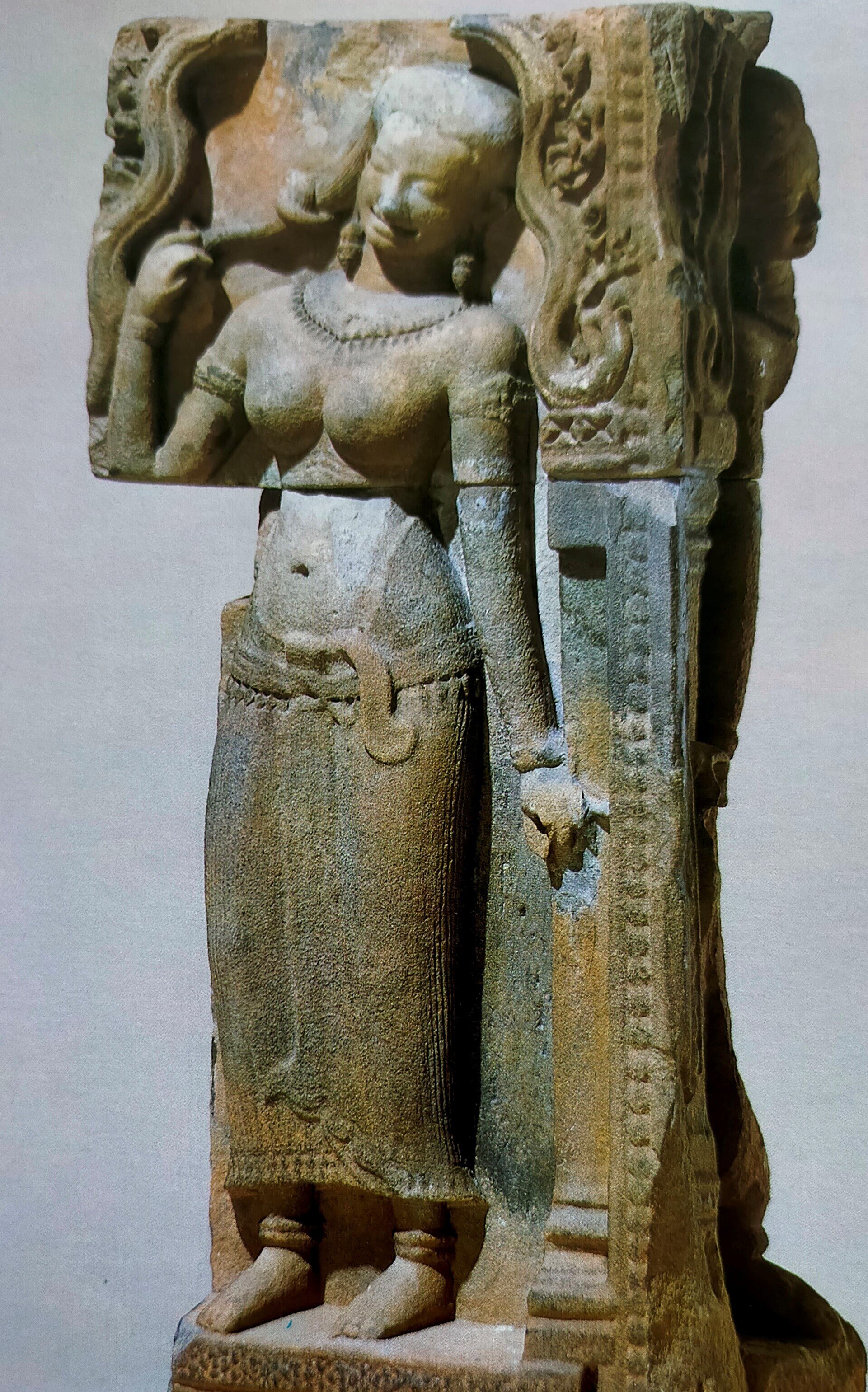
  • À bas-relief fragment from Prasat Khna Sen Keo, Kompong Thom Province (1), second-half of the 11th century, with a stunning standing apsara holding her braided hair in one hand, a lotus bud in the other (ref 23.445, sandstone, 120.4 cm high):


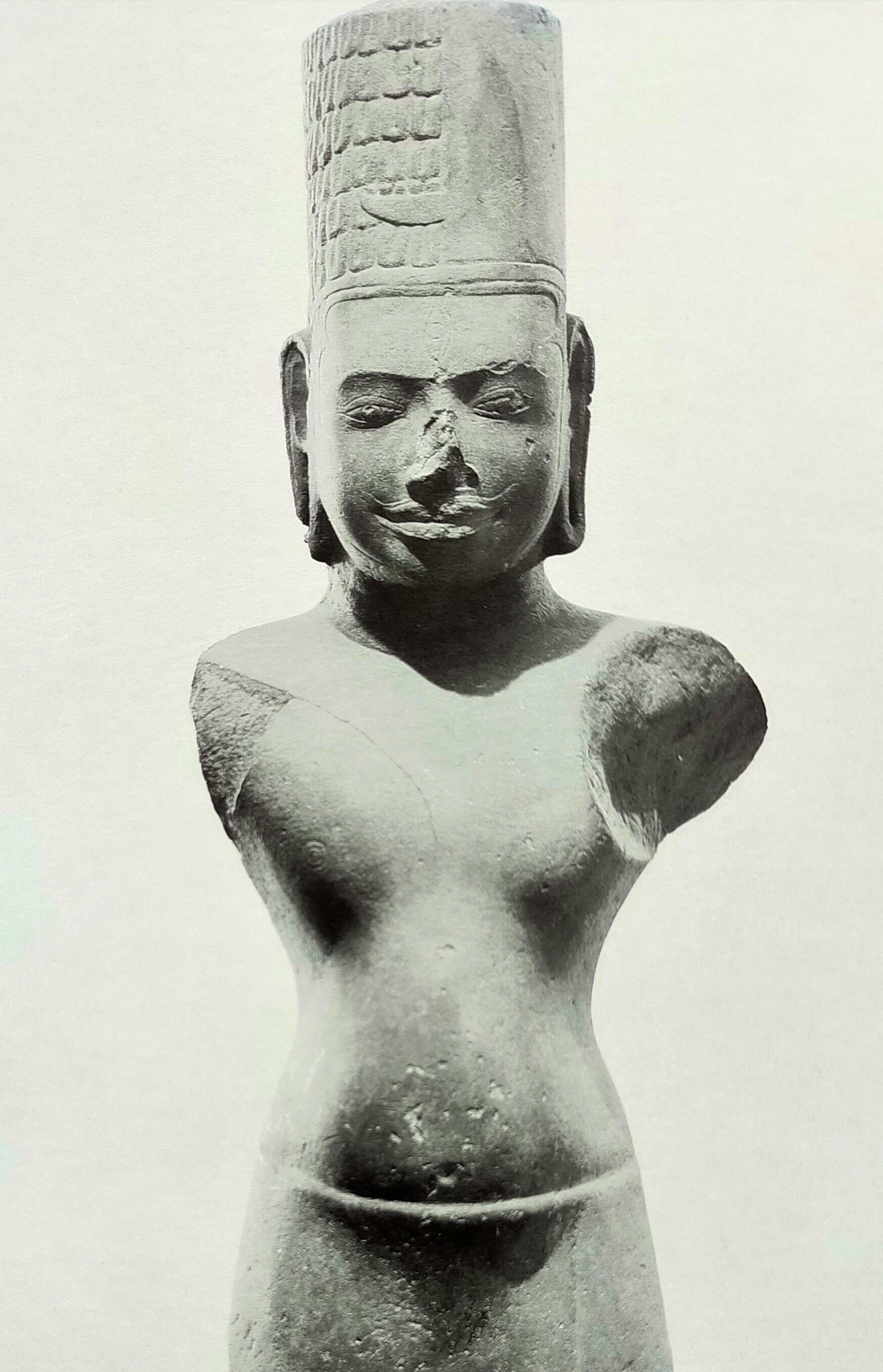
  • A Harihara figure (ref. 24.929, sandstone, 71.5 cm high, geographical origin not stated) from early 7th century:


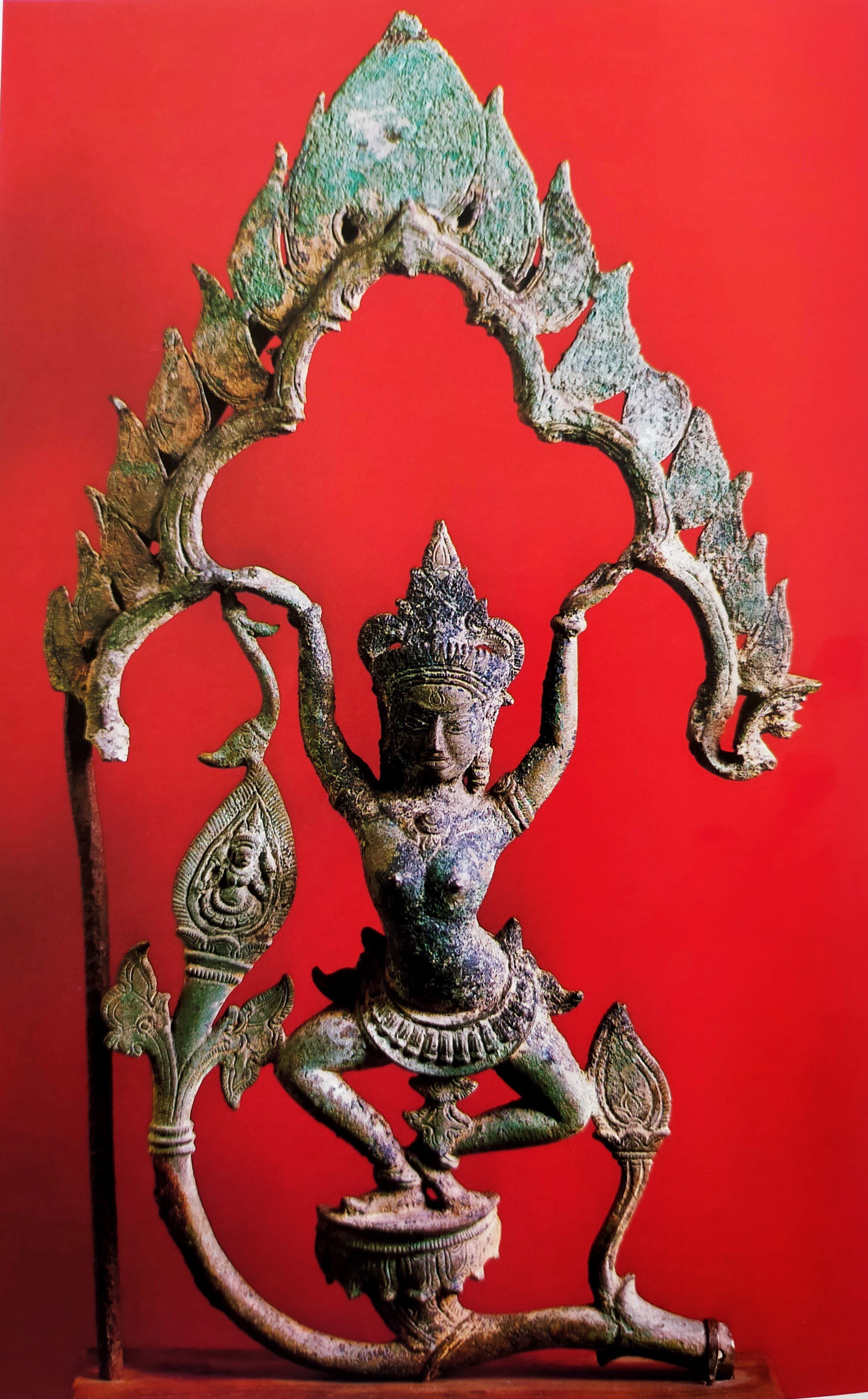
  • A Dancing Apsara in bronze, from late 11th century, probably a fragment from an incense burner or lamp (ref. 22.686, brone, 39.3 cm high, origin not stated):


All three pieces are donations from the Denman Walden Ross collection. Denman Ross, who was a trustee of the Boston Museum, donated numerous pieces, including a stone head directly from Angkor Wat.

(1) This small, precious temple was heavily looted throughout the 20th century.

Tags: comparative history, Asian art, Islamic Art, Cambodian arts, Japan, Korea, China, Prasat Khna Sen Keo

About the Editor

Jan Fontein

Jan Fontein

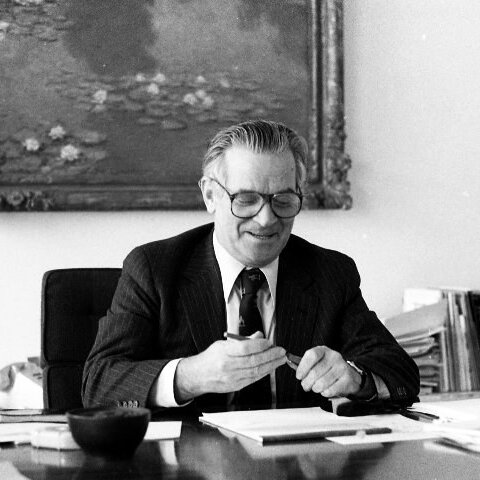
Jan Fontein (22 May 1927, Naarden, Netherlands – 19 May 2017, Newton Upper Falls, MD, USA) was a Dutch art historian, museum curator and the director of the Museum of Fine Arts, Boston, from 1975 to 1987.

Specialized in Indonesian archaeology and Easterrn Arts, Fontein started his career at the Amsterdam Museum of Arts. After Boston, he was the curator of the Bishop Royal Museum of Ontario, Canada.

Glossary Terms

  • Harihara

    sk हरिहर harihara from हरि hari “bearing , carrying, one of the names of Vishnu” and हर hara "garland, necklace, one of the names of Shiva".

    Harihara represents a syncretic form of Śiva and Viṣṇu. The fusional aspect of the deity derives from philosophical traditions in which Vishnu is said as being the shakti of Shiva, or Shiva is the one-who-knows (jñata) and Vishnu the knowledge (jñāna).

    Harihara is often represented in the Khmer iconic tradition as  four-armed, anthropomorphic form with the left side of the statue being Hari (Vishnu) with the cylindrical mitre (kirtamukuta), and the right Hara (Shiva) with the high crown of tangled locks (jatamukuta). It has been speculated that Harihara became a popular icon in the 7th-8th centuries as the rulers of the north ("Chenla"), followers of Shiva, wanted to ascertain their territorial aspirations and political aspirations over the south ("Funan"), where Vishnu was widely revered. Paul Lavy, however, argued that this explanation based on the assumption that Saivism and Visnavaism could have been rival sects in ancient Southeast Asia. 

    Hariharalaya ហរិហរាល័យ was the name of the pre-Angkor capital city founded by Jayavarman II at the end of the 8 th century in the Siem Reap area now called Roluos រលួស, the remains being the royal temples of Preah Ko, Bakong, and Lolei.

View all glossary terms →