
Treasures of the Albert Hall Museum, Jaipur

by Chandramani Singh

Entirely renovated in July 2008, a one-of-a-kind museum showcasing heritage treasures from Rajasthan, India, and the world.

 
Formats
ADB Physical Library, hardback
Publisher
Department of Archaeology and Museums, Government of Rajasthan, with Mapin Publishing. Jaipur.
Edition
1st edition
Published
2009
Author
Chandramani Singh
Pages
121
ISBN
978-81-89995-26-3
Language
English

The Albert Hall Museum in Ra Niwas Bagh, Jaipur, Rajasthan, India, is one of the few 19th century museums in India set up in the line of international standards of the time. Following the model of Industrial Arts museums” suggested by Prince Albert Edward of Wales — a term used along applied arts”, decorative arts”, and minor arts”.

A striking amalgam of Indo-Saracenic and European architectural styles designed by the architect Sir Samuel Swinton Jacob (assisted by Mir Tujumool Hoosein), the building’s first stone was laid in 1876 during the visit of the Prince Albert Edward, and it was inaugurated as a museum in 1887. It had been initially planned under the instructions of Maharaja Sawai Ram Singh (r 1835 – 80), who built the first college and hospital, also setting up the first public park and a school of arts and crafts as part of an urban vision that led some to say that Jaipur was the first planned city of India and one of the best planned cities in the world. 

The idea was to help students in craftmanship to be acquainted with samples of plastic art and applied arts from the past, firstly from Rajasthan but also, as the collection expanded under the supervision of British Colonel Tomas H. Hendley, from distant parts of the British Empire, from Burma (Myanmar) to Iran to Egypt, including an Egyptian mummy which remains to this day the main attraction for younger visitors. Natural history, mineralogy and practic geology was also to be studied and showcased, in addition to a unique display of ancient weapons, pottery, jewellery, musical instruments, ivory, woodwork, stone, embroidery works, and stunning carpets.

In June 2024, conservation workers led by roaming conservator Kirti Ji were still occupied in the vast basements at the restoration of artefacts that were damaged during the 2018 flooding of the city and the museum’s lower levels. On the upper floors, visiting students were sketching showcased sculptures, including the following ones. We have selected some figures that were highly popular with ancient Khmer artists, artefacts inspired by the Ramayana, and a few samples from the applied arts collection.

 
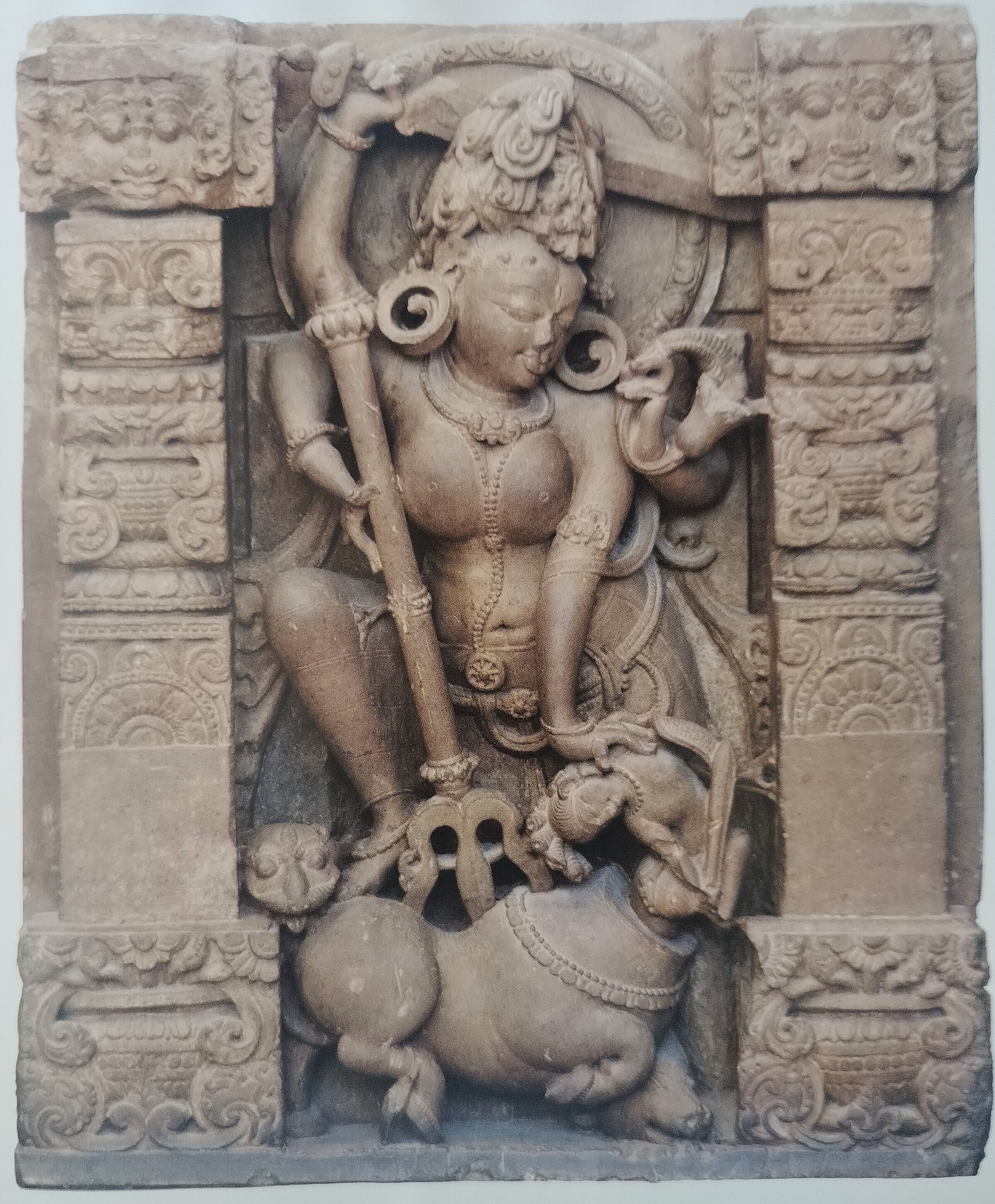
Mahishamardini Durga, sandstone, Abaneri, 8 – 9 th century (JAHM collection). A beautiful example of Pratihara style found in two major archaeological sites near the Rajasthan village of Abaneri or Abhaneri (ancient city of Abha Nagari”, City of Brightness): the Chand Baori step-well and Harshat Mata Temple. 
 
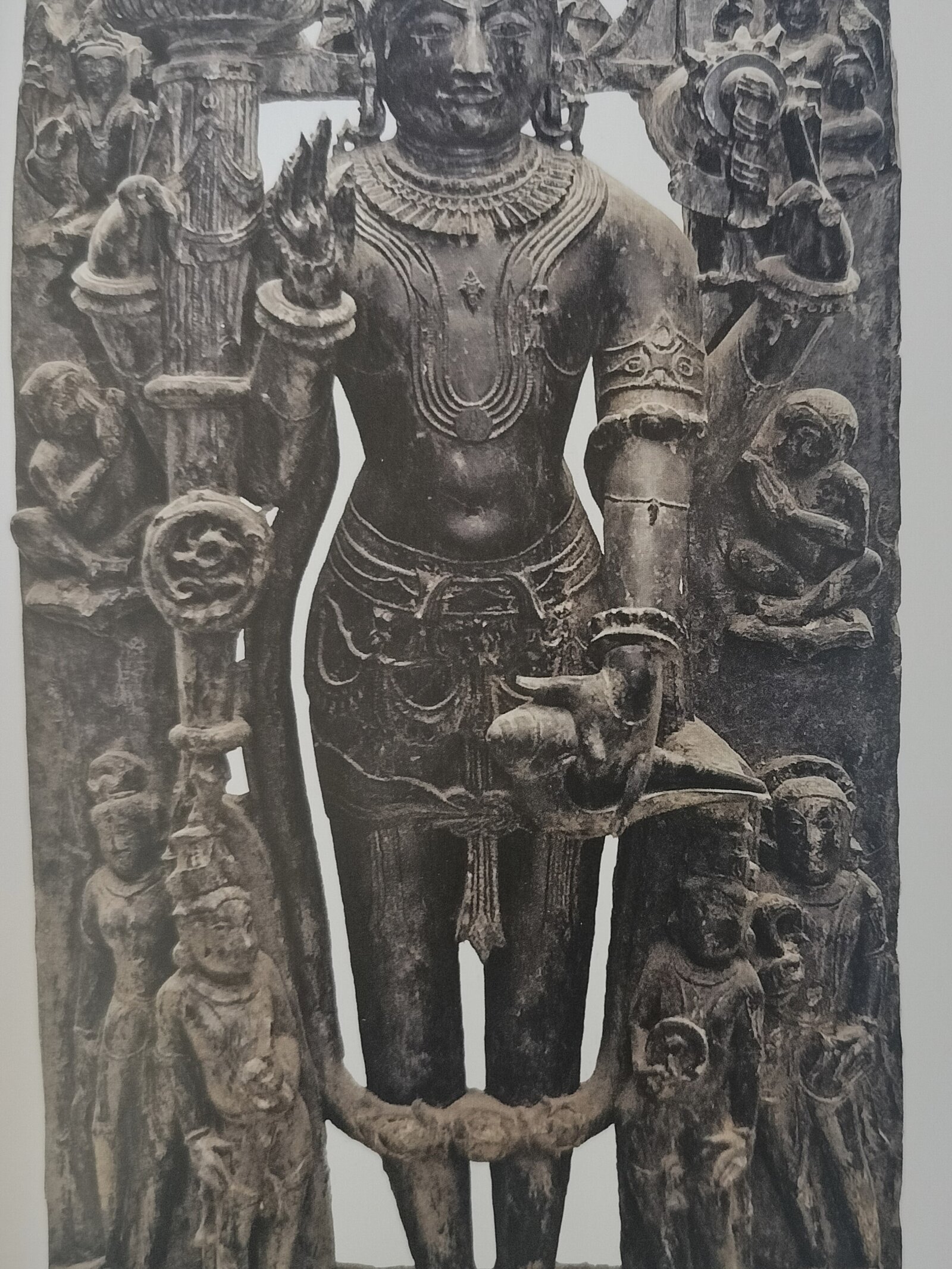
Vishnu, black stone, Sanganer, 12th century. (JAHM collection) 
 
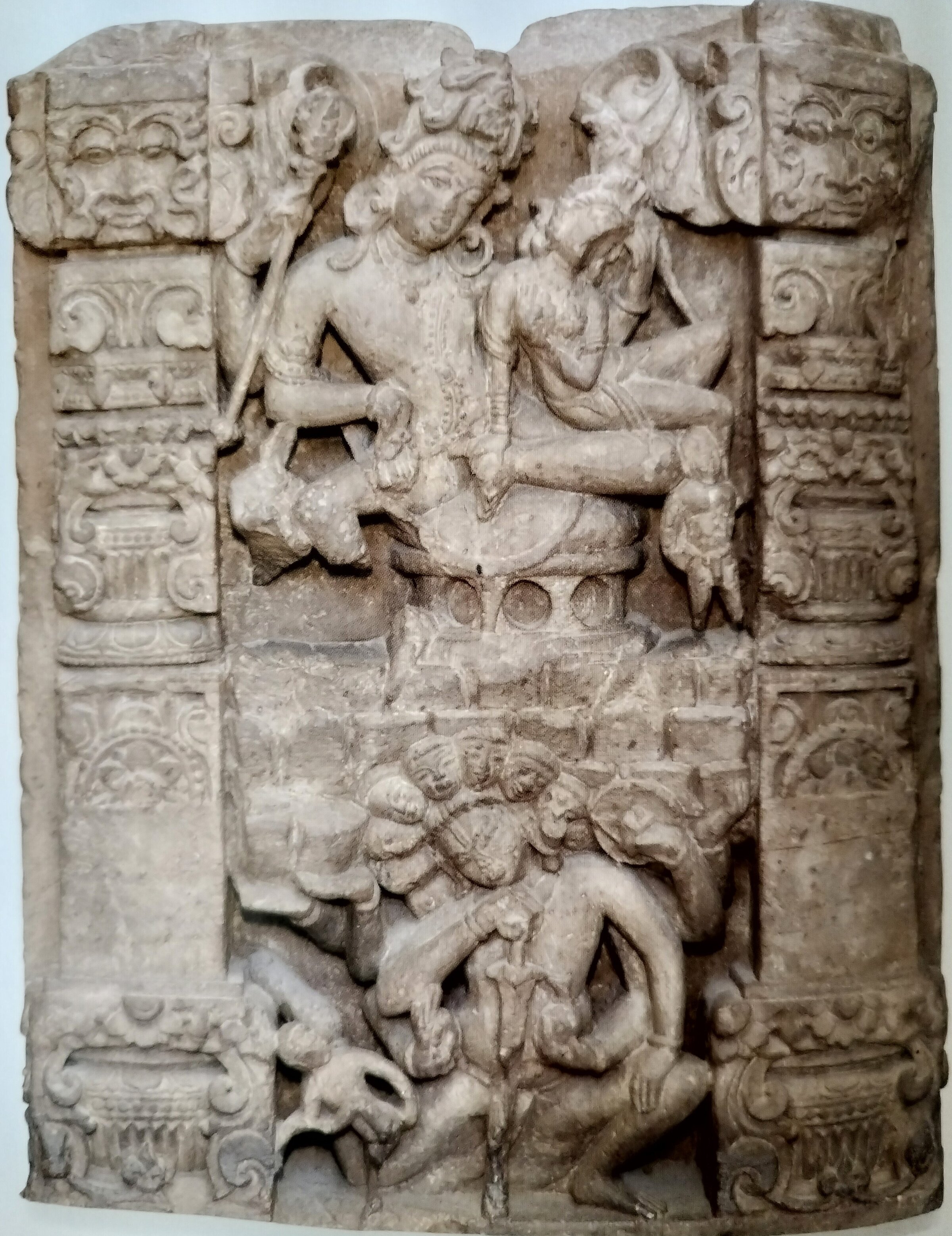
Ravananugrahamurti, sandstone, Abaneri, 8 – 9th century. Ravana shaking Mount Kailsah to disrupt Shiva and Uma [or Parvati in Khmer representations]. (JAHM collection) 
 
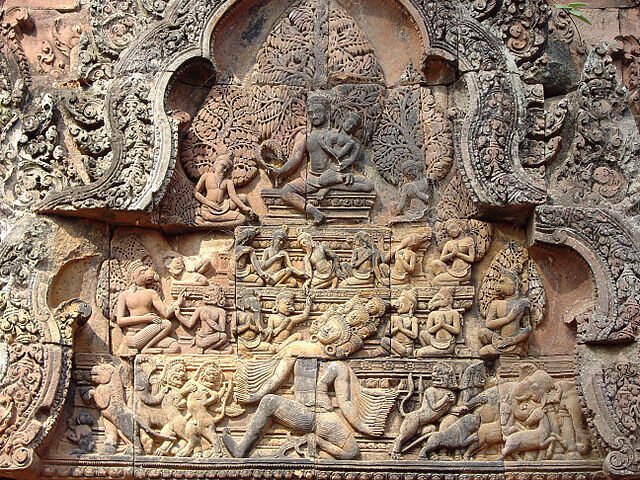
Compare with the Ravananugraha lintel and pediment at Banteay Srei (photo Art and Archae​ol​o​gy​.com)
 
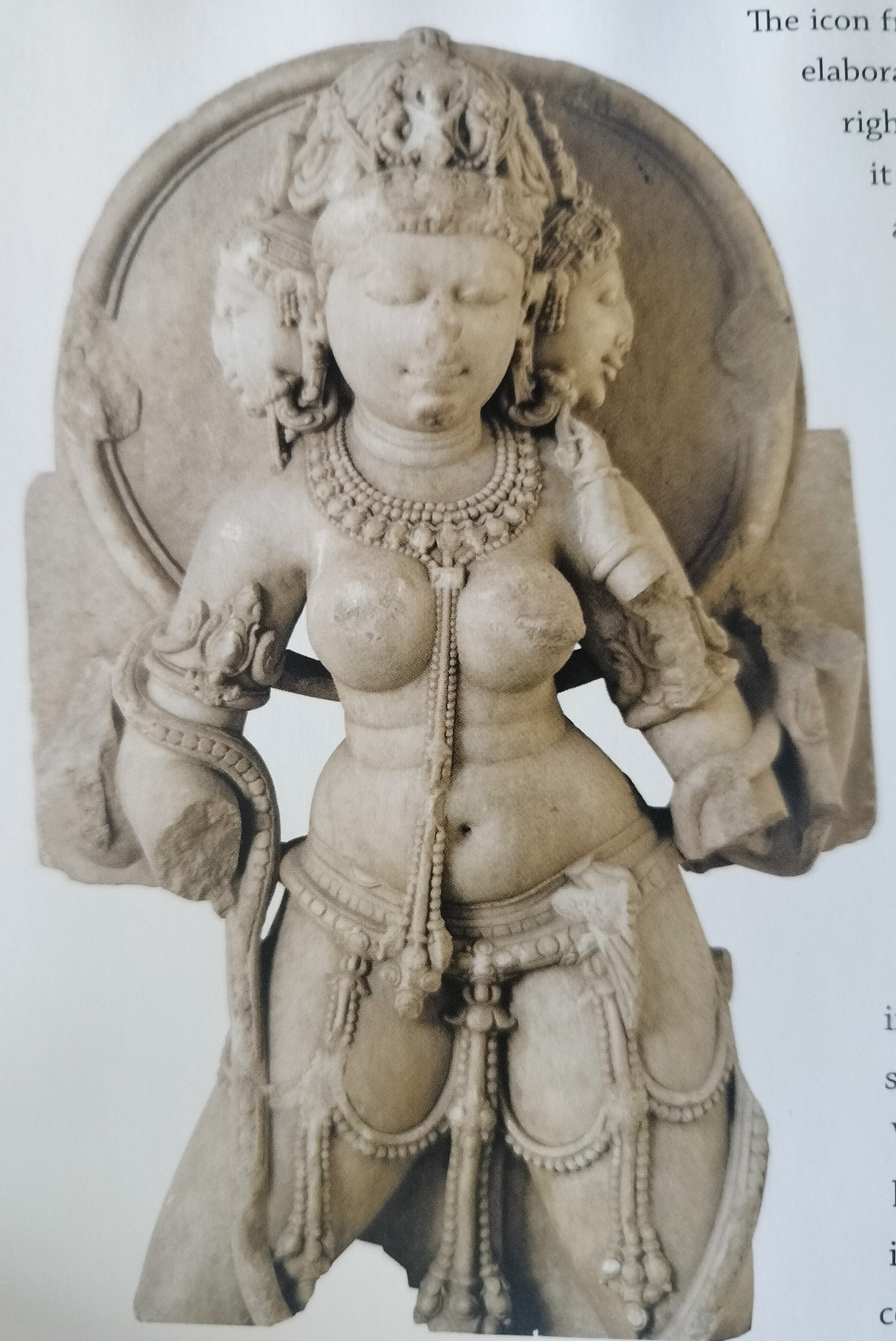
Brahmani, marble, Sirohi, 11th century. Also from Rajasthan, this is a striking representation of Brahmani (ब्रह्माणी), one of the seven Hindu mother goddesses (Sapta Matrikas), the Shakti of Brahma in Hinduist tradition. (JAHM collection) 
 
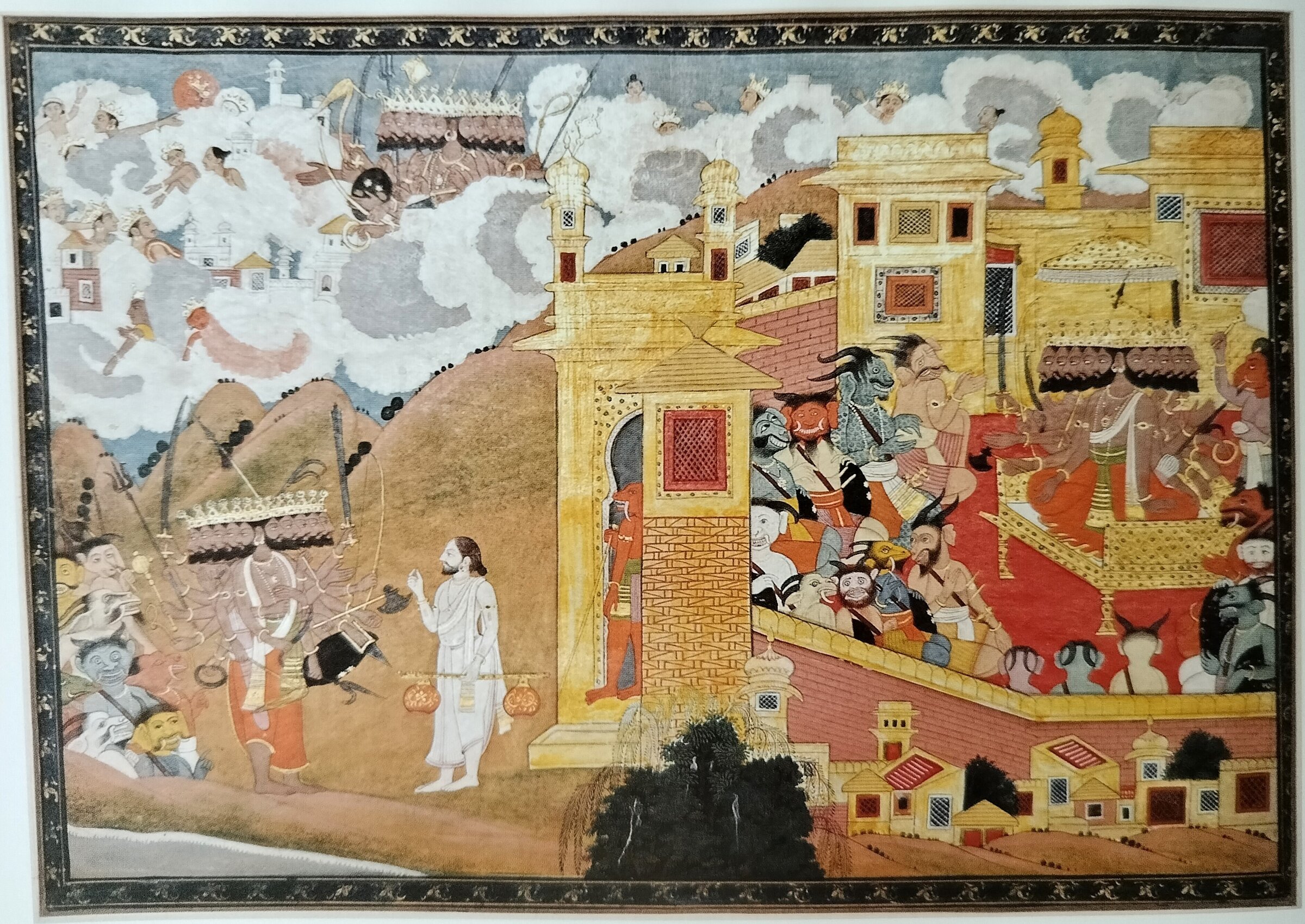
Scene from the Ramayana, pahari, Guler or Kangra,19th century. 
 
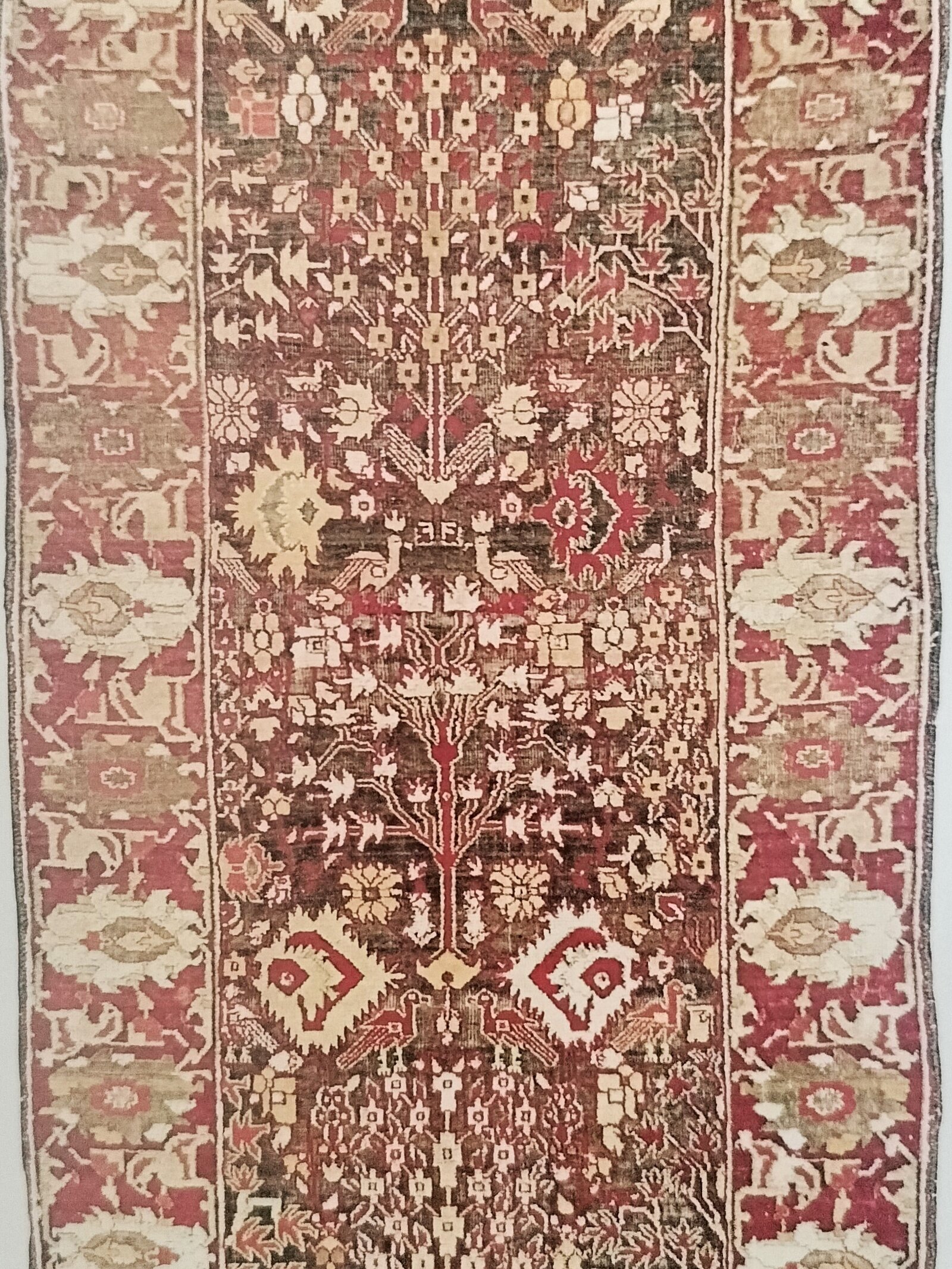
Carpet, wood pile on cotton, Alwar, 19th century. (JAHM collection) 
 
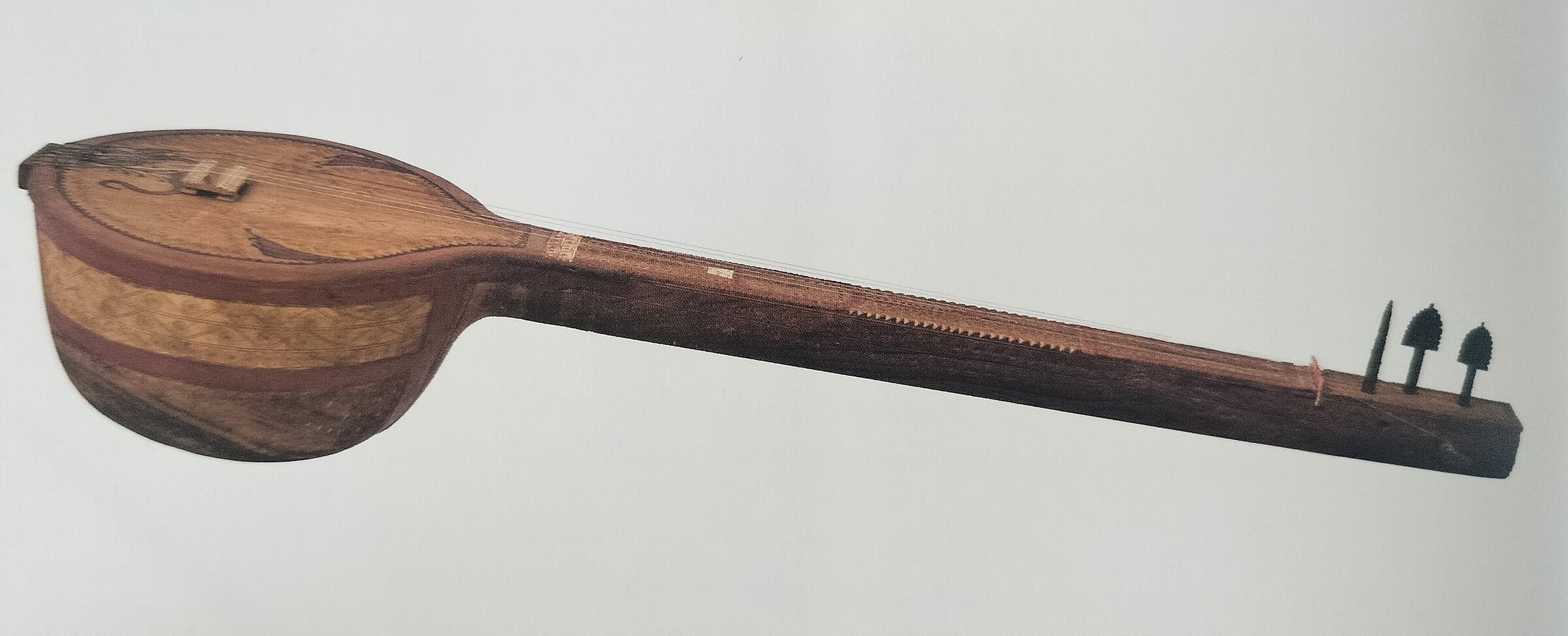
Chautara, Rajasthan, 19th century. This is a wooden string music instrument typical of Rajasthan, also called naad. (JAHM collection) 
 
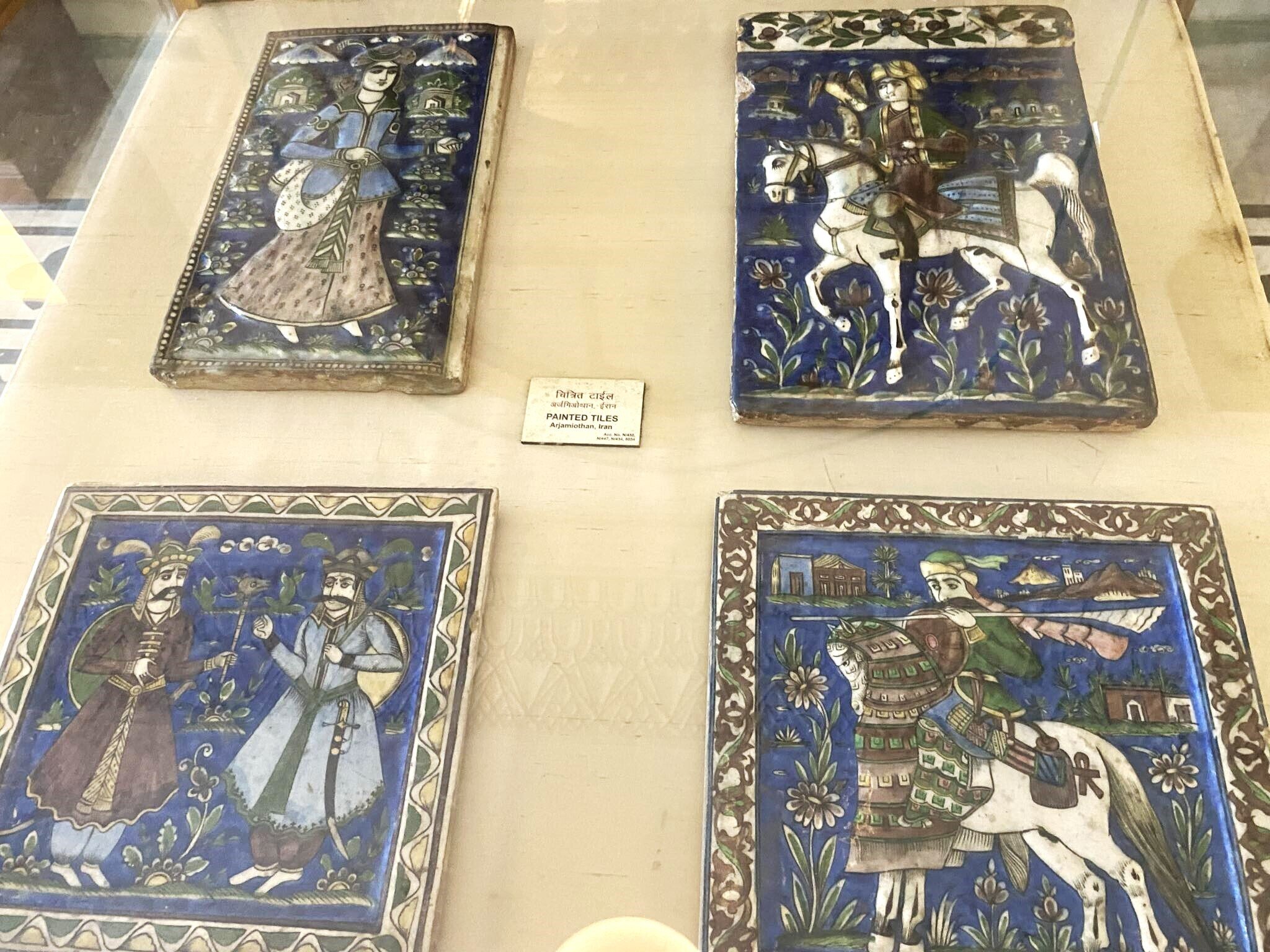
Hand-painted tiles from Iran (photo ADB) 

with 157 color illustrations

Tags: Rajasthan, India, museums, museology, material culture, jewels, Durga, pottery, British Empire, weaponry, sculpture, Indian influences

About the Editor

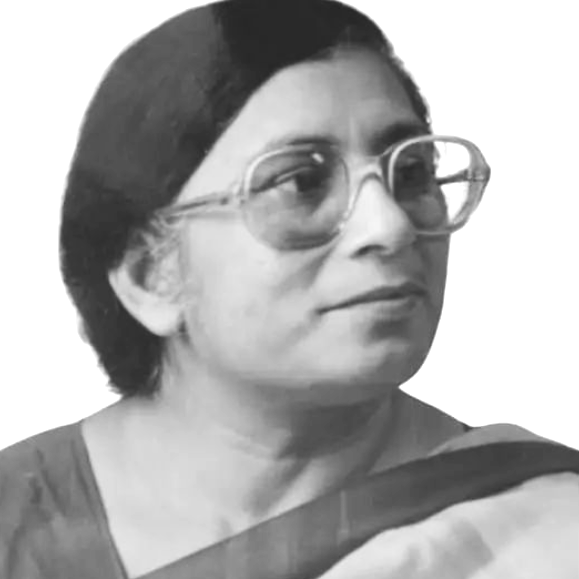
Chandramani singh

Chandramani Singh

Dr. Chandramani Singh चंद्रमणि सिंह (5 Apr. 1940, Banaras (Varanasi), Uttar Pradesh, India — 15 May 2022, Jaipur, Rajasthan, India) was an Indian art historian, textile expert, writer and a museum archivist based in Jaipur, Rajasthan. 

Associated with Banaras Hindu University and Prakrit Bahrti Academy, she oversaw cataloging and organizing the collections at the Sawai Mansingh II City Palace Museum, the Jawahar Kala Kendra, the Albert Hall Museum, and was also involved in the restoration of the Jaigarh Fort, all in Jaipur.

Publications

  • A Review of Basohli Style in Indian Painting, Jaipur, 1974
  • Marriage songs from Bhojpuri Region, Jaipur, 1979
  • Textiles and Costumes from the Maharaja Sawai Man Singh II Museum, Jaipur, 1979
  • Centres of Pahari Painting, Jaipur, 1981 
  • Woollen Textiles and Costumes from Bharat Kala Bhavan, Jaipur, 1981
  • Pathways to Literature, Art, and Archaeology, Pt. Gopal Narayan Bahura Felicitation Volume, 1991
  • Art Treasures of Rajasthan, Volume 1, Jaipur, 2004
  • Visual Music — Ragamala Paintings of Rajasthan, Jaipur, 2005
  • Protected Monuments of Rajasthan (Jaipur, 2002, digitized 2009)
  • Treasures of the Albert Hall Museum, Jaipur, 2009
  • Udaipur Museum, Jaipur, 2009
  • Museums of Rajasthan, Jaipur, 2010
  • Visionary, Vision and Wisdom: Select Speeches from Palace Archives, Jaipur, 2013
  • Women of Rajasthan, Jaipur, 2015
  • Cittauṛa kī Mahārānī Padminī kī aitihāsikatā itihāsa aura maukhika paramparā para ādhārita sāhitya samanvaya, Surendra Bothara, Delhi, 2020 [The story of Padmavati, Queen consort of Ratana Siṃha I, Rana of Chitor, active 1303. Translated in English as Historicity of Padmini.]

Glossary Terms

  • Durga

    sk दुर्गा Durga "invicible", "fortress-like", "beyond defeat" | sk दुर्गा महिषासुर मर्दिनी Durga Mahishasura Mardini "who defeats Mahishasura". | kh ព្រះម៉ែទុគា Preah Me Thuka, ព្រះនាងទុរគ្គា Preah Tureka, ចៅម៉ែទុគ៌ា Chao Methuka, ព្រះម៉ែទុគ៌ា Preah Maa Tukra, "Preah Maa Durga" ["Goddess Mother Durga"] | th เจ้าแม่ดูร์กา Cea mae Durka "Goddess Durga" | jv Loro Jonggrang "slender maiden"

    Durga is a major Hindu goddess, worshipped as a principal avatar of mother goddess Mahadevi, associated with protection, strength, motherhood, destruction, and wars. She has different names, including Durgā, Bhadrakālī, Vijayā, Vaiṣṇavī, Kumudā, Caṇḍikā, Kṛṣṇā, Mādhavī, Kanyakā, Māyā, Nārāyaṇī, Īśānī, Śāradā and Ambikā. 

    In Shaktism (goddess-centric sect), she is Devi (the Goddess), primordial creator of the universe, and in the Bhagavata purana she is Vishnu's younger sister. In Indian representations - in particular at Aihole Temple - Mahishasura Mardini Durga has eight arms, carrying the weapons and attributes given to her by male deities: the trident (given by Shiva), the Chakra (Vishnu), the conch (Varuna), the Pasha an iron rod (Yama), the dart (Agni), the bow (Vayu), the quiver and arrows (Surya), the thuderbolt (Indra), the mace (Kubera), the rosary and a water pot (Brahma), the sword and shield (Kala), the battle axe (Vishwakarma), the lion (Himavan), a disc and a lotus, a bell, etc...She is standing in the Tribhanga pose (three bends), legs apart, left leg pressing down the buffalo demon.

    Across Indonesian islands, Durga was the most common representation among ancient sculptures of female deities. Durga statues have been discovered at stone temples and archaeological sites in Vietnam, likely related to Champa or Cham dynasty era. 

    In Cambodian art, Durga, in particular in the Mahishasurmardini form, was revered since the oldest recorded times. An 1.65 meter-high statue was retrieved at what has been supposed to be the site of the main temple of King Ishanavarman of Chenla (r. c. 615–628 C.E.) in Ishanapura (Sambor Prei Kuk)

    In modern Cambodia, the Indian community has started to give social resonance to the celebration of Durga Puja, the festival observed usually in September or October, from the sixth (Shashti) to the tenth day of the bright lunar fortnight in the Hindu lunar calendar month of Ashvin, concluding with Durga Visarjan (immersion of the idol).

  • Nagari, Nāgarī

    sk नागरी nāgarī, "small town", "master of the town", "heroine"; from sk nagara.

    Nāgarī is an Indian script first used to write Prakrit and Sanskrit and widely used during the first millenium CE. Some scholars view it as the ancestor of other scripts such as Devanagari (deva-nāgarī) and Nandinagari, while other linguists consider Nāgarī and Devanāgarī as the same script. 

    Nāgarī is a Sanskrit technical term used in ancient Indian astronomy, mathematics and geometry. In Shaktism, it refers to one of the eight Servants associated with the "churning" (manthāna).

    The Nāgarī script, a left-to-right abugida (segmental writing system), has roots in the ancient Brahmi script family. 

    Devanagari देवनागरी, already widely used by the 8th century CE, reached its modern form - 48 primary characters, including 14 vowels and 34 consonants - by 1000 CE. It is the fourth most widely adopted writing system in the world, being used for more than 120 languages, in particular Hindi (हिंदी).

    Note: Several names of towns or cities mentioned in Khmer inscriptions written in Sanskrit end with the suffix -nagari, for instance Jayantanagari, "the victorious city" (K. 908) [a city in which Jayavarman VII placed a Buddha image] or Jayendranagari, "the city of the victorious lord" (K.255) [a palace founded by King Jayavarman V, possibly near Prasat Baphuon, Angkor Thom].

  • Ravananugraha

    sk Ravana-anugraha or Ravana-darpa-vinasha + murti

    Ravananugraha-murti ("form [of Shiva] showing grace to Ravana") is a benevolent aspect of Shiva, depicted seated on his abode Mount Kailash with his consort Parvati [or Uma], while the rakshasa-king (demon-king) Ravana of Lanka attempts to uproot it. According to Hindu scriptures, Ravana once tried to lift Mount Kailash, but Shiva pushed the mountain into place and trapped Ravana beneath it. For a thousand years, the imprisoned Ravana sang hymns in praise of Shiva, who finally blessed him and granted him an invincible sword and a powerful linga to worship.

    The theme is found as early as the Gupta-Pallava era in India (300–600 CE), and was popular among artists of Ancient Southeast Asia, in particular on a lintel and pediment at Banteay Srei, Cambodia.

  • Shakti, Śakti

    sk शक्ति shakti "spear", "ornemental blade", "power", "strength"

    Śakti (शक्ति) is the "active" aspect of a Hindu deity, the "energy" emanating from it. In the case of Shiva [Śiva], his shakti is feminine, often personified as the goddess Devi, and has three aspects: creative energy (Shakti), peaceful, harmonious space (Pārvatī), destructive as time caan be (Kālī).

    Śakti is the all-important goddess of Tantra, in charge of the creation, expansion and destruction of the universe. Puruṣa comes second, yet Śakti cannot accomplish the work of creation of the universe without Puruṣa. 

View all glossary terms →