Cambodia 1980s in Photographs
by Alfred V. Lieberman
A selection of 50 snapshots of Cambodia in the 1980s from a rare photo album.


Published: 1986
Author: Alfred V. Lieberman
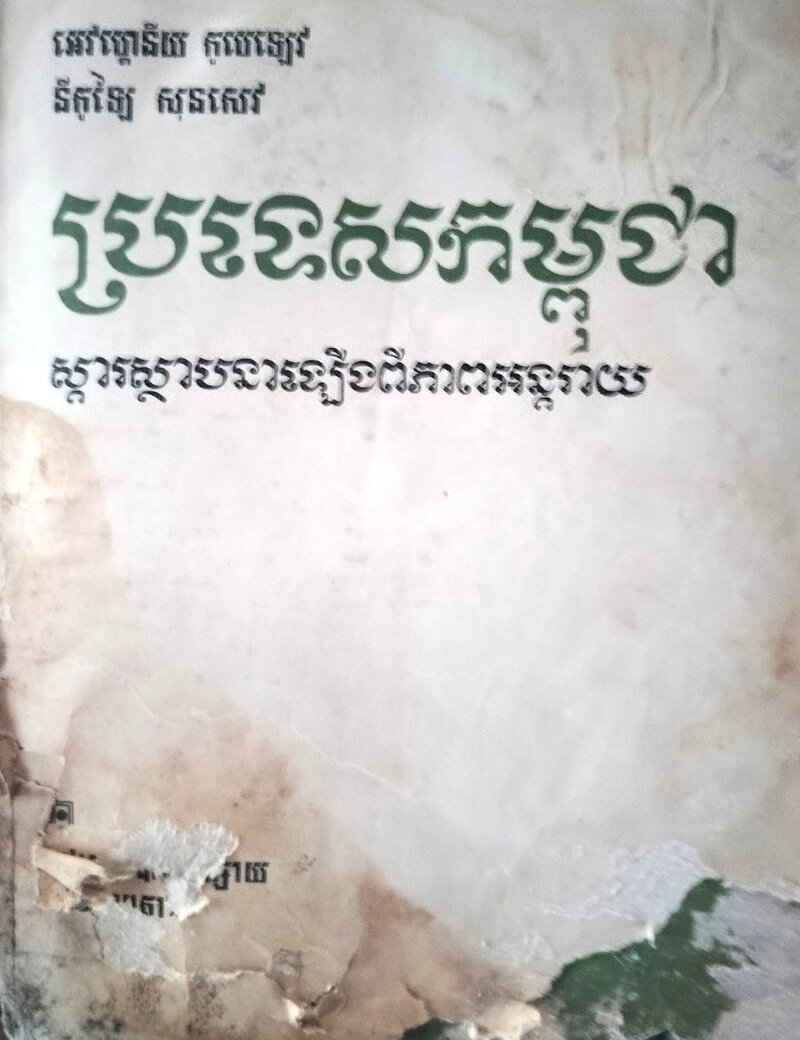
Source: A selection from photo album ការស្ថាបនាប្រទេសកម្ពុជាក្រោយគ្រោះមហន្តរាយ [Cambodia: Rebuilding After the Disaster] (KH),
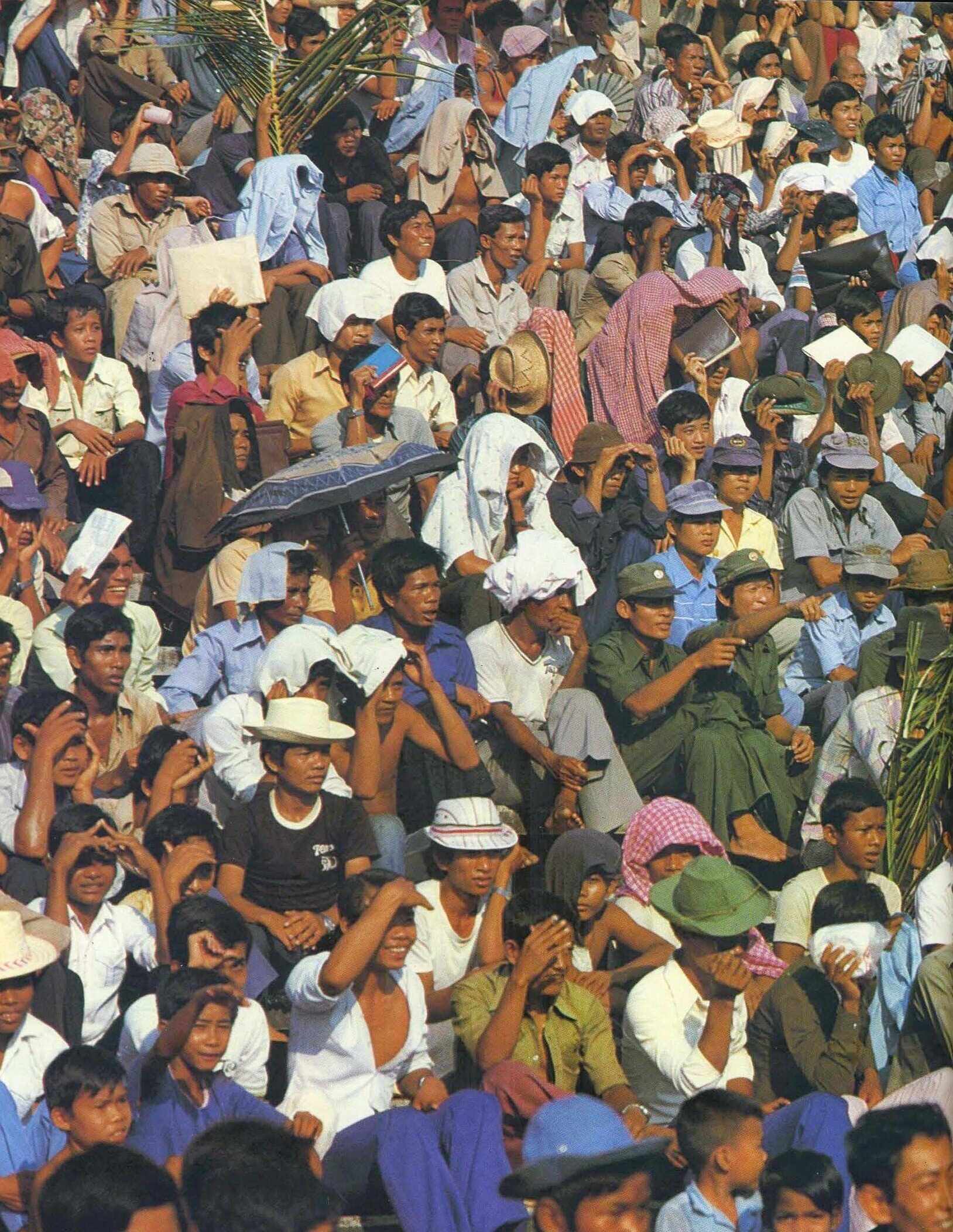
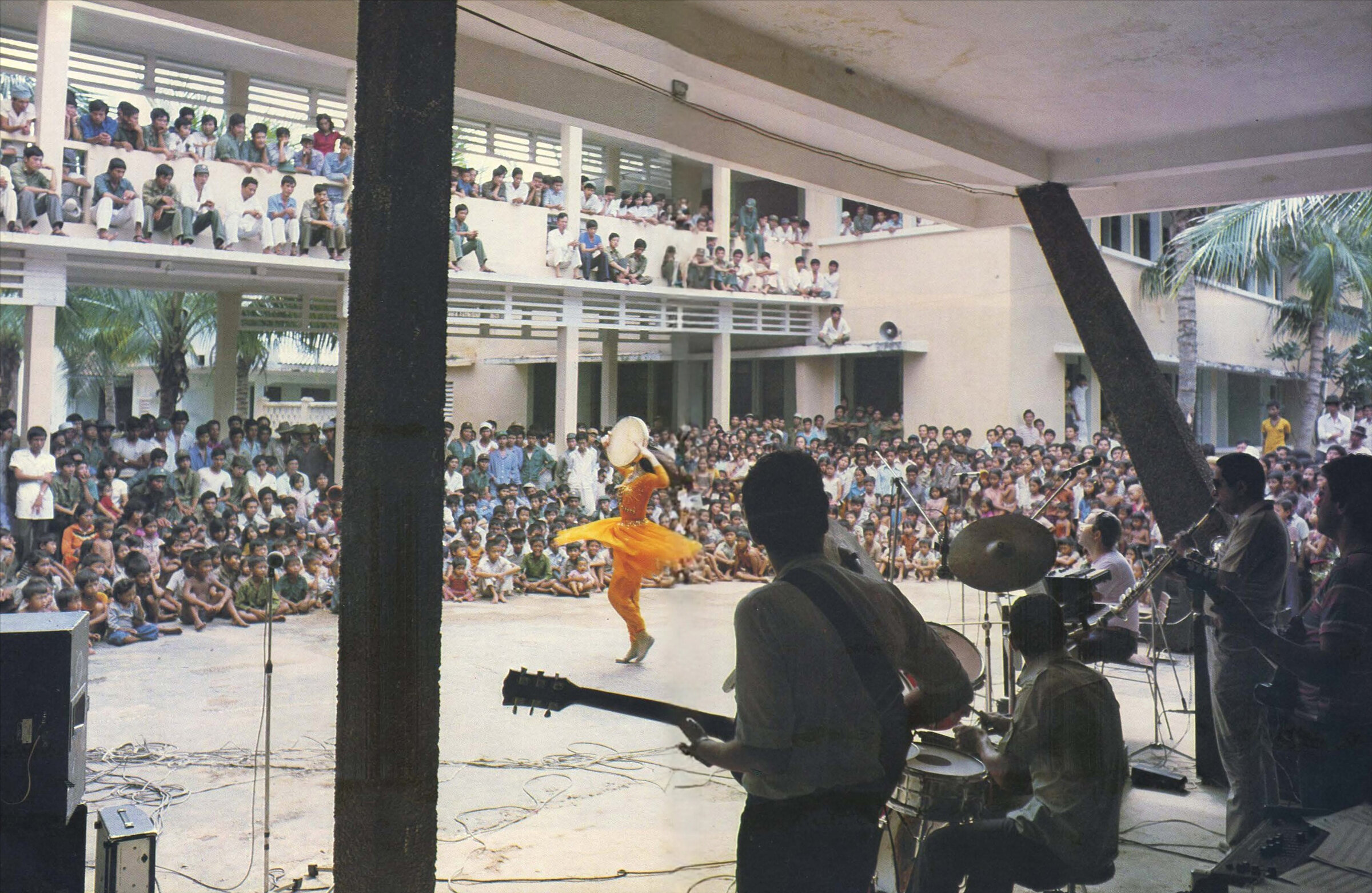
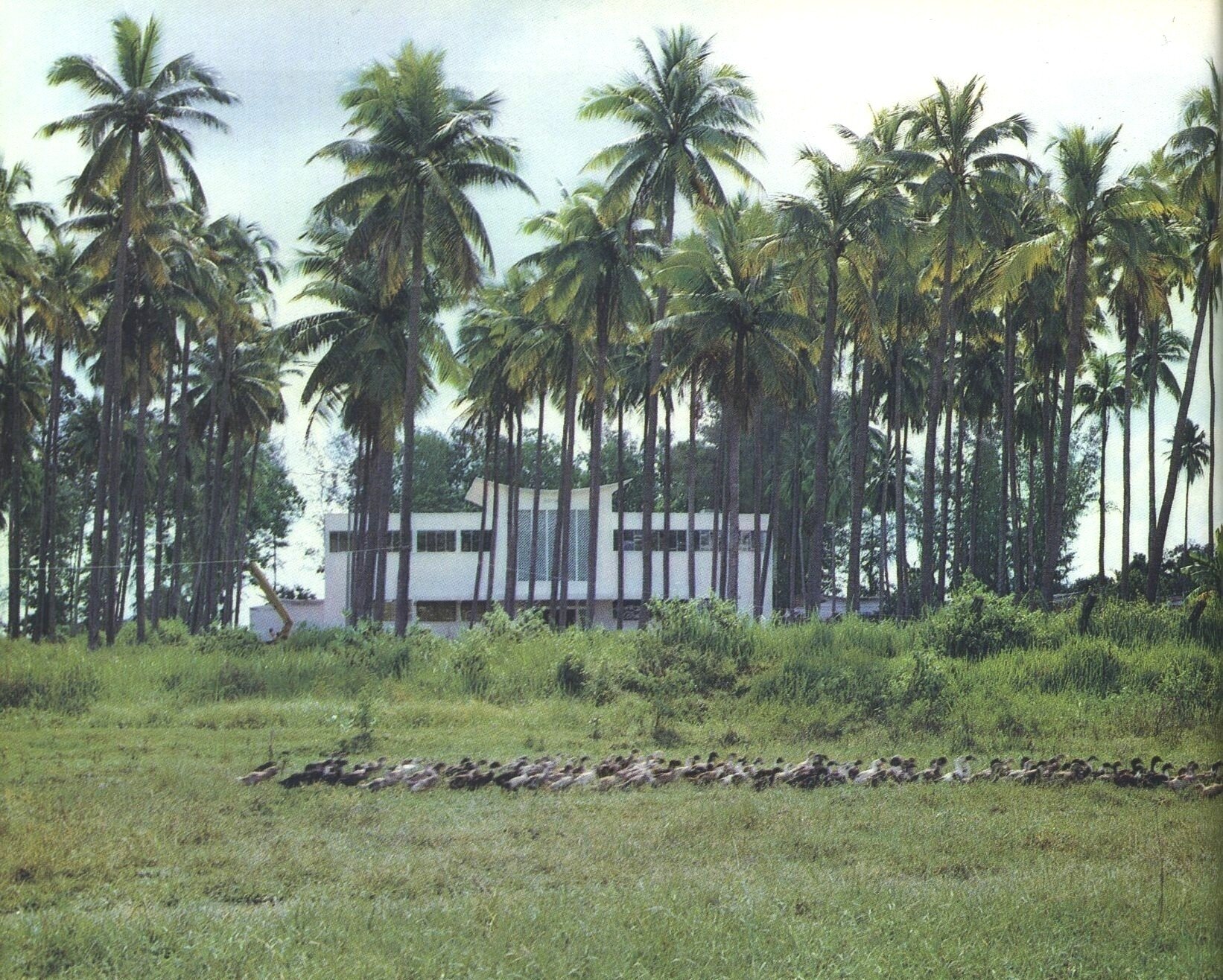
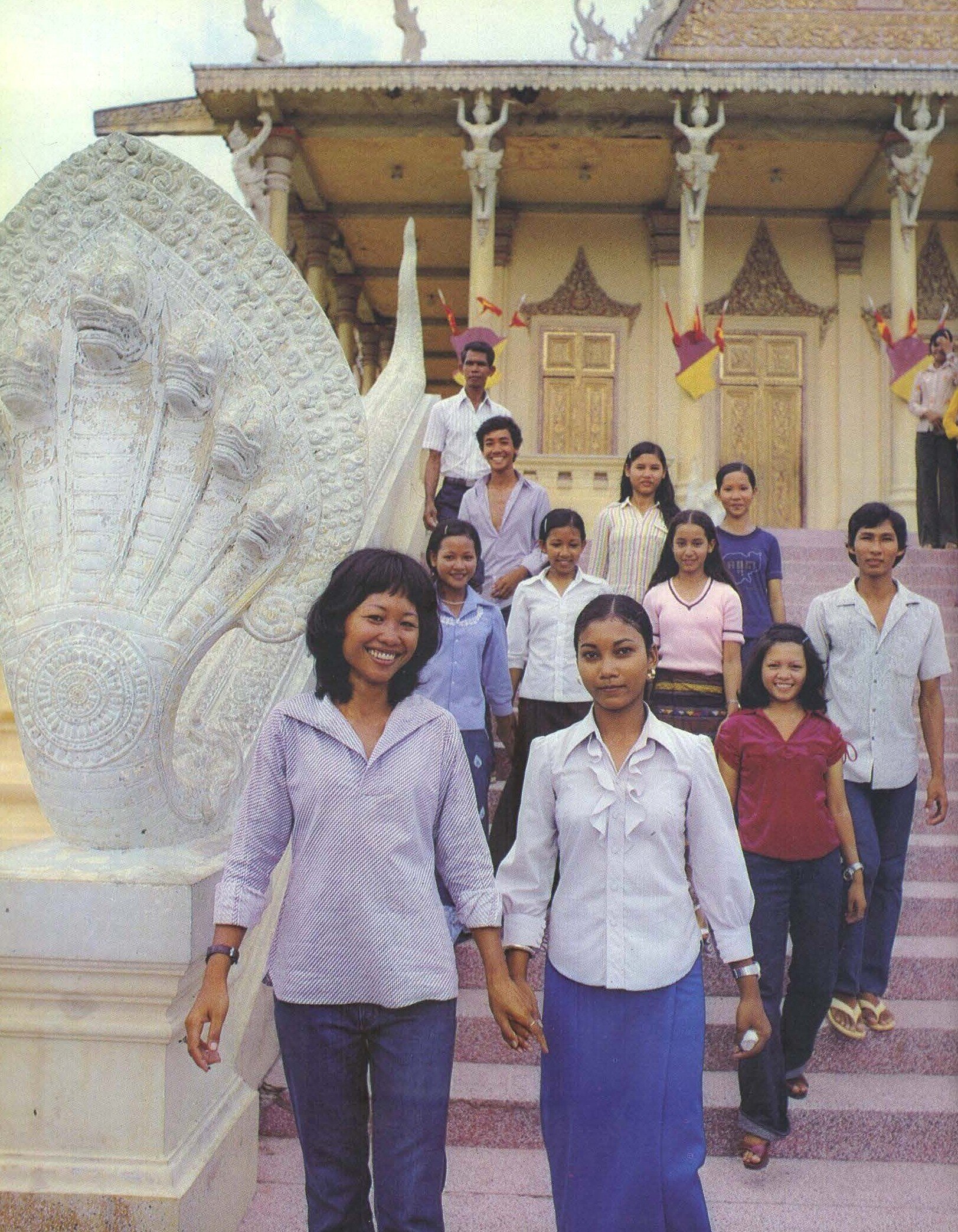
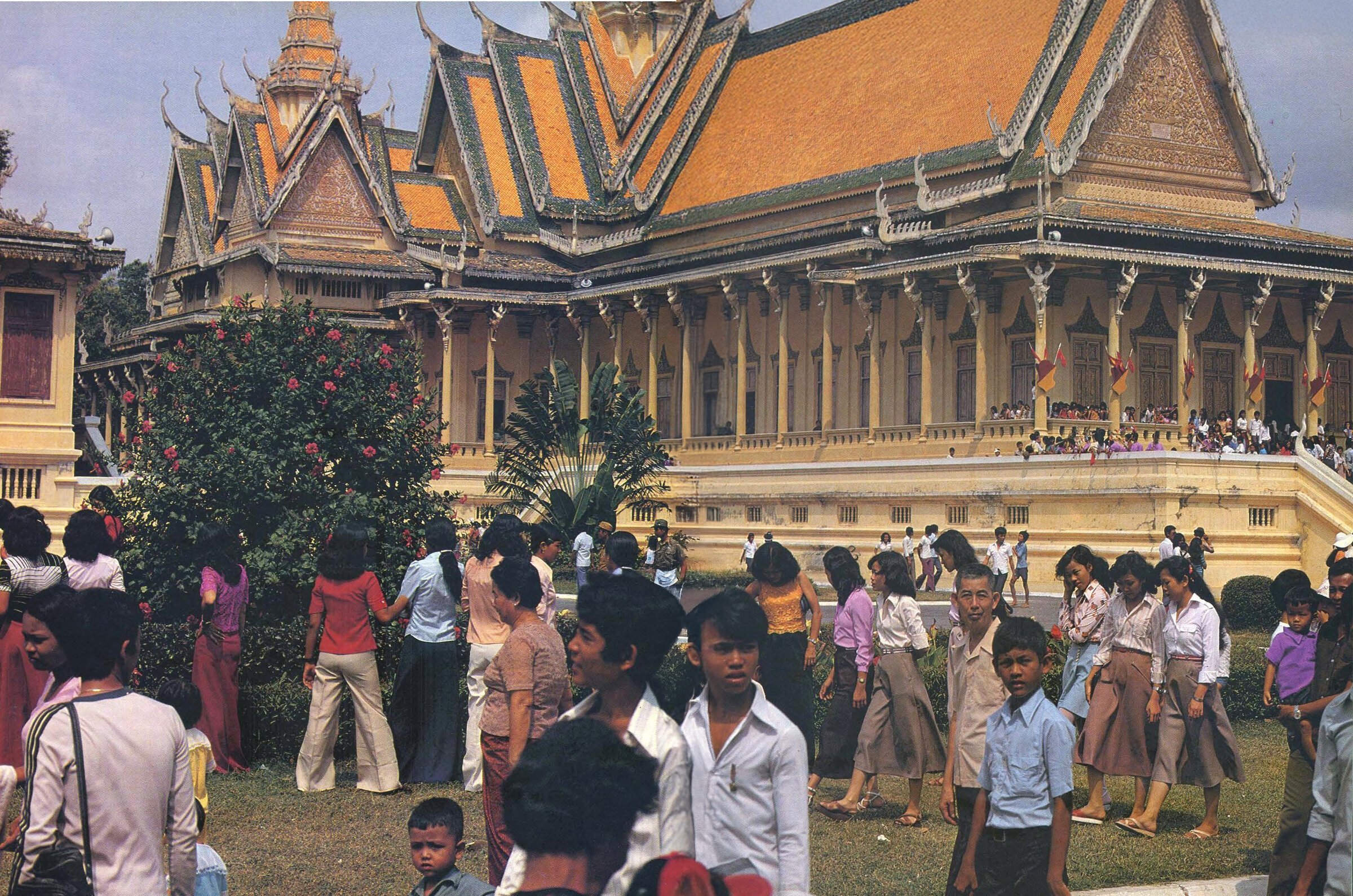
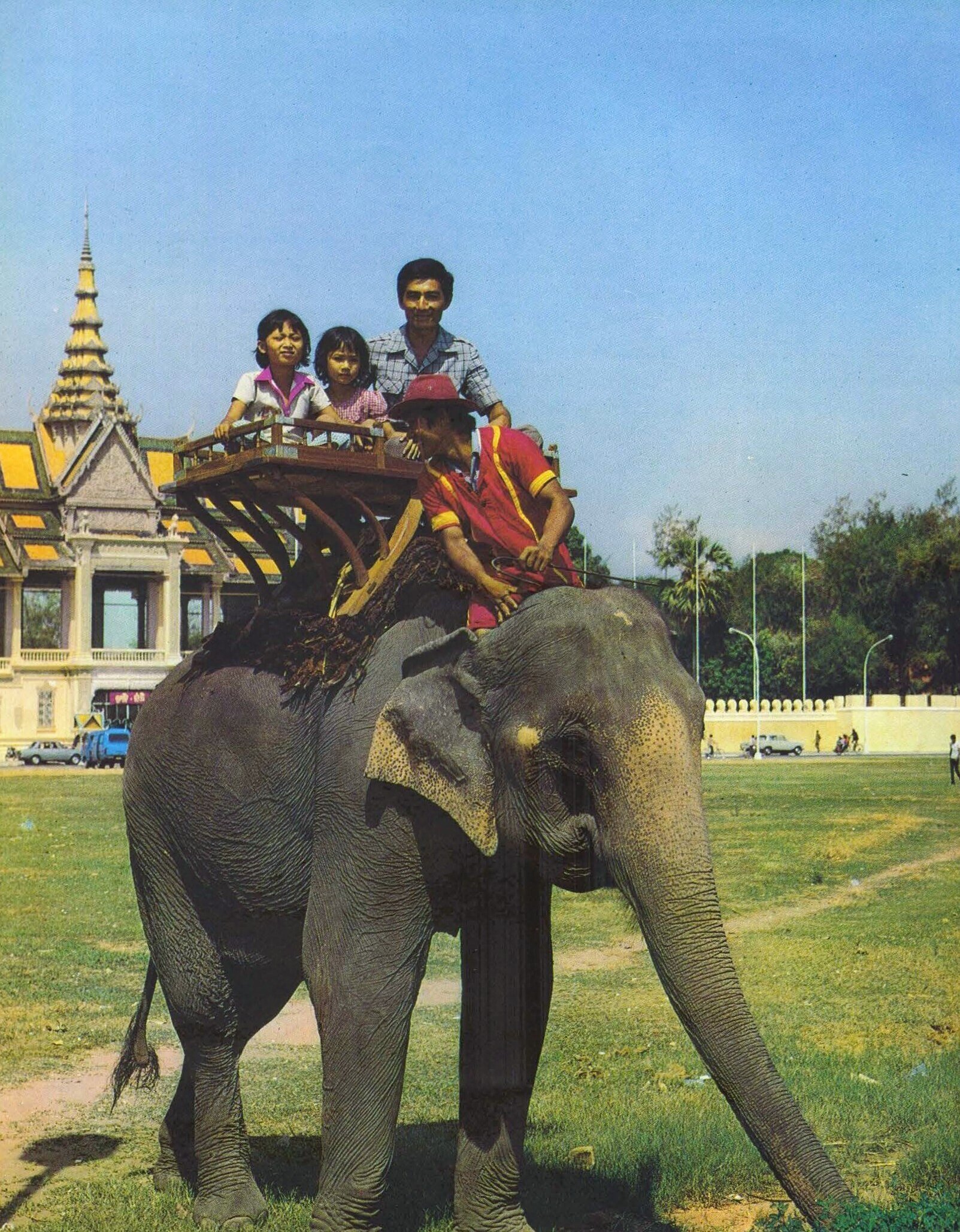
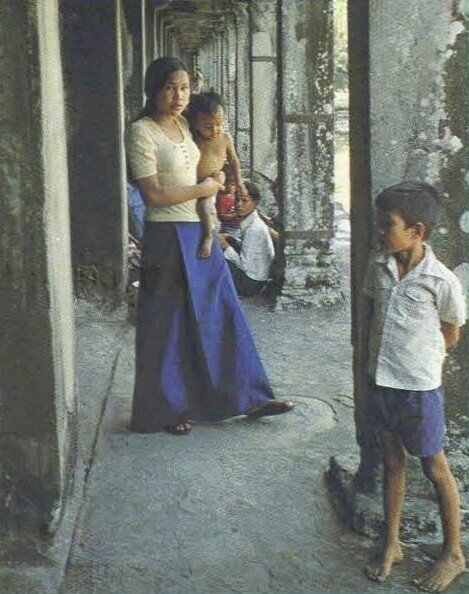
People of Cambodia ‘risen from the ashes’ were the front center of this work by an empathetic and professional photographer. We see them learning again how to stroll public places, dance, cherish their religious and artistic traditions, study and work freely, and going back in droves to the temples of Angkor, which had been off-limit since 1973 due to the civil war raging in the area. And remembering the victims of the Khmer Rouge faction, at the time still active in some areas of the country, grieving in the Cambodian way so often misunderstood by Western observers.
In our gallery, we have slightly reordered the photographs, which in the album were following sections accordingly to the authors’ intended demonstration:
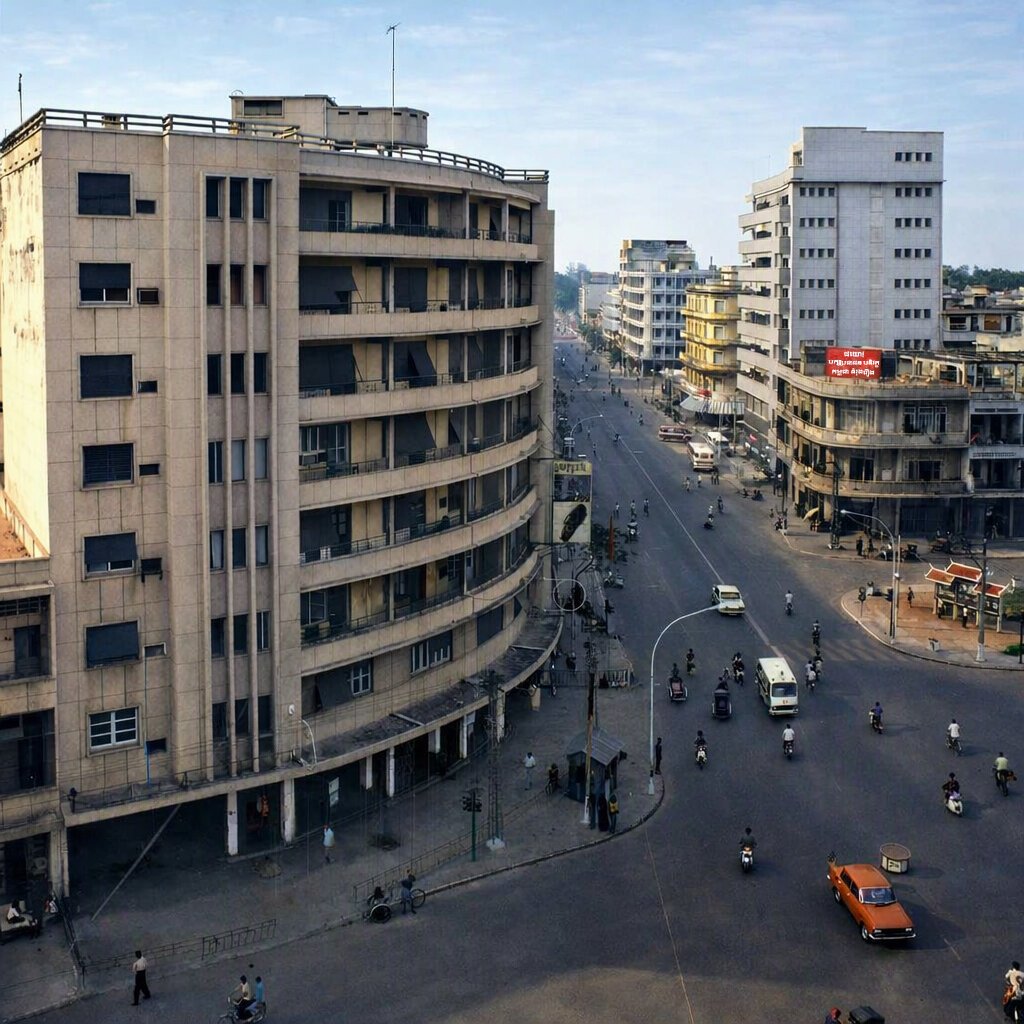
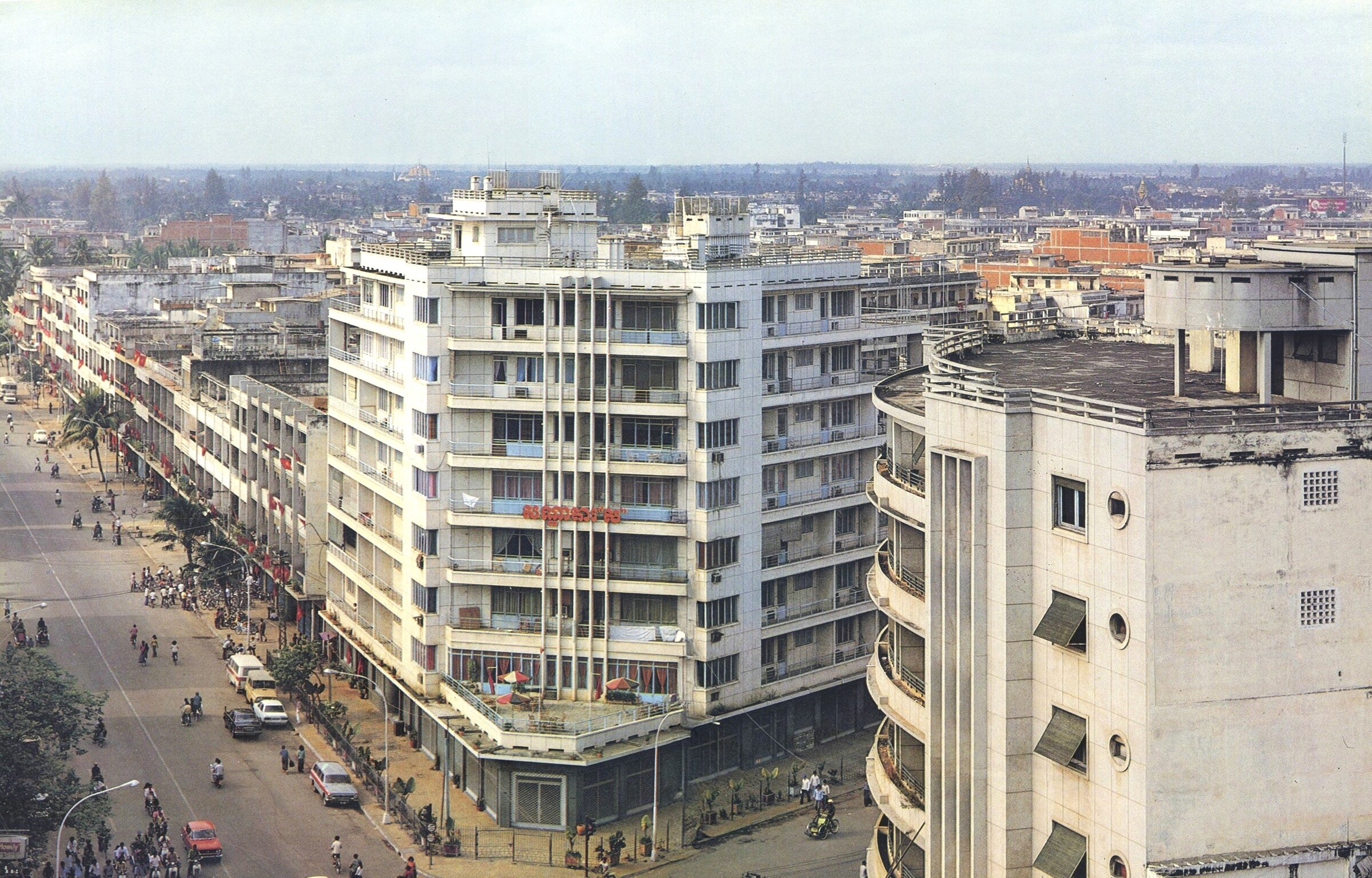
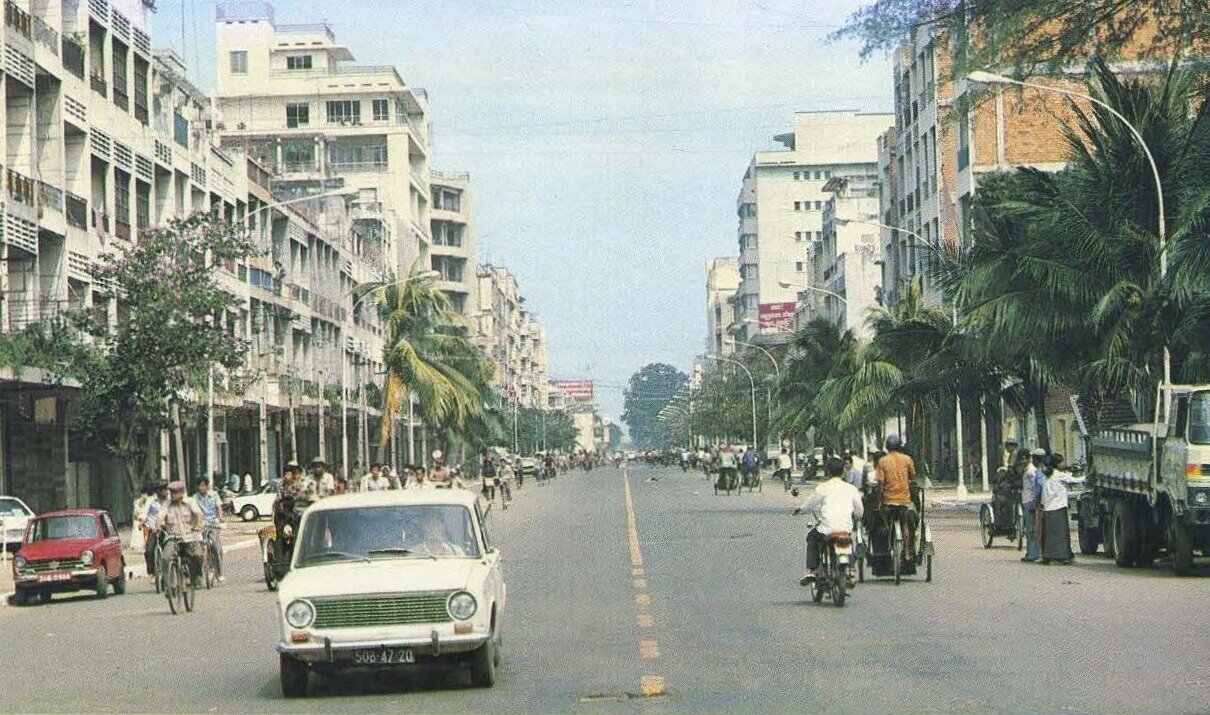
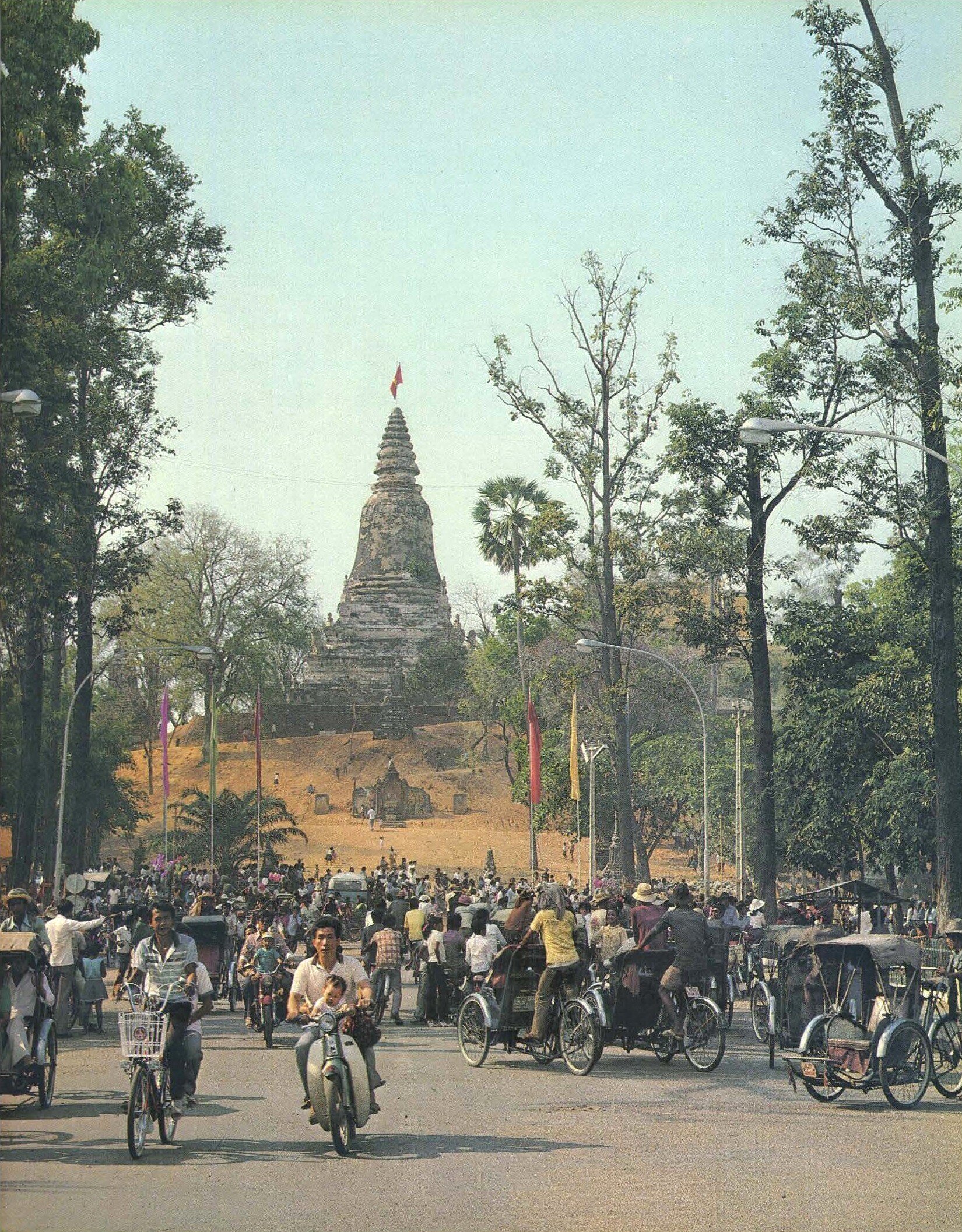
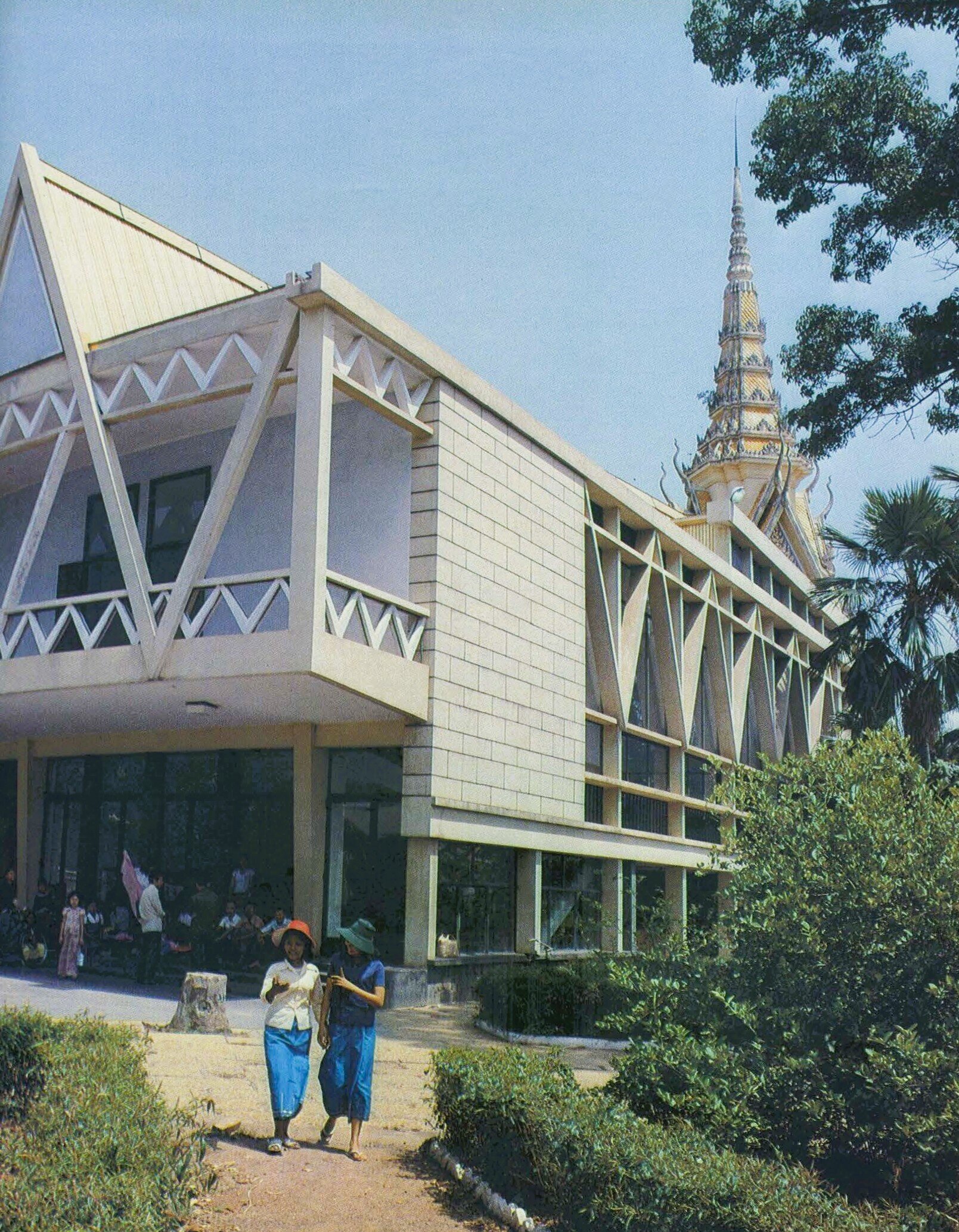
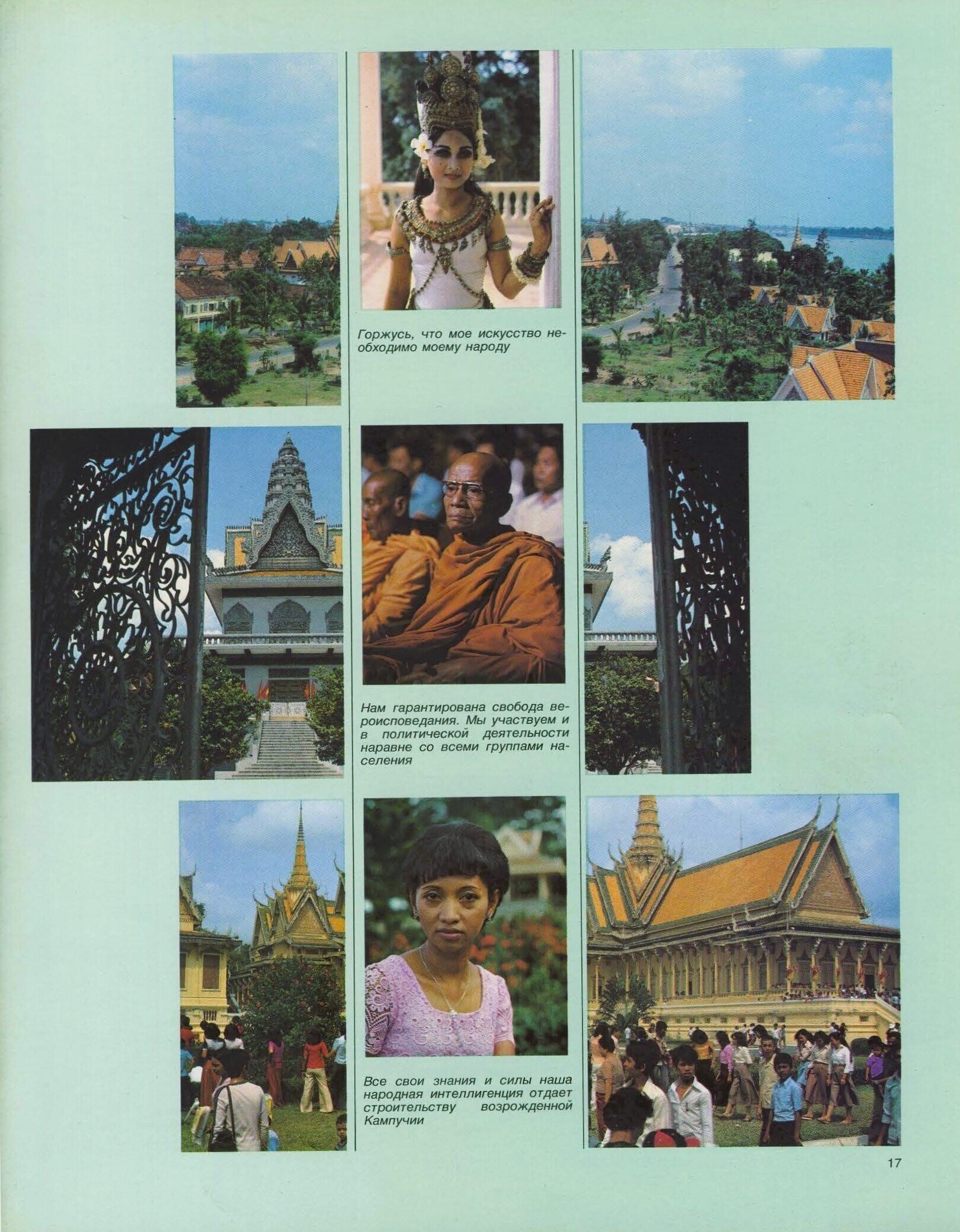
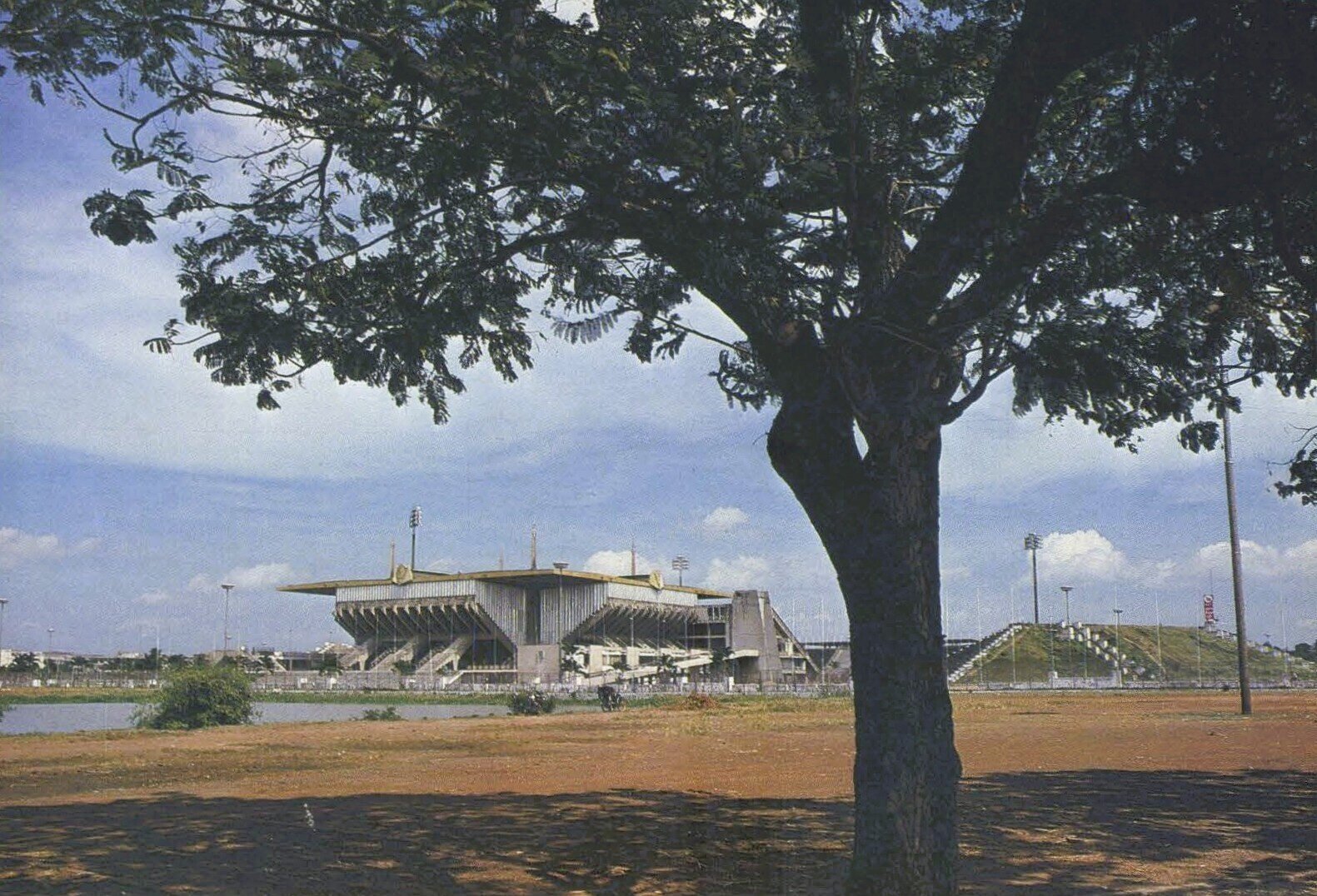
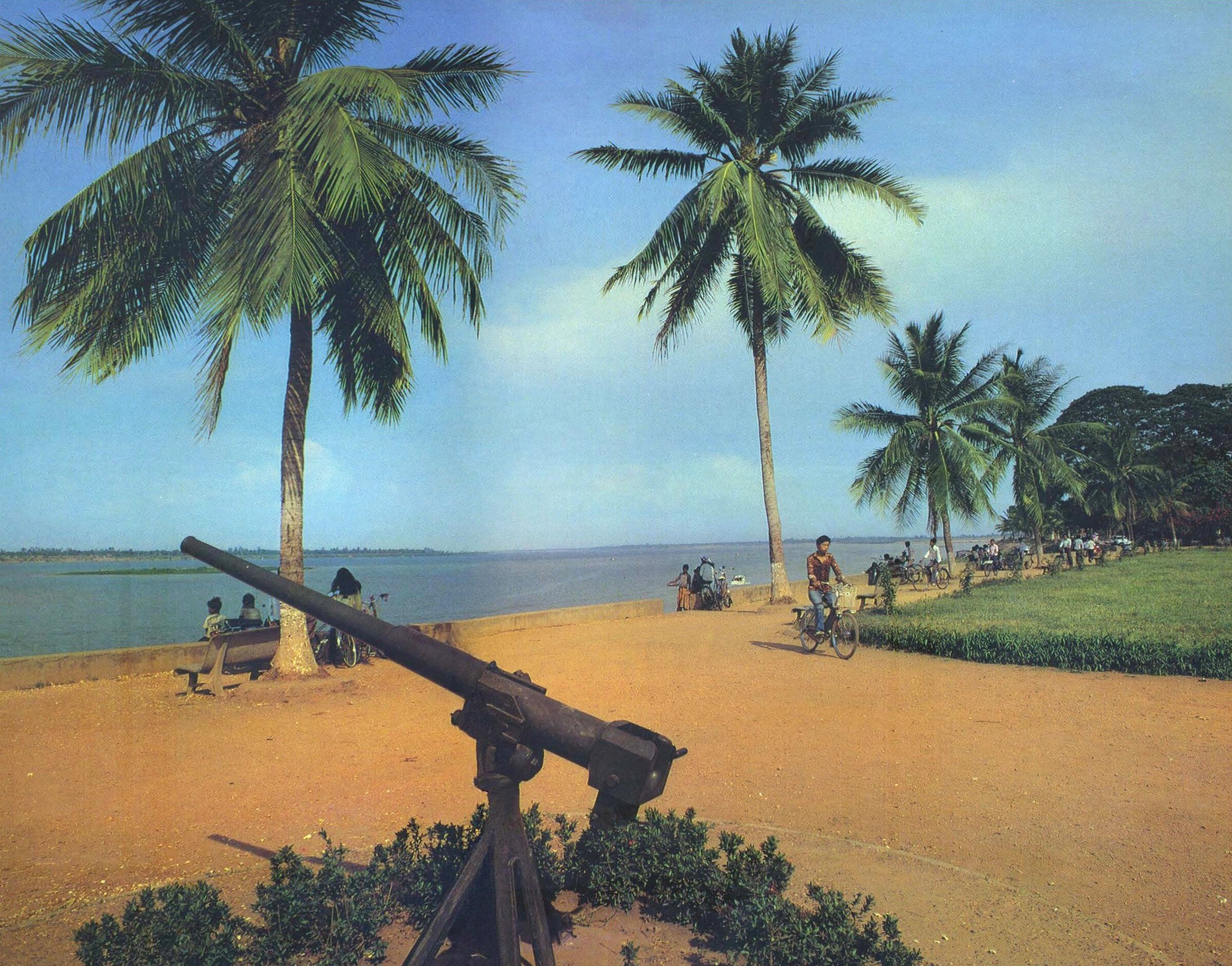
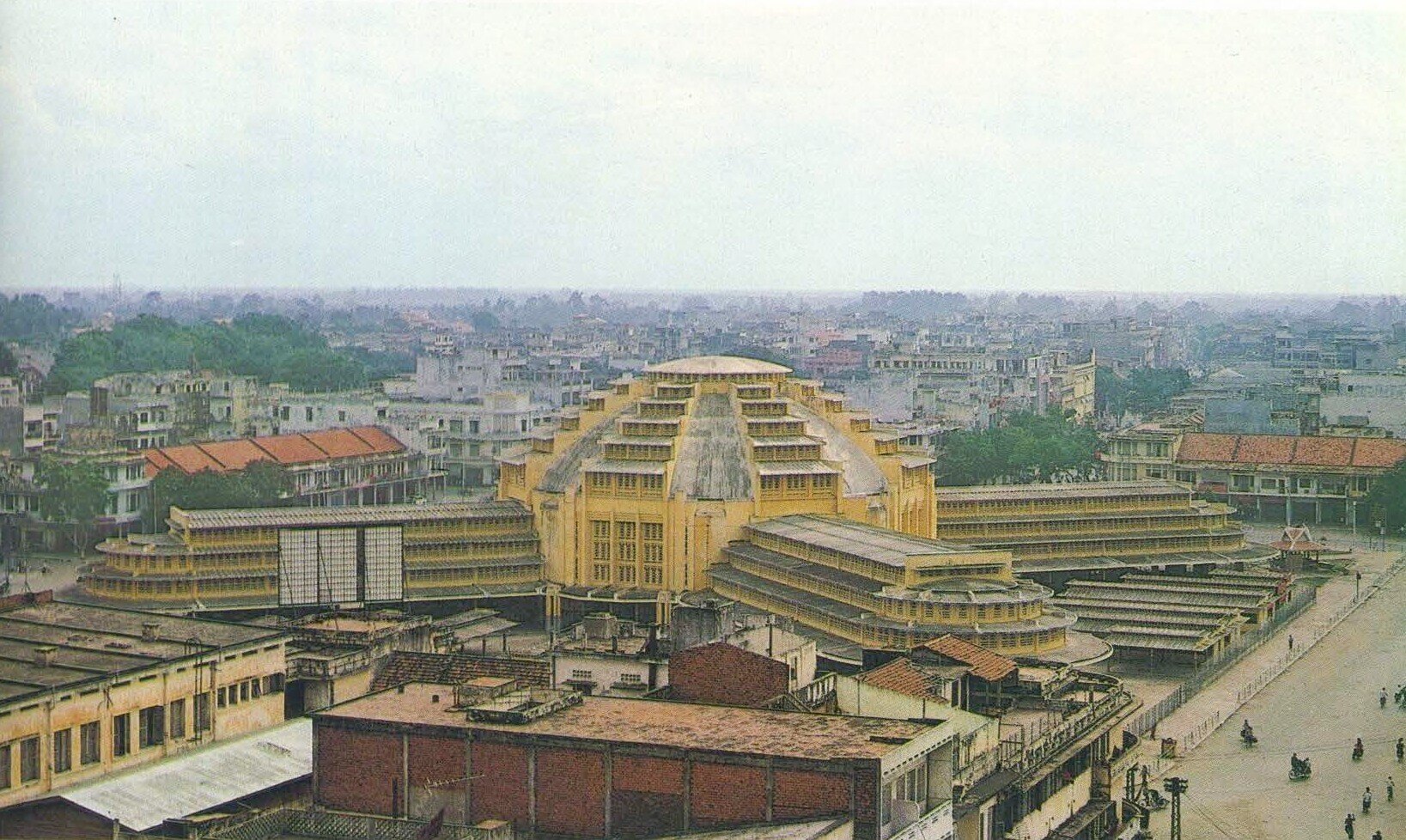
- The city: the Khmer Rouge had annihilated urban life, yet it was regaining momentum, buildings were restored.
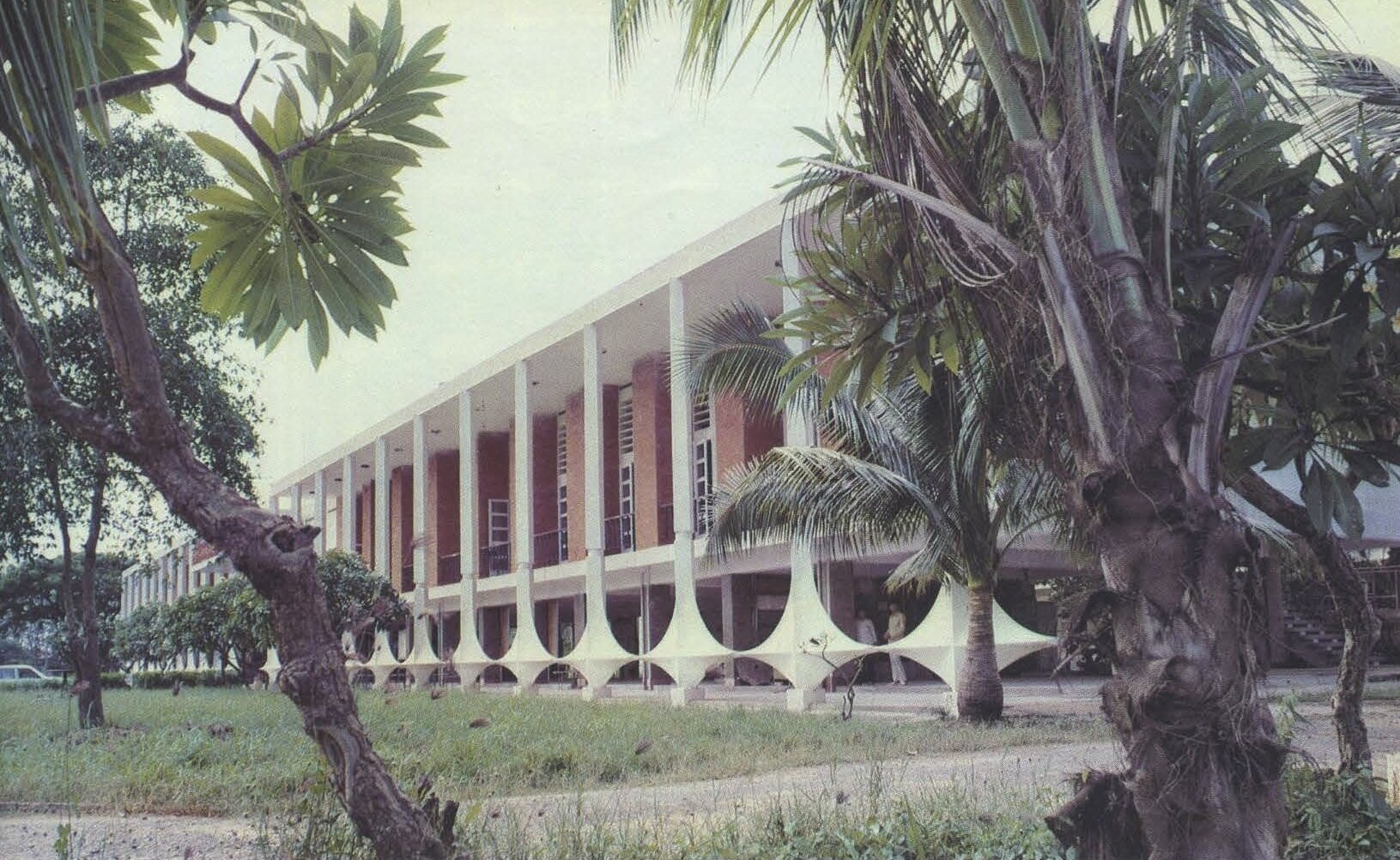
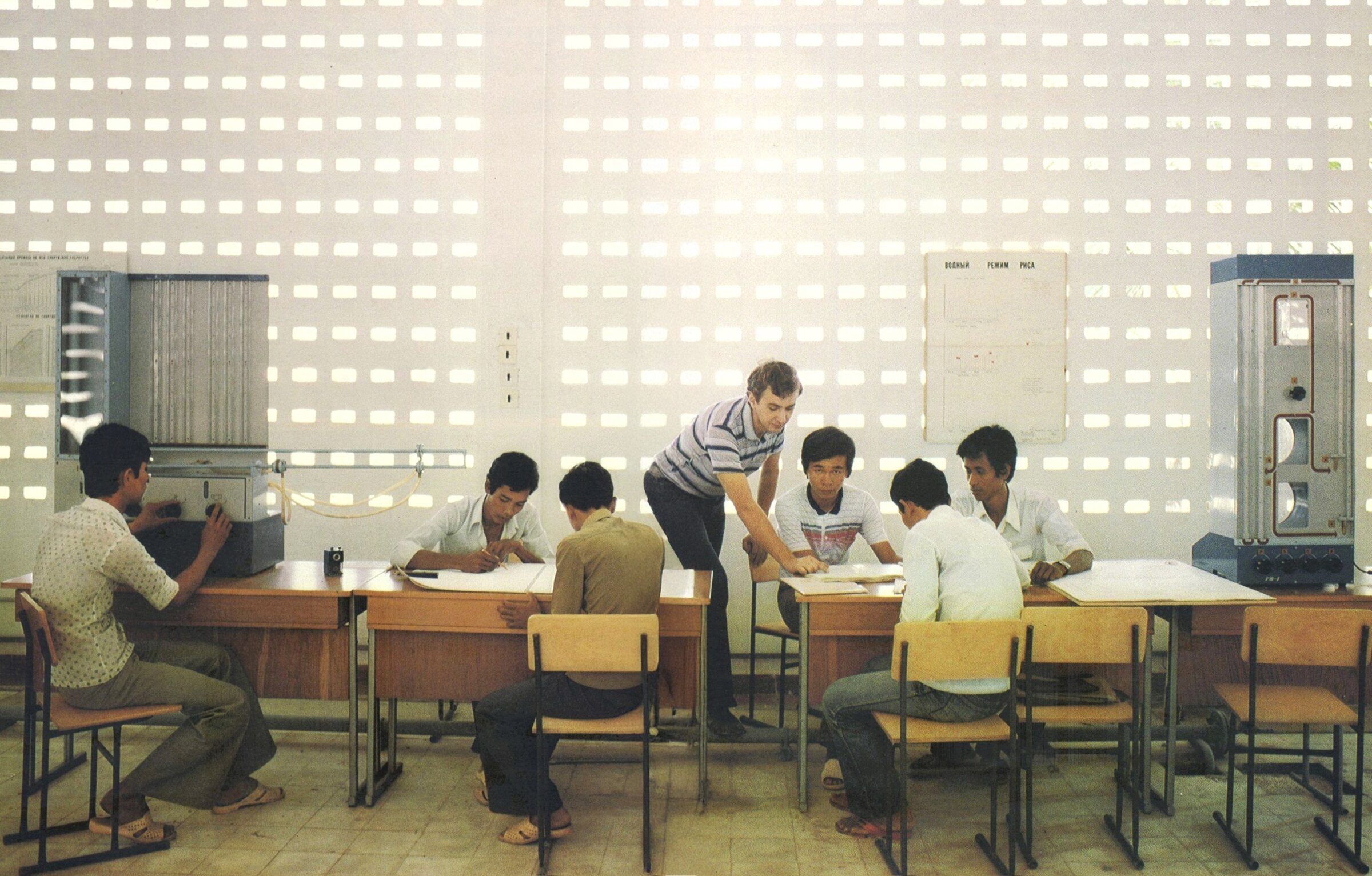
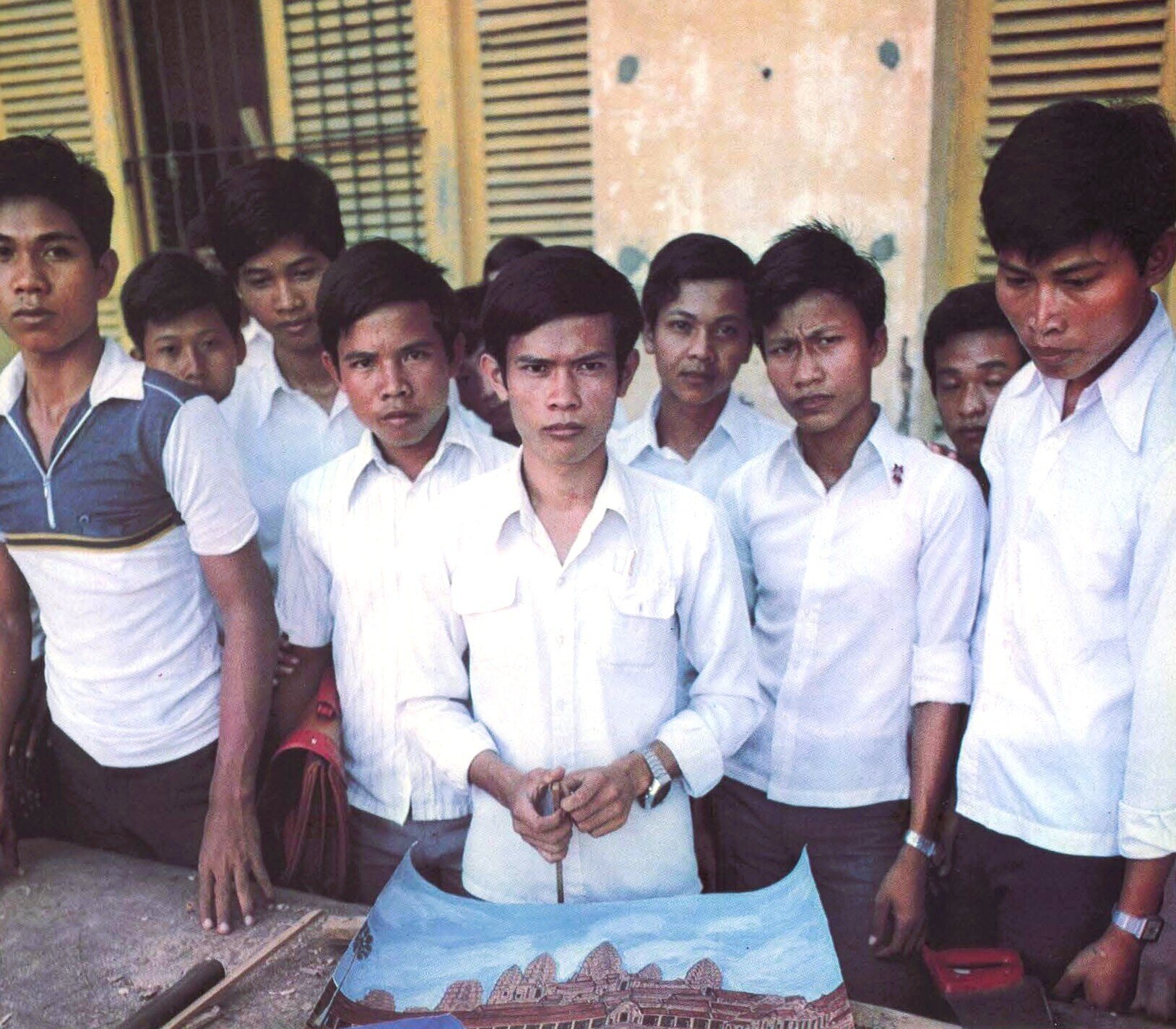
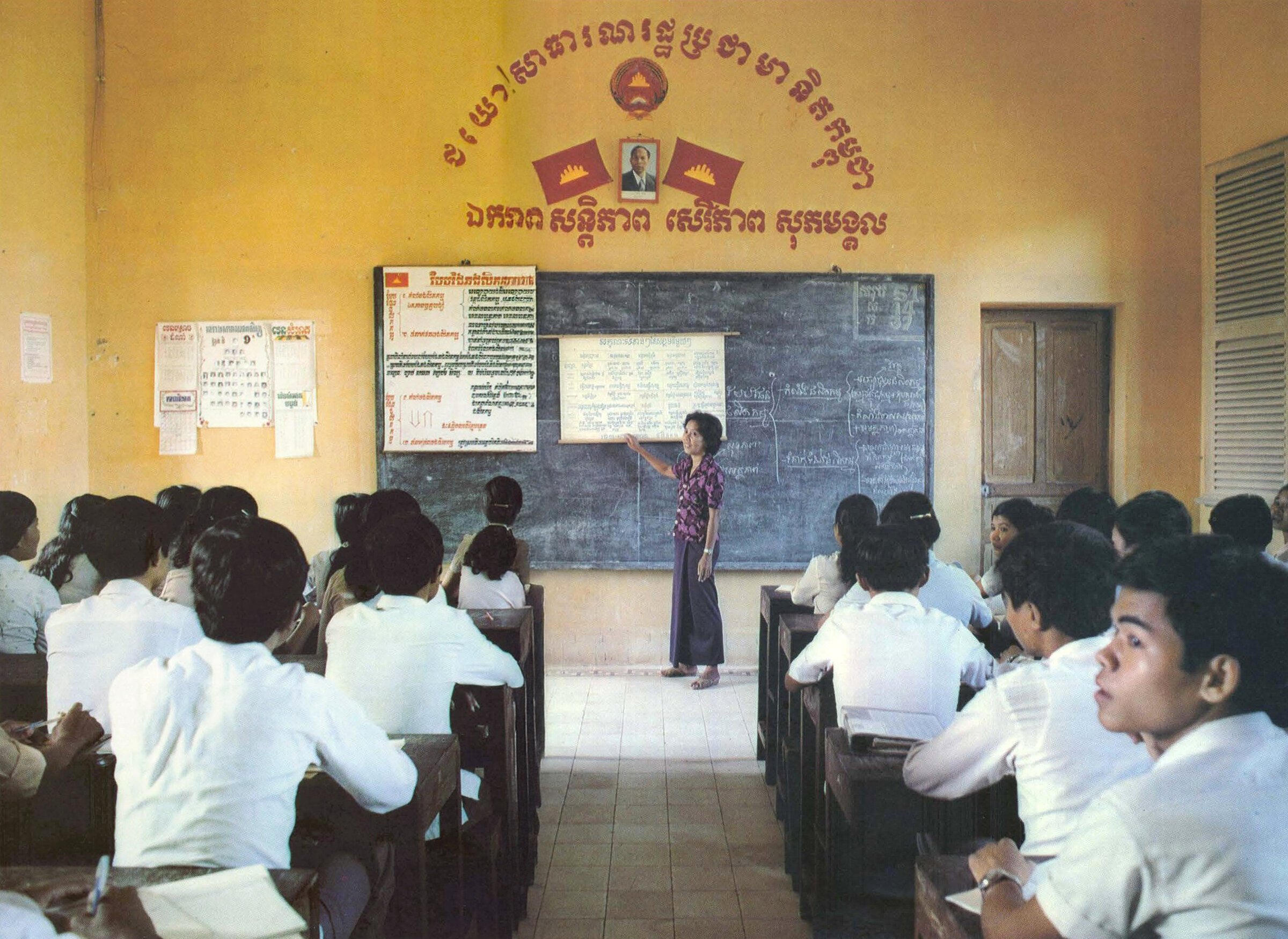
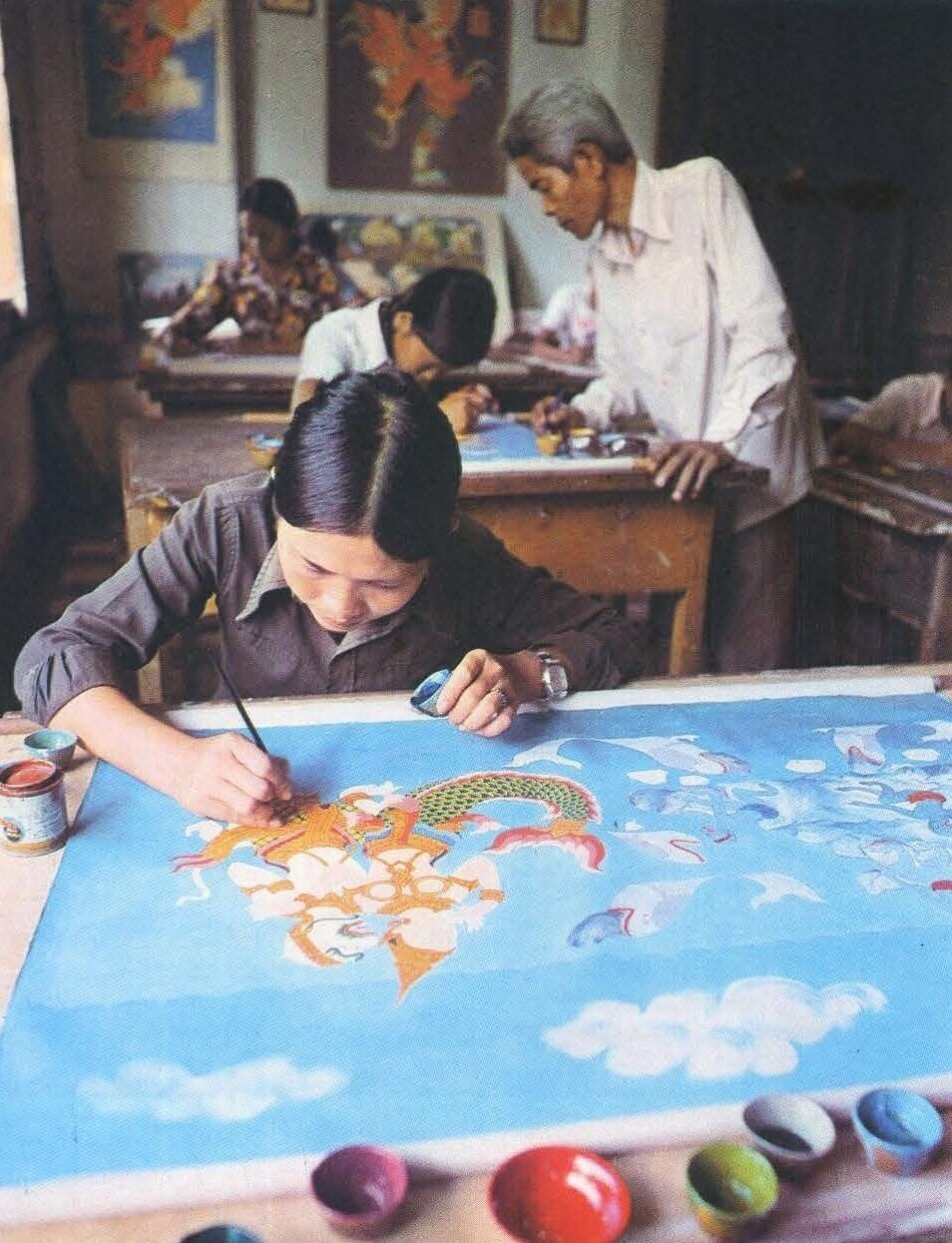
- Education: indoctrination was being replaced with general learning and acquisition of technical knowledge. To quote the caption of one photo [n 14 in our gallery], “ ‘We will not allow the return of the bloody hydra!’ say these young men, whose childhood was shattered by Pol Pot’s régime.”
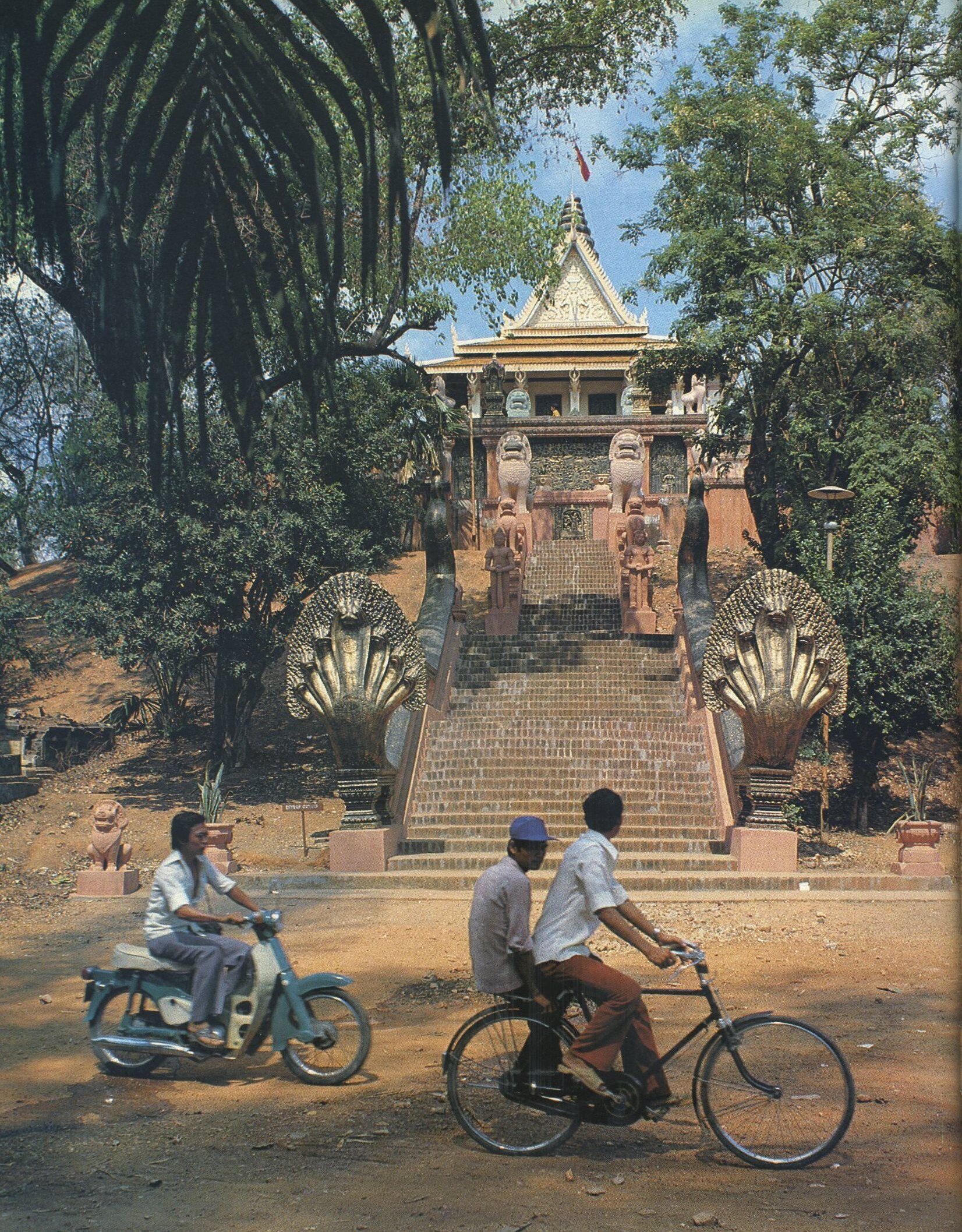
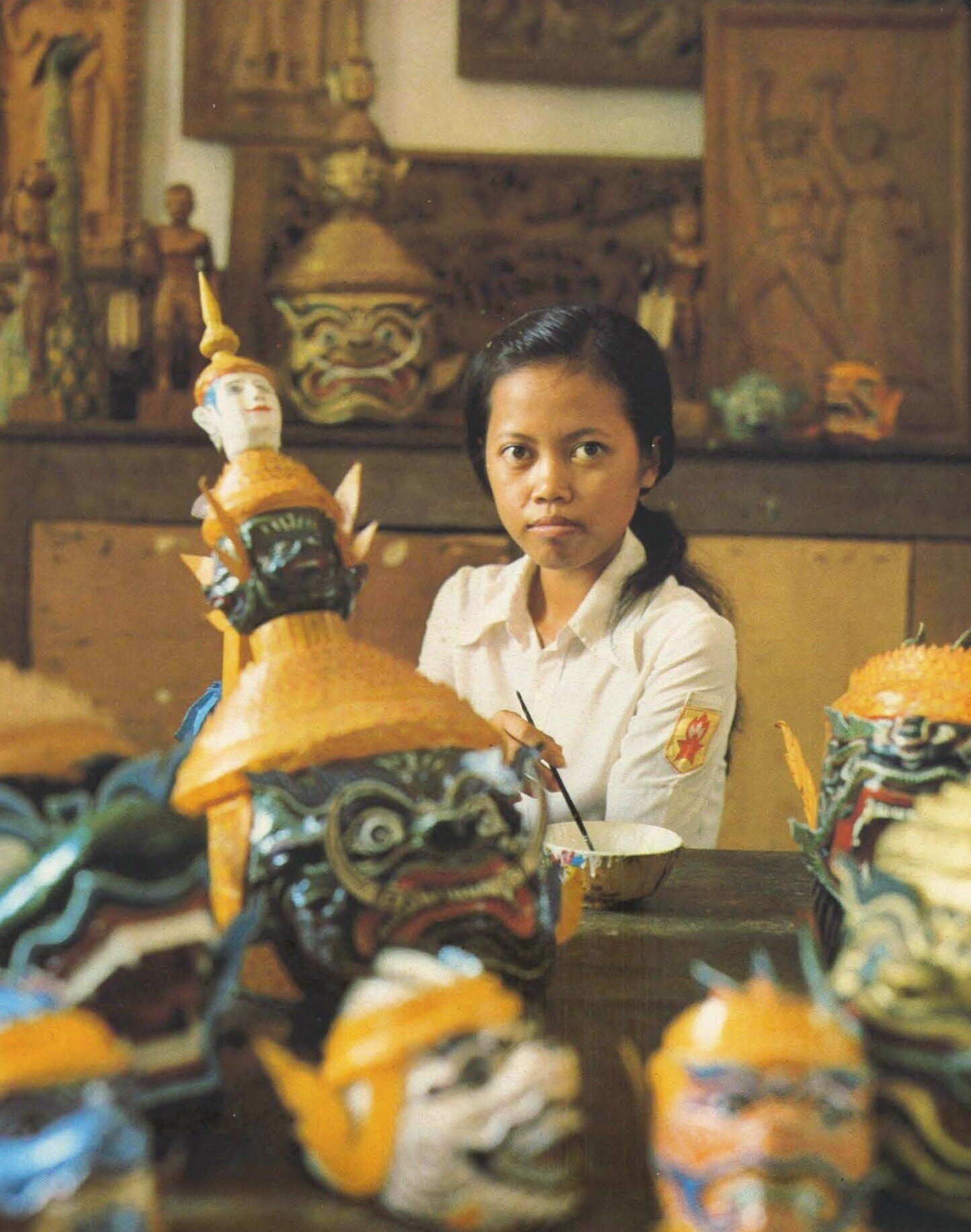
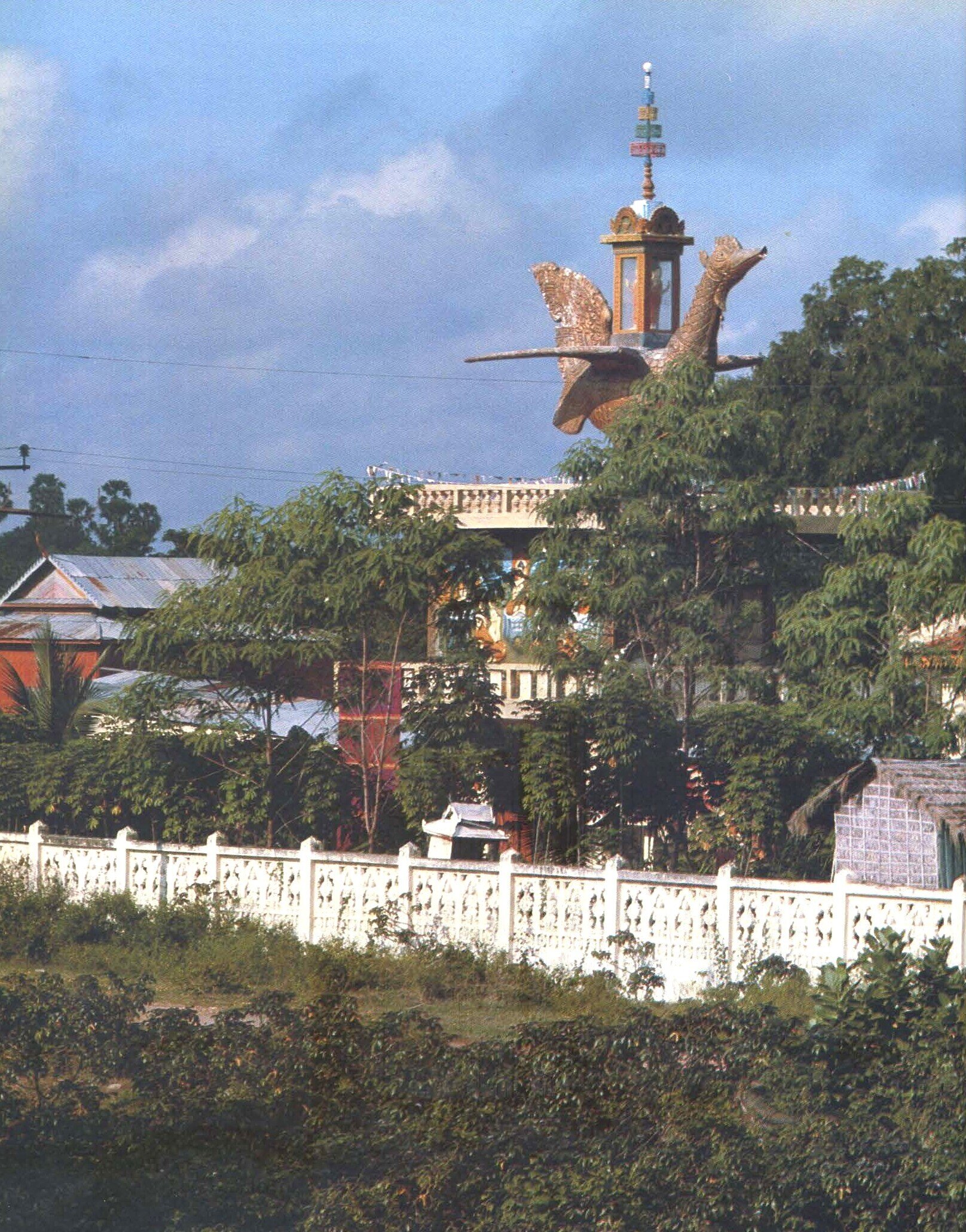
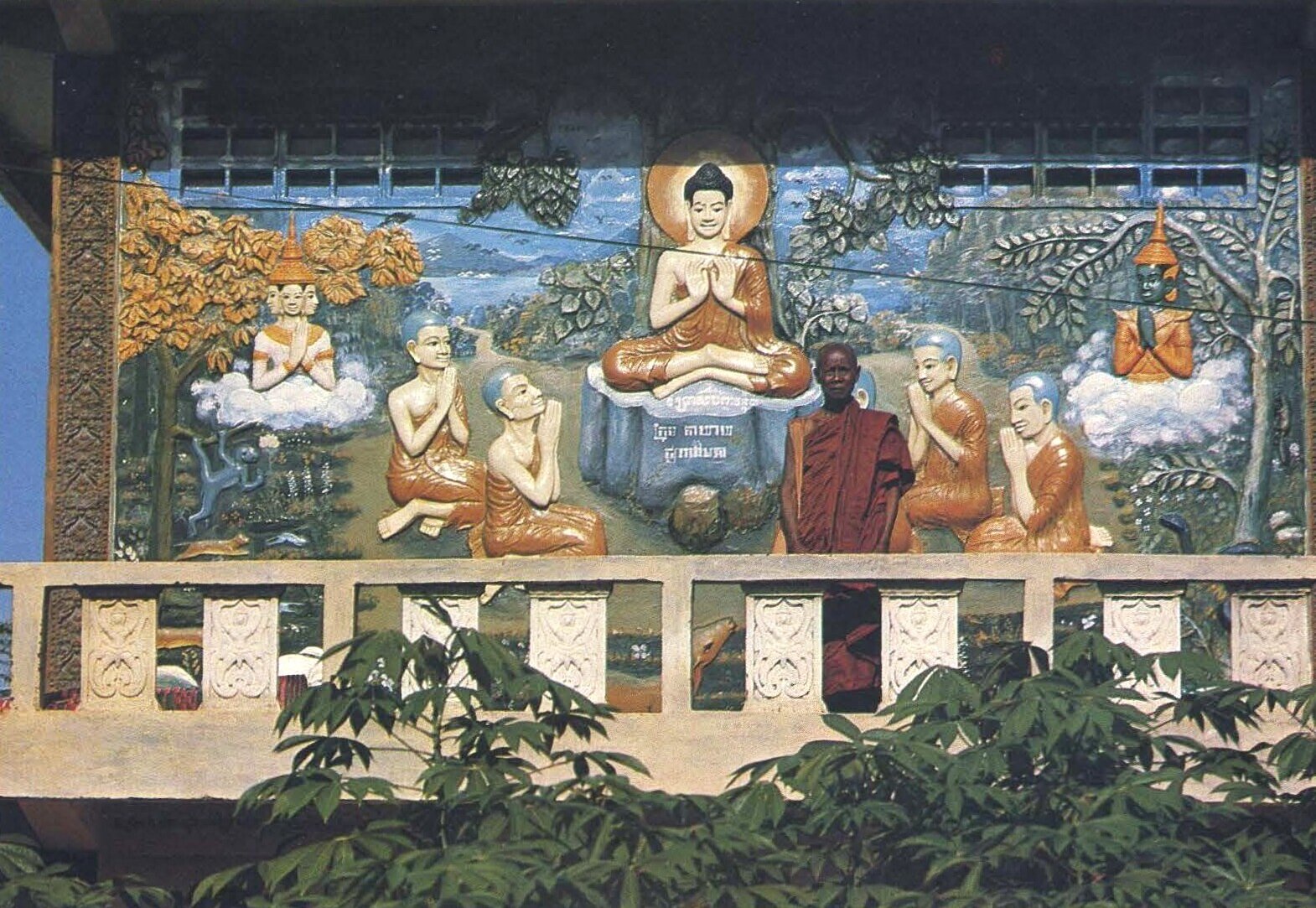
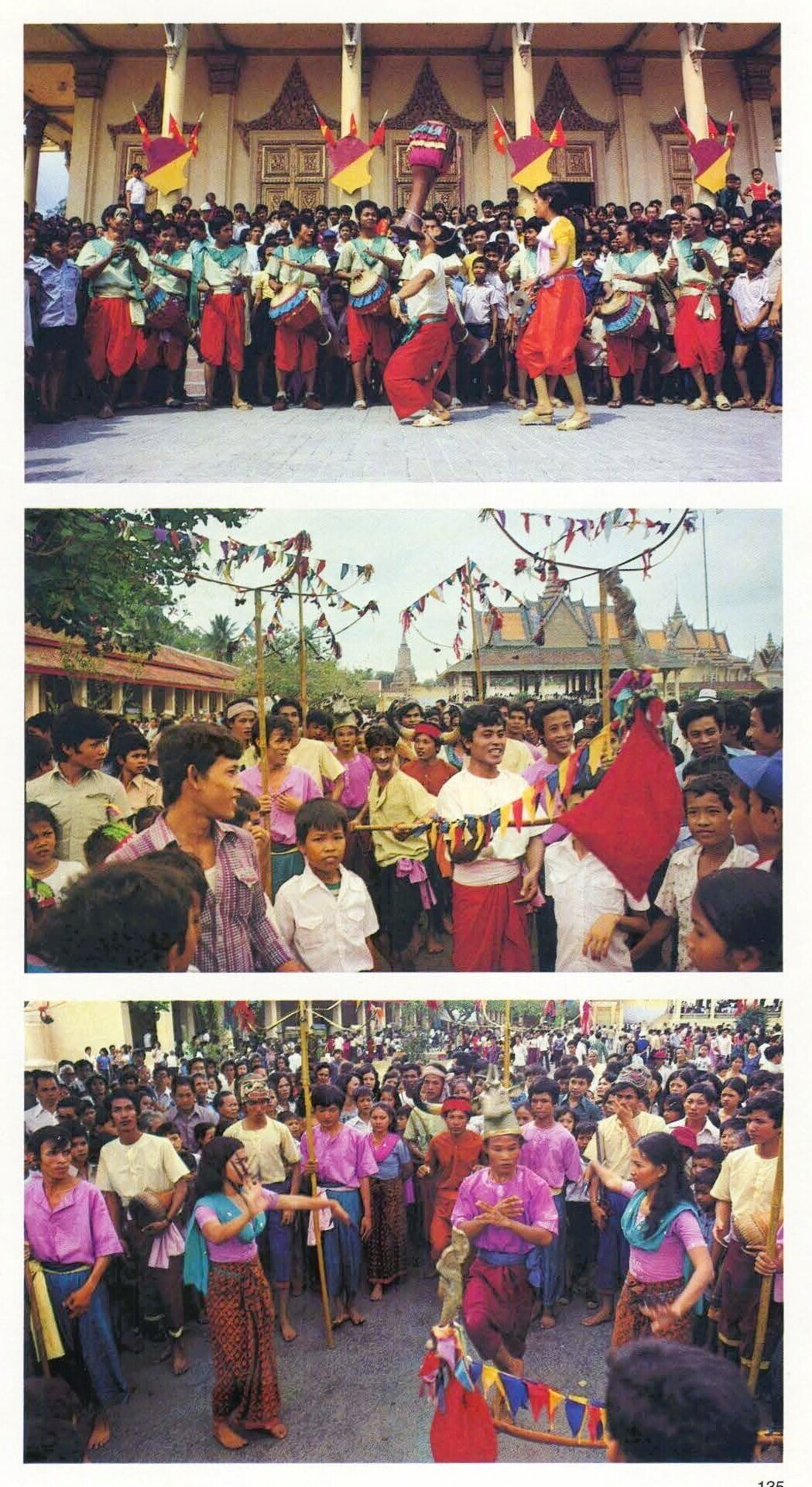
- Culture and religion: erased by the Khmer Roug, reclaimed now in public and private lives.
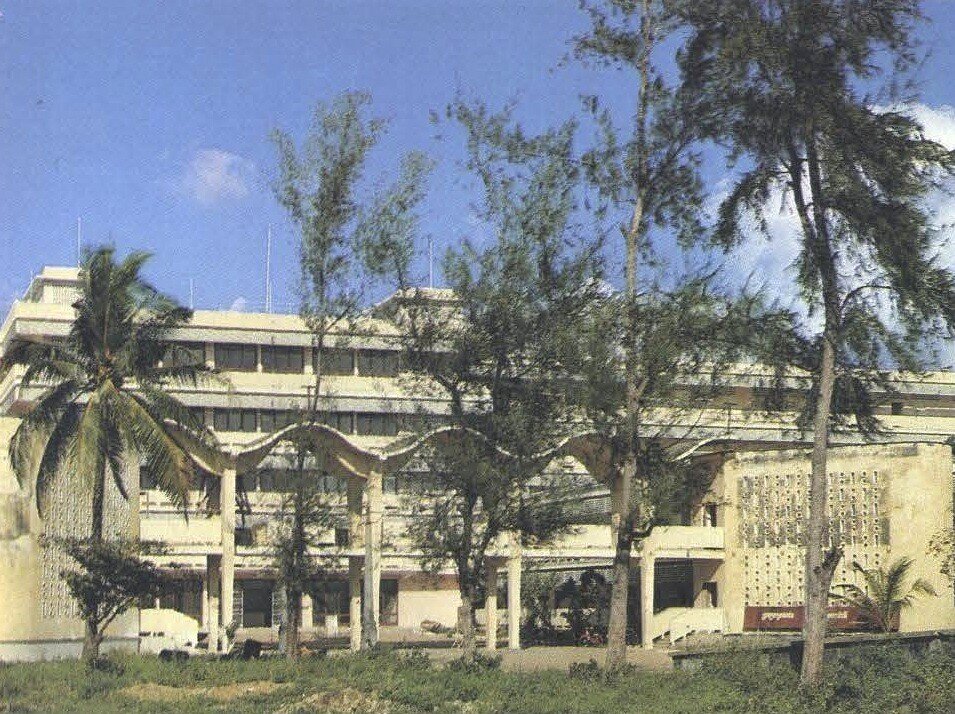
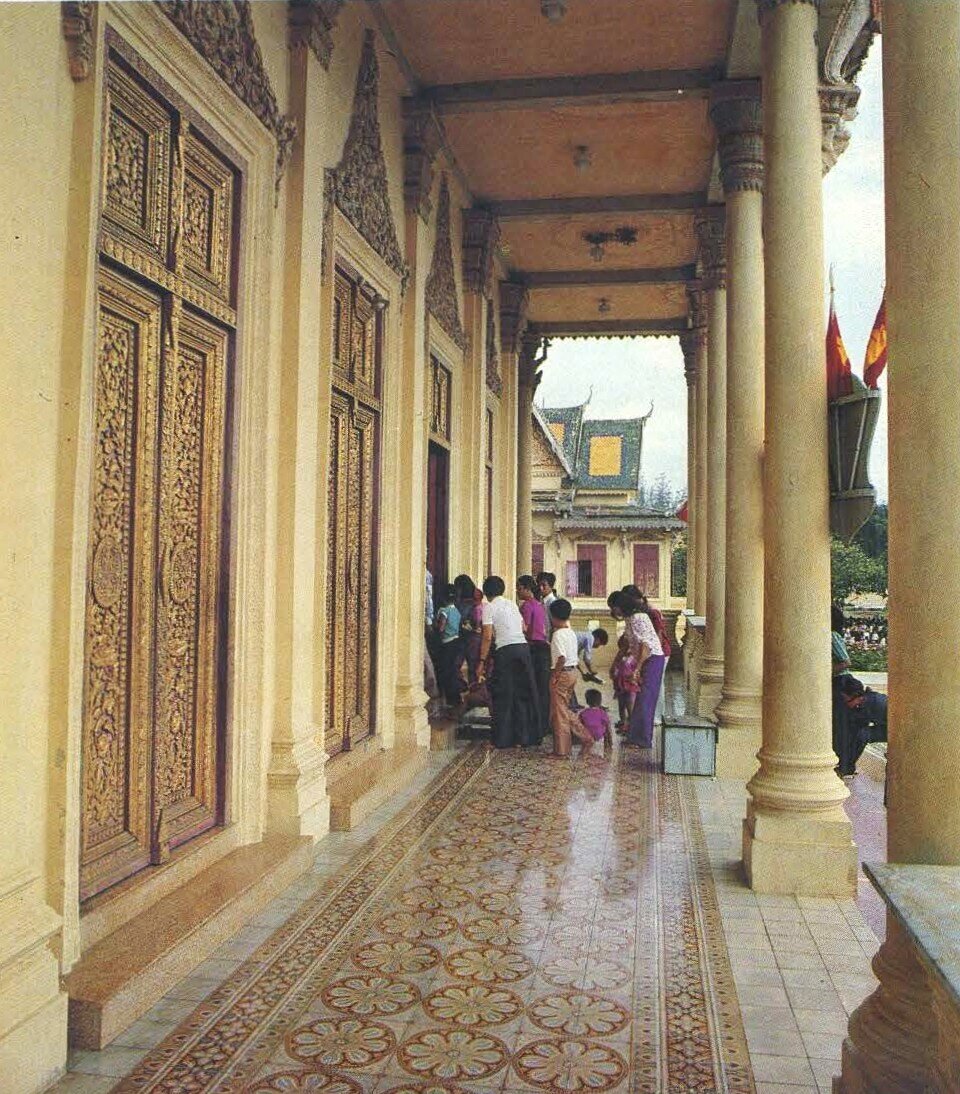
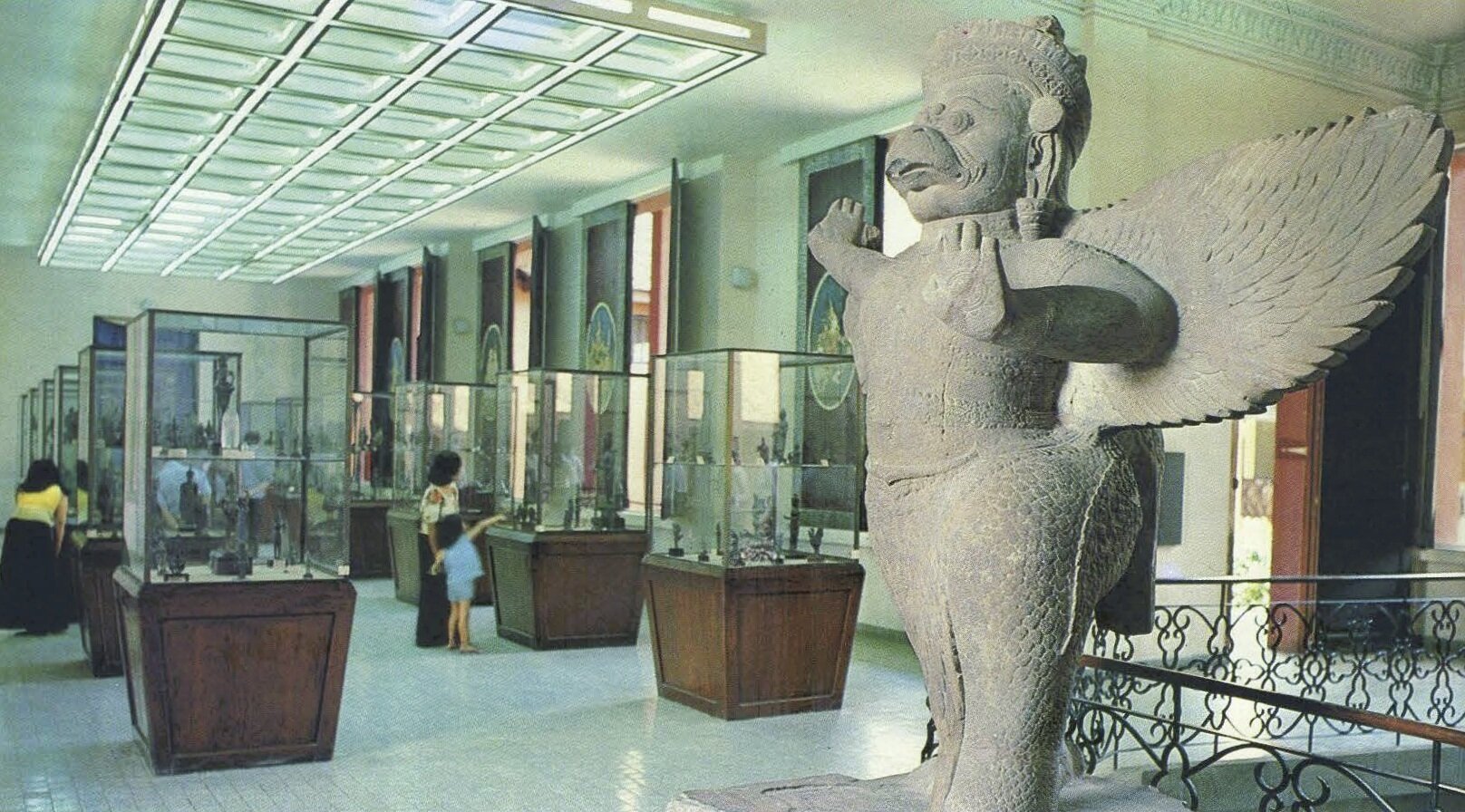
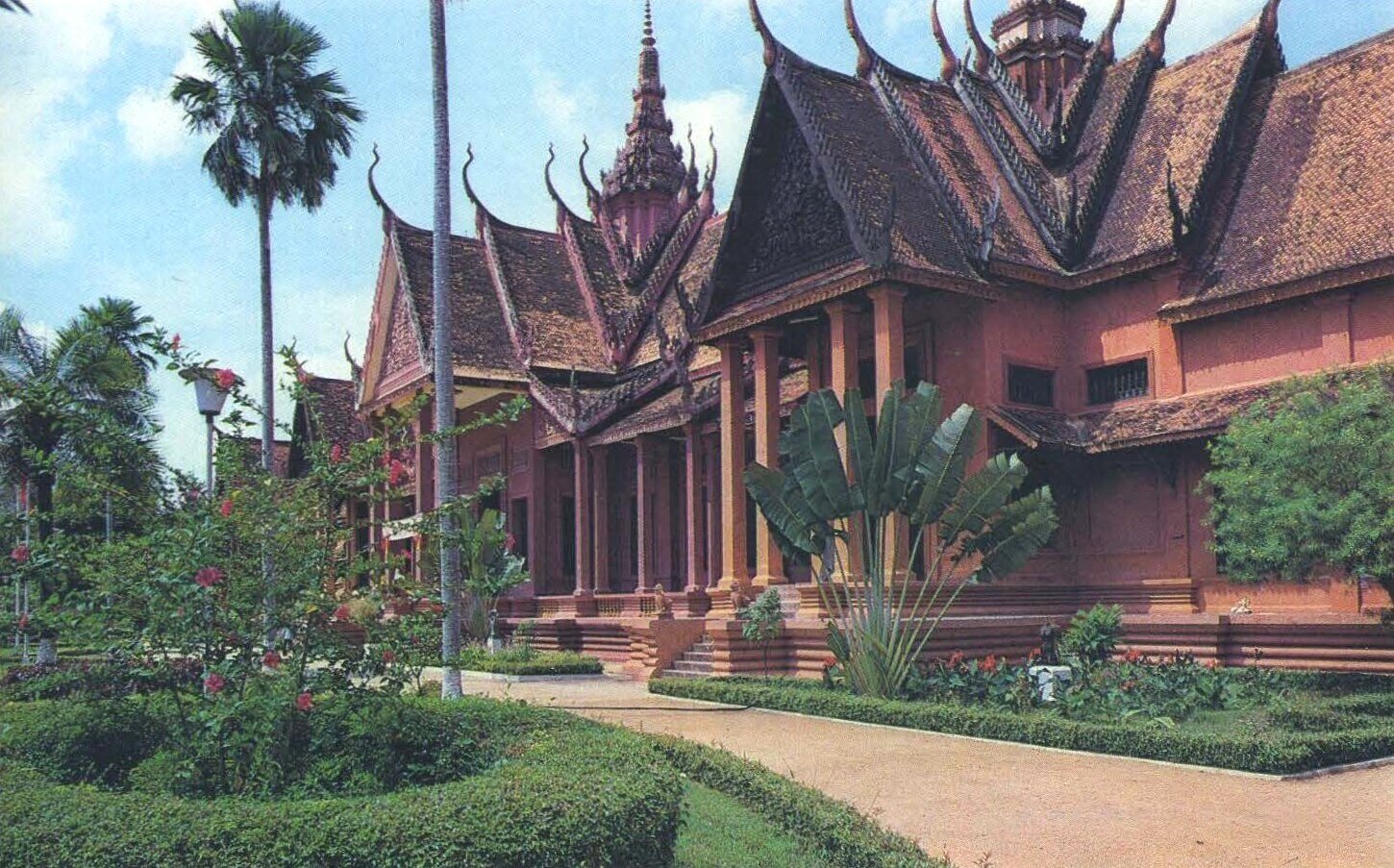
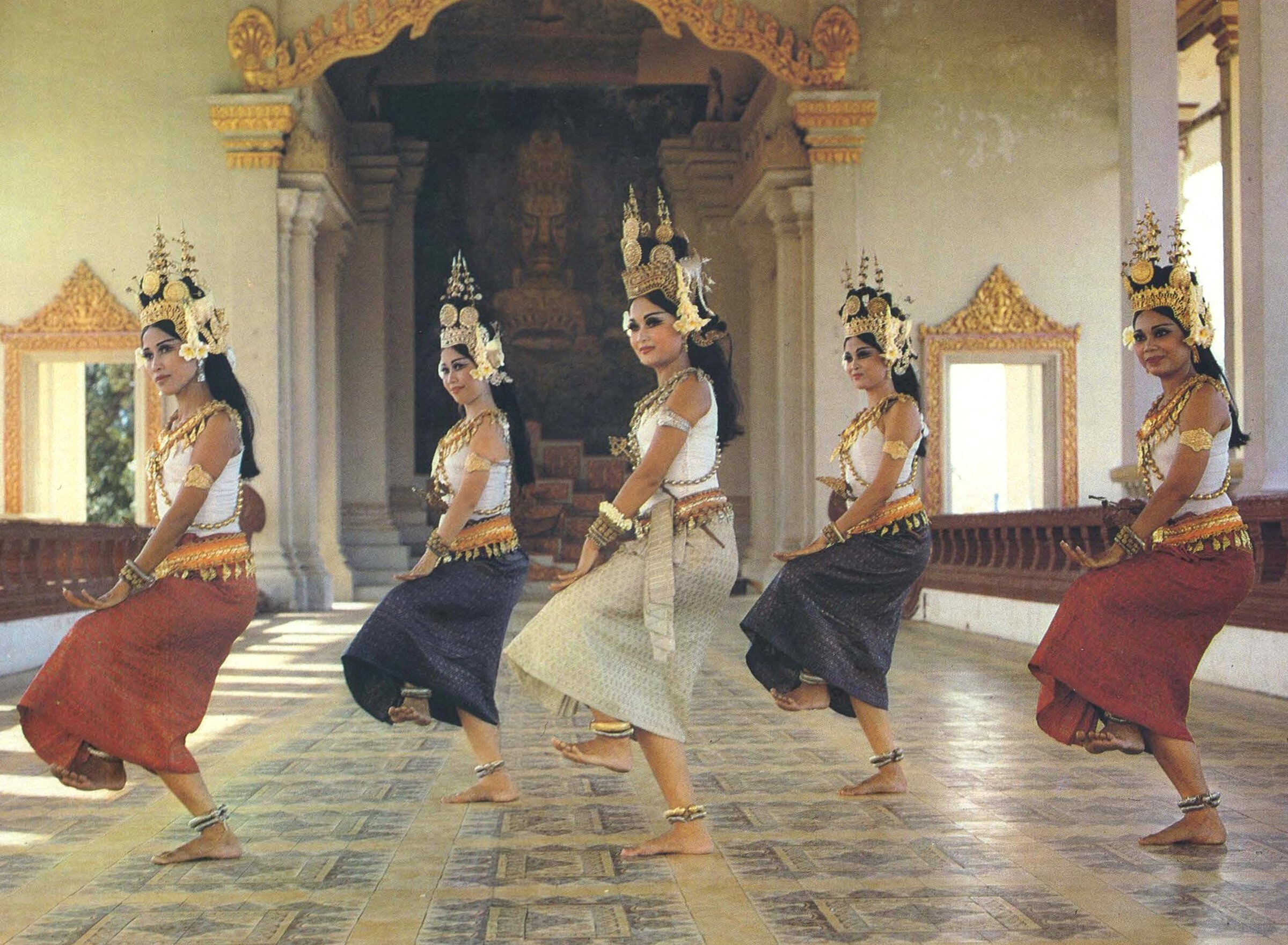
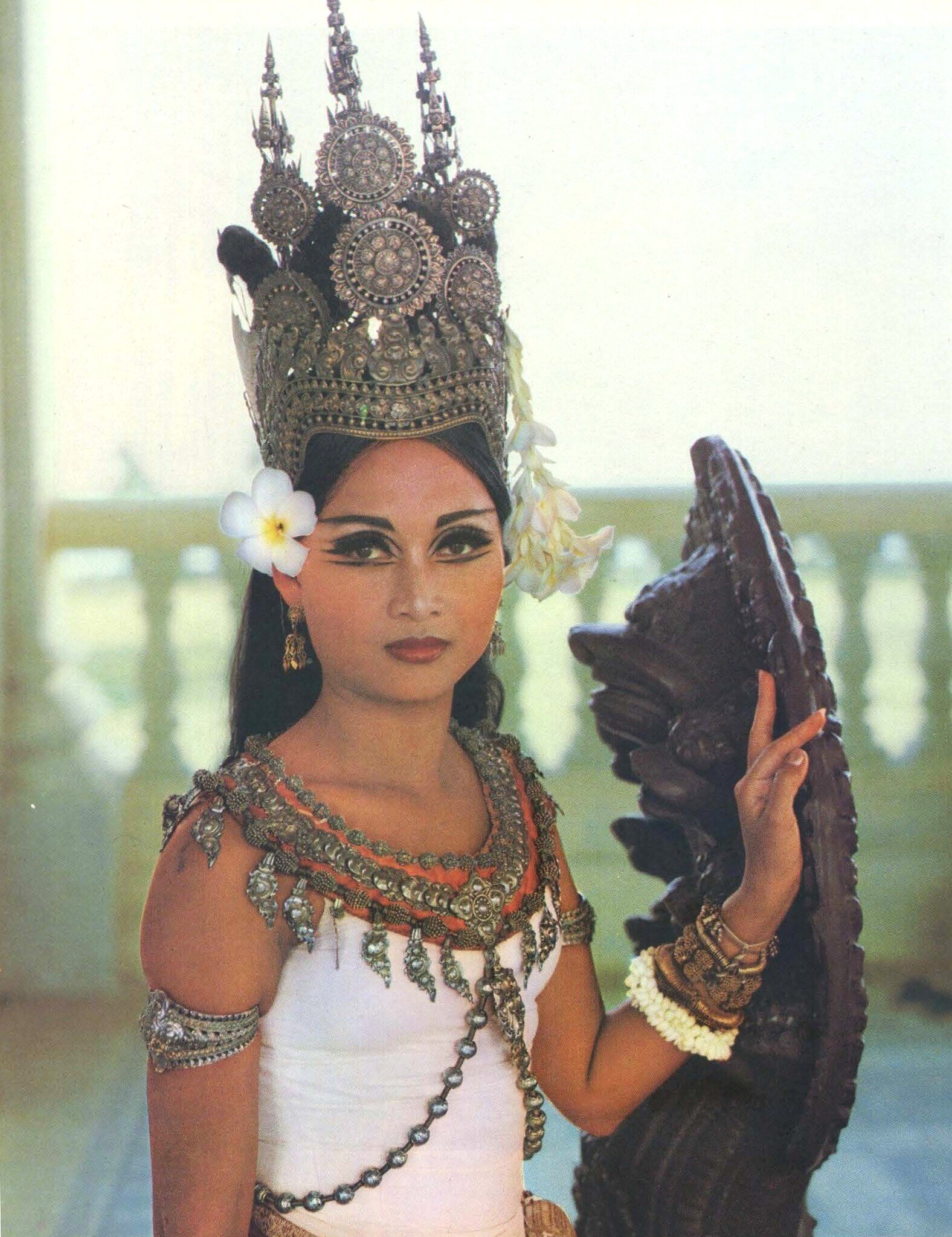
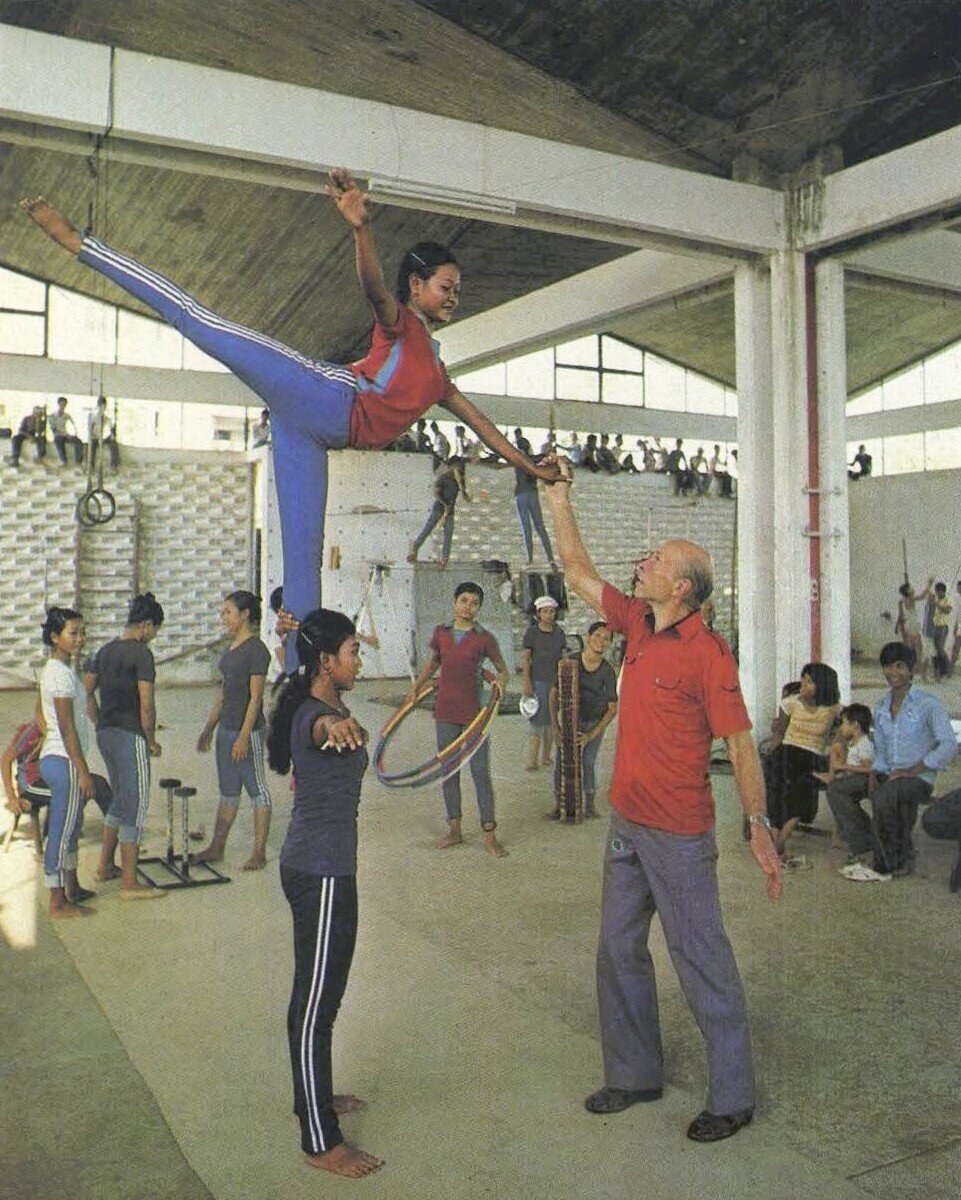
- “Rebirth of the Apsara”: learning again the ancestral motions (but the process would really pick up only after the return of Princess Buppha Devi in 1991). This rebirth includes the preservation of the artistic heritage, and we have here rare photographs of the National Museum of Phnom Penh shortly after its reopening.
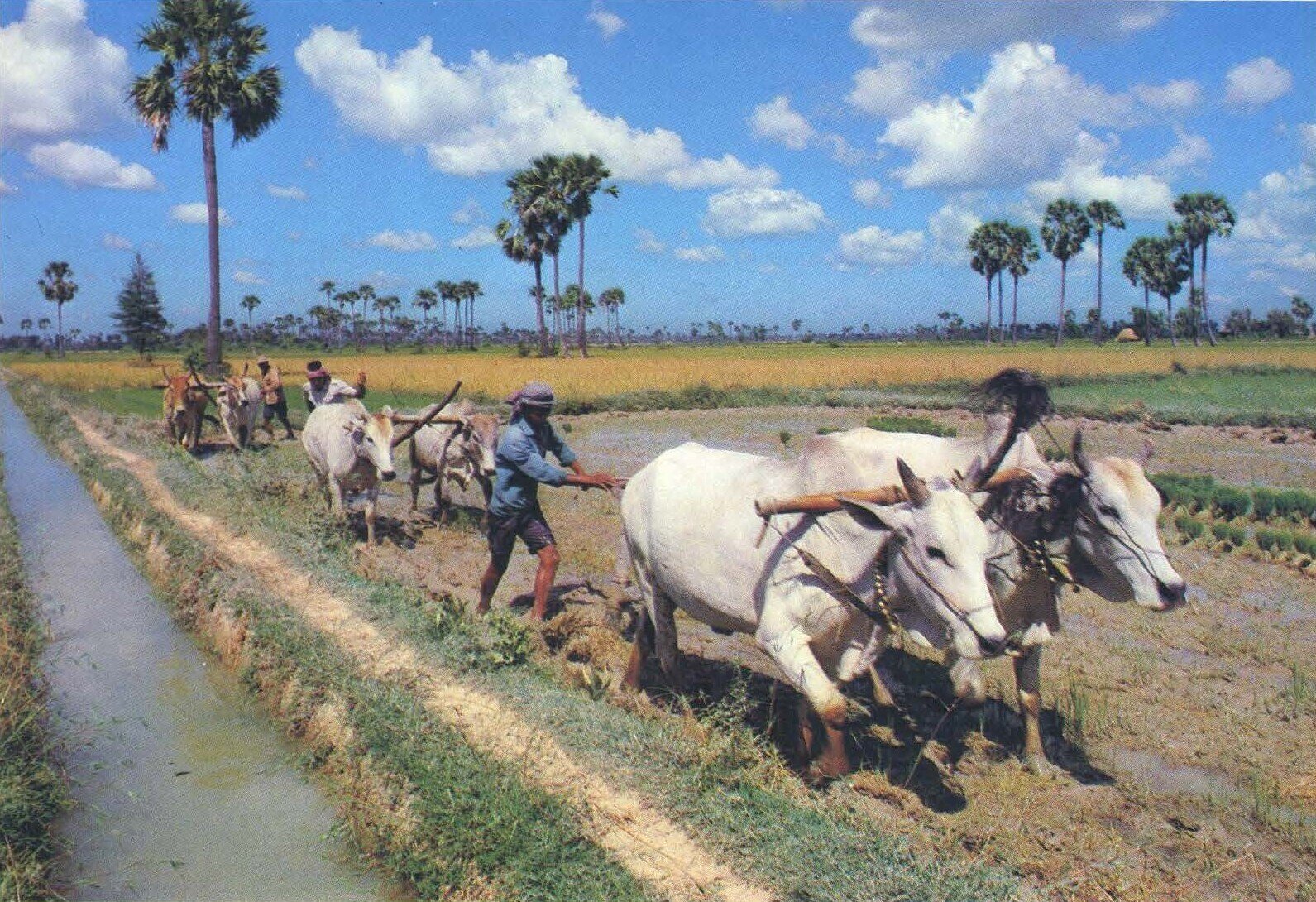
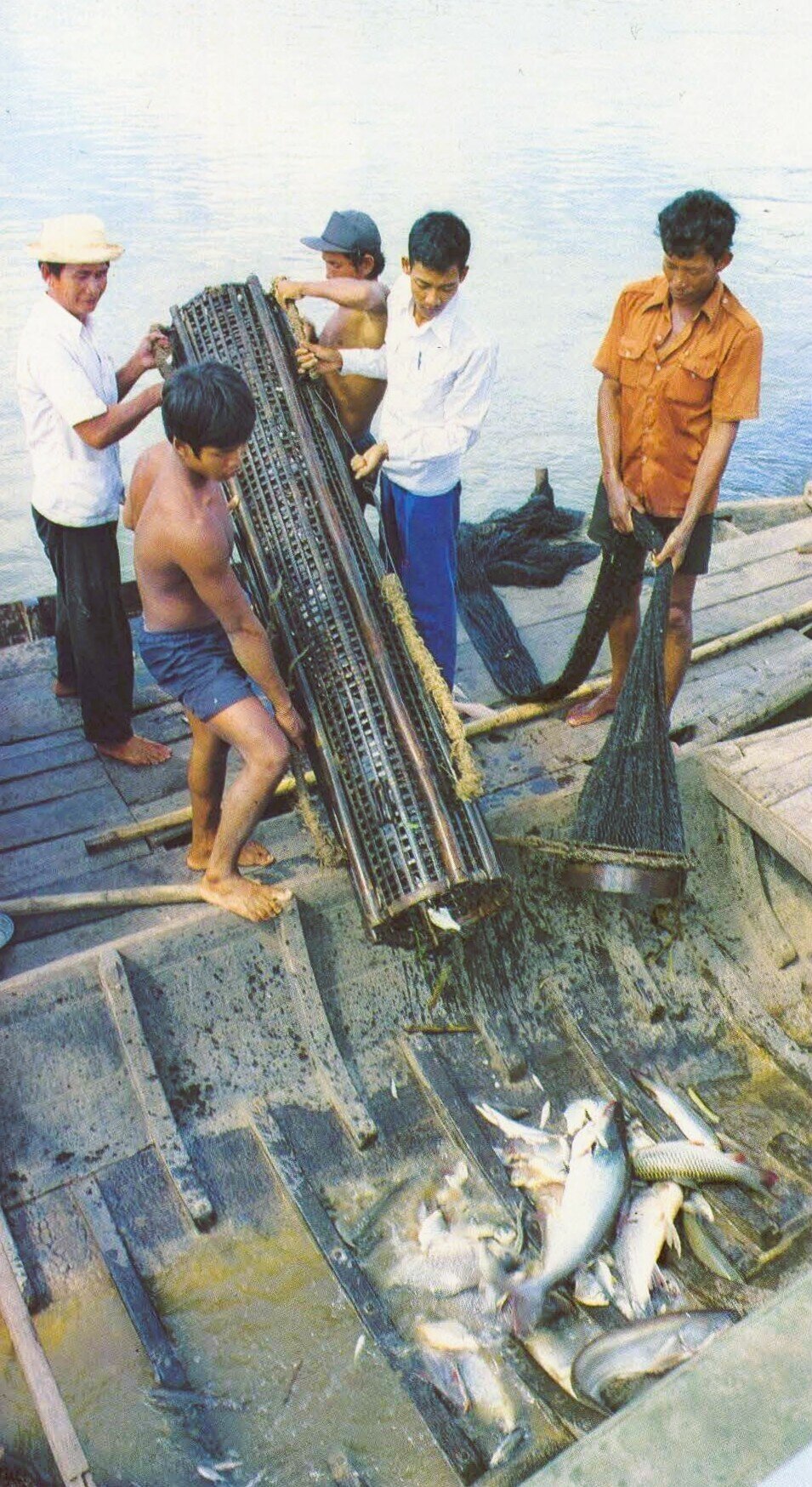
- Farming, fishing, industry: or how does an entire country goes back to work not under duress but willingly. The photographs couldn’t hide the lack of infrastructure, and the scarcity of technology. One caption reckoned quite candidly: “The future “drivers” of the “carrying machines” are these young people who come from farms. A few years ago, for the first time, they saw a tractor with a difficult-to-pronounce name like “Belarus”. Now they know the “Belarus” tractor like a close friend.”
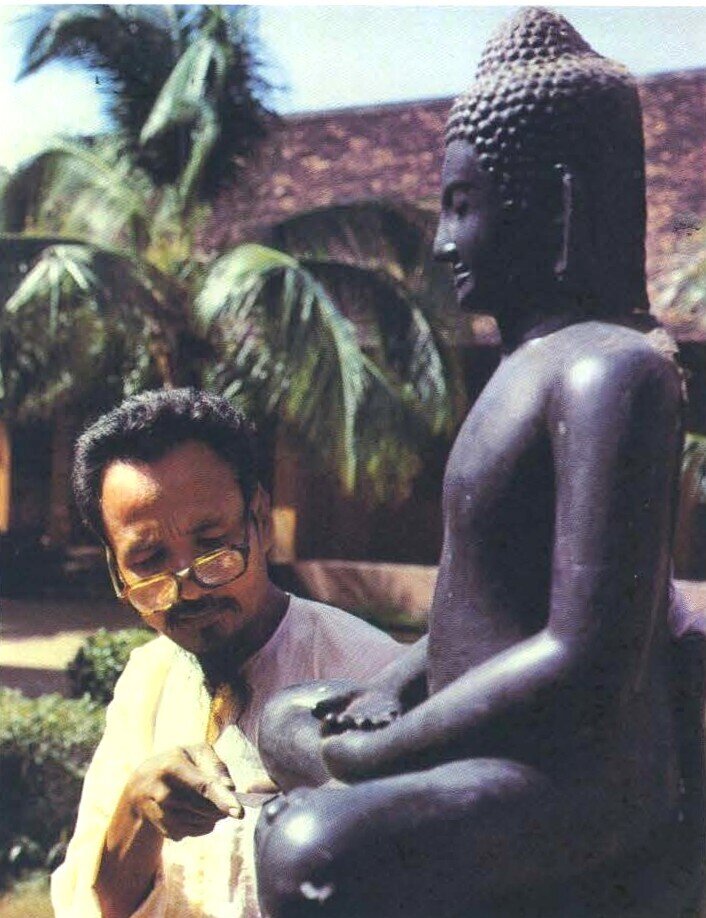
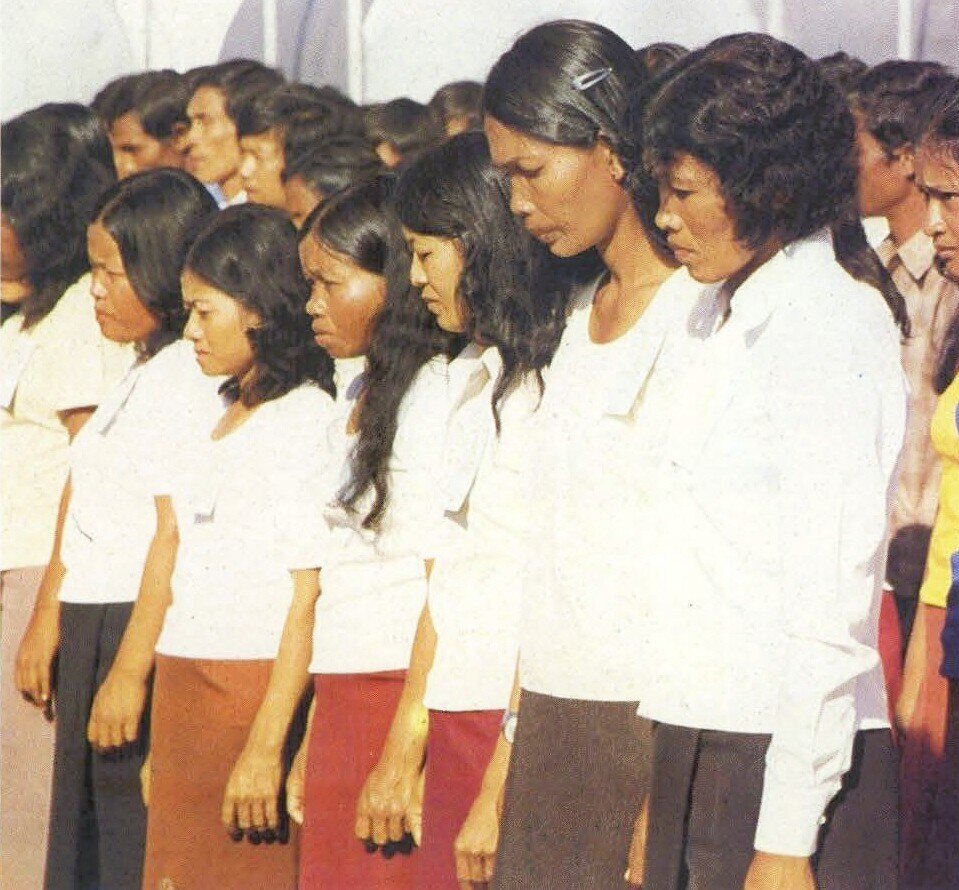
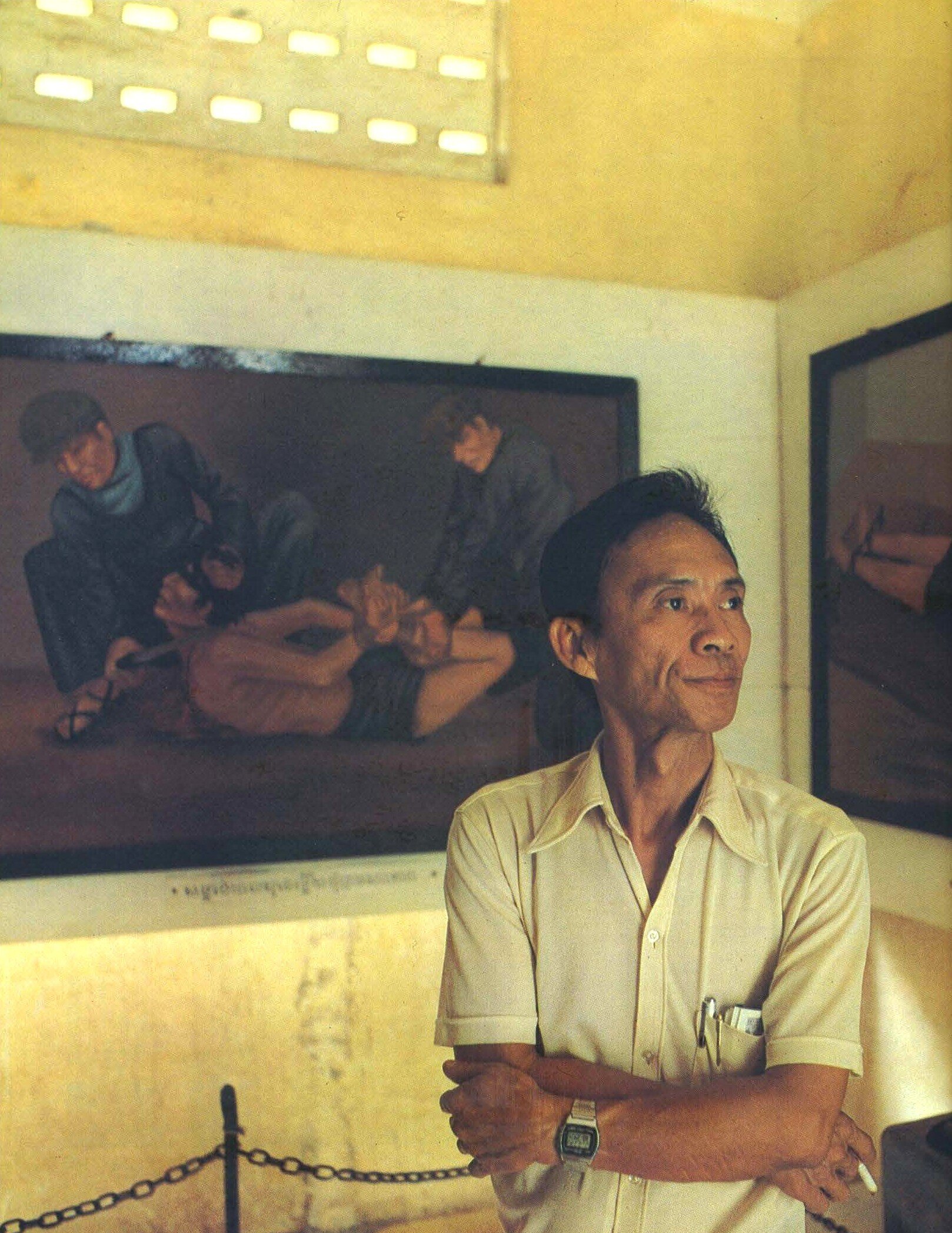
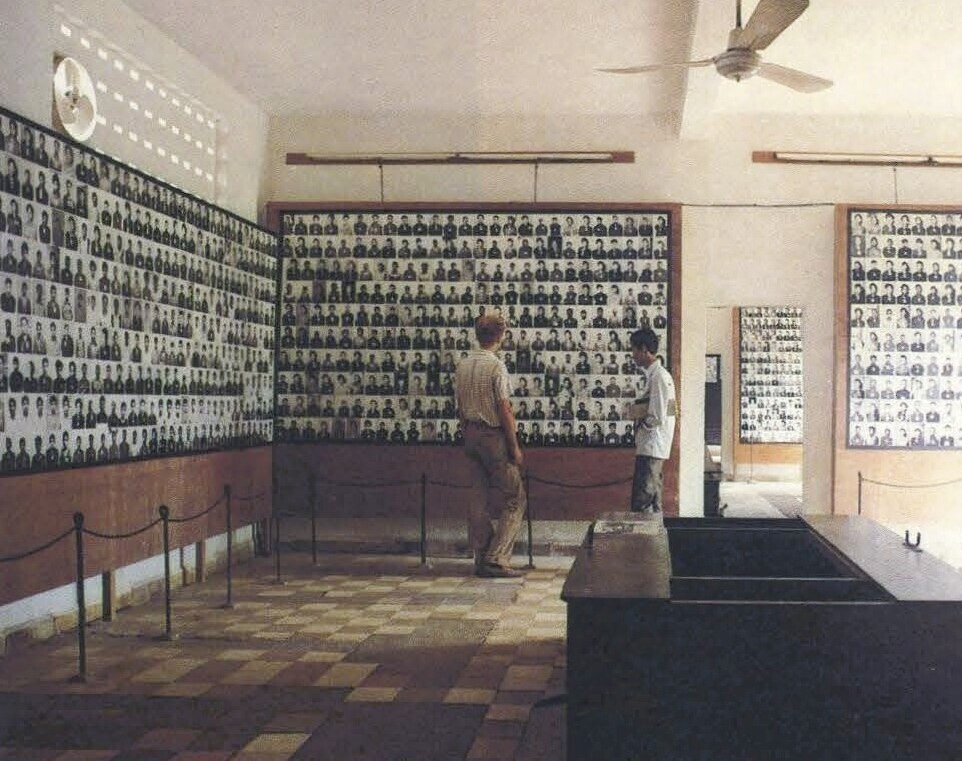
- Remembering the dead: a necessary, harrowing task as the people still alive couldn’t properly pay respect to the remains of the deceased and help their karma to go past dreadful suffering. Strikingly, the few individuals named in the photo album were met at the recently founded Tuol Sleng Museum, notably the artist Vann Nath វ៉ាន់ណាត -then known as Heng Nath, as attested in the reports of the Center of Documentation for Cambodia (CDC). Vann Nath (1946 – 5 September 2011) was among the only seven known adult survivors of S‑21 camp, where 20,000 Cambodians were tortured and executed.
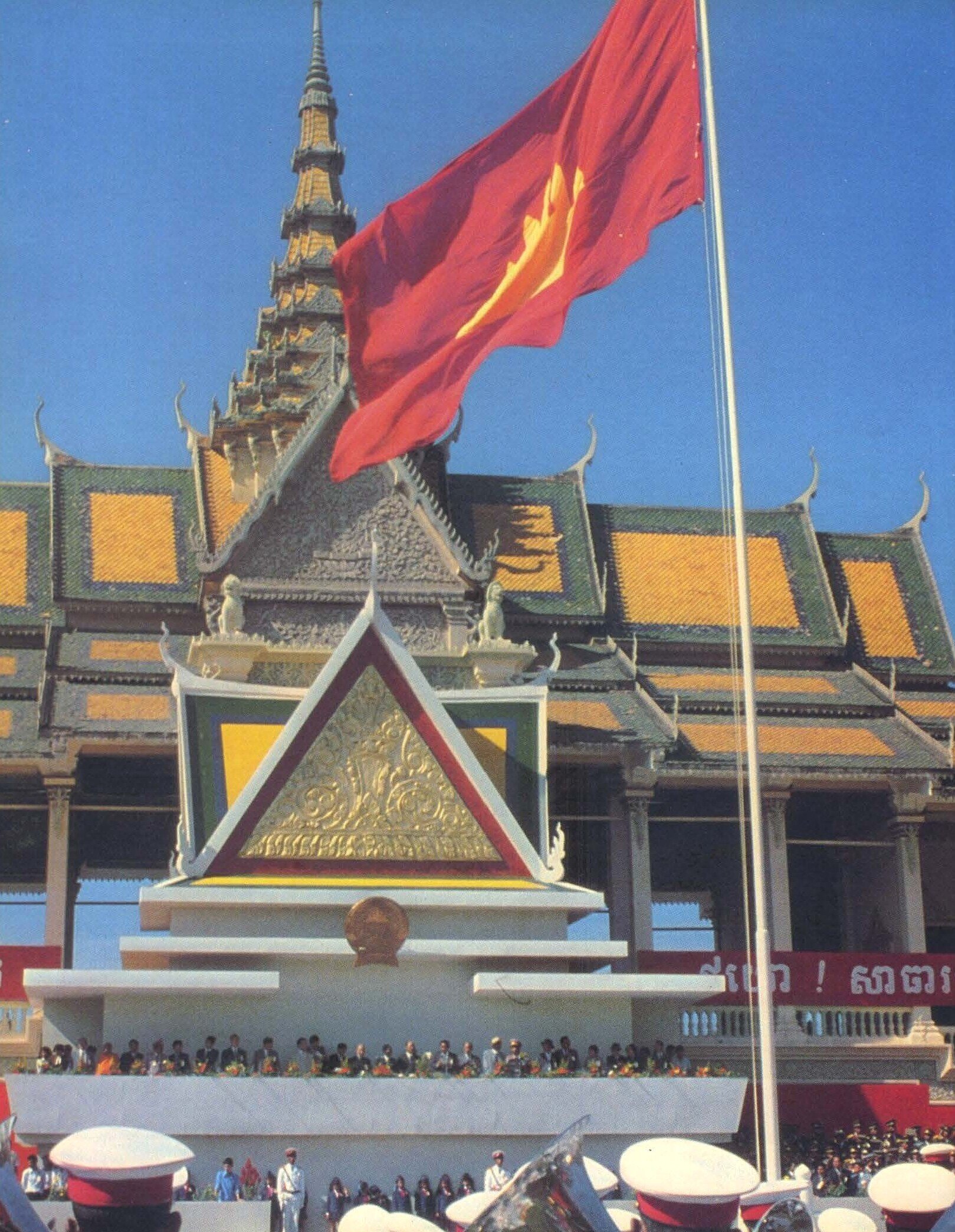
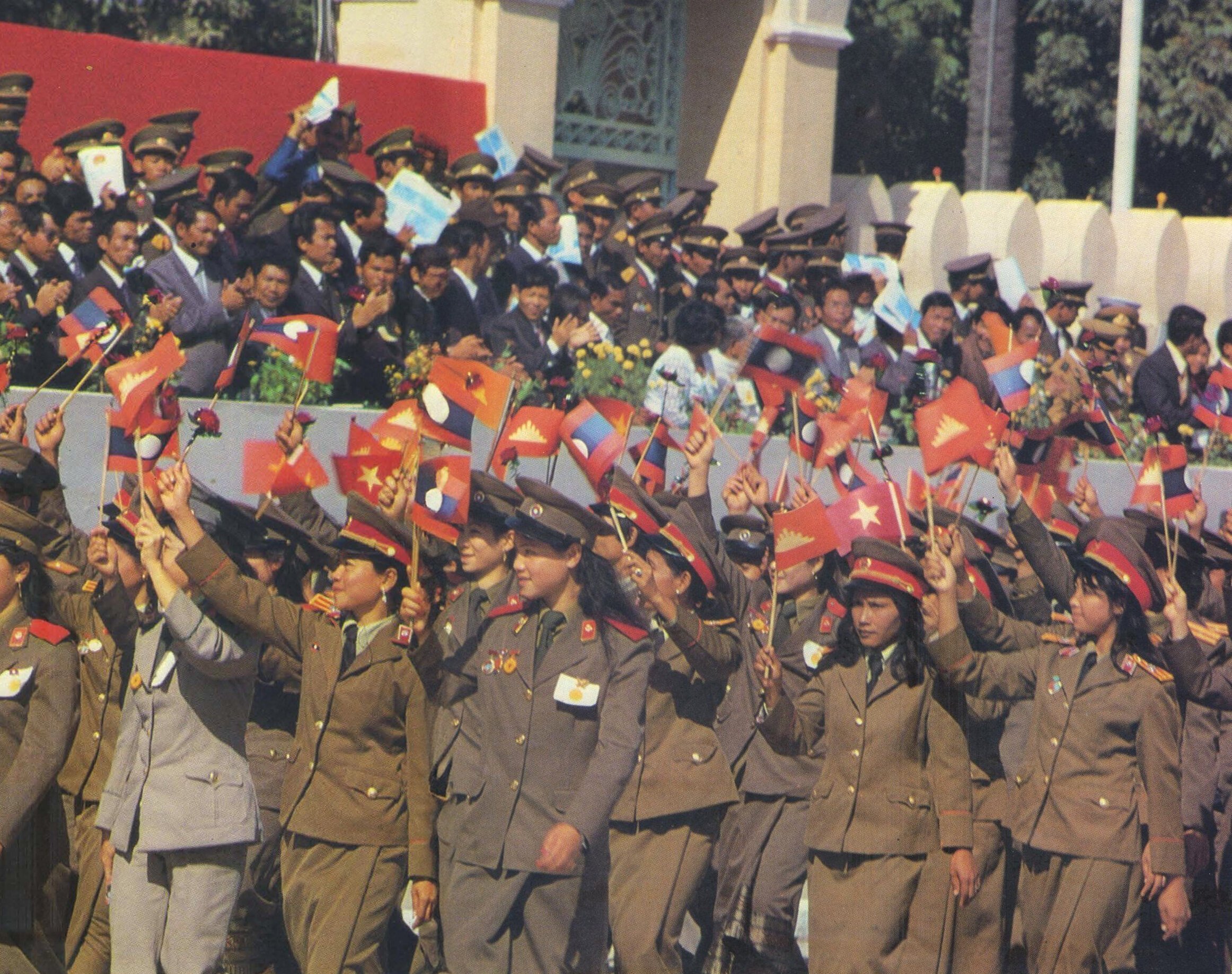
- ‘Shielding Angkor’: even as the Vietnamese troops were still in Cambodia, withdrawing in September 1989, the threat from Khmer Rouge irrendentists was still real, in particular along the border with Thailand, and the government attempted to rebuild a regular army. Hence the definitely martial tone of the 1984 parade commemorating the 5th anniversary of the People’s Republic of Kampuchea, with a tribute in pure Soviet style erected right in front of the (“former”, as it was called until the return of King Norodom Sihanouk in 1991) Royal Palace. At some point in the album, we read, “at two kilometers from the city of Aranyaprathet [a Thailand town around which were established the main Cambodian refugee camps] was established an operational headquarters called “Special Group Cambodia,” a group of the United States intelligence agency (CIA)”, seen by one of its leaders as “a continuation of our war in Vietnam.”
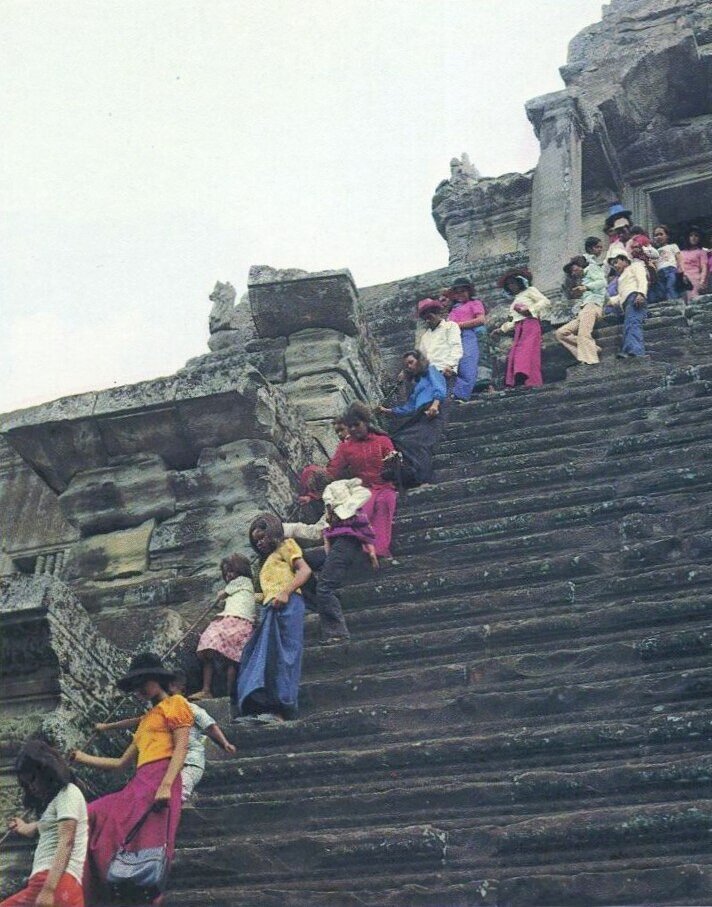
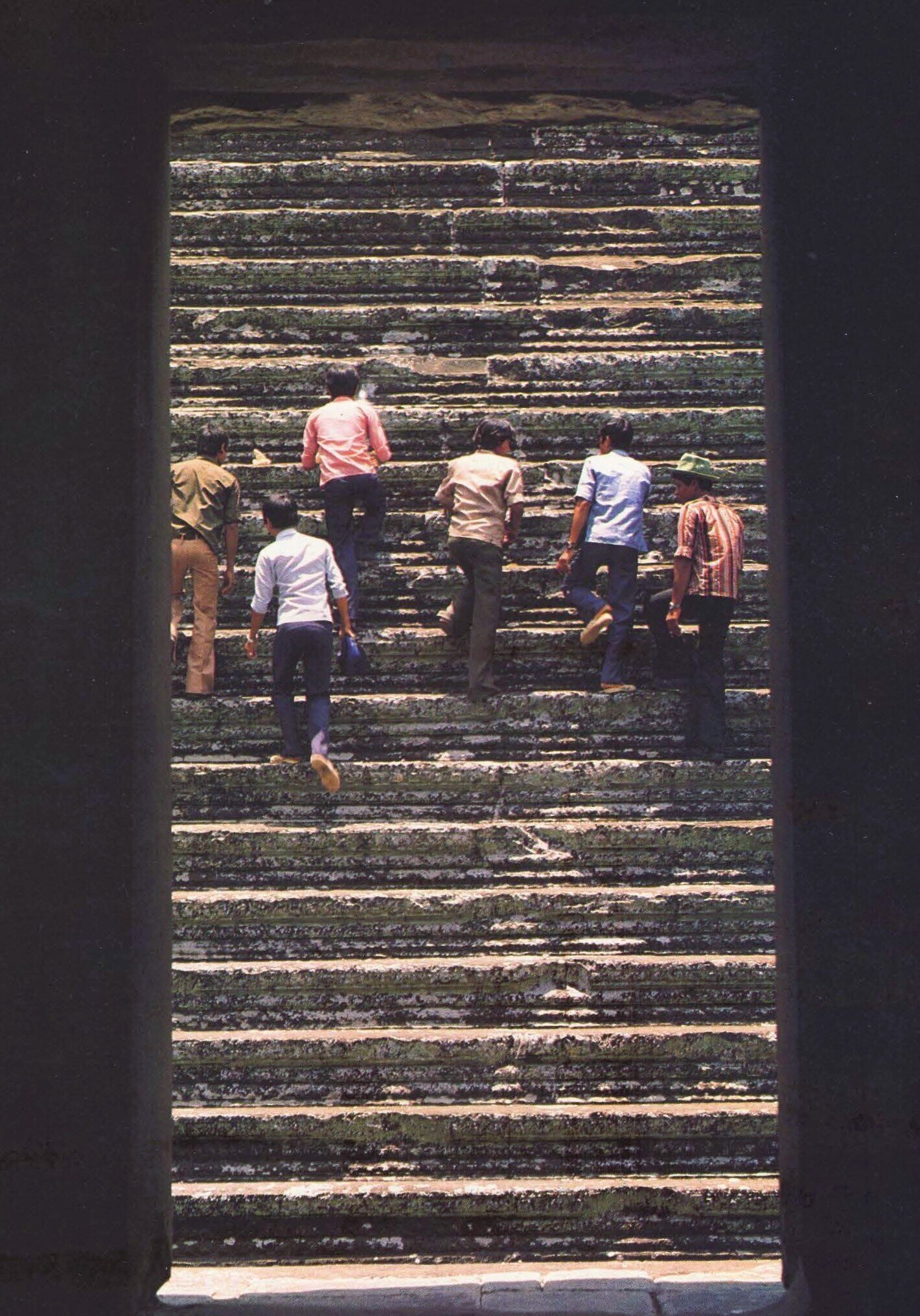
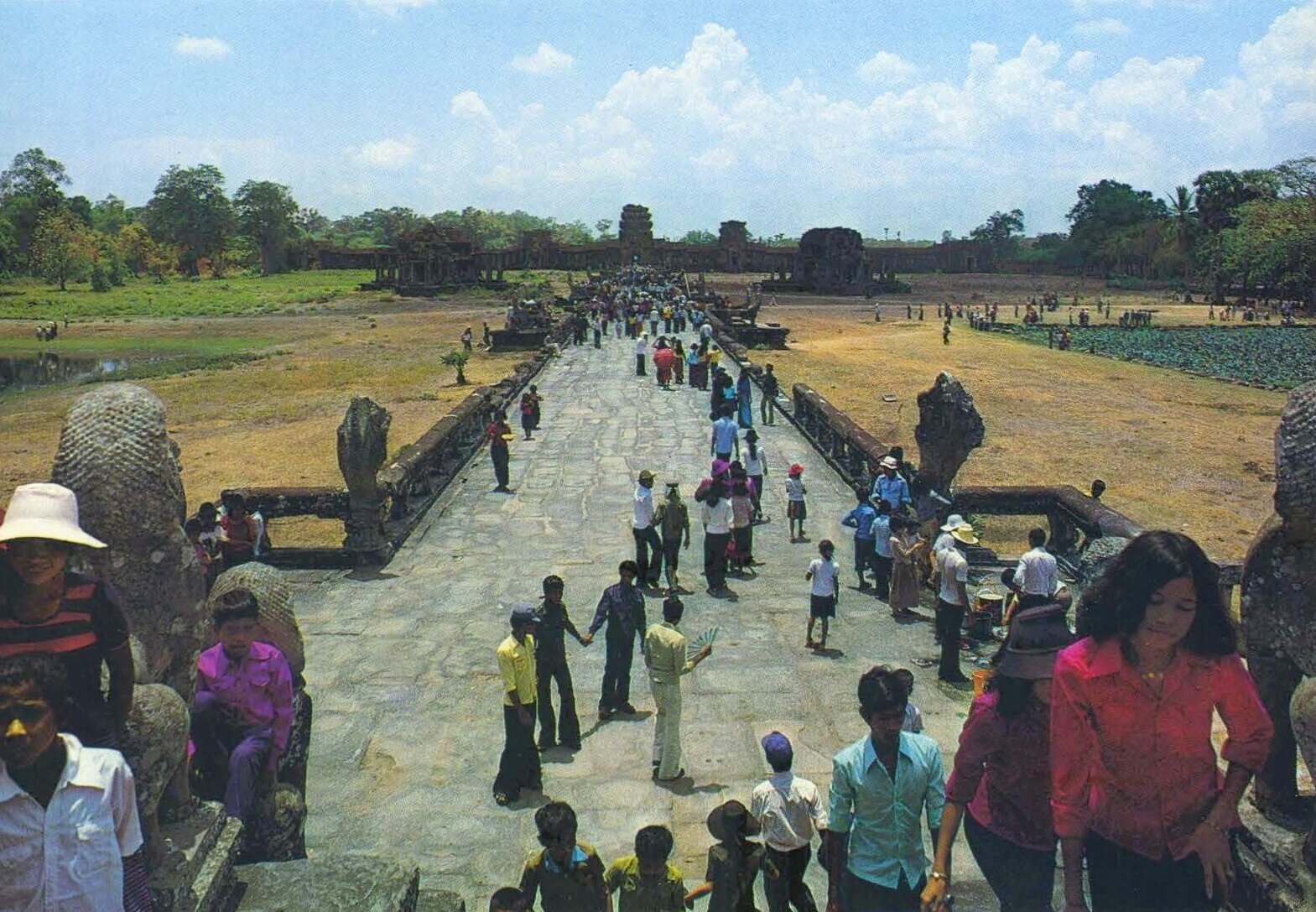
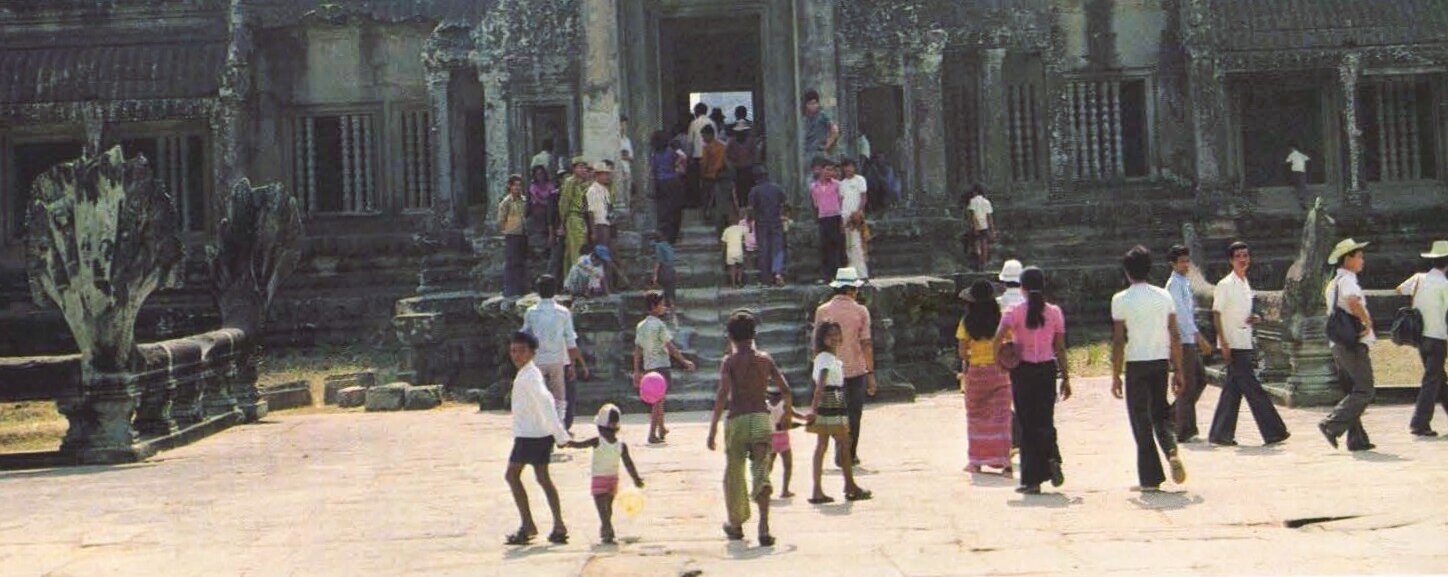
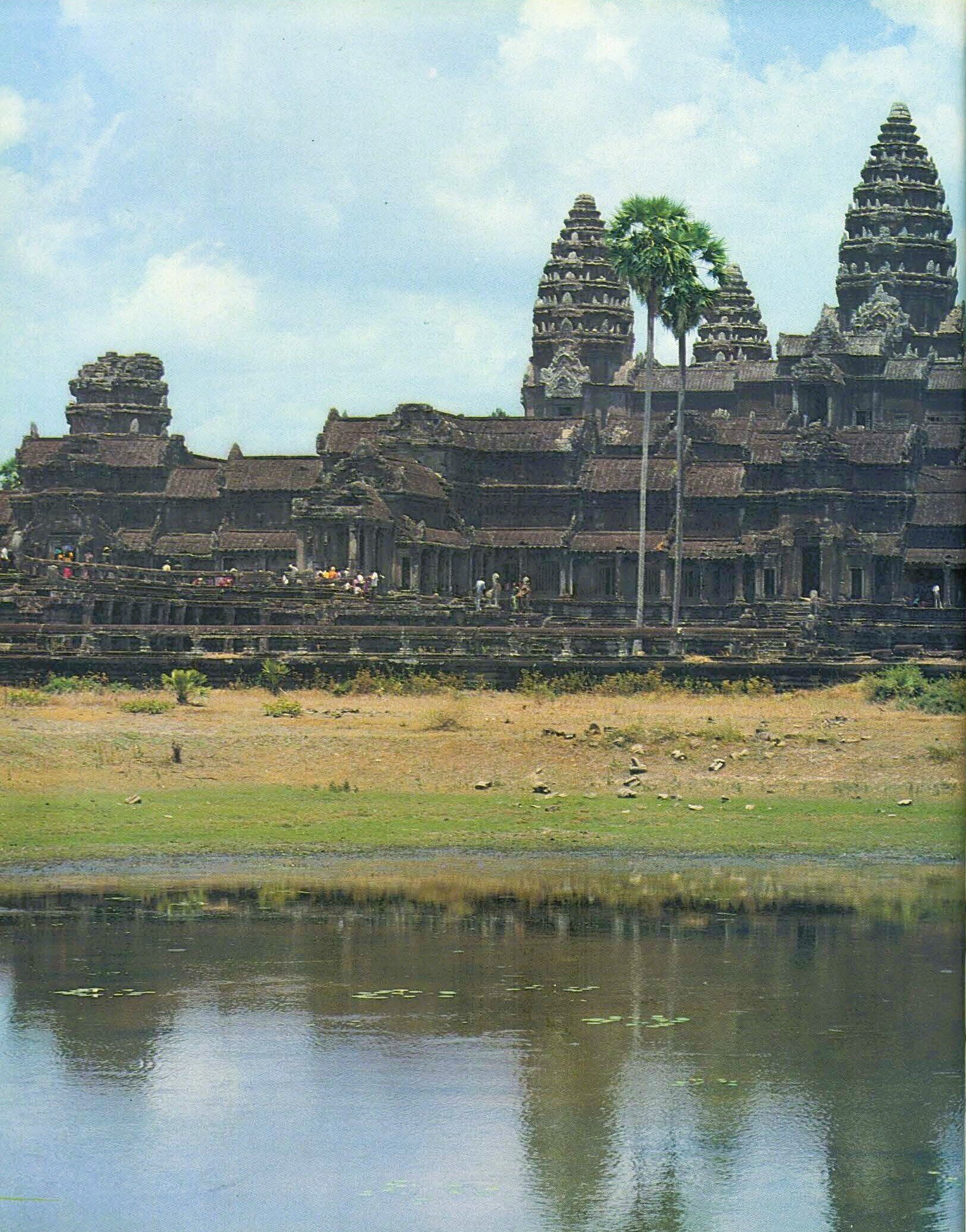
- ‘The Symbol of Angkor’: yet, the best defence of Angkor could have been that people rushed to it, as we see on these remarkable pictures [25 to 34 in our gallery], locals and visitors from other parts of the country alike, even as the area was not completely secured. This was an important moment in the history of the relations between Angkor and the modern Cambodians. At the end of the 1990s, as international tourism was a top priority for the government, citizens opted for (or were encouraged to) avoiding the temples, fearing that it might scare away the manna of foreign currency. Then the 2020 – 2022 pandemic happened, and Cambodians started to come back and enjoy in situ the symbol of their heritage. Angkor is now more than ever, to use the term coined by historical preservation specialists, a “living site”.
The photo album was published:
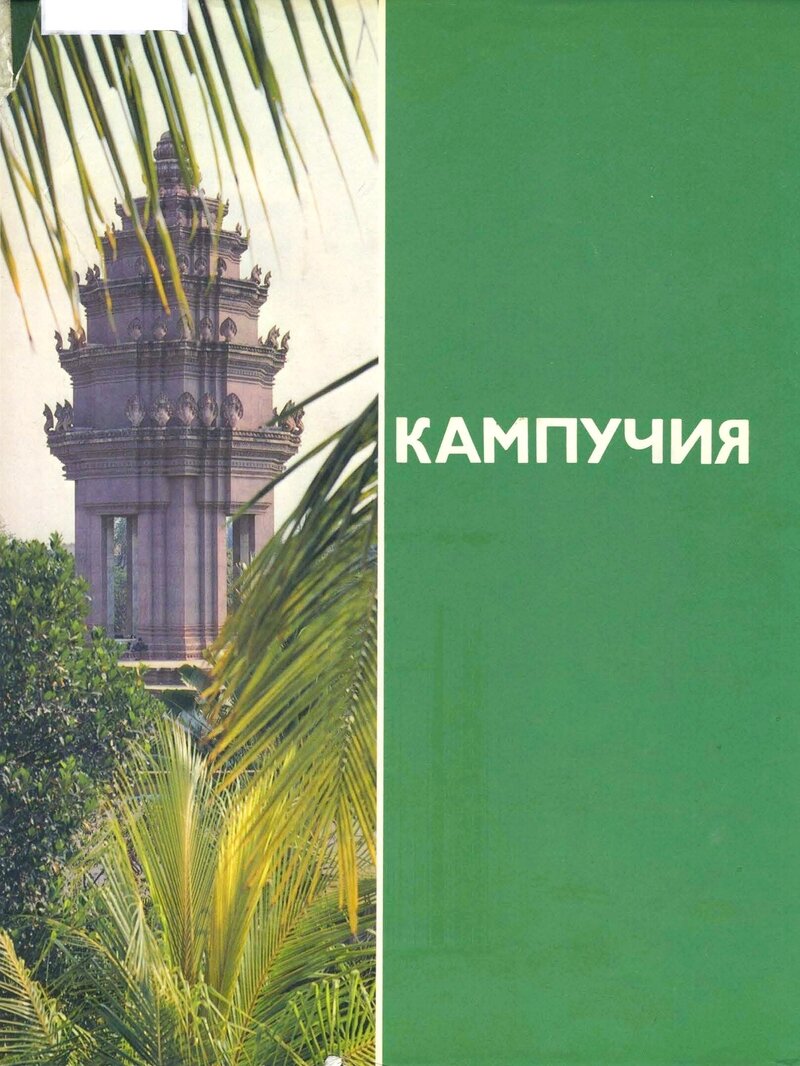
- in Russian in 1986, as Kампучия восставшая из пепла [Cambodia Risen From the Ashes], E.V. Kobelev [with N.N. Solntsev], authors, photos by A.V. Lieberman, Moscow, Планета [Planeta], 200 p, 1986.
- in Khmer in 1988, as ការស្ថាបនាប្រទេសកម្ពុជាក្រោយគ្រោះមហន្តរាយ [Cambodia: Rebuilding After the Disaster], translation by Long Seam, Planeta,1988.
Tags: photography, 1980s, Russian journalists, PRK, civil war, Khmer Rouge
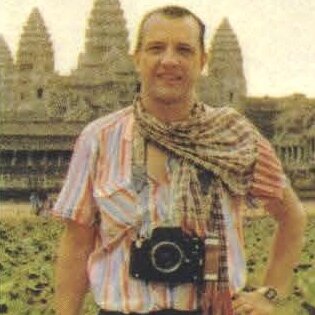
About the Photographer

Alfred V. Lieberman
Albert Victorovich Lieberman Альберт Викторович Либерман (b. 1945) is a Russian photoreporter and photographer.
In the 1980s, A.V. Lieberman contributed to several photo albums published in Moscow by the publishing house Планета [Planeta], including books on Cuba, Mongolia, the Olympic Games, and the rare photographic depiction of Cambodia after the 1970s civil war with Cambodia Risen from the Ashes [texts by E.V. Kobelev and N.N. Sonltsev, 1986 (Russian edition) and 1988 (Khmer edition)].