Books
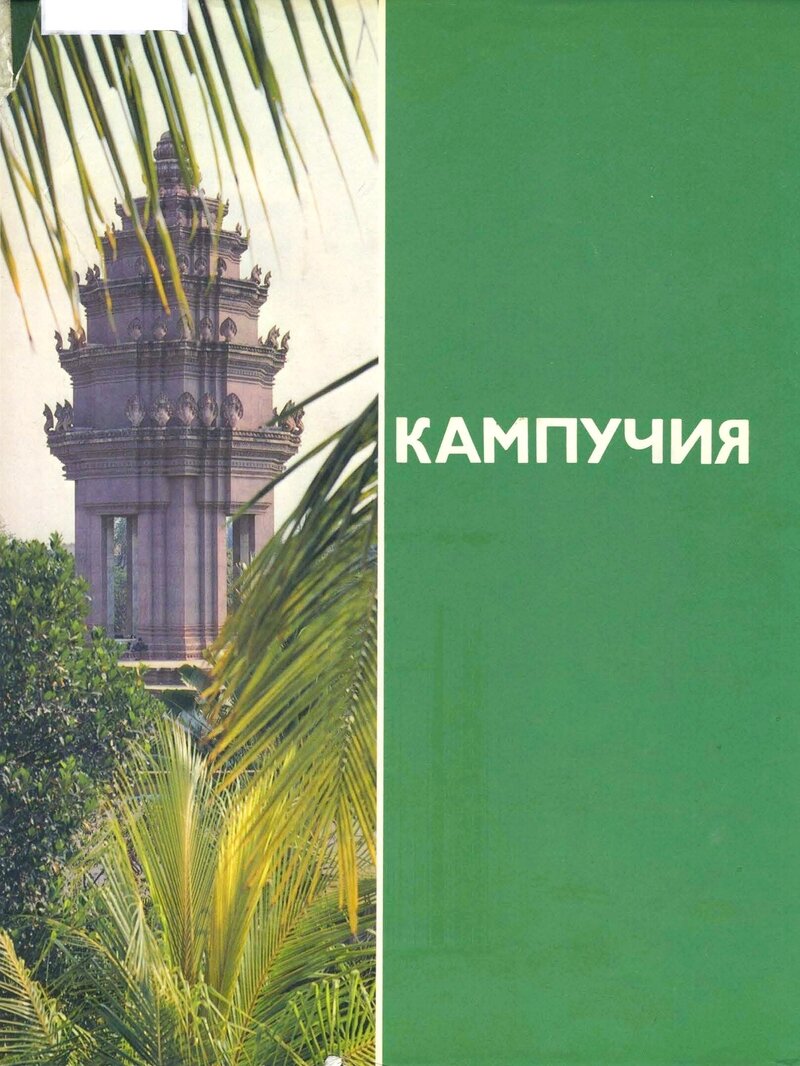
Kампучия восставшая из пепла [Cambodia Risen From the Ashes]
by Evgeny V. Kobelev
by Seam Long & Evgeny V. Kobelev & Alfred V. Lieberman

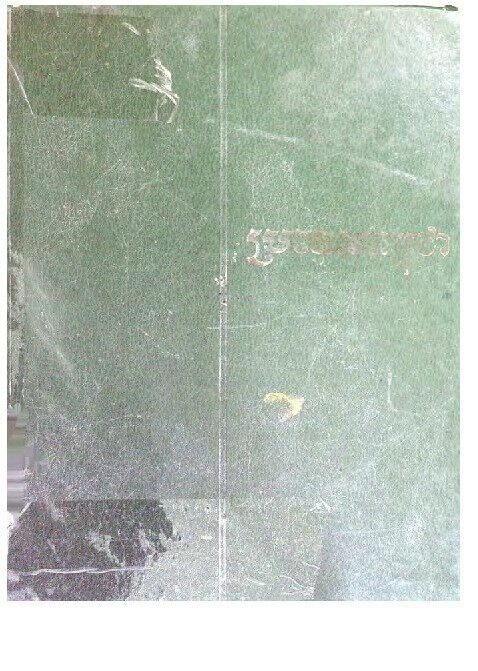
pdf 17.5 MB
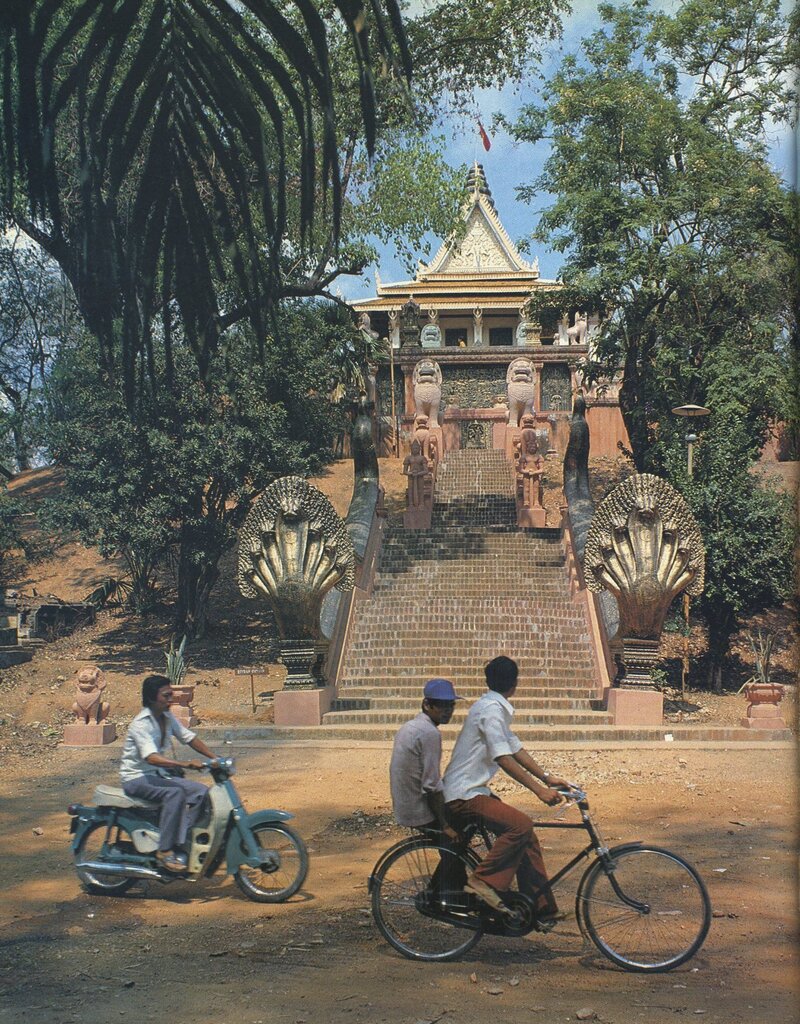
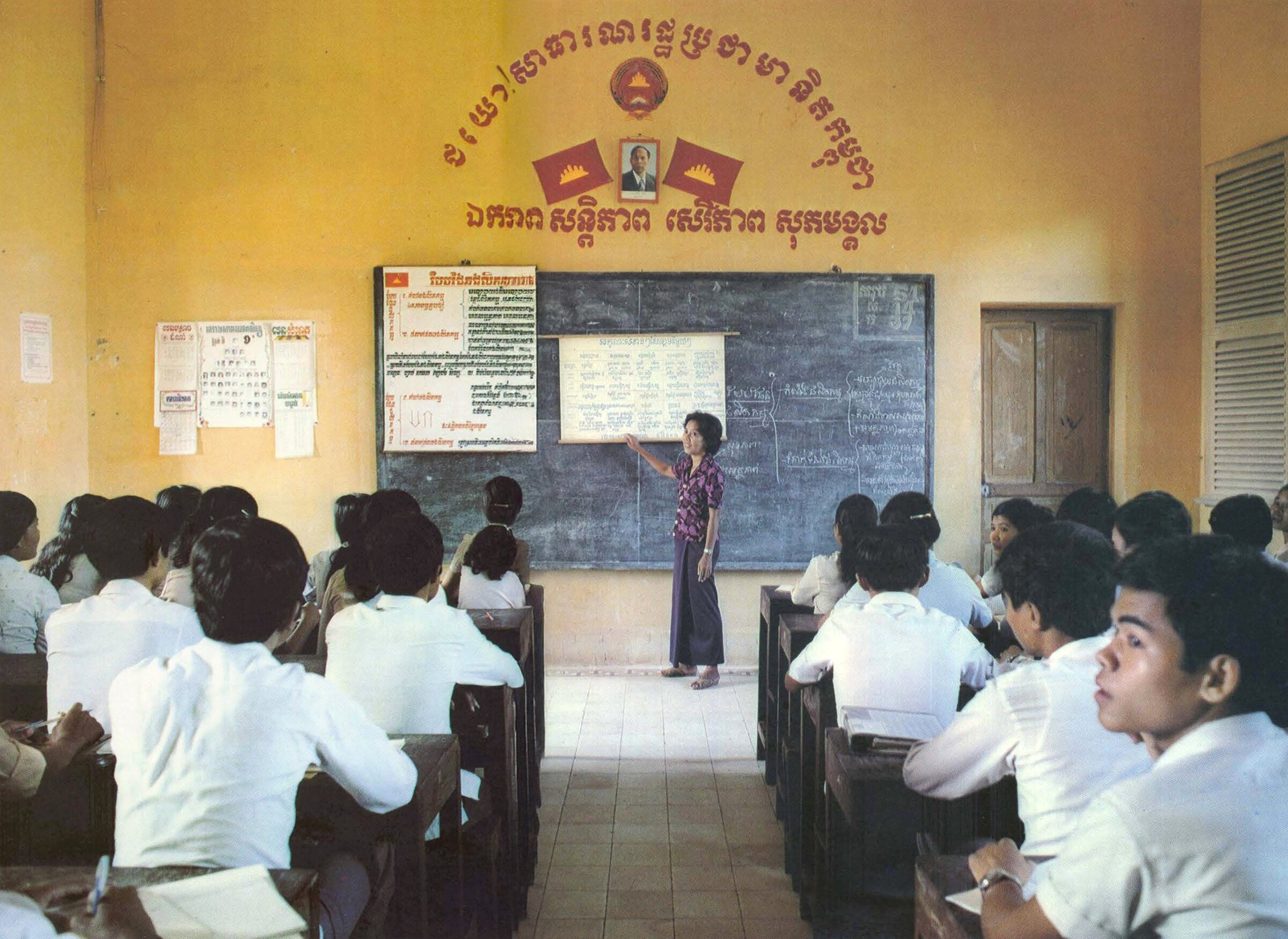
This translation by Cambodian scholar Long Seam follows the style of the Russian text: an effusive comment giving the precedence to the remarkable photographs depicting Cambodia emerging from the civil war and the Khmer Rouge terror. What we see here is a country joyously regaining its life and a sense of future whitout obliterating the recent wounds. However, the Khmer text, published two or three years after the Russian version, includes updated considerations on the internal politics of Cambodia.
The general presentation states
[…]តាមទិន្នន័យនៃឆ្នាំ ១៩៨៧ ប្រជាជនកម្ពុជាមានចំនួនជិត ៧ លាន ៥ សែននាក់ ។ ភ្នំពេញជារដ្ឋធានី នៃសាធារណរដ្ឋប្រជាមានិតកម្ពុជា ហើយតាមទិន្នន័យនៃឆ្នាំ ១៩៨៥ មានបណ្តាជនជិត ៦០០ ពាត់នាក់។ ទីក្រុងធំពុដទៃទៀតនៃប្រទេសកម្ពុជា គឺទីក្រុងបាត់ដំបង សៀមរាប កំពង់ចាម។ ប្រទេសកម្ពុជាមានខែត្រម្ភៃ ហើយខែត្រនីមួយពុ ចែកជាស្រុក ស្រុកចែកជាឃុំ ឃុំចែកជាភូមិ។ ខ្មែរ គឺជាប្រជាជនភាគច្រើននៃប្រទេសកម្ពុជាមានជិត ៨៥ ភាគរយ។ គេទាំងឡាយច្រើនរស់នៅតាមទីវាលទំនាបជុំវិញបឹងទន្លេសាប និងតាមទីដីនៃមាត់ទន្លេមេកុង។ បងប្អូនភូមិភាគឥសាន មានជនជាតិមន‑ខ្មែរ និងបងប្អូនជនជាតិម៉ាឡាយូ — ប៉ូលីណេស៊ី គេទាំងឡាយរស់នៅភូមិភាគឆ្ងាយពុ។ ពុទ្ធសាសនាហីនយាន ដែលជាលទ្ធិមួយនៃពុទ្ធិនៅអាស៊ី គឺជាសាសនាដែលមានបណ្តាជនកាន់ច្រើនជាងគេនៅក្នុងប្រទេស។ បណ្តាជនមួយភាគតូច គឺជនជាតិចាមកាន់សាសនាអ៊ីស្លាម។ ក្រោយការរំដោះខ្លួនពីរបបចក្រពត្រនិយមនិងបន្ទាប់ពីការស្តារស្ថាបនាខ្លួនឡើងវិញពីគំនរផេះនៃភាពអន្តរាយបង្កបង្កើតឡើងដោយរបបប្រល័យពូជសាសន៍ប៉ុលពតមក សាធារណរដ្ឋប្រជាមានិតកម្ពុជាបានប្រកាន់មាគ៌ានយោបាយ។ ដើម្បីឈានជាជំហានពុ ឆ្ពោះឡើងសង្គមនិយម។
[[…] According to 1987 data, the population of Cambodia is nearly 7.5 million. Phnom Penh is the capital of the People’s Republic of Cambodia, and according to 1985 data, it had a population of nearly 600,000. Other major cities in Cambodia are Battambang, Siem Reap, and Kampong Cham. Cambodia has twenty-five provinces, each divided into districts, districts into communes, and communes into villages. Khmer make up the majority of Cambodia’s population, nearly 85 percent. They live mostly in the plains around Lake Tonle Sap and along the Mekong River. The northeastern region, which includes the Mon-Khmer people, and the Malayo-Polynesian people, live in the far north. Hinayana Buddhism, one of the Buddhist sects in Asia, is the most widely practiced religion in the country. A small minority of the population, the Cham, is Muslim. After liberation from imperialism and rebuilding itself from the ashes of the devastation caused by the Pol Pot genocide, the People’s Republic of Cambodia adopted a political path to take a step forward towards socialism.]
Follows a short foreword by Heng Samrin, President of the State Council of the People’s Republic of Kampuchea since 1981, commented in his foreword, and the important photographic document is deployed over the pages [this photo album (Russian and Khmer versions) was printed in 5,000 copies only].
After a reminder that Art. 2 of the new Constitution stated that “the Cambodian people are the masters of their country’s destiny” [«ប្រជាជនកម្ពុជា ជាម្ចាស់វាសនានៃប្រទេសរបស់ខ្លួន»], the text recounts the founding myth of Cambodia, so inspiring in these times of reconstruction:
រឿងព្រេងដ៏បូរាណមួយបាននិទានថាៈ «កាលពីព្រេងនាយ ទឹកដីសឹងទាំងអស់នៃប្រទេសកម្ពុជាបានត្រូវលិចរហឹមដោយទឹក។ នៅពេលរាត្រីចាំងចែងដោយរស្មីចន្ទ្រ រលកទឹកបានបោកបក់ ហើយព្រះនាងសោមជាបុត្រីនៃសេចភុជង្គនាគ បានលិចហែលកំសាន្តកាយលើទឹករលក។ មានមួយថ្ងៃ មានយុវក្សត្រមួយអង្គព្រះនាមកោណ្ឌញ្ញ បានចាកចេញមកពីឥន្ទ្រាប្រស្តដ៏ឆ្ងាយ គឺប្រទេសឥណ្ឌា បានរត់ឃើញព្រះនាងសោមា ហើយក៏មានចិន្តាស្នេហាលើរូបនាង។ ភុជង្គនាគជាបិតា បានក្រេបលេបទឹកសឹងទាំងអស់ ធ្វើអោយដែនដីទៅជាគោក ហើយក៏ជូនរាជាណាចក្រកម្ពុជា ជាជំនូនដល់គូស្រករទាំងពីរ។ ហើយសំរាប់ជាកេរ្តិ៍ដំណែលដល់កូនចៅបន្តពូជពង្សព្រះនាងសោមា ភុជង្គនាគបានទុកមហាទន្លេសម្បូរដោយមច្ឆជាតិ គឺទន្លេសាប និងមេគង្គ គឺទន្លេមេកុង។ចាប់តាំងពីនោះមក ពស់នាគរាជបានទៅជានិមិត្តរូបនៃគង្គា ដែលជាប្រភពនៃជីវិតរស់នៅ។ អ្នកផងទាំងឡាយ ក៏សន្មតទុកថាស្តេចភុជង្គនាគ គឺជាអ្នកបង្កបង្កើតទឹកដីអោយជនជាតិខ្មែរ។»
[An ancient legend tells us: “Long ago, almost all of Cambodia was submerged in water. On a moonlit night, the waves rolled and Princess Soma, the daughter of the naga [dragon] Phujang, swam and enjoyed herself on the waves. One day, a young king named Kaundinya, who had come from the distant Indraprastha, India, saw Princess Soma and fell in love with her. Phujang, the father, swallowed up all of the water, turned the land into dry land, and gave the kingdom of Cambodia as a gift to the couple. And as a legacy for the descendants of the Soma dynasty, King Phucang Neak left behind the great rivers rich in fish, the Tonle Sap and the Mekong. Since then, the serpent has become a symbol of the Ganges, the source of life. It is also believed that King Phucang Neak is the creator of the land for the Khmer people.]
The summary of ancient and modern history, while laudating the role of the Communist party since 1951, includes one telling remark. Even if the restoration of the King was not publicly contemplated by the government of the time, there is a clear acknowledgement of the positive role of Prince Norodom Sihanouk’s reign in the preservation of national sovereignity:
នៅក្នុងសន្និសីទក្រុងហ្សឺណែវនាឆ្នាំ ១៩៥៤ ស្តីអំពីឥណ្ឌូចិន គណៈប្រតិភូប្រទេសកម្ពុជាបានធ្វើសេចក្តីប្រកាសថា ប្រទេសកម្ពុជានឹងអនុវត្តនយោបាយអព្យាក្រឹត។ នៅដើមឆ្នាំទី ៦០ នៅពេលដែលសហរដ្ឋអាមេរិក បានចាប់ផ្តើមធ្វើសកម្មភាពចម្បាំងឈ្លានពានប្រឆាំងប្រជាជនវៀតណាម អ្នកដឹកនាំប្រទេសកម្ពុជាបានខិតខំធ្វើអ្វីៗទាំងអស់ ដើម្បីកុំអោយសហរដ្ឋអាមេរិកបន្ទាក់បន្ទាញប្រទេសរបស់ខ្លួនចូលក្នុងសកម្មភាពយោធា ។ នៅថ្ងៃទី ១៨ មិនា ១៩៧០ ពួកអ្នកនយោបាយប្រតិកិរិយាកម្ពុជាស្តាំនិយមបំផុត ដោយមានជំនួយពីពួកភ្នាក់ងារអង្គការសេ.អ៊ី.អា.សហរដ្ឋអាមេរិកាំងផង បានធ្វើរដ្ឋប្រហារនៅទីក្រុងភ្នំពេញ ។
របបគ្រប់គ្រងថ្មីបានអនុញ្ញាត អោយកងទ័ពអាមេរិកាំងទន្ទ្រានចូលមកលើ ដែនដីកម្ពុជា។ នៅពេលនោះ បណ្តាអ្នកស្នេហាមាតុភូមិកម្ពុជា បានបង្រួបបង្រួម កម្លាំងគ្នា ដើម្បីធ្វើការប្រយុទ្ធប្រឆាំងពួកឈ្លានពាន និងដើម្បីរំលំរបបពួកអ្នកដឹក នាំលក់ខ្លួនអោយបរទេស។ គេទាំងឡាយបានបង្កើតរណៈសិរ្សរួបរួមជាតិកម្ពុជា និង កងកម្លាំងប្រដាប់អាវុធសេរីការជាតិកម្ពុជា ។
[At the 1954 Geneva Conference on Indochina, the Cambodian delegation declared that Cambodia would pursue a policy of neutrality. In the early 1960s, when the United States began its aggressive war against the Vietnamese people, the Cambodian leadership tried to do everything possible to prevent the United States from drawing its country into military action. On March 18, 1970, the most right-wing Cambodian reactionary politicians, with the help of CIA agents, staged a coup in Phnom Penh.
The new régime allowed American troops to invade Cambodian territory. At that time, Cambodian patriots united their forces to fight against the invaders and to overthrow the régime of the leaders who sold themselves to foreigners. They formed the National Unity Party of Cambodia and the National Liberation Armed Forces of Cambodia.]
The push for reconstruction following the demise of “Pol Pot’s cruel, inhuman régime” went on according to the “Five-Year Plan on the program of rehabilitation and development of various economic and social sectors of the People’s Republic of Kampuchea for 1986 – 1990” adopted by the Congress of the Kampuchean People’s Revolutionary Party in October 1985, underlining “the unwavering determination of the Cambodian people to make steady strides forward along the path to socialism in alliance with Vietnam, Laos, the Soviet Union and other fraternal socialist countries.” Nevertheless,
ក៏ប៉ុន្តែពពួកសត្រូវនៃប្រទេសកម្ពុជាថ្មី មិនបានស្ងប់ស្ងៀមចិត្ត។ ពួកនេះបានបង្កើត របស់ដែលហៅថា «រដ្ឋាភិបាលចំរុះត្រីភាគី» ដែលគ្រាន់តែជារនាំងបាំងបិទពួក ប៉ុលពត និងគ្រាន់តែជាគ្រឿងឧបករ សំរាប់អំពើជ្រៀតជ្រែកចូលកិច្ចការផ្ទៃក្នុង របស់ប្រជាជនកម្ពុជា។ ប្រឆាំងនិងសកម្មភាពបង្កបង្កើតហេតុជាសត្រូវ ពីបណ្តាអានុភាពចក្រពត្រនិយមនិងប្រតិកិរិយាសាធារណរដ្ឋប្រជាមានិតកម្ពុជាកំពុងអនុវត្តឥតល្អៀង នូវនយោបាយសន្តិភាព សហប្រតិបត្តិការអន្តរជាតិ និងសាមគ្គីភាពជាមួយបណ្តាប្រជាជនស្នេហាសន្តិភាពទាំងអស់ ។
However, the enemies of the new Cambodia did not calm down. They have created the so-called “Tripartite Government” which is only a cover for Pol Pot and a tool for interfering in the internal affairs of the Cambodian people. Against the hostile actions of imperialist and reactionary forces, the People’s Republic of Cambodia is steadfastly pursuing a policy of peace, international cooperation and solidarity with all peace-loving peoples.
At that point, the section on political affairs in the Russian version ends with mentions of the recognition of the People’s Republic of Korea” by “approximately 40 states, including the Soviet Union and India” and of the Southeast Asian countries “working for the elimination of tensions on the Kampuchea-Thailand border and the normalization of relations with ASEAN countries and China.” Instead, the Khmer edition carries the following addition:
នៅក្នុងសេចក្តីថ្លែងការណ៍ ចុះថ្ងៃទី ២៧ សីហា និងថ្ងៃទី៨ តុលាឆ្នាំ ១៩៨៧ រដ្ឋាភិបាលនៃសាធារណរដ្ឋប្រជាមានិតកម្ពុជាបានប្រកាសអនុវត្តមាគា៌ នយោបាយនៃការបង្រួបបង្រួមជាតិ ព្រមទាំងការដោះស្រាយបញ្ហាកម្ពុជាតាមផ្លូវនយោបាយ។ គោលការណ៍ដ៏សំខាន់នៃមាគ៌ានយោបាយនេះ គឺការយល់ព្រមរបស់សាធារណរដ្ឋប្រជាមានិតកម្ពុជា ដើម្បីធ្វើការចរចាជាមួយបណ្តាក្រុមបដិបក្ខ ទាំងអស់និងជាមួយអ្នកដឹកនាំរបស់ក្រុមទាំងនេះ លើកលែងតែ ប៉ុល ពត និង បរិវារជិតស្និទ្ធមួយចំនួនរបស់វា ការត្រៀមជាស្រេចប្រគល់ជូនសម្តេចនរោត្តម សីហនុ នូវតួនាទីដ៏ខ្ពស់មួយក្នុងស្ថាប័នដឹកនាំរដ្ឋ ការដកកងទាស្ម័គ្រចិត្តវៀតណាម ចេញពីកម្ពុជា ទន្ទឹមនិងការបញ្ចប់នូវរាល់អន្តរាគមន៍ចូលកម្ពុជា ការដំណើរការ បោះឆ្នោតជាសាកល ដោយមានអ្នកសង្កេតការណ៍បរទេសហើយនិងមានការជ្រើស តាំងរដ្ឋាភិបាលចំរុះ ការកោះប្រជុំសន្និសីទអន្តរជាតិមួយសំដៅធានាការអនុវត្តន៍កិច្ចព្រមព្រៀងទាំងឡាយដែលសំរេចបាន។
ការផ្តួចផ្តើមគំនិតខាងនយោបាយ របស់សាធារណរដ្ឋប្រជាមានិតកម្ពុជានេះ បានត្រូវគេទទួលអបអរសាទរជាទូទៅនៅក្នុងពិភពលោក ហើយចាត់ទុកបានថាជាមាគ៌ាដ៏ត្រឹមត្រូវនៅក្នុងដំណោះស្រាយបញ្ហាកម្ពុជាតាមផ្លូវនយោបាយ។ លទ្ធផលជាក់ស្តែង គឺជាមួយក្នុងបណ្តាលទ្ធផលនានានៃការអនុវត្តន៍គោលនយោបាយបង្រួបបង្រួមជាតិគឺជា ជួបគ្នារវាងប្រធានក្រុមប្រឹក្សារដ្ឋមន្ត្រីនៃសាធារណរដ្ឋប្រជាមានិតកម្ពុជា ហ៊ុន សេន និងសម្តេច នរោត្តម សីហនុ ដែលបានប្រព្រឹត្តទៅនៅ ហ្វែរ‑អង់-តារដឺណ្វា (ប្រទេសបារាំង់) ពីថ្ងៃទី ២ ដល់ថ្ងៃទី ៤ ធ្នូឆ្នាំ ១៩៨៧ ហើយការជួបគ្នានេះ បានប្រតិស្ថានហើយមានការចរចាដោយត្រង់ រវាងគូភាគីបដិបក្ខកម្ពុជានានា។
In the statements dated August 27 and October 8, 1987, the Government of the People’s Republic of Kampuchea announced the implementation of the political path of national unification and the political settlement of the Cambodian problem. The main principles of this political path were the consent of the People’s Republic of Kampuchea to negotiate with all opposition groups and their leaders, with the exception of Pol Pot and some of his close associates, the readiness to give Samdech Norodom Sihanouk a high role in the state leadership, the withdrawal of Vietnamese volunteer troops from Cambodia, the end of all interventions in Cambodia, the holding of universal elections with foreign observers and the election of a coalition government, and the convening of an international conference to ensure the implementation of the agreements reached.
This political initiative of the People’s Republic of Kampuchea was widely welcomed in the world and was considered the right path in the political settlement of the Cambodian problem. The concrete result is that, among the results of the implementation of the national unification policy, there was a meeting between the Chairman of the Council of Ministers of the People’s Republic of Cambodia, Hun Sen, and Samdech Norodom Sihanouk, which took place in Fer-en-Tarentaise (France) from December 2 to 4, 1987. This meeting resulted in direct negotiations between the various Cambodian opposing parties.
[Note that the name of the former and future King of Cambodia, Norodom Sihanouk, does not appear one single time in the Russian, and in the photo captions translated into Khmer the Royal Palace is always called “former Royal Palace”.]
Industrial rebuilding is depicted as a national priority (“The tire factory in Phnom Penh is the pride of the national industry”), after reminding the reader that one official document of the Pol Pot régime stated: «រោងចក្រនិងរោងជាង — បង្កបង្កើតដោយមូលធននិយម។ មនុស្សទាំងអស់ដែលធ្វើការនៅទីនេះសុទ្ធ តែមានជម្ងឺឆ្លងនៃមនោគមវិជ្ជានៃវណ្ណៈអនុធន»។ [“Factories and workshops — created by capitalism. All the people who work there are infected with the ideology of the underclass.”]. In the section Land and Water [ព្រះធរណីនិងគង្គា, here with the classical Khmer term for water, គង្គា kongkea, lit. “Ganges” ], agriculture and forestry are considered:
នៅក្រោមរបប ប៉ុល ពត ផ្ទៃដីដាំដំណាំពីរភាគបីបានត្រូវបោះបង់ចោល គោក្របីបានមានចំនួនចុះថយសំបើម។ នៅពេលដកខ្លួនថយ ពួក ប៉ុល ពត បានដុតបំផ្លាញជង្រុកស្រូវចោលអស់។ ប្រព័ន្ធបង្ហូចទឹក បានត្រូវខូចខាតនៅច្រើនកន្លែង។ […] ដំណាំដ៏សំខាន់សំរាប់គ្រឿងបរិភោគនៅក្នុងប្រទេស គឺដំណាំស្រូវ ដែលមានពីរប្រភេទ។ ប្រភេទទីមួយ គឺស្រូវវស្សាដែលគេដាំនៅរដូវភ្លៀង ប្រភេទទីពីរ គឺ ស្រូវប្រាំងដែលគេដាំនៅរដូវក្តៅ។ ស្រូវទាំងពីរប្រភេទនេះមានចែកជារាប់រយយ៉ាងតទៅទៀត។ មានពូជស្រូវម្យ៉ាងគេហៅថាស្រូវឡើងទឹក ហើយដើមស្រូវបែបនេះ មានកំពស់ពី១ ម៉ែត្រកន្លះដល់ប្រាំម៉ែត្រ។ ក្នុងកំឡុងពេលបីឆ្នាំបន្ទាប់ពីឆ្នាំ ១៩៧៩ ប្រទេសកម្ពុជាបានបង្កើនជិតបីដង នូវការប្រមូលផលដំណាំស្រូវប្រចាំឆ្នាំ ហើយចាប់តាំងពីឆ្នាំ ១៩៨៣ ប្រទេសបានប្រមូលបានផលដំណាំគ្រប់គ្រាន់ សម្រាប់សេចក្តីត្រូវការរបស់ប្រជាជន។ នៅសម័យប្រជុំមហាសន្និបាតទី ៥ របស់បក្ស មានការកំណត់ផែនការដល់ឆ្នាំ ១៩៩០ ដើម្បីប្រមូលដំណាំស្រូវអោយបានដល់បីលានតោន។
ស្រូវអង្ករ គឺជាគ្រឿងបរិភោគសំខាន់បំផុតនៃប្រទេស ពេលពេញមួយឆ្នាំ។ រដូវសាបព្រួសទើបតែកន្លងទៅ កម្ពុជា។ នៅទីនេះ រដូវប្រមូលផលដំណាំបន្តអស់រយៈ ហើយរដូវច្រូតកាត់ក៏បានមកដល់។ នៅសម័យបច្ចុប្បន្ន ក៏ដូចជានៅសម័យមួយពាន់ឆ្នាំមុន នៅតាមទីវាលស្រែចំការនៃប្រទេសកម្ពុជា គេអាចឃើញគោទាំងនឹមពុ អូសទាញនង្គ័លភ្ជួរស្រែចំការ។ គេនិយាយថា នាសម័យស្ថាននរកនៃរបប ប៉ុល ពត នៅរដូវវស្សា គេមិនចិញ្ចឹមគោក្របីបានឡើយ ព្រោះថាគង្គាបានទៅជាក្រហមក្រមៅជាំ ដោយឈាមមនុស្ស។
Under the Pol Pot régime, two-thirds of the cultivated land was abandoned, and the number of cattle was greatly reduced. When the Pol Pots retreated, they burned down all the rice barns. The irrigation system was damaged in many places. […] The main food crop in the country is rice, of which there are two types. The first type is wet rice, which is grown in the rainy season, and the second is dry rice, which is grown in the summer. Both types of rice are divided into hundreds of varieties. There is also a type of rice called upland rice, and the rice stalks are from 1.5 to 5 meters high. In the three years after 1979, Cambodia nearly tripled its annual rice harvest, and since 1983 the country has harvested enough rice to meet the needs of its people. At the 5th Party Congress, a plan was set for 1990 to harvest three million tons of rice.
In Cambodia, they grow corn, cassava, cassava, and other fruit trees and vegetables. Although not yet large-scale, tea is being cultivated. Locals grow cassava, tobacco, cassava, sesame, peanuts, sugarcane, and palm sugar. Special attention has been paid to the restoration of rubber plantations. Cattle, pigs, and chickens are being raised actively. Dairy farming has not yet developed. Forests cover 74 percent of Cambodia’s land area. Forests provide cardamom, safflower, resin, lac, charcoal, and valuable wood species such as sandalwood, hardwood, blackwood, beng, neang nuon, etc.
បន ប៉ុល ពត បានធ្វើអោយអន្តរាយយ៉ាងធ្ងន់ធ្ងរ ដល់ប្រព័ន្ធសិក្សាការនៅប្រទេសកម្ពុជា នៅពេលនោះ អាគារសិក្សាទាំងអស់បានត្រូវបិទទ្វារ។ អាគារសិក្សាមួយភាគធំបានត្រូវបំផ្លាញឬត្រូវពួកវាប្រើប្រាស់ជាបន្ទាយ ជាឃ្លាំងយោធា និងជាពន្ធនាគារ។ ពួក ប៉ុល ពត បានរក្សាទុក «សាលារៀន» កំប៉ិកកំប៉ុកខ្លះពុ ដែលនៅទីនេះពួកវាបានបង្រៀនអោយចេះតែអក្សរខ្មែរប៉ុណ្ណោះ។ ការយកចិត្តទុកដាក់ពិសេសរបស់ពួកវា បានផ្តោតទៅលើ «ការចេះឈ្លបតាម ហើយបើកមុខសត្រូវ»។ ជាពិសេស គឺតាមរបៀបនេះ ដែលពួកវាបានបង្រៀនអោយក្មេងពុ ឈ្លបតាមពិនិត្យម៉ែឪរបស់ខ្លួន។
នៅក្នុង «កំណត់ហេតុនៃតុលាការប្រជាជន ស្តីអំពីឧក្រិដ្ឋកម្មក្នុងអំពើប្រល័យពូជសាសន៍ ប្រព្រឹត្តដោយ ប៉ុល ពត និងអៀង សារី» ក្នុងមាត្រាទី ៦ មានសេចក្តីបញ្ជាក់ថា «កុមារអាយុច្រើនជាង ១០ ឆ្នាំ បានត្រូវបំពេញពលកម្មដ៏ធ្ងន់ហួសកម្លាំង ដូចមនុស្សធំ។ កុមារអាយុដល់ ៦ ឆ្នាំ ត្រូវបានហាមឃាត់មិនអោយរស់នៅជាមួយឪពុកម្តាយ ហើយត្រូវបានពួកវាច្រើនអោយឃ្វាលគោក្របី ដើររើសលាមក។ ពួកវាបានហាមឃាត់មិនអោយជួយដល់កុមារកំព្រា។ កុមារជាច្រើនបានដើររស់ដូចមនុស្សអនាថា ហើយពួកវាមិនព្រមអោយចូលរស់នៅក្នុង «ឃុំ» របស់ពួកវាឡើយ។ បើពួកវាចាប់បានកុមារ ដែលបានដើរសុំទានគេ នោះពួកវាបានវាយដំធ្វើបាបរហូតដល់ស្លាប់។
ពីចំនួនសាស្ត្រាចារ្យឧត្តមសិក្សា ៧២៥ នាក់ ដែលបានធ្វើការនៅប្រទេសកម្ពុជាមុនសម័យ ប៉ុលពត បន្ទាប់ពីពេលរំដោះនៅរស់តែ ៥០ នាក់ ពីចំនួន បញ្ញាវន្ត ១០០០ នាក់ ដែលបានសិក្សានៅបរទេស បន្ទាប់ពីពេលរំដោះនៅរស់តែ ៨៥ នាក់ ពីចំនួនសាស្ត្រាចារ្យវិទ្យាល័យចំនួន ២៣០០ នាក់ នៅរស់តែ ២០៧ នាក់ ពីចំនួនគ្រូបង្រៀនបឋមសិក្សា ២១៣១១ នាក់ នៅរស់តែ ២៧១៧ នាក់ ពីចំនួននិស្សិត ១១ ពាន់នាក់ នៅរស់តែ ៤៥០ នាក់។ យុវជនកម្ពុជាអស់មួយជំនាន់ បានត្រូវបាត់បង់លទ្ធភាពក្នុងការសិក្សារៀនសូត្រ។
ការស្តារឡើងវិញនូវប្រព័ន្ធសិក្សាធិការចាប់ផ្តើមឡើង ដោយការស្វែងរកក្របខ័ណ្ឌមានការពិសោធន៍និងការប្រឹងប្រែងរៀបចំអប់រំក្របខ័ណ្ឌខាងគរុកោសល្យថ្មីពុទៀត។ ដោយមានកង្វះយ៉ាងខ្លាំងខាងក្របខ័ណ្ឌគរុកោសល្យ គេបានអំពាវនាវដល់មនុស្សដែលមានចំណេះធម្មតាហើយតមកអ្នកសិក្សានៅថ្នាក់ខ្ពស់ពុជួយបង្រៀនដល់សិស្សានុសិស្សនៅថ្នាក់ទាបពុ។ មានការបង្កើតវគ្គសិក្សាក្នុងរយៈពេលខ្លី ដើម្បីរៀបចំ អប់រំគ្រូបង្រៀន។ នៅឆ្នាំ ១៩៨០ សាលាគរុវិជ្ជាជាន់ខ្ពស់បានបើកទ្វារ…តមក គឺវិជ្ជាស្ថានគរុកោសល្យនិងសាលាគរុវិជ្ជាមធ្យមចំនួន ២០ នៅខែត្រនានា។ មកដល់ឆ្នាំ ១៩៨៥ សៀវភៅសិក្សាមានចំណងជើងជាង ១០០…. បានត្រូវ បោះពុម្ពផ្សាយចំនួនជាង ១០ លានក្បាល។
គេបានយកចិត្តទុកដាក់ជាខ្លាំងដល់ការពង្រីកមធ្យមសិក្សាបច្ចេកទេសនិងវិជ្ជាជីវៈបច្ចេកទេស។ នៅដើមឆ្នាំ ១៩៨១ សាលាអប់រំវិជ្ជាជីវៈបច្ចេកទេសនៅទឹកថ្លា ដែលបានស្ថាបនាឡើងដោយសារជំនួយសហភាពសូវៀត បានបើកទ្វារធ្វើការ។ គឺជាសាលាវិជ្ជាជីវៈបច្ចេកទេសធំជាងគេនៅក្នុងប្រទេស ដែលអប់រំកម្មករជំនាញសំរាប់របរបច្ចេកទេសចំនួន ១០ មុខ។
នៅសាធារណរដ្ឋ គេបានបើកសាលាពេទ្យ សាលាគរុកោសល្យ សាលាវិចិត្រសិល្បៈ សាលាពាណិជ្ជកម្ម និងសាលាបច្ចេកទេស នៅតាមខែត្រនានា។ គេបានបើកវគ្គសិក្សាសំរាប់រយៈពេលបីខែ បួនខែ ប្រាំមួយខែ ដើម្បីរៀបចំអប់រំបុគ្គលិកបច្ចេកទេសខាងកសិកម្មនិងខាងបសុវប្បកម្ម អប់រំនយោជិកខាងពាណិជ្ជកម្មនិងហិរញ្ញវត្ថុ។
ចំនួននិស្សិតដែលបានរៀនចប់ឧត្តមសិក្សា ក៏កាន់តែកើនឡើង។ បន្ទាប់ពីជ័យជំនះនៃបដិវត្តន៍ប្រជាជនភ្លាម មានការប្រមែប្រមូលបណ្តានិស្សិត ដែលនៅរស់អោយបន្តការសិក្សាតទៅទៀត។ គេទាំងឡាយបានទៅជានិស្សិតលើកទីមួយនៃសាធារណរដ្ឋប្រជាមានិតកម្ពុជា។ ការសិក្សានៅឧត្តមសិក្សាឥតបង់ថ្លៃ ហើយមានទាំងការផ្តល់អាហារូបករណ៍ដល់និស្សិតទាំងឡាយ។ ក្នុងបណ្តាគ្រឹះស្ថានឧត្តមសិក្សាមួយចំនួន ដែលបានបើកទ្វារធ្វើការ គឺមានវិជ្ជាស្ថានបច្ចេកទេសជាន់ខ្ពស់មិត្តភាពកម្ពុជា — សូវៀត ដែលបានស្ថាបនាឡើង ហើយត្រូវបានផ្តល់ជាអំណោយរបស់សហភាពសូវៀតដល់ប្រជាជនកម្ពុជា។
‘Pol Pot’s régime severely damaged the education system in Cambodia. At that time, all schools were closed. Most of the schools were destroyed or used by them as barracks, military warehouses and prisons. The Pol Pot clique maintained a few small “schools” where they taught the Khmer alphabet. Their special attention was paid to “spying and exposing the enemy.” In particular, it was in this way that they taught the children to spy on their parents.
In the “Records of the People’s Court on the Crimes of Genocide Committed by Pol Pot and Ieng Sary,” Article 6 states that “Children over the age of 10 were subjected to the same hard labor as adults. Children under the age of 6 were forbidden to live with their parents and were often forced to herd cattle and collect dung. They were forbidden to help orphans. Many children lived like homeless people and were not allowed to live in their “communes.” If they caught children begging, they were beaten to death.
Of the 725 higher education professors who worked in Cambodia before the Pol Pot era, only 50 were alive after liberation. Of the 1,000 intellectuals who studied abroad after liberation, only 85 were alive. Of the 2,300 high school professors, only 207 were alive. Of the 2,1311 primary school teachers, only 2,717 were alive. Of the 11,000 students, only 450 were alive. A generation of Cambodian youth has been deprived of the opportunity to learn.
The revival of the education system began with the search for an experimental framework and the effort to prepare a new pedagogical framework. With a severe shortage of pedagogical frameworks, people with ordinary knowledge and then higher education were called upon to teach students at lower levels. Short-term courses were established to prepare teachers. In 1980, a higher pedagogical school opened its doors… followed by 20 pedagogical institutes and secondary pedagogical schools in various provinces. By 1985, more than 100 textbooks had been published in more than 10 million copies.
Great attention has been paid to the expansion of secondary technical and vocational education. In early 1981, the Technical Vocational Education School in Teuk Thla, built with Soviet assistance, opened its doors. It is the largest technical vocational school in the country, training skilled workers in 10 technical professions.’
In the republic, medical schools, pedagogical schools, schools of fine arts, commercial schools and technical schools were opened in various provinces. Courses were opened for three, four and six months to prepare technical personnel in agriculture and animal husbandry, to educate employees in trade and finance.
The number of students graduating from higher education also increased. Immediately after the victory of the people’s revolution, there was a mobilization of surviving students to continue their studies. They became the first students of the People’s Republic of Kampuchea. Higher education was free of charge, and scholarships were provided to students. Among the higher education institutions that opened their doors was the Cambodian-Soviet Friendship Institute of Technology, which was established and presented as a gift from the Soviet Union to the Cambodian people.’
And one caption of a photo of young students warns: សុំកុំភ័នច្រឡំអោយសោះចំពោះភក្ត្រដ៏រីករាយតែខាងក្រៅរបស់កុមារទាំងឡាយនេះ។ គេនៅចងចាំអ្វីពុទាំងអស់។ តើគេត្រូវការសេចក្តីថ្នាក់ថ្នមបបោសអង្អែល ពីសំណាក់មាតាបីតាយ៉ាងណា ដើម្បីអោយគេមានអារម្មណ៍ថាគេជាកុមារដូចគេផង។ [‘Don’t be fooled by the outwardly happy faces of these children. They still remember everything. How much they need the tender hugs of their parents to make them feel like children!’]
Here, the text recounts a folktale that expresses the profound vinculation of the people of Cambodia to their artistic heritage:
ជីដូនជីតាទួតរបស់ជីដូនជីតាទួតរបស់ខ្ញុំ បាននិទានរឿងព្រេងប្រាប់ខ្ញុំថា កាលពីព្រេងនាយ នៅកម្ពុជទេស មានមហាក្សត្រមួយអង្គប្រកបដោយរូបឆោមប្រឹមប្រីយ។ ព្រះឥន្ទ្រាធិរាជបានជ្រាបអំពីរឿងនេះ ក៏បានចុះមកសុំមហាក្សត្រធ្វើជាកូន ហើយអញ្ជើញអោយទៅគង់នៅស្ថានសួគ៌ា។ មហាក្សត្របានគង់នៅទីនោះ អស់ពេលមួយឆ្នាំ ពីរឆ្នាំហើយអាចរស់នៅតទៅទៀត។ ក៏ប៉ុន្តែ ពួកទេវតាដទៃបានមកគាល់ព្រះឥន្ទ្រា ហើយនិយាយថា : «ទូលព្រះបង្គំ ! មិនអាចទុក មនុស្សលើផែនដីអោយរស់នៅស្ថានសួគ៌ាយូរពេកទេ»។
ព្រះឥន្ទ្របានព្រួយហឫទ័យដោយត្រូវបែកបាក់និងបុត្រដ៏ប្រឹមប្រិយ។ ហេតុនេះហើយ បានជាដើម្បីធ្វើអោយជីវភាពព្រះរាជបុត្រនៅលើផែនដីមានសម្រស់ល្អឆើតឆាយ ព្រះឥន្ទ្រាបានបង្គាប់បញ្ជាអោយកសាងប្រាសាទដ៏ល្អនៅលើផែនដី ដែលមានសណ្ឋានដូចជាភ្នំព្រះសុមេរុ។ ដូចនេះ អច្ឆរិយវត្ថុមួយនៃពិភពលោក ក៏បានប្រដិស្ថានឡើង គឺប្រាសាទអង្គរវត្តដ៏ឧត្តុង្គឧត្តម។ នៅពេលនោះ ព្រះឥន្ទ្របានសួរទៅមហាក្សត្រថា កូនពេញហឫទ័យឬទេ? មហាក្សត្របានឆ្លើយថា «ពេញចិត្ត តែនៅព្រួយហឫទ័យដោយក្តីនឹករលឹក»។ ព្រះឥន្ទ្រាបានឆ្ងល់ហើយសួរថា : «តើនឹករលឹកអ្វី ?» – «គឺនឹករលឹកដល់ចម្រៀង និងរបាំរបស់ស្រីទេពអប្សរទាំងឡាយ»។ ព្រះឥន្ទ្រទ្រង់បាននឹកមមៃ ហើយមានបំណងតែមួយដែលព្រះអង្គអាចបំពេញបាន – «តើរចនាប្រាសាទអង្គរវត្ត ដោយរូបស្រីទេពអប្សរចំនួនរាប់រយ»។
My great-grandfather told me a story that long ago in Cambodia, there was a king with a beautiful appearance. King Indra heard about this and came down to ask the king to be his son and invited him to live in heaven. The king stayed there for a year or two and was able to live longer. However, other gods came to Indra and said: “Please! It is not possible to let people on earth live in heaven for too long.”
King Indra was saddened by the separation from his beautiful son. Therefore, in order to make his son’s life on earth beautiful, King Indra ordered the construction of a beautiful temple on earth, shaped like Mount Meru. Thus, one of the wonders of the world was created, the magnificent Angkor Wat temple. At that time, Indra asked the king, “Are you satisfied?” The king replied, “Satisfied, but still troubled by nostalgia.” Indra was puzzled and asked, “What do you miss?” — “I miss the songs and dances of the apsaras.” Indra was filled with longing and had only one wish that he could fulfill — “To decorate Angkor Wat with hundreds of apsaras.”
The ‘modern Apsaras’, the Royal Ballet dancers perpetuating the tradition at the Royal Palace before the war, are now a “state-run troupe”, and the School of Fine Arts founded in the 1920s is taking in students again:
ក្រោយពេលរំដោះមួយឆ្នាំប៉ុណ្ណោះ នាឆ្នាំ ១៩៨០ នៅភ្នំពេញសាលាវិចិត្រសិល្បៈ បានបើកទ្វារធ្វើការហើយរៀបចំបណ្តាសិល្បកររដ្ឋក្នុងវិស័យរបាំក្បាច់បូរាណ និងរបាំប្រជាប្រិយ រៀបចំបណ្តាអ្នកចំរៀងនិងអ្នកប្រគំដូរ្យដន្ត្រី ព្រមទាំងសិល្បករ ល្ខោននិងសិល្បករសៀក។ ក្រុមសិល្បករចំរៀងនិងរបាំរដ្ឋក៏ត្រូវបានបង្កើត ហើយតែក្នុងរយៈពេលបួនឆ្នាំប៉ុណ្ណោះ ក្រុមនេះបានសំដែងសិល្បៈរបស់ខ្លួនប្រហែលបីពាន់ដង។ ក្រុមសិល្បករបានទៅសំដែងសិល្បៈដោយជោគជ័យនៅបរទេស ដូចជានៅសាធារណរដ្ឋសង្គមនិយមវៀតណាម នៅសាធារណរដ្ឋប្រជាធិបតេយ្យប្រជាមានិតឡាវ នៅសហភាពសូវៀត នៅសាធារណរដ្ឋប្រជាធិបតេយ្យអាល្លឺម៉ង់ នៅប្រទេសឆេកូស្លូវ៉ាគី និងនៅប្រទេសដទៃទៀត។
Just one year after liberation, in 1980, the Phnom Penh School of Fine Arts reopened its doors and trained state artists in the fields of classical and folk dance, singers and musicians, as well as theater and circus artists. A state-run troupe of singers and dancers was also established, and in just four years, has given some three thousand performances, while also performing abroad, such as in the Socialist Republic of Vietnam, the Lao People’s Democratic Republic, the Soviet Union, the German Democratic Republic, Czechoslovakia, and other countries.
As an illustration of the “republican” mood, it is stressed that the former Royal Silver Pagoda, “the most important temple in Phnom Penh”, វិហារព្រះកែវ Vihear Preah Keo, is “now open to the public”, as well the National Museum, now known as “Museum of Antiquities and History of Cambodia”, where the most valuable artifacts on display at the museum, relegated in underground rooms during the Pol Pot régime, are now on display.” [see the photo gallery].
If the extent of the damage inflicted to the Angkor temples during the civil war remains a subject under discussion, the text describes a systematic campaign of wrecking by the Khmer Rouge (which are mostly referred to as ‘Pol Pot’s clique):
ពួក ប៉ុល ពត បានបំផ្លាញច្រកចូលកណ្តាលនៃអង្គរវត្ត ហើយបានកំទេចរូបបដិមារាប់រយ បានបំបាកបំបែករូបរចនានៃប្រាសាទ។ នៅឆ្នាំ ១៩៨០ រដ្ឋាភិបាលសាធារណរដ្ឋប្រជាមានិតកម្ពុជាបានចេញប្រកាស ស្តីអំពីកិច្ចការពារបេតនភ័ណ្ឌប្រវត្តិសាស្ត្រនិងវប្បធម៌ជាតិ ដែលមានជាអាទិ៍ ប្រាសាទអង្គរវត្ត។ នៅពេលបច្ចុប្បន្ន ការងារជួសជុលប្រាសាទកំពុងប្រព្រឹត្តទៅនៅក្នុងបរិវេណប្រាសាទអង្គរ។
Pol Pot destroyed the central entrance to Angkor Wat and destroyed hundreds of statues, severely damaging the temple’s architecture. In 1980, the government of the People’s Republic of Cambodia issued a proclamation on the protection of national historical and cultural monuments, including Angkor Wat. Currently, restoration work is underway in the Angkor Wat complex.
The fact that Angkor remains the undisputed symbol of the Cambodian nation is reflected by the title of the section dealing with the importance of building a regular army from the army divisions who had engaged the Khmer Rouge only five or six years earlier: “ខែលការពារអង្គរ” [“The shield of Angkor”]. Threats are real, according to the text:
ស្ថានការណ៍នៅតាមព្រំប្រទល់ប្រទេសកម្ពុជា នៅខាងទិសបស្ចិមជាប់និងប្រទេសថៃឡង់មានសភាពអប់អួរ។ នៅទីក្រុងថៃឈ្មោះអារញ្ញប្រថែត ដែលស្ថិតនៅជិតព្រំដែននិងប្រទេសកម្ពុជា មានជំរំកងបាក់ទ័ព ប៉ុល ពត។ ប៉ុល ពត បានធ្វើសេចក្តីថ្លែងថា: «យើងមិនដាក់អាវុធ។ គោលដៅយើង គឺការត្រឡប់វិលវិញ។ យើងនឹងធ្វើការប្រយុទ្ធ ដោយពឹងផ្អែកលើមូលដ្ឋាននៅតាមព្រំប្រទល់»។
នៅទីក្រុងបាងកក និងនៅវ៉ាសាំងតោន គេអោយឈ្មោះជំរំទាំងនេះថាជា «ភូមិស្ថានអ្នកភៀសខ្លួន»។ ក៏ប៉ុន្តែ តាមពិត គឺសុទ្ធតែជាជំរំយោធា។ គឺពីជំរំទាំងនេះហើយ ដែលពួកវាធ្វើសង្គ្រាមឥតប្រកាសប្រឆាំងប្រទេសកម្ពុជា។ គឺនៅទីនេះ ដែលពួកវាចិញ្ចឹមបីបាច់ ហ្វឹកហ្វឺនហើយបញ្ជូនពួកទាហាន ប៉ុល ពត អោយទៅធ្វើ «ប្រតិបត្តិការ»។
The situation along Cambodia’s western border with Thailand was tense. In the Thai city of Aranyaprathet, which is close to the Cambodian border, there was a Pol Pot renegade camp. Pol Pot made a statement: “We are not laying down our arms. Our goal is to return. We will fight from a base along the border.”
In Bangkok and Washington, these camps are called “refugee camps”; in reality, these are all military camps. It is from there that they wage an undeclared war against Cambodia. It is here that they raise, train, and send Pol Pot’s soldiers to do “operations.”
Along photos of the May 20 ceremonies of rememberance of “those who lost their lives in the Genocide” at the “Monument to the Revolutionary Martyrs,” the running comment gives the first official evaluation of the extent of the tragedy:
គណៈកម្មករមួយតែងតាំងដោយរដ្ឋសភាជាតិ ដែលមានភារៈស្រាវជ្រាវតាម ពិនិត្យឧក្រិដ្ឋកម្មរបស់បនប៉ុល ពត តាមភស្តុតាងរបស់សក្សីចំនួនជាងមួយលាននាក់ និងតាមបណ្តាឯកសារដែលមាន បានប្រកាសបញ្ជាក់ថា នៅសម័យក្រោមរបបប្រល័យពូជសាសន៍ មានមនុស្សស្លាប់ ២ លាន ៧៥០ ពាន់នាក់ មនុស្សជិត ៥៧០ ពាន់នាក់បានបាត់ខ្លួនមនុស្ស ១៤២ ពាន់នាក់បានត្រូវពីការ។
Based on the evidence given by more than a million witnesses and available documents, a working committee appointed by the National Assembly, tasked with investigating Pol Pot’s crimes, has announced that during the genocide, 2.75 million people died, nearly 570, 000 disappeared, 142, 000 people were injured.
At Tuol Sleng Genocide Museum, the authors met with
ស.ម.ហេង ណាត ជាជនមួយរូបក្នុងចំណោមមនុស្សយ៉ាងតិច ដែលត្រូវបានជាប់ឃុំឃាំងនៅសន្ធនាគារទួលស្លែង ហើយដែលបានចៀសផុតពីមរណភាព។ គឺពួកវាគ្រាន់តែរកពេលប្រហារជីវិតគាត់មិនទាន់ប៉ុណ្ណោះ ព្រោះកងទ័ពរំដោះបានមកដល់។ គាត់មិនចូលចិត្តនិយាយអំពី «សម័យនៃស្ថាននរក» ឡើយ។ គឺរូបគំនូរបស់គាត់និយាយអំពីរឿងនេះជំនួសគាត់។ ស.ម.ណាត មិនដែលធ្វើការជាវិចិត្រករទេ។ ក៏ប៉ុន្តែ បន្ទាប់ពីបានរួចផុតពីក្រញាំរបស់ពួកឃាដករ គាត់មានអារម្មណ៍យ៉ាងខ្លាំងក្លាក្នុងការគួររូបដើម្បីបង្ហាញដល់ជនរួមជាតិនិងពិភពលោកទាំងមូល អោយដឹងថា តើគុកទួលស្លែងជាទីកន្លែងយ៉ាងដូចម្តេច សំរាប់មនុស្សត្រូវជាប់ឃុំឃាំងនៅទីនេះរាប់ពាន់នាក់។
Comrade [“ស.មិ.” [“S.M.”] in the Khmer text, abbreviation for សមមិត្ត, sammit] Heng Nath was one of the few people who was imprisoned in Tuol Sleng Prison and who escaped death. They only found time to execute him before the liberation army arrived. He did not like to talk about the “period of hell”. His paintings spoke for him. S.M. Nath had never worked as an artist. However, after escaping from the clutches of the killers, he felt strongly about painting to show his countrymen and the world what Tuol Sleng Prison was like for the thousands of people who were imprisoned there.
As atttested in the reports of the Center of Documentation for Cambodia (CDC), Heng Nath was then the name of celebrated artist Vann Nath វ៉ាន់ណាត (1946 – 5 September 2011), who was among the only seven known adult survivors of S‑21 camp, where 20,000 Cambodians were tortured and executed.
Hard times, illuminated by the people’s simple “joy of life” that radiates from these photographs.
We found one badly damaged copy of the Khmer version of this important photo album in the personal papers of the late Cambodian architect Dy Proeung at his house in Siem Reap. By working on the Khmer text, written by Cambodian scholar Long Seam when he was working in Moscow, we gathered that the book was initially published there around 1987. We showed that copy to several Cambodian historians and history lovers who confirmed the historical value of the publication, which we scanned for safety. We started to look for the Russian edition and mentioned it to photographer Chip Hires, who had covered the withdrawal of the Vietnamese forces from liberated Cambodia in September 1988. Chip put us in touch with researcher Mikhail Fiveyskiy from the photo agency East News Russia, Moscow, who was kind enough to find the pdf version of the book. Our warmest thanks to them. - B.C.
Tags: 1980s, Vietnamese intervention, 1970s, People's Republic of Kampuchea, photography, USSR-Cambodia relations, Russian researchers, civil war, Khmer Rouge, Angkor preservation
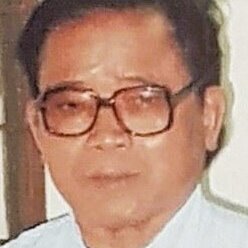
Long Seam ឡុង សៀម [or Long Siem; Лонг Сеам in Russian] (15 July 1935, Thla Village, Kampong Thom Province — 15 July 2007, Phnom Penh) was a Cambodian historian, philologist and specialist of Khmer epigraphy who was instrumental in the revival of Cambodian cultural research from the 1980s and contributed in a major way to the study of the Ancient Khmer linguistic system.
While completing his studies at the Faculty of Letters at the University of Phnom Penh, Long Seam received his certification from the National Institute of Pedagogy ans taught Khmer language in various high schools across the Kingdom. In 1965, he was officially appointed Professor of Khmer at Moscow Institute of International Relations [Московский государственный институт международных отношений] in 1965, he continued his linguistic studies at the Institute of Oriental Studies, Russian Academy of Sciences [Институт востоковедения АН СССР], graduating in 1971 with a thesis on Khmer lexicology. His collaboration with famed Russian grammarian Yuri A. Gorgonev [Ю. А. Горгониев] and other scholars paved the way for cultural exchanges between Russia and Cambodia after the civil war.
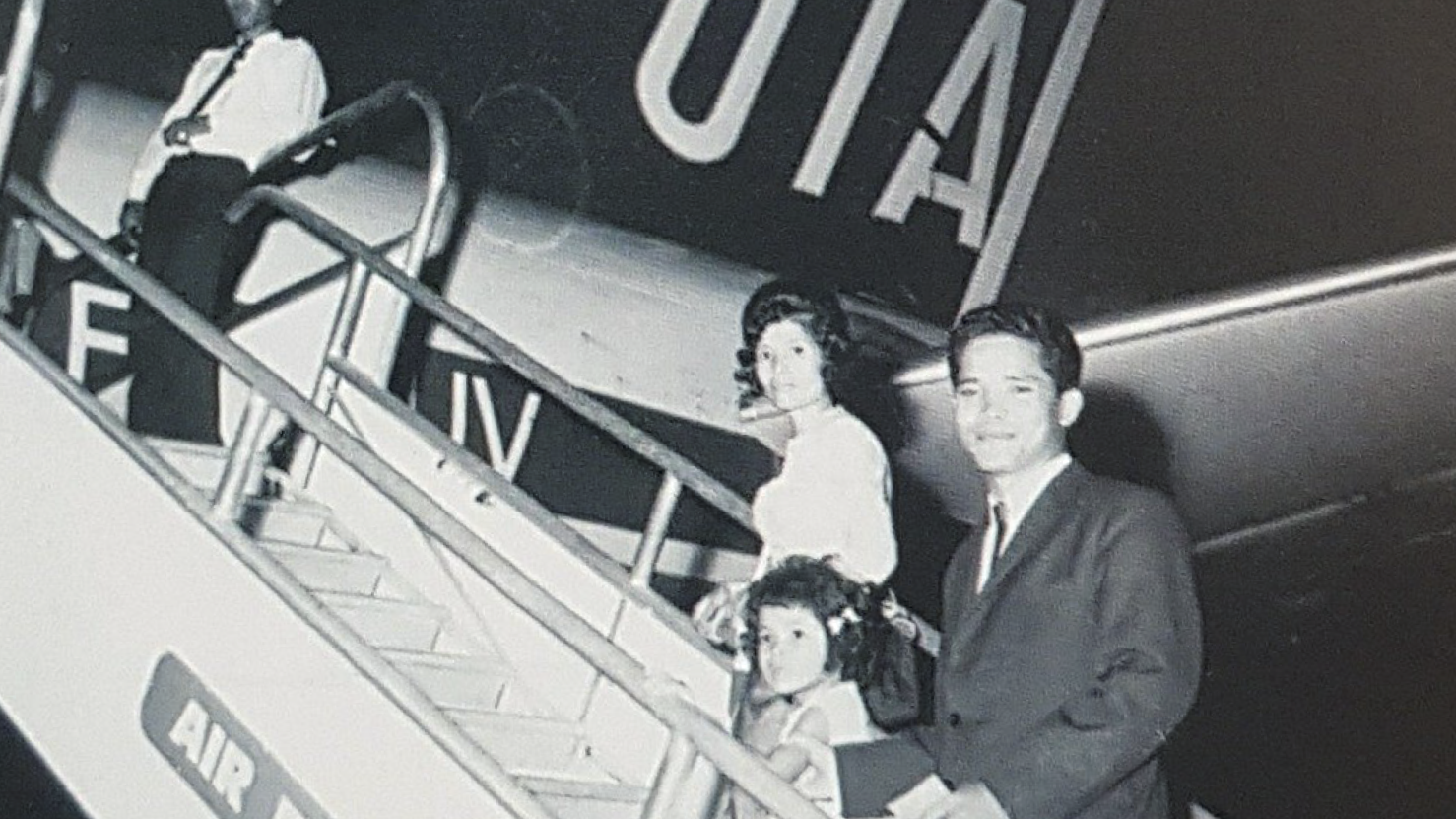
1) Long Seam c. 1965, boarding a plane to Moscow with wife and daughter Saothan and Sokunthea, who tragically disappeared under the Khmer Rouge. 2) With his second wife Klara in Moscow in the late 1980s. After Klara’s death in 2004, he married Vanna, his widow since 2007 [photos from the Biography published by INL/RAC on Long Seam’s passing.]
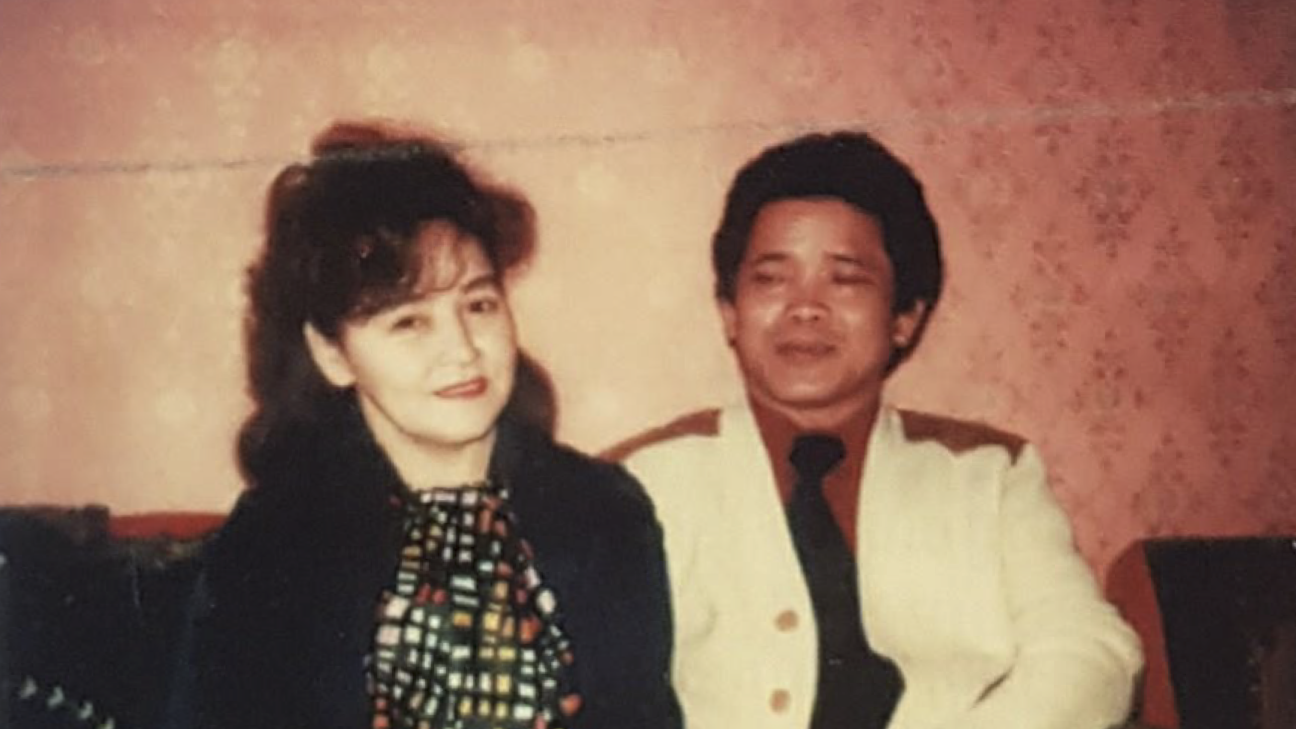
1) Long Seam c. 1965, boarding a plane to Moscow with wife and daughter Saothan and Sokunthea, who tragically disappeared under the Khmer Rouge. 2) With his second wife Klara in Moscow in the late 1980s. After Klara’s death in 2004, he married Vanna, his widow since 2007 [photos from the Biography published by INL/RAC on Long Seam’s passing.]
1) Long Seam c. 1965, boarding a plane to Moscow with wife and daughter Saothan and Sokunthea, who tragically disappeared under the Khmer Rouge. 2) With his second wife Klara in Moscow in the late 1980s. After Klara’s death in 2004, he married Vanna, his widow since 2007 [photos from the Biography published by INL/RAC on Long Seam’s passing.]
Long Seam was in Moscow when the Khmer Rouge forces took over Phnom Penh in April 1975, and he had to take refuge in France. In 1976, he started to prepare at Sorbonne University his doctoral thesis (1980) on Old Khmer vocabulary in the 6th-14th-century inscriptions, under the supervision of Jean Delvert [see Sakou Samoth, Hommes et Histoire du Cambodge, 2012, p. 119]. His wife, Khleang Saothan, — they were married in 1955 — and their daughter, Long Sokonthea, both disappeared under the Khmer Rouge régime.
He was able to finally return to Cambodia in 1982, part of a Russian delegation on an assessment mission, contributing to the development of Russian support in the fields of education and health (the Khmer-Soviet Friendship Hospital in Phnom Penh, opened in 1960, was modernized after having been used by the Khmer Rouge leaders for themselves during the régime of terror) while keeping on with his scholarly activities in Moscow. He remarried with Klara, a head doctor in a Moscow hospital who died in 2004. In 1993, following the Paris Peace Agreement, he resettled permanently in Cambodia, launching a vast program of epigraphic and linguistic studies thanks to the TOKTEN (Transfer of Knowledge Through Expatriate Nationals) United Nations program. Appointed advisor to the Royal Government of Cambodia in 1994, he founded the National Language Institute វិទ្យាស្ថានភាសាជាតិ while teaching Old Khmer at the Faculty of Archeology, Royal University of Phnom Penh to new generations of researchers. In 2006, he was appointed vice-president of the Royal Academy of Cambodia រាជបណ្ឌិត្យសភាកម្ពុជា — which he had joined in 2001 — with the rank of Secretary of State.
Long Seam’s summary of Khmer history (ប្រវត្តិសាស្ត្រសង្ខេបនៃប្រទេសកម្ពុជា [A Brief History of Cambodia], 1985) contributed to the refoundation of the curriculum in history teaching endorsed by the Cambodian Ministry of Education. Earlier, he had explored the Cambodian Buddhist tradition with an essay on the Mahavesantharajataka, a version of the Vessantara Jataka, this tale of ultimate generosity (dāna pāramī) at the core of Theravada Buddhism. Yet, his major interest remained the historical and linguistic significance of pre-Angkorian and Angkorian inscriptions.
The culmination of three decades of work, the first volume of his monumental Dictionary of Old Khmer [វចនានុក្រមខ្មែរបុរាណសម័យ មុនអង្គរ] came out in 2000, based on the study of Khmer inscriptions from the 6th to the 8th centuries. According to researcher Olivier de Bernon, Long Seam’s dictionary
surpasse tous les travaux publiés jusqu’alors dans ce domaine. Il comporte, pour chaque entrée, une graphie reproduisant approximativement celle des inscriptions ainsi que de nombreuses références et citations traduites. Plus remarquable encore, il signale scrupuleusement le caractère hautement hypothétique qu’a bien souvent la tentative de traduction des très nombreux noms propres khmers rencontrés dans de longues listes de serviteurs ; le sens assigné à ces noms propres est alors systématiquement précédé de l’indice « n.p. » soulignant ainsi l’incertitude qui s’y rattache.
[“surpasses all the work published so far in this field. Each entry includes a written form that roughly reproduces that of the inscriptions as well as numerous translated references and quotations. Even more remarkable, it scrupulously points out the highly hypothetical nature of the attempt to translate the countless Khmer proper names encountered in long lists of servants; the meaning assigned to these proper names is then systematically preceded by the index “n.p.”, thus underlining the uncertainty attached to it.”] [O. de Bernon, ‘In memoriam Long Seam (1935−2007)’, Aséanie 19, 2007. pp. 9 – 11].
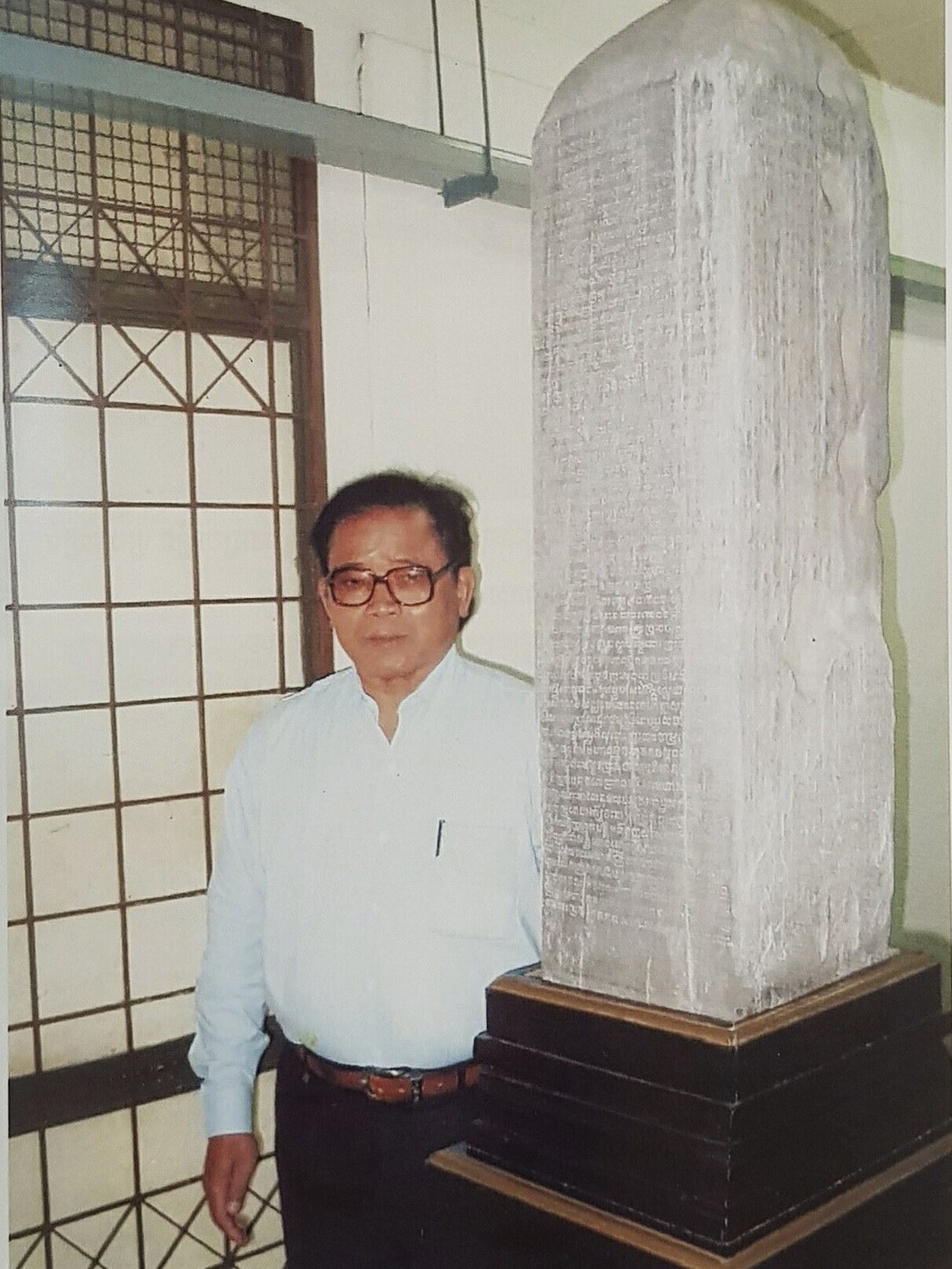
Long Seam near a a Khmer inscribed stele at Bangkok National Museum, undated [photo from INL/RAC Biography].
Long Seam near a a Khmer inscribed stele at Bangkok National Museum, undated [photo from INL/RAC Biography].
The handwritten material for the following volumes Long Seam couldn’t complete before his passing in 2007 is still being processed by a team of Cambodian linguists under the direction of Dr. Meakh Bora បណ្ឌិត មាឃ បូរ៉ា head of inscriptions at the Institute of National Language. The posthumous publication of this masterpiece, extending to post-Angkorian inscriptions from the 16 th century, will be the first comprehensive rendition of the ancient corpus in modern Khmer.
See also ជីវប្រវត្តិ ឯកឧត្តមសាស្ត្រាចារ្យបណ្ឌិត ឡុង សៀម [A Biography of Prof. Dr. Long Seam], វិទ្យាស្ថានភាសាជាតិ-រាជបណ្ឌិតសភាកម្ពុជា [National Language Institute — Royal Academy of Cambodia], Phnom Penh, BE 2551 (2007), 38 p. [Memorial publication on Long Seam’s funerals].
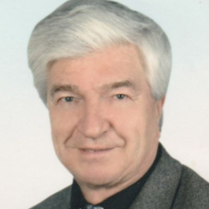
Evgeny Vasilyevich Kobelev Евгений Васильевич Кобелев [E.V. Kobelev (Е.В. Кобелев)] (2 May 1938, Ulyanovsk — 5 May 2025, Moscow, Russia) was a Russian reporter and researcher who covered the Vietnam War from 1964 to 1975 and co-authored the one and only illustrated book on Cambodia immediately after the civil war, Kампучия восставшая из пепла [Cambodia Risen From the Ashes], edited in Khmer as ការស្ថាបនាប្រទេសកម្ពុជាក្រោយគ្រោះមហន្តរាយ [Cambodia: Rebuilding After the Disaster], published in Moscow and Phnom Penh in 1986.
While studying at Lomonosov Moscow State University , E.V. Kobelev was one of the first Soviet students to opt for studying Vietnamese language and civilization. As reflected in the title of his first published book, Вьетнам, любовь и боль моя [Vietnam, My Love and My Pain] (1969), Vietnam, the Vietnam (or “American”) War and the neighboring countries of Cambodia and Laos determined both his fate and his entire career.
As a correspondent with the state news agency TASS, he covered the conflict on the field starting from 1964, pursuing his academic research on modern Vietnamese history and publishing in 1979 the first exhaustive biography of revolutionary leader Ho Chi Minh in Russian, with numerous translations abroad. As a member of the Central Committee of the Communist Party of Soviet Union (CPSU) until 1991, he supervised relations with the communist parties and revolutionary movements of the Indochina countries.
Active in several international committees devoted to public diplomacy (Russian-Vietnamese Friendship Society, Solidarity Committee with the People of Vietnam, Laos, Cambodia), E. V. Kobelev joined the Institute of Oriental Studies, Russian Academy of Sciences, in 1991. He furthered his study on Southeast Asia, in particular the “реакционная клика Пол Пота” [Pol Pot’s reactionary clique], concentrating on Vietnamese contemporary politics. In 2008, he established and led until 2013 the Центр изучения Вьетнама и АСЕАН (Center for Vietnam and ASEAN Studies) at the Institute of Far Eastern Studies [IFES, now Institute of China and Modern Asia (ICCA)].

1) As a TASS correspondent in Vietnam, 1965. 2) With several of his published books. 3) With daughter Tania in Leningrad, 1989. [all photos from E.V. Kobelev, 65 Years with Vietnam: Memories, 2022.] 4) Cover of his 1986 book on Cambodia, with photographs by A.V. Lieberman.
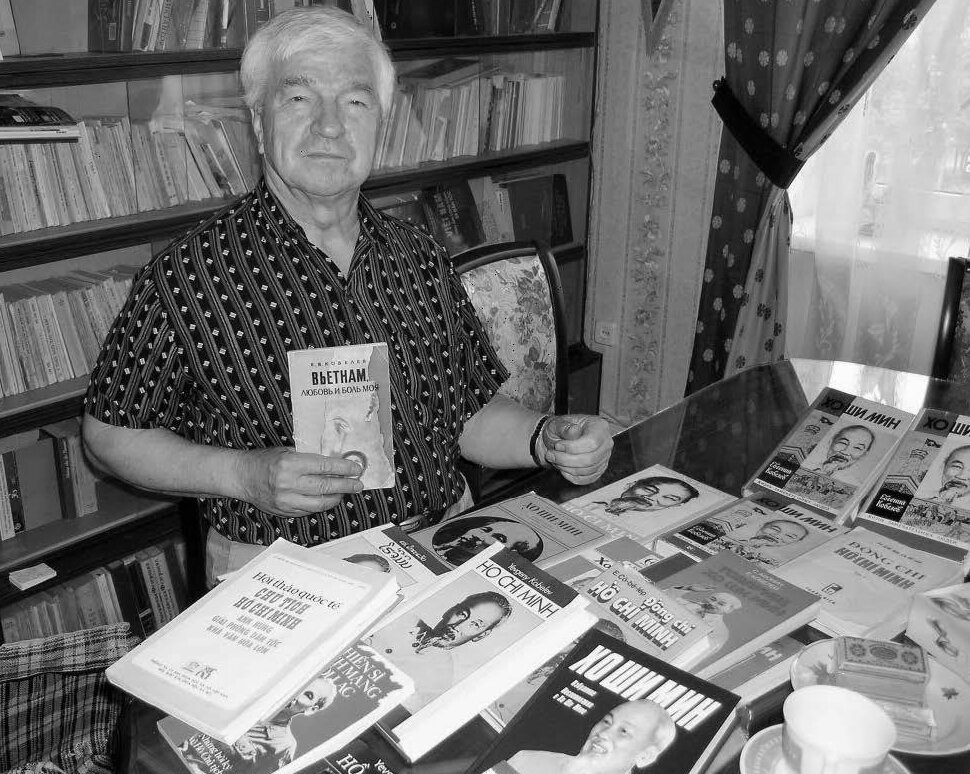
1) As a TASS correspondent in Vietnam, 1965. 2) With several of his published books. 3) With daughter Tania in Leningrad, 1989. [all photos from E.V. Kobelev, 65 Years with Vietnam: Memories, 2022.] 4) Cover of his 1986 book on Cambodia, with photographs by A.V. Lieberman.
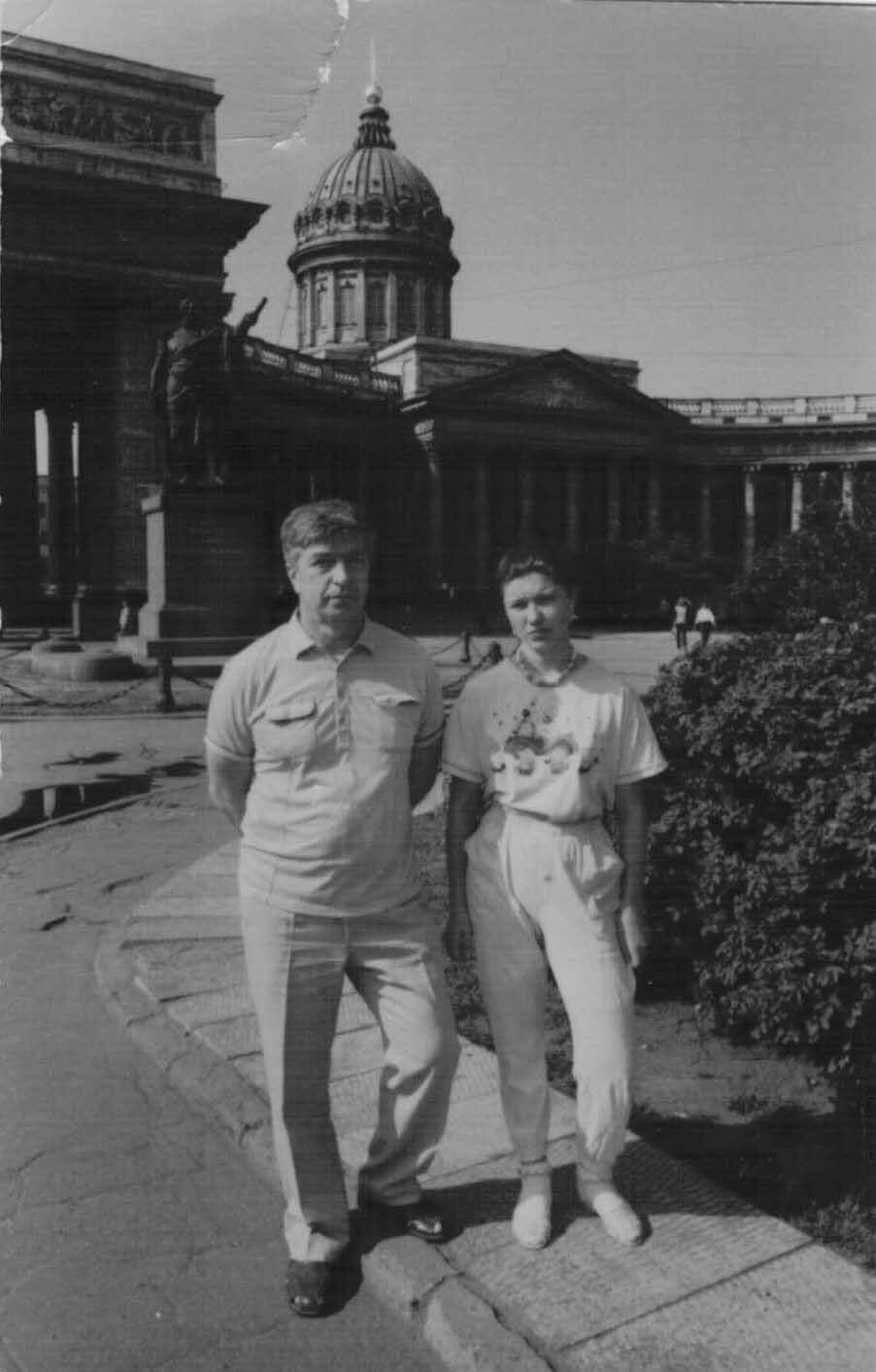
1) As a TASS correspondent in Vietnam, 1965. 2) With several of his published books. 3) With daughter Tania in Leningrad, 1989. [all photos from E.V. Kobelev, 65 Years with Vietnam: Memories, 2022.] 4) Cover of his 1986 book on Cambodia, with photographs by A.V. Lieberman.
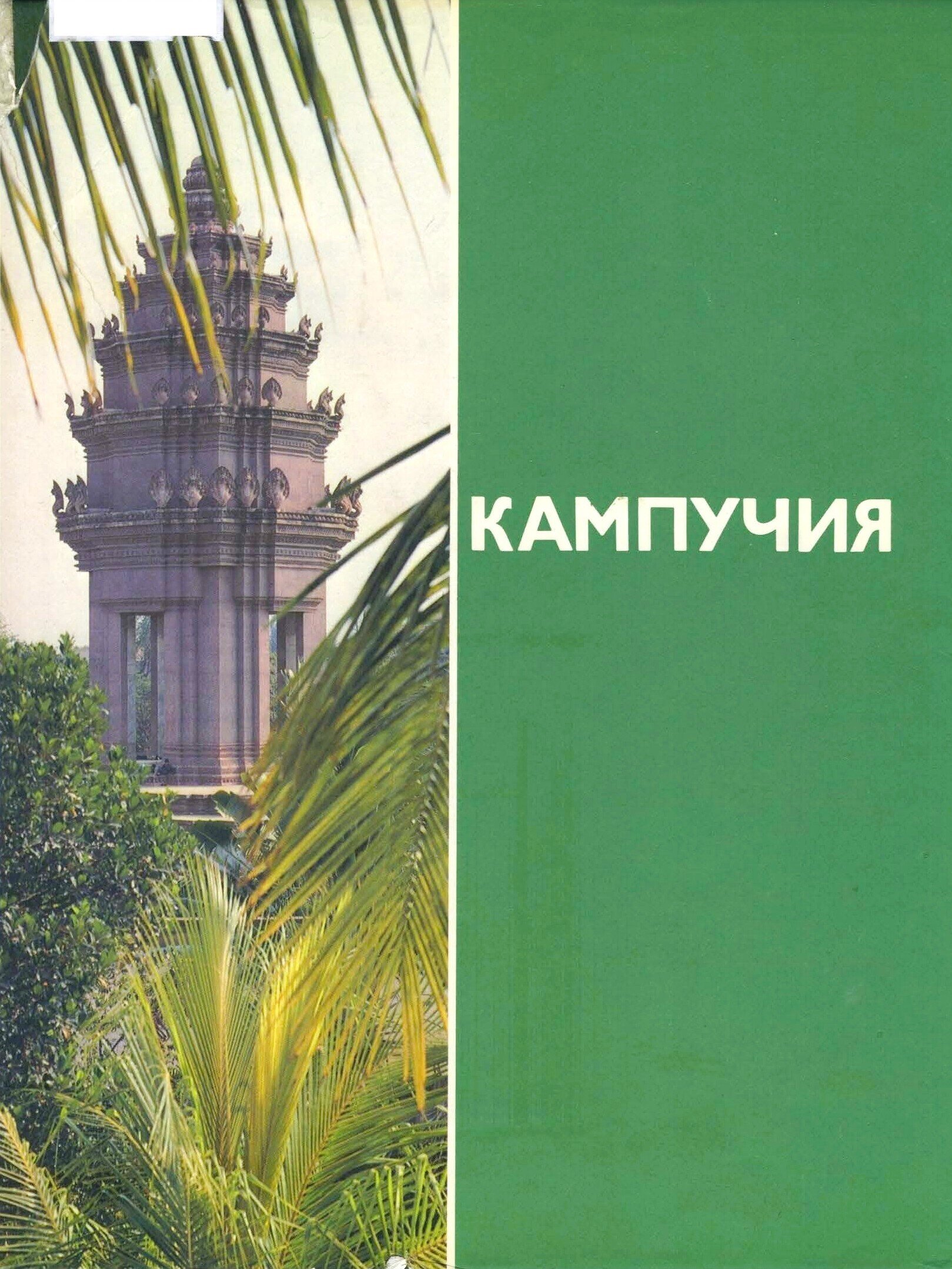
1) As a TASS correspondent in Vietnam, 1965. 2) With several of his published books. 3) With daughter Tania in Leningrad, 1989. [all photos from E.V. Kobelev, 65 Years with Vietnam: Memories, 2022.] 4) Cover of his 1986 book on Cambodia, with photographs by A.V. Lieberman.
1) As a TASS correspondent in Vietnam, 1965. 2) With several of his published books. 3) With daughter Tania in Leningrad, 1989. [all photos from E.V. Kobelev, 65 Years with Vietnam: Memories, 2022.] 4) Cover of his 1986 book on Cambodia, with photographs by A.V. Lieberman.
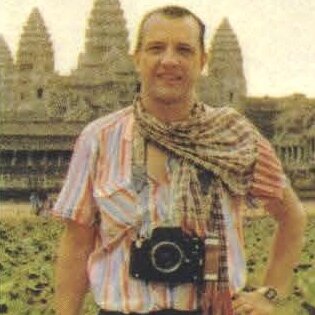
Albert Victorovich Lieberman Альберт Викторович Либерман (b. 1945) is a Russian photoreporter and photographer.
In the 1980s, A.V. Lieberman contributed to several photo albums published in Moscow by the publishing house Планета [Planeta], including books on Cuba, Mongolia, the Olympic Games, and the rare photographic depiction of Cambodia after the 1970s civil war with Cambodia Risen from the Ashes [texts by E.V. Kobelev and N.N. Sonltsev, 1986 (Russian edition) and 1988 (Khmer edition)].