

Publications
November 1967: Jackie K. Goes To Cambodia
by Angkor Database
by Collective
The Cambodian angle on the Nov. 1967 visit to Phnom Penh, Siem Reap and Sihanoukville, with rare photographs composing a friendly, bittersweet photo album.
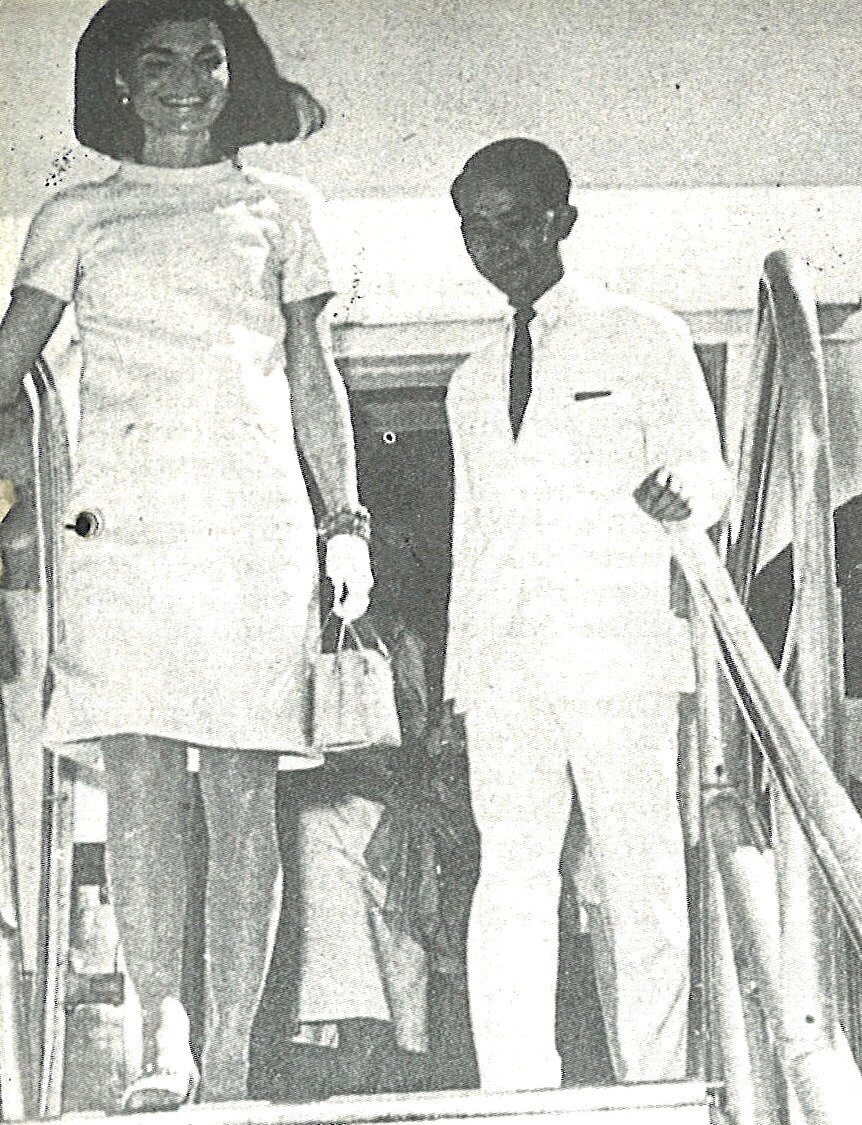
Arrival at Poncheutong Airport on Thursday 2 Nov. 1967, from Bangkok and with slightly delayed deplaning due to some last-minute political issues in a visit supposed to be cultural only.
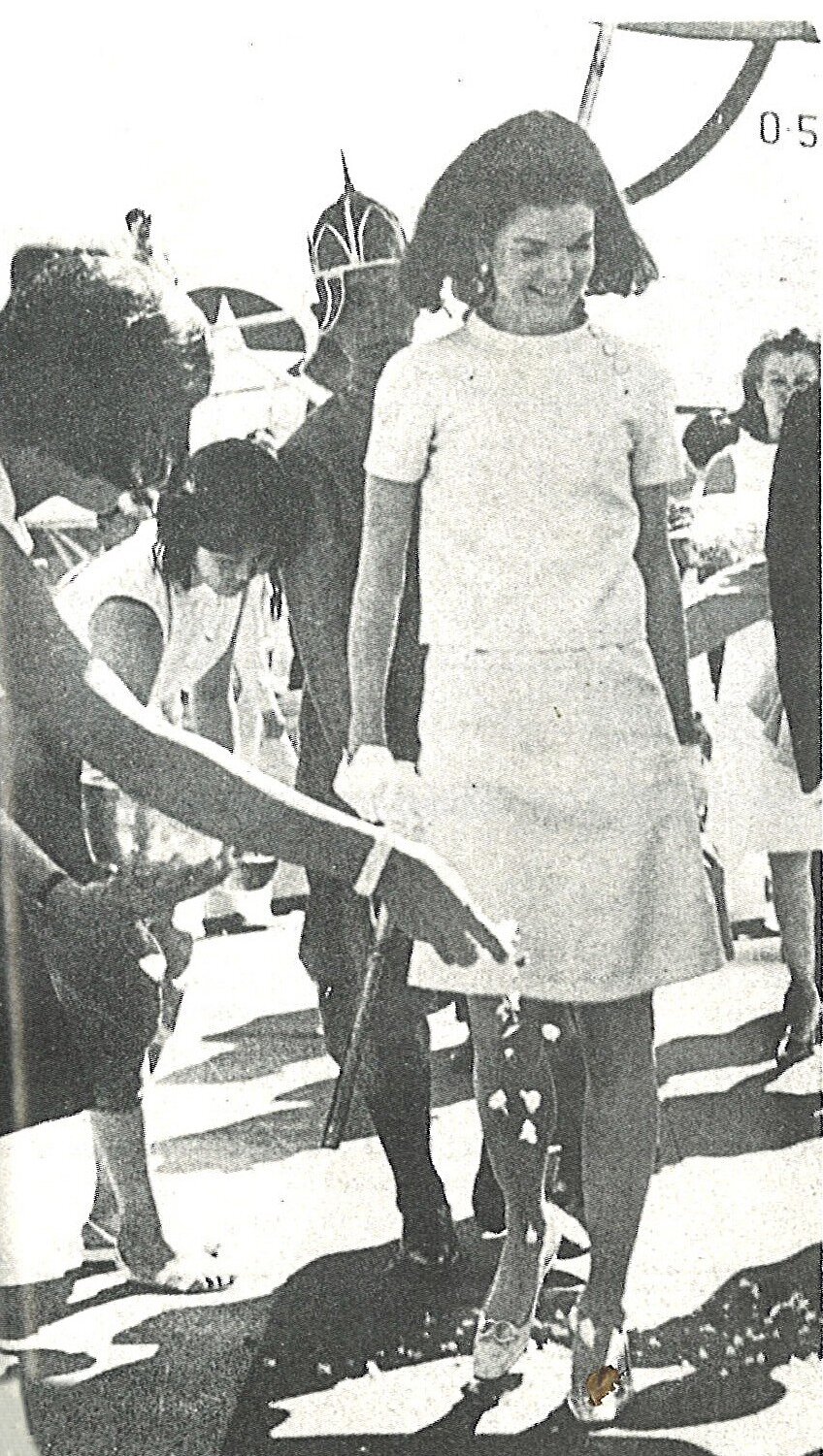
Young Cambodian girls spread flowers on the red carpet, the same precious ceremonial welcome bestowed to French President Charles de Gaulle 14 months earlier, in Sept. 1966.
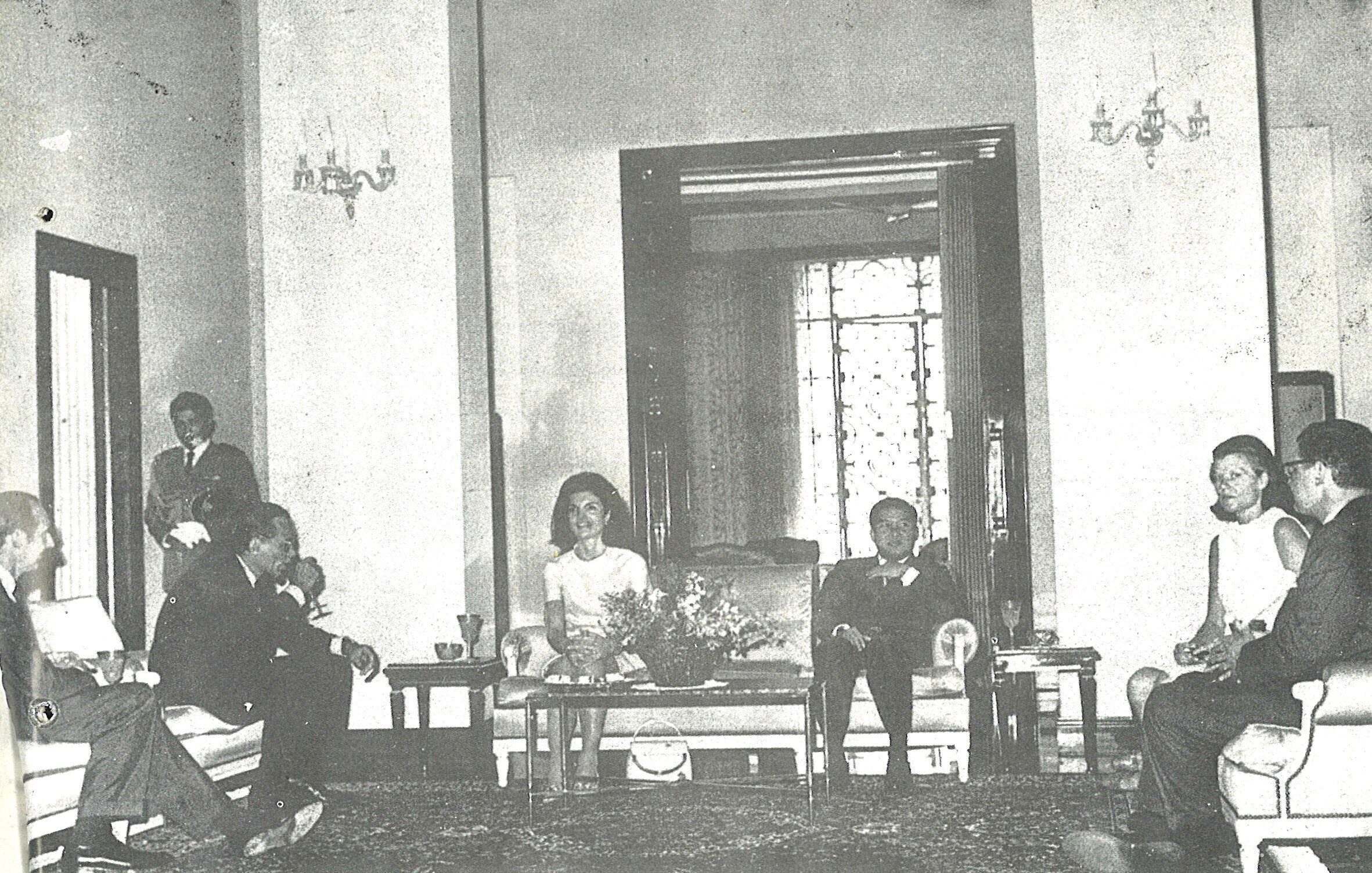
At Chancar Mon State Hall before Prince Sihanouk would introduce his distinguished guest to representatives and the diplomatic corps.
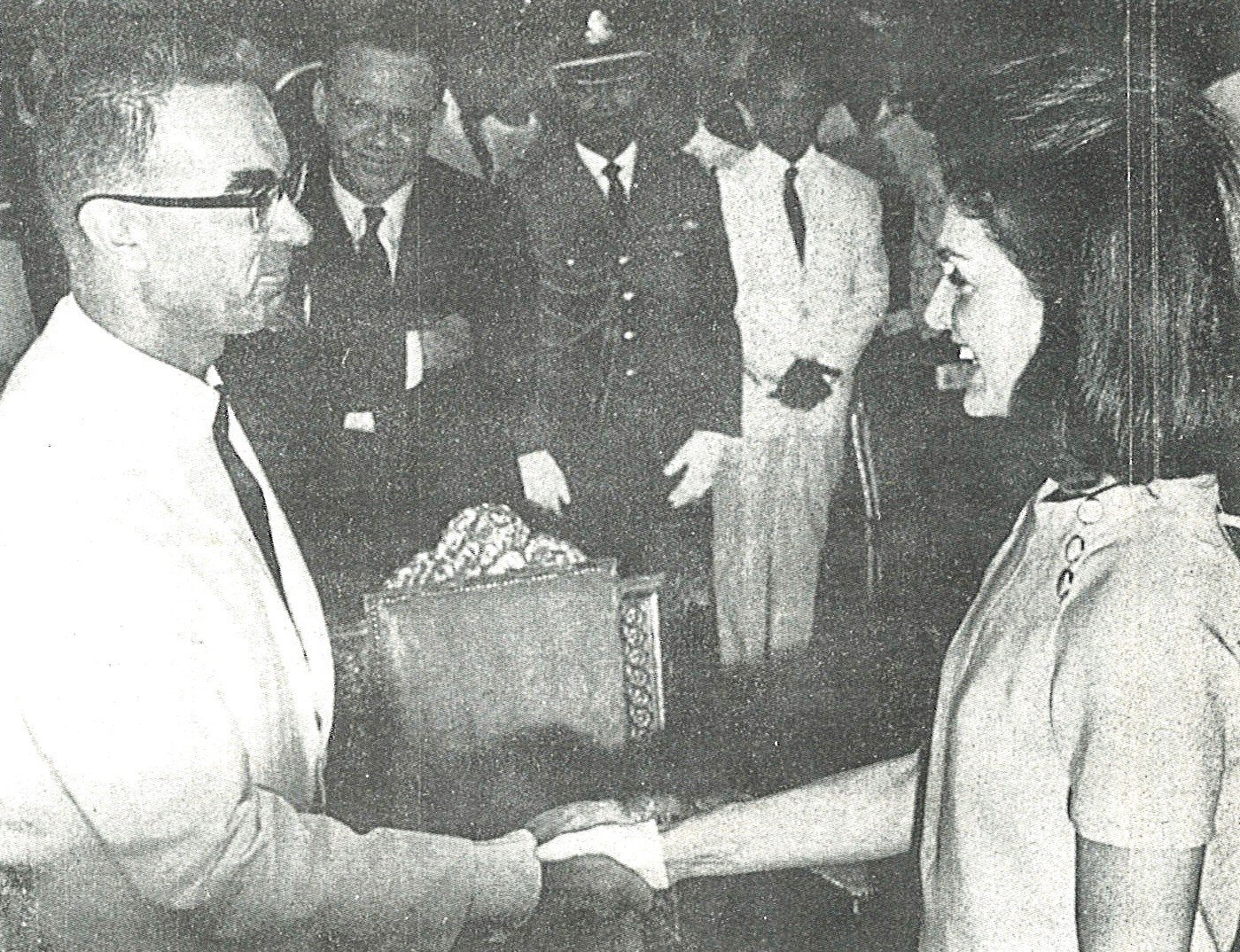
Official reception, Chamcar Mon, 2 Nov. 1967. Jackie Kennedy greets the USSR ambassador Anatoly P. Ratanov under the amused and slightly defiant gaze of Michael Forrestal, one of her two travel companions with Lord Harlech.
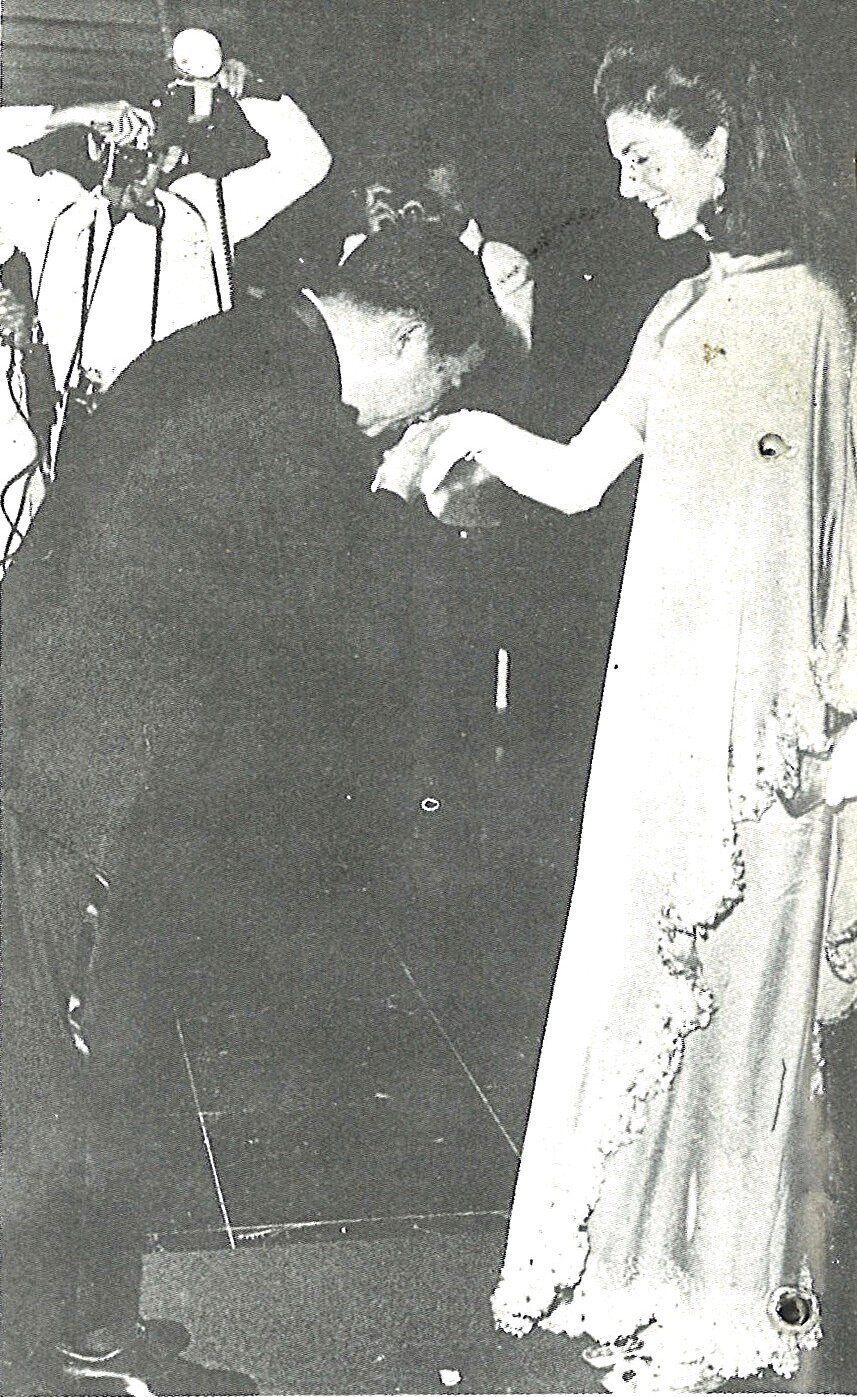
Arrival at the official dinner at Chamcar Mon State Palace, 8 PM.
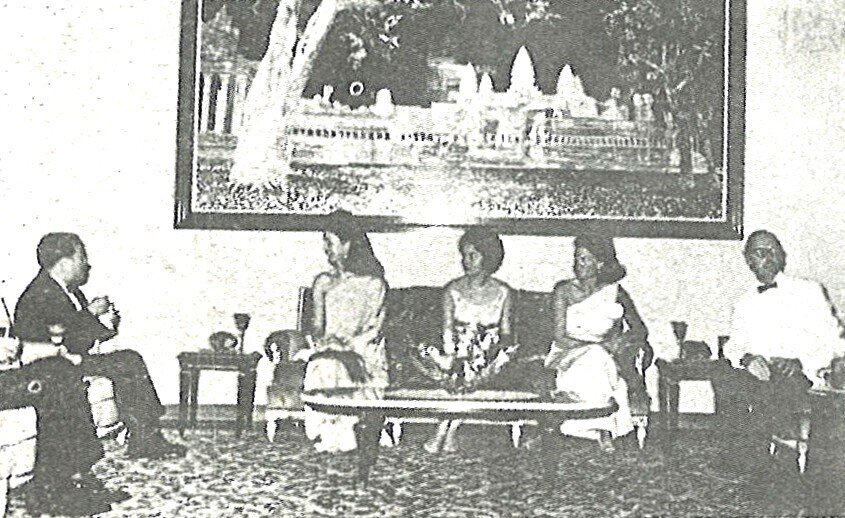
Chamcar Mon Palace, sitting from left to right with Prince Sihanouk, Princesse Monique-Monineath, unidentified lady, Lord Harlech looking prim and flustered.
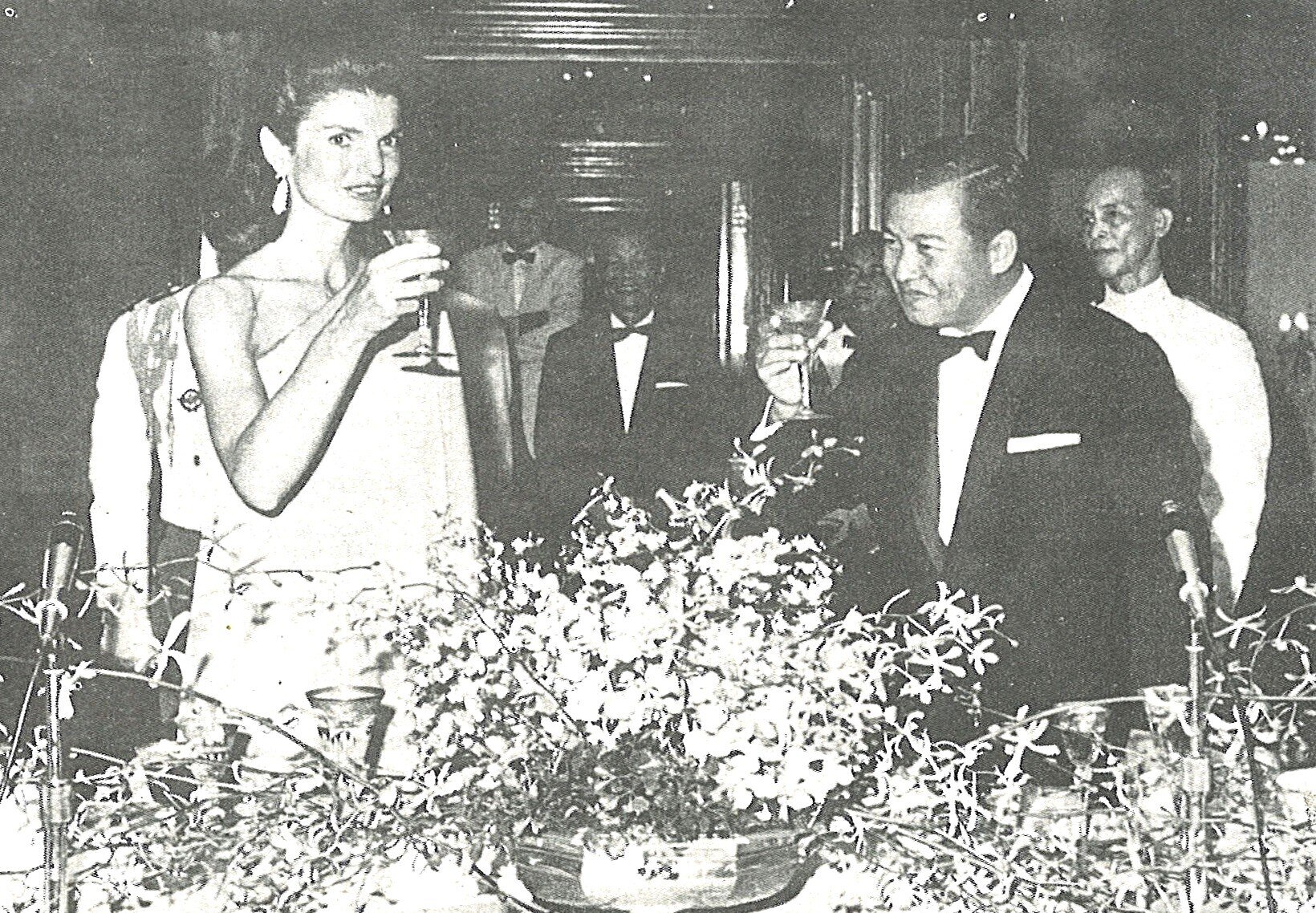
Toast at the opening of the official dinner.
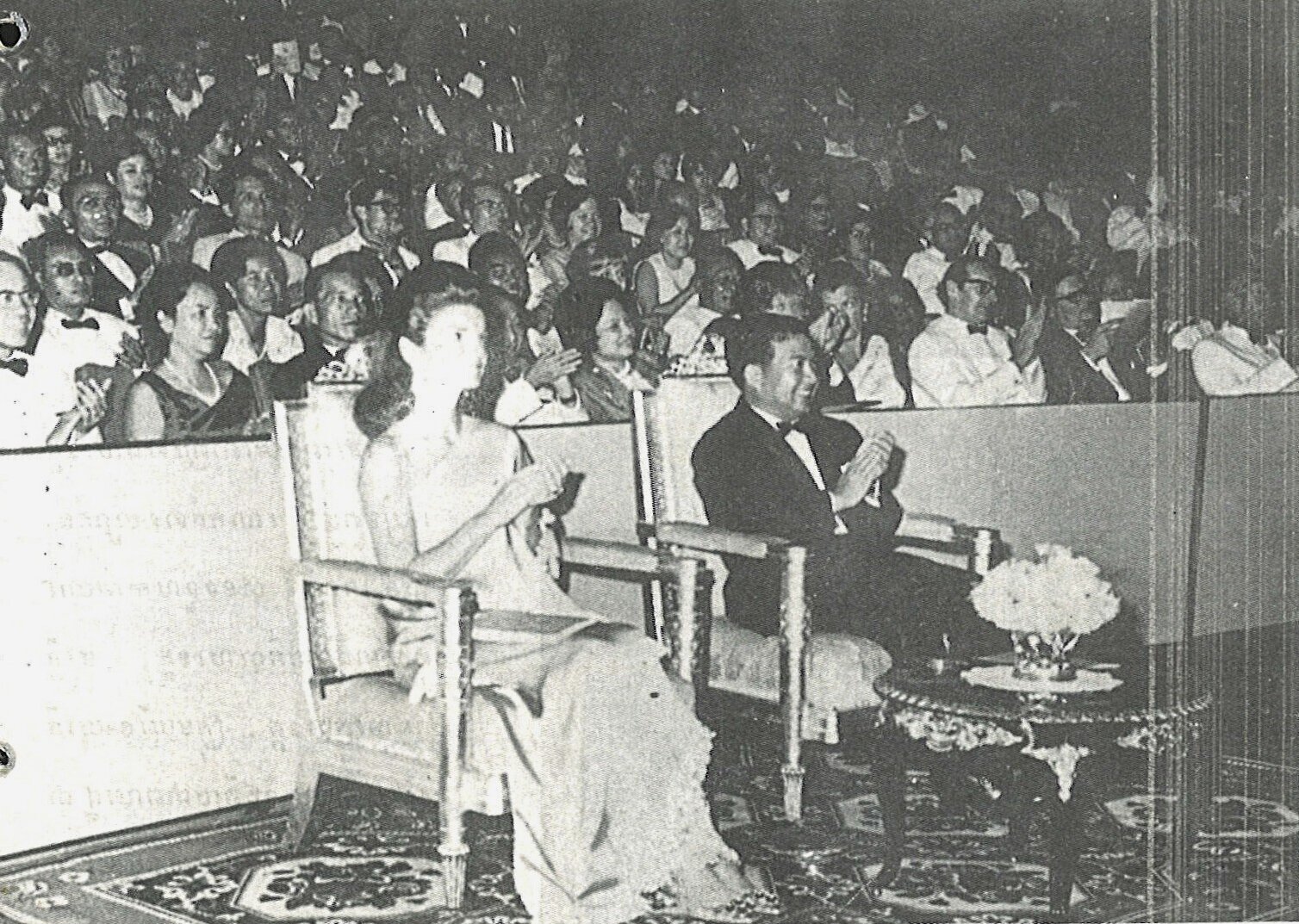
At the Royal Ballet performance [started around 10 PM].
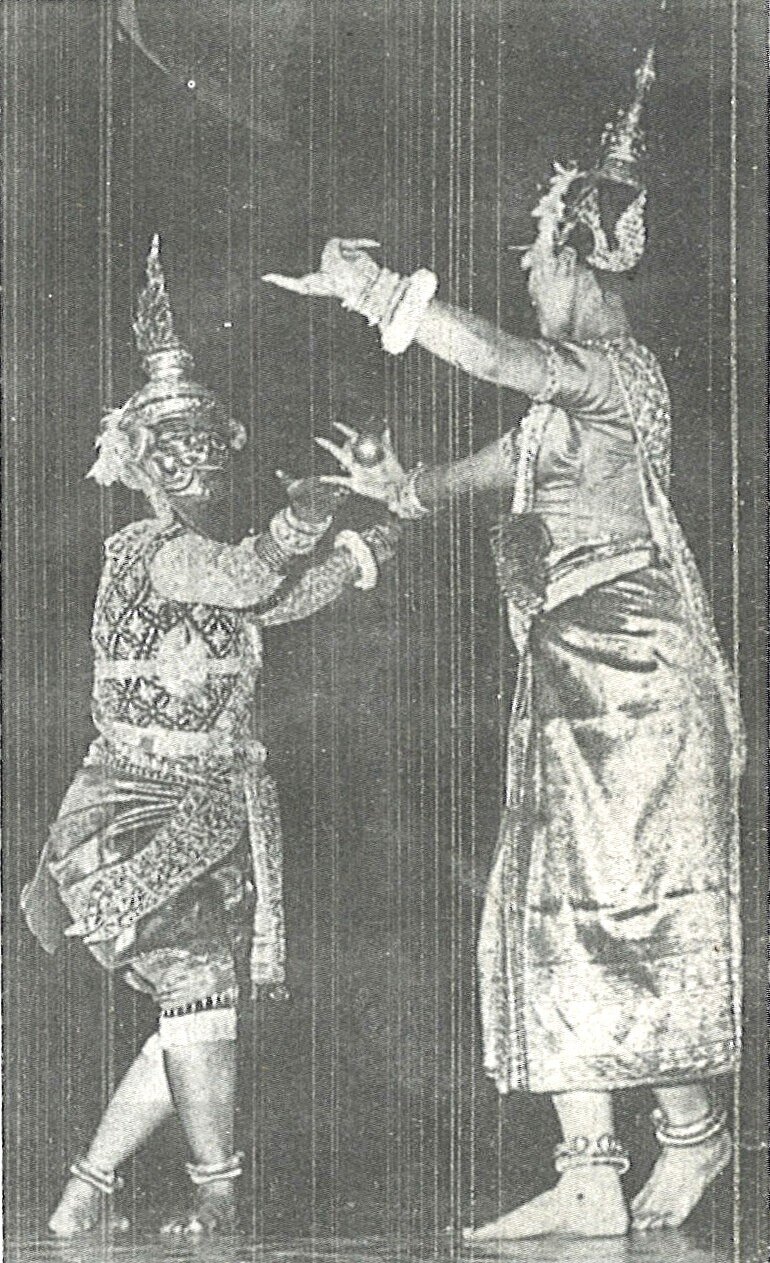
Royal Ballet performance, program unknown.
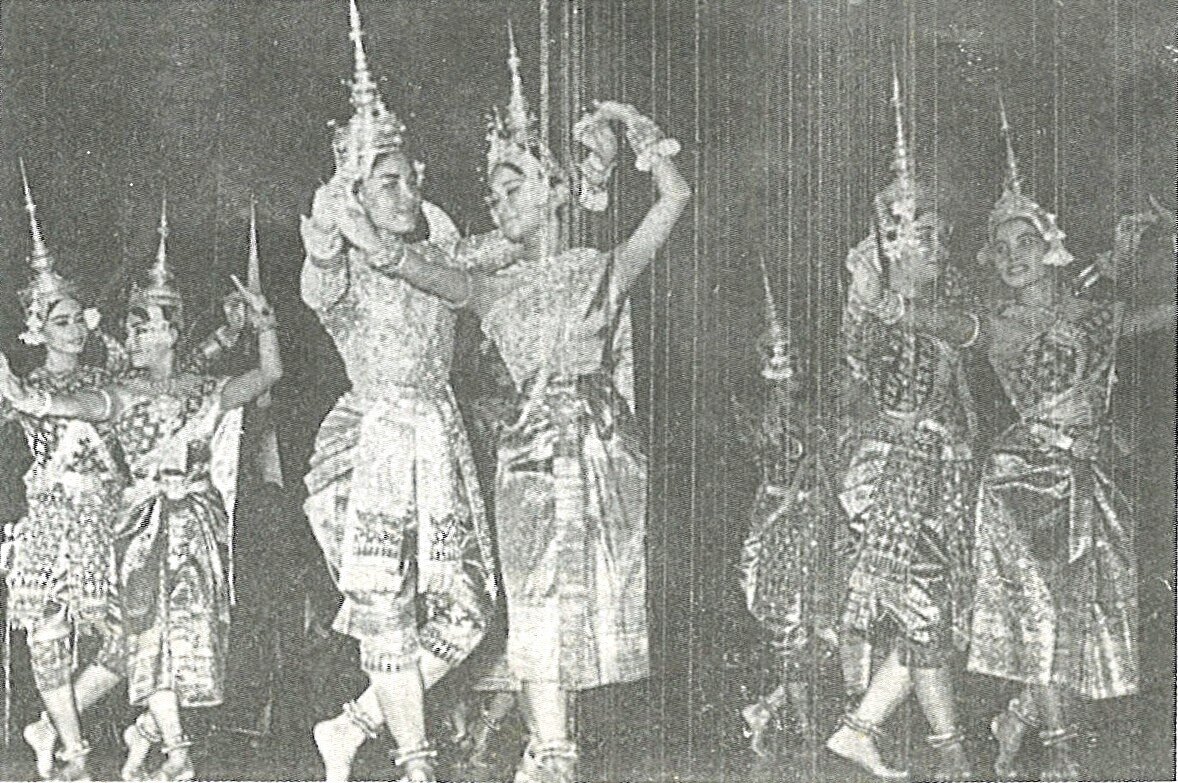
Royal Ballet performance, with a radiant Princess Buppha Devi center stage.
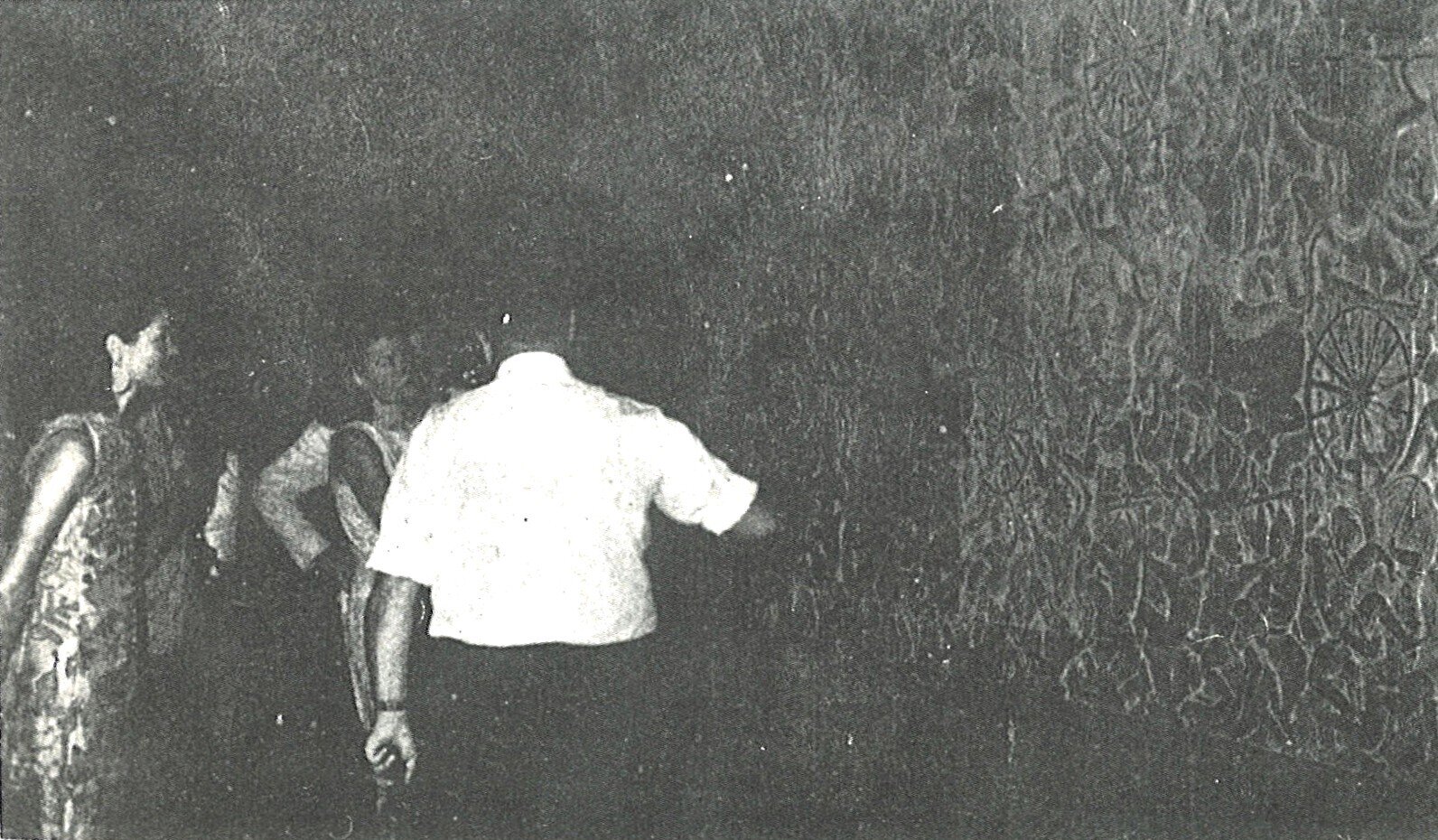
With Conservator Bernard Groslier in Angkor Wat sculpted galleries.
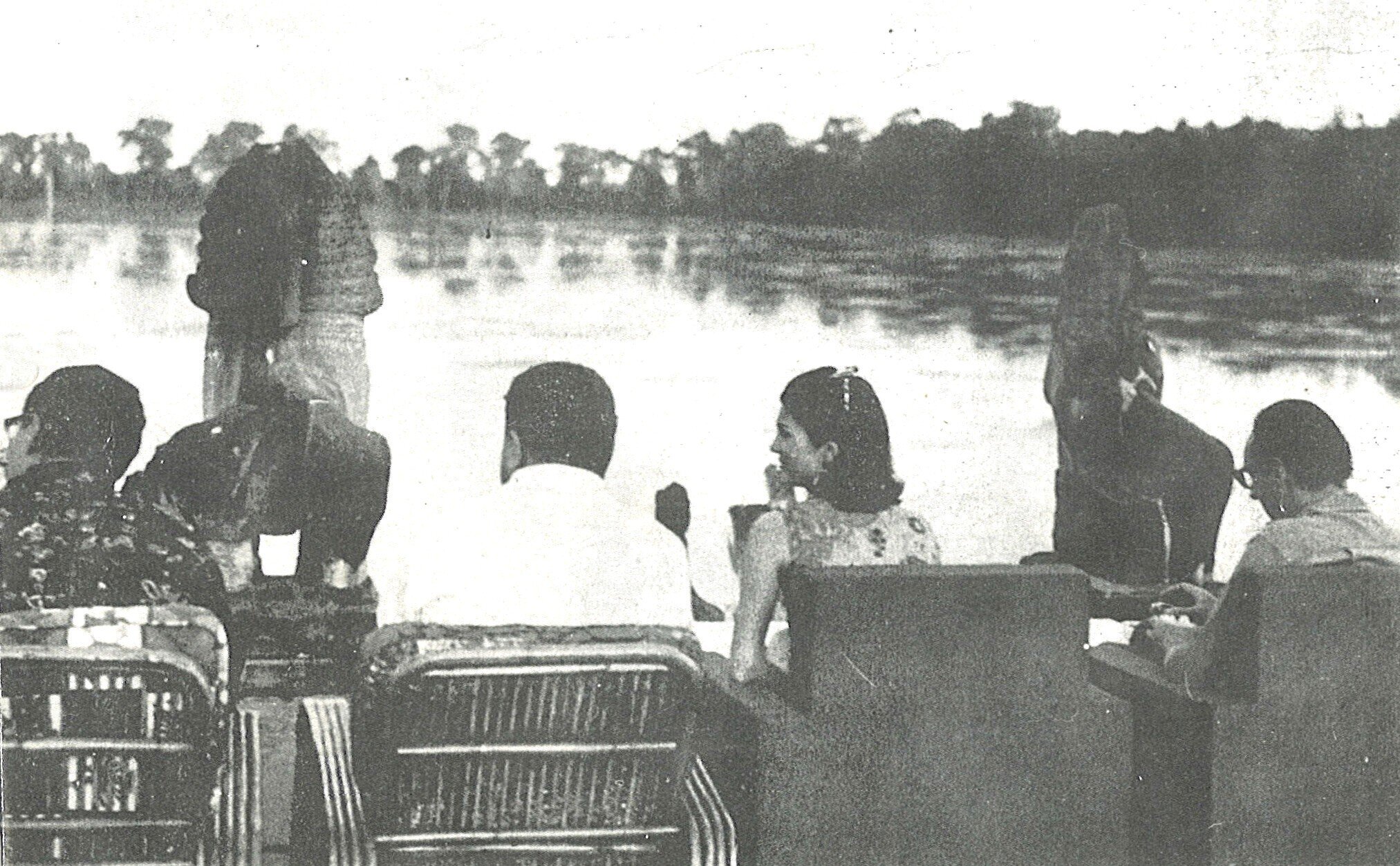
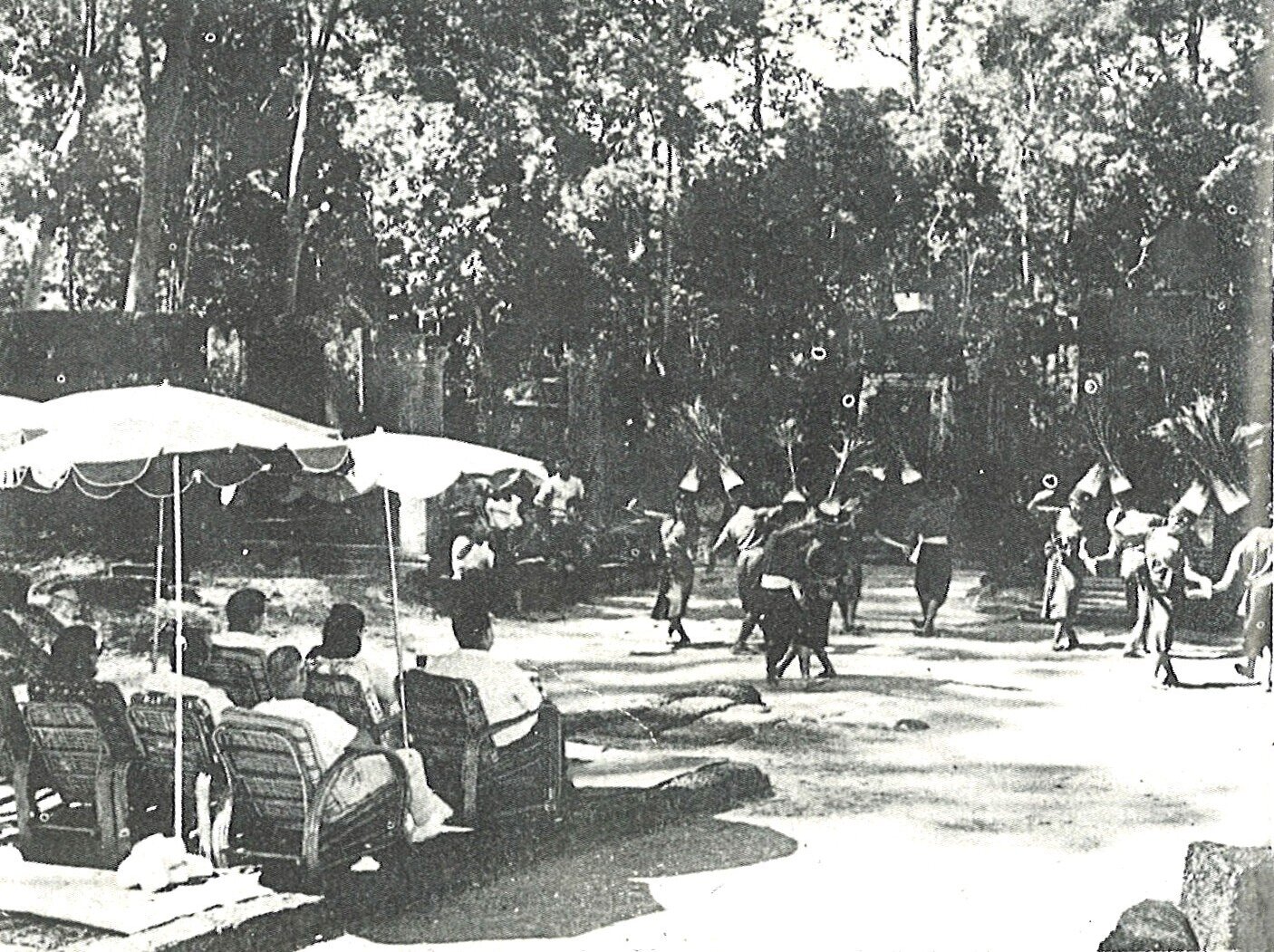
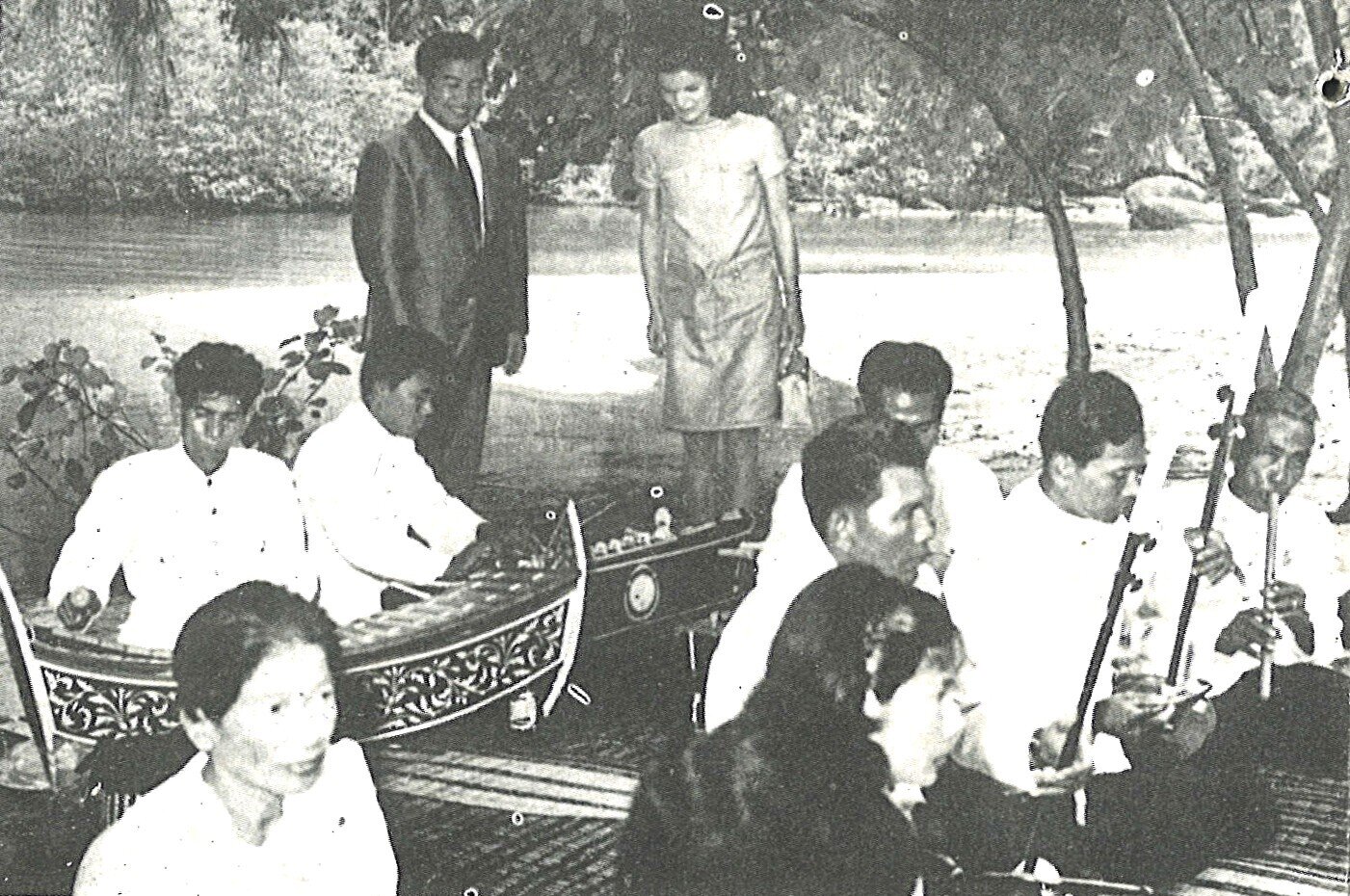
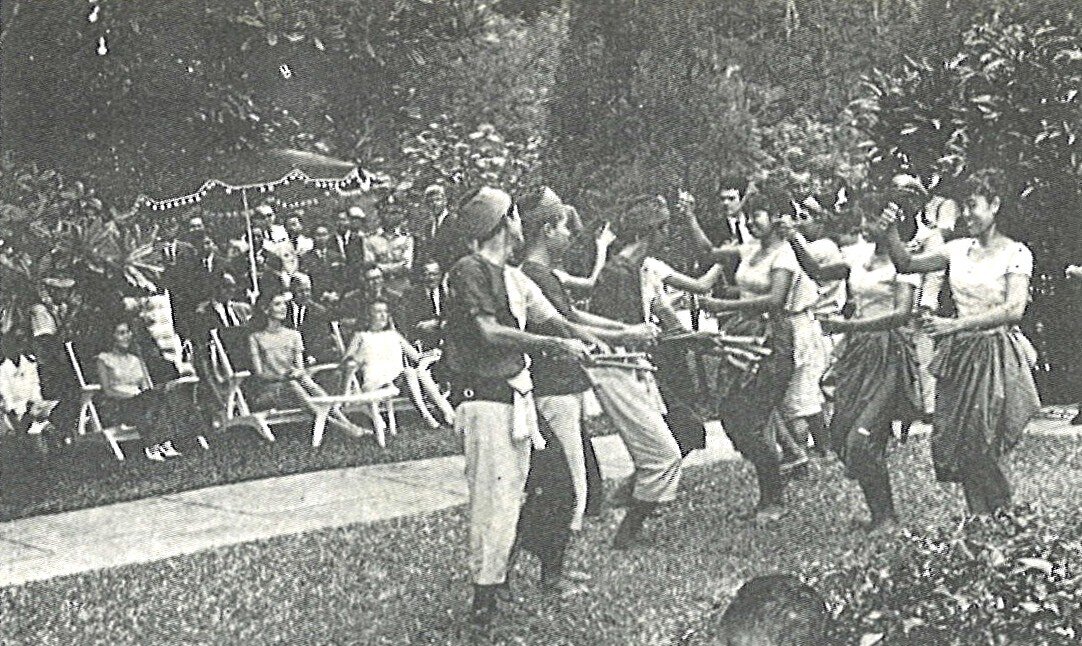
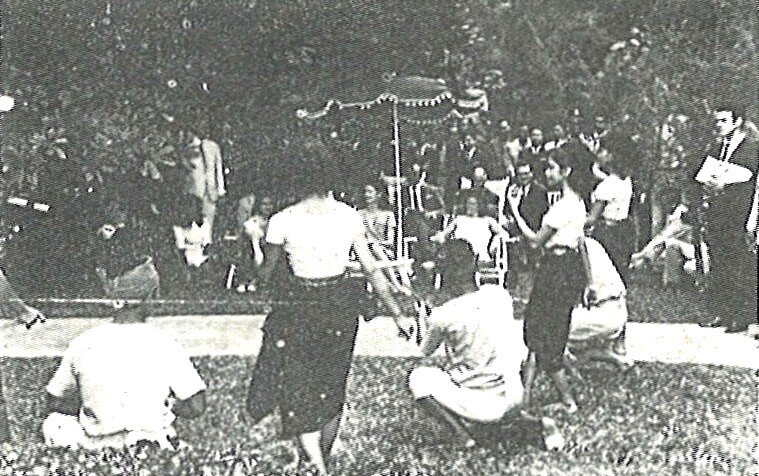
Peacok Dance during the tea party hosted by Princess Monineath near Sra Srang.
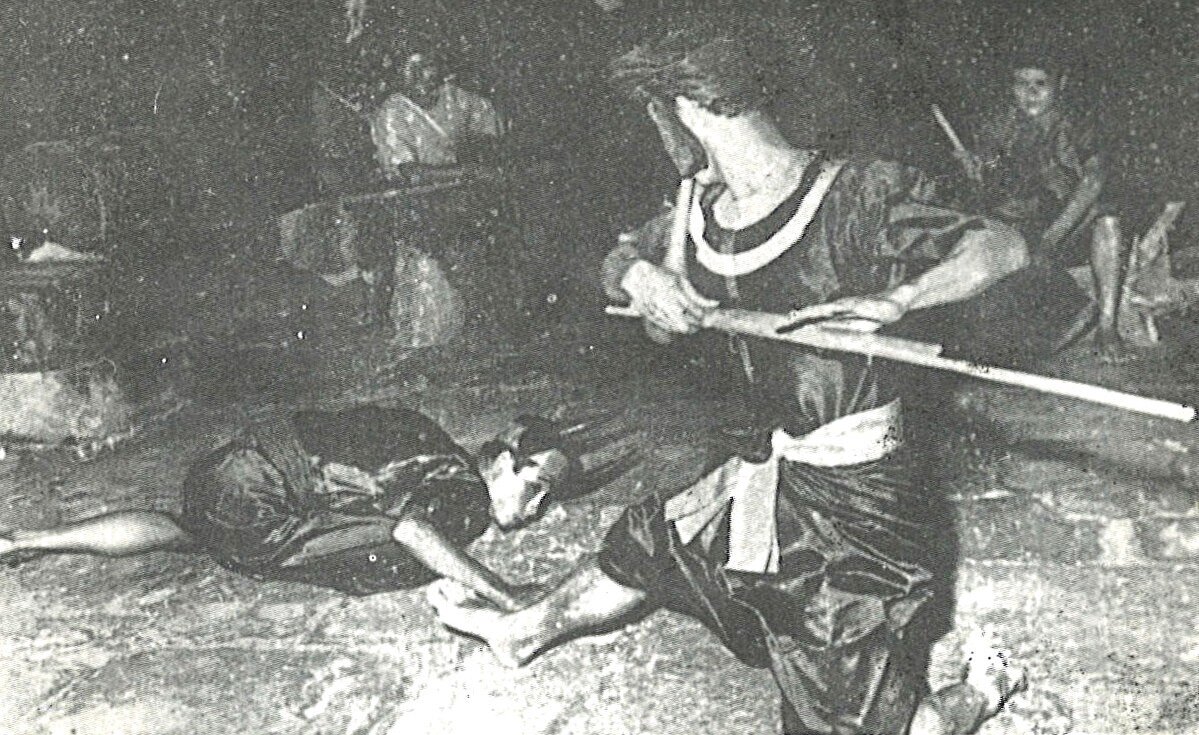
Folk dance during the tea party hosted by Princess Monineath near Sra Srang.
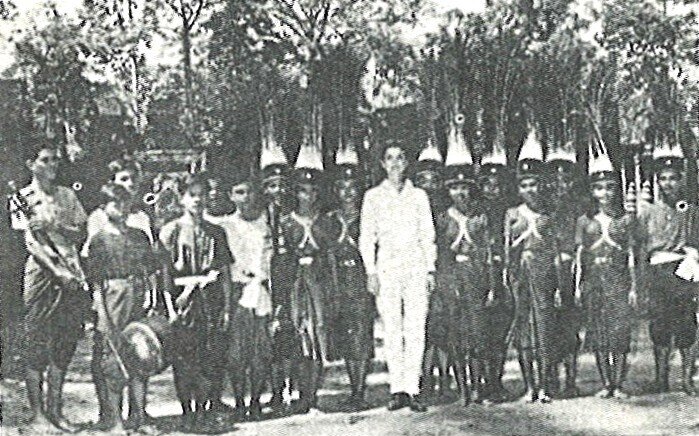
Posing with the Peacok Dance performers, RUFA students.
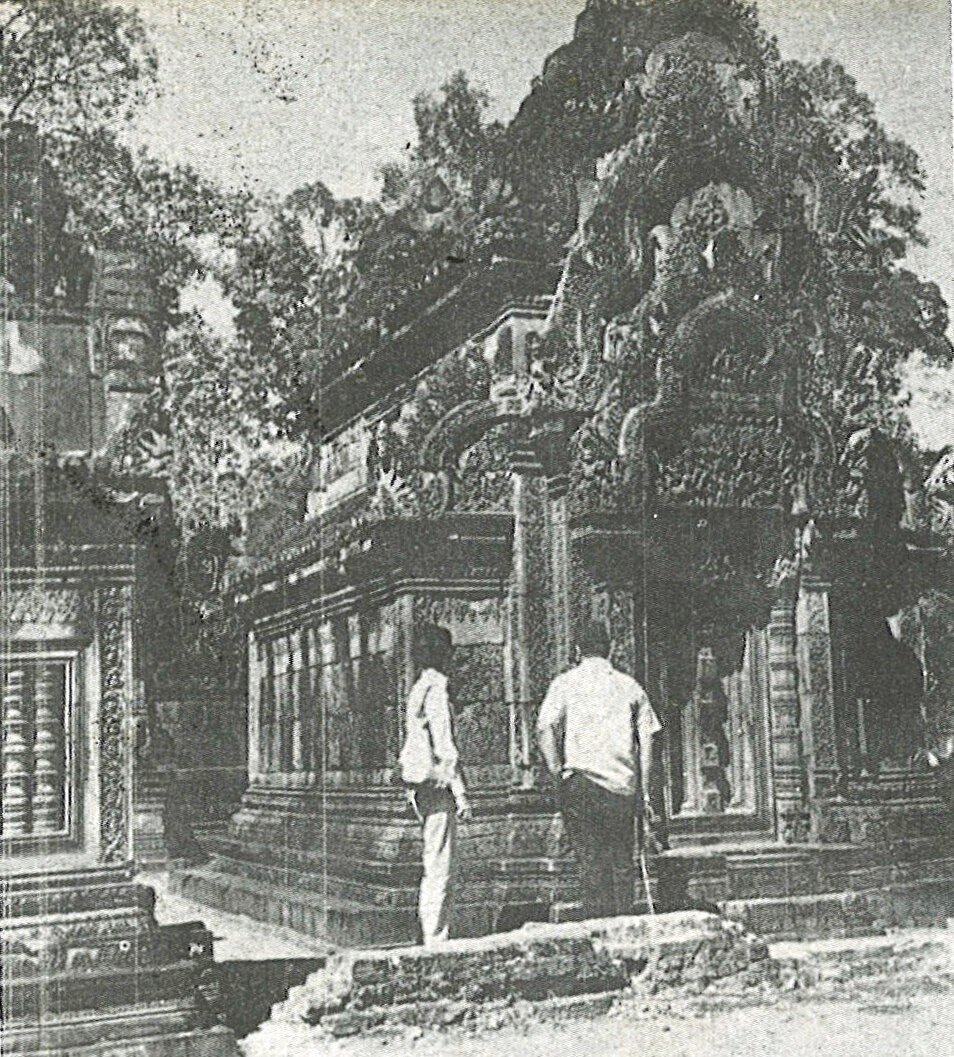
Visiting Banteay Srei Temple -reached by helicopter from Siem Reap - with Angkor Conservator Bernard Groslier.
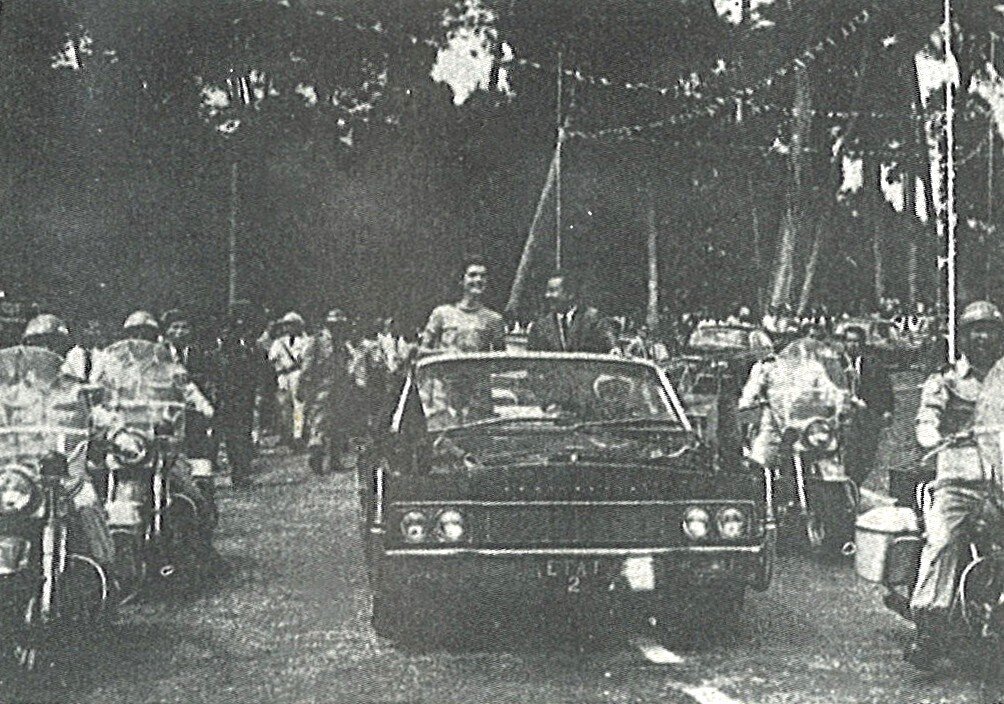
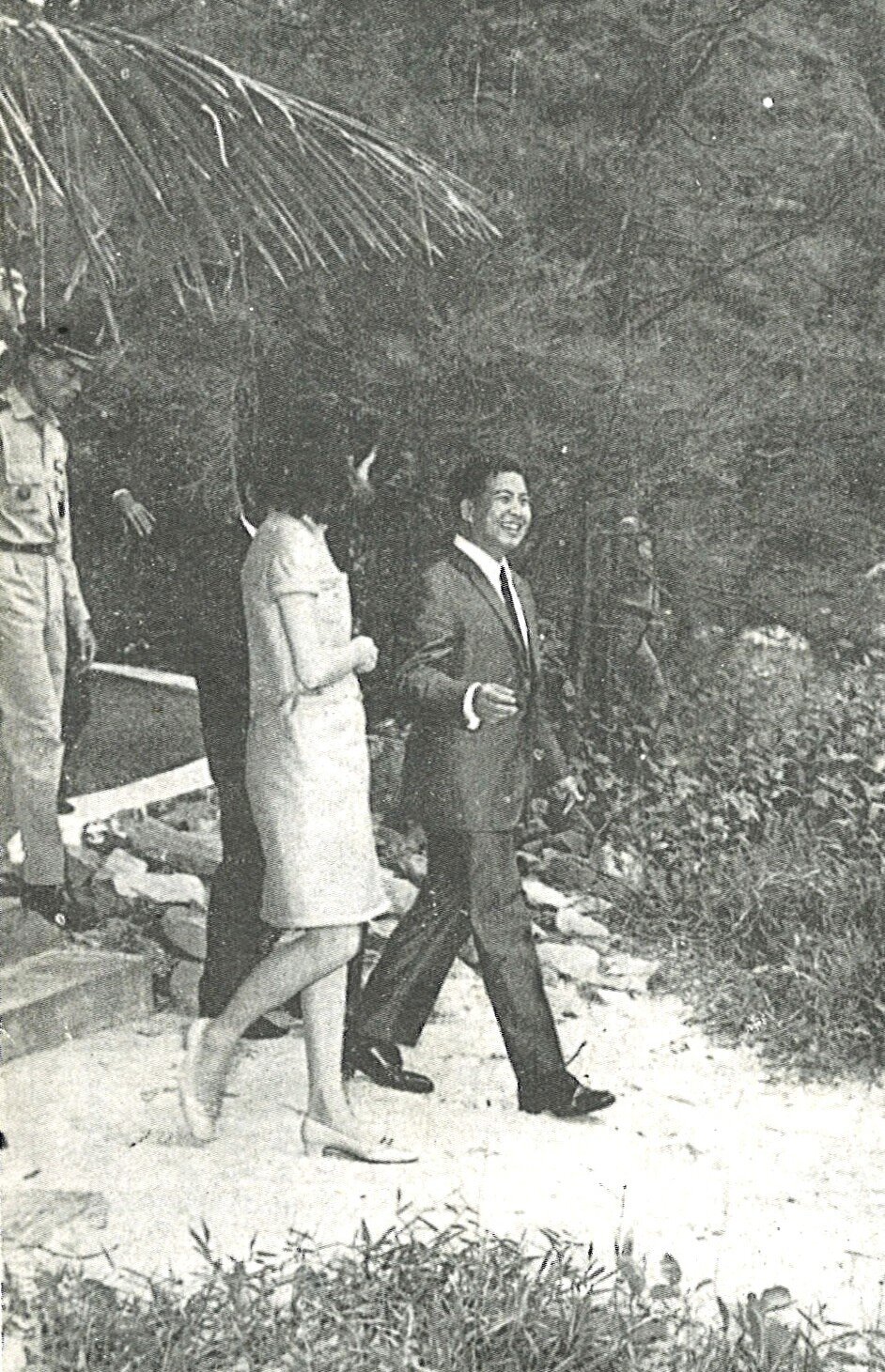
Arriving in Sihanoukville. Jackie K. flew directly from Siem Reap on a Royal Cambodian airplane with Airforce Chief of Staff Ngu Hou and his spouse.
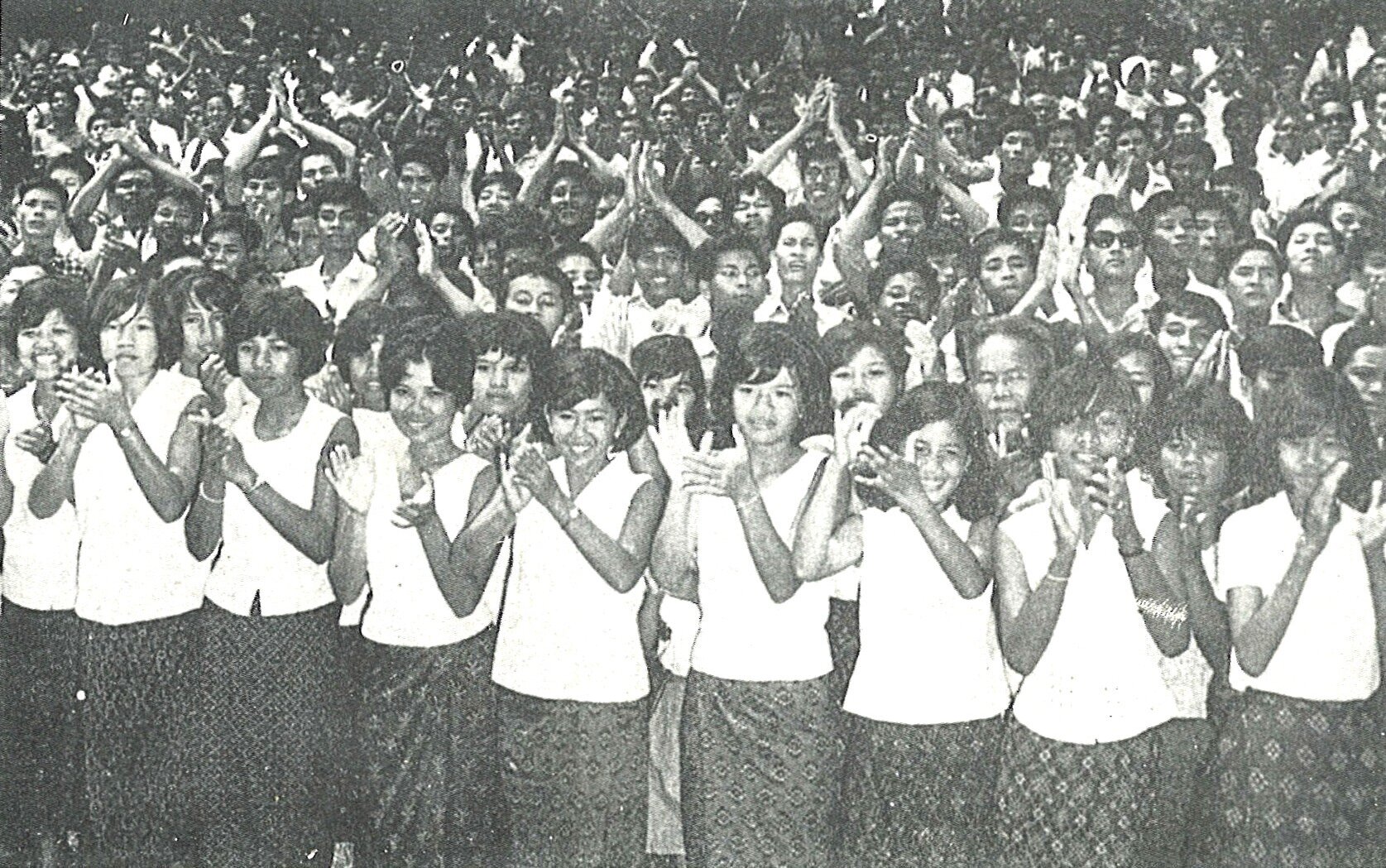
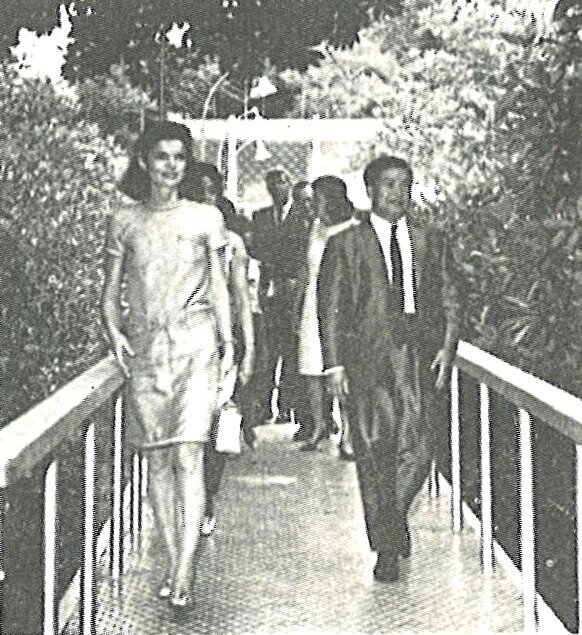
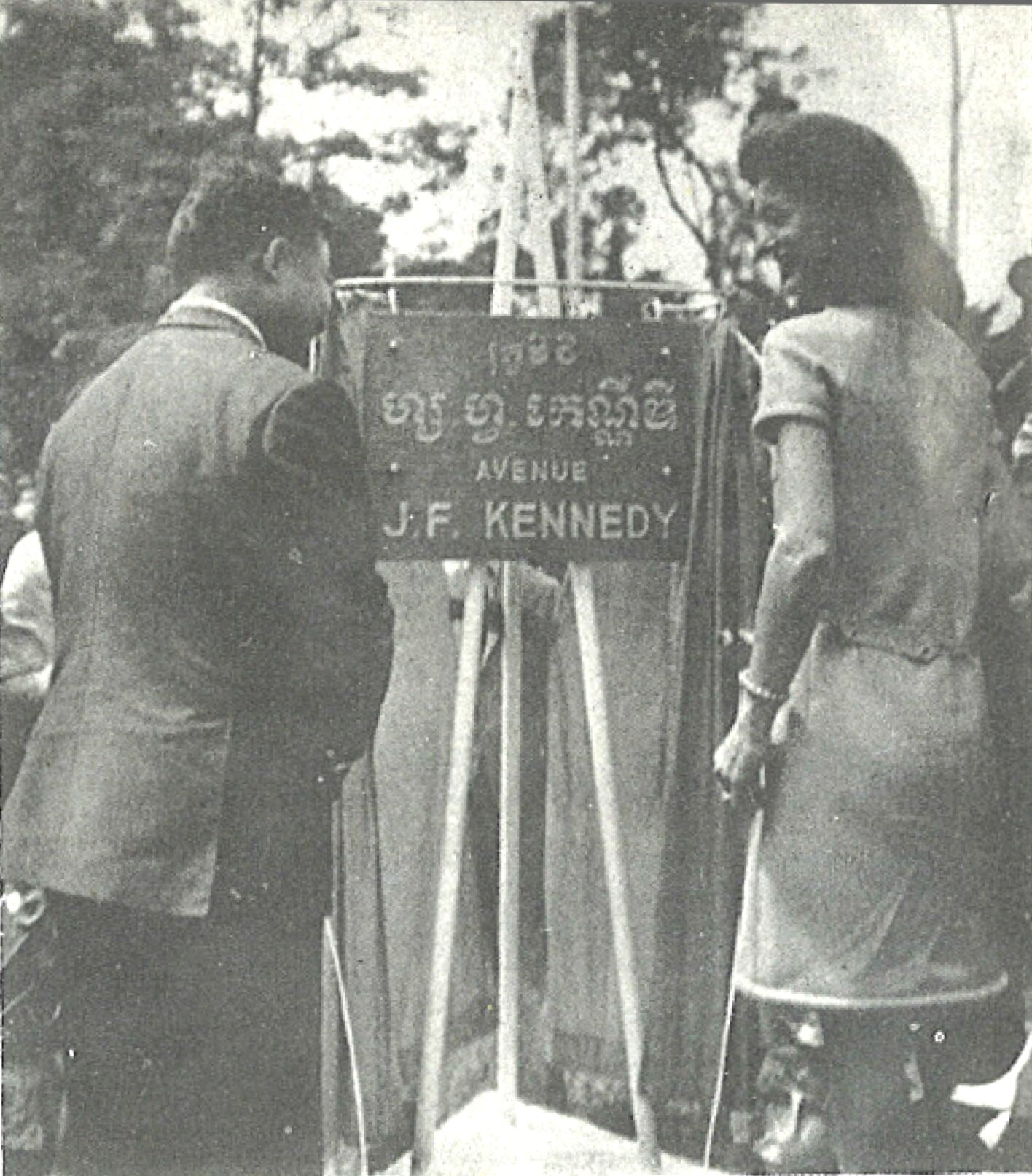
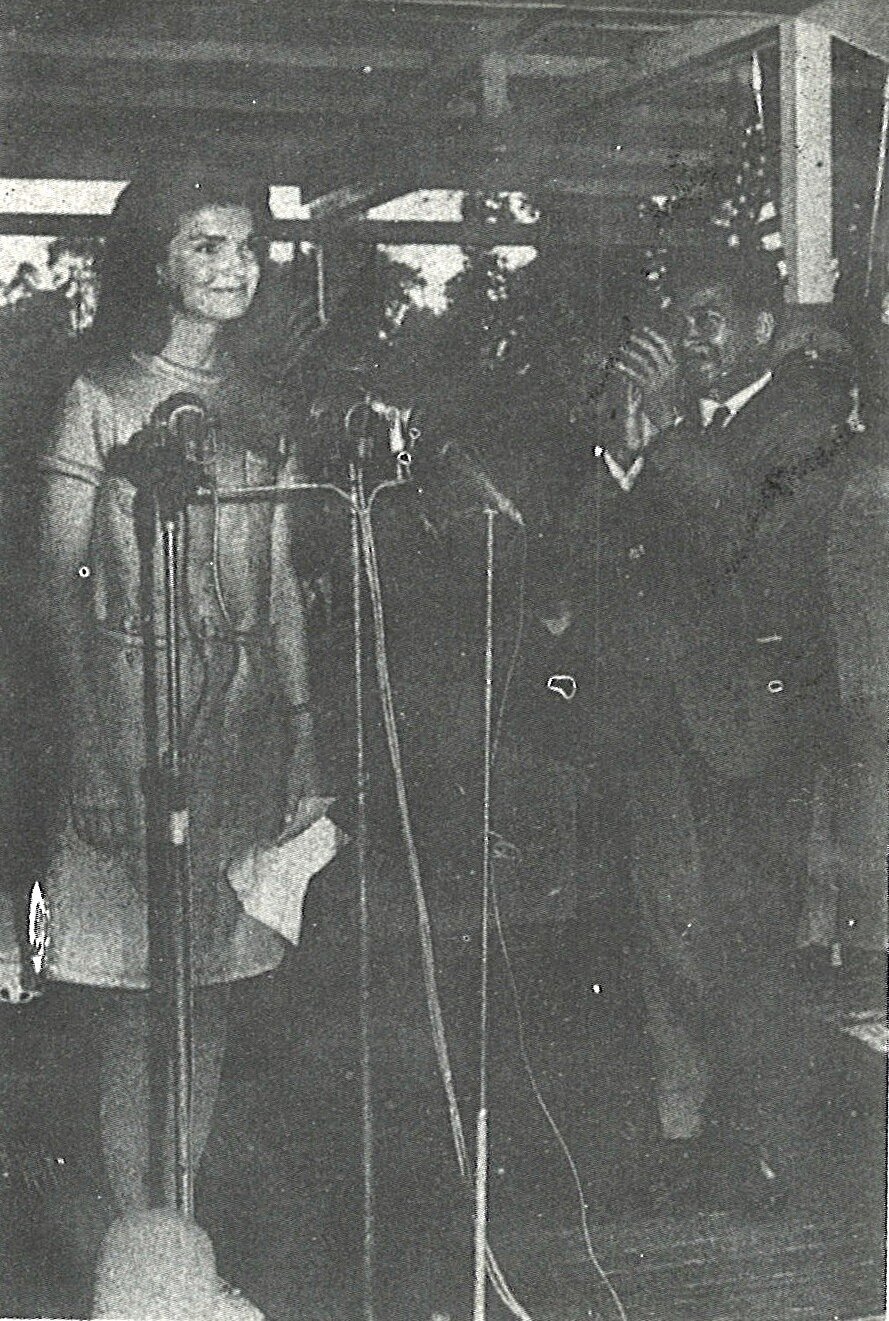
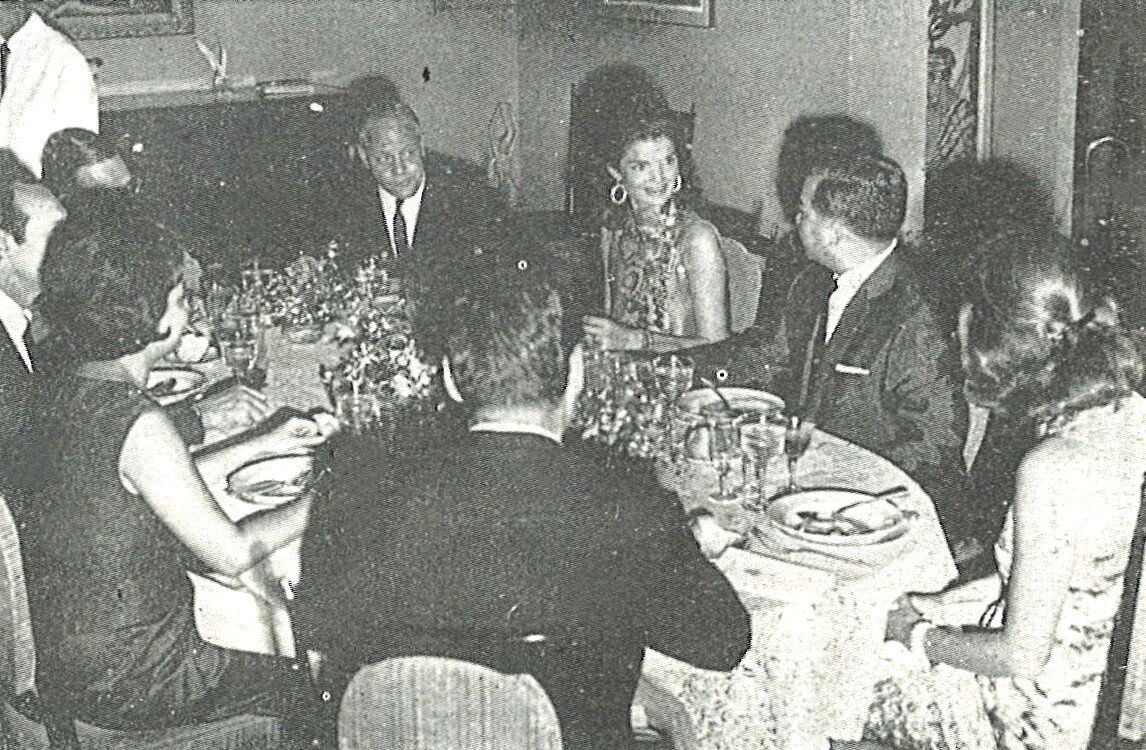
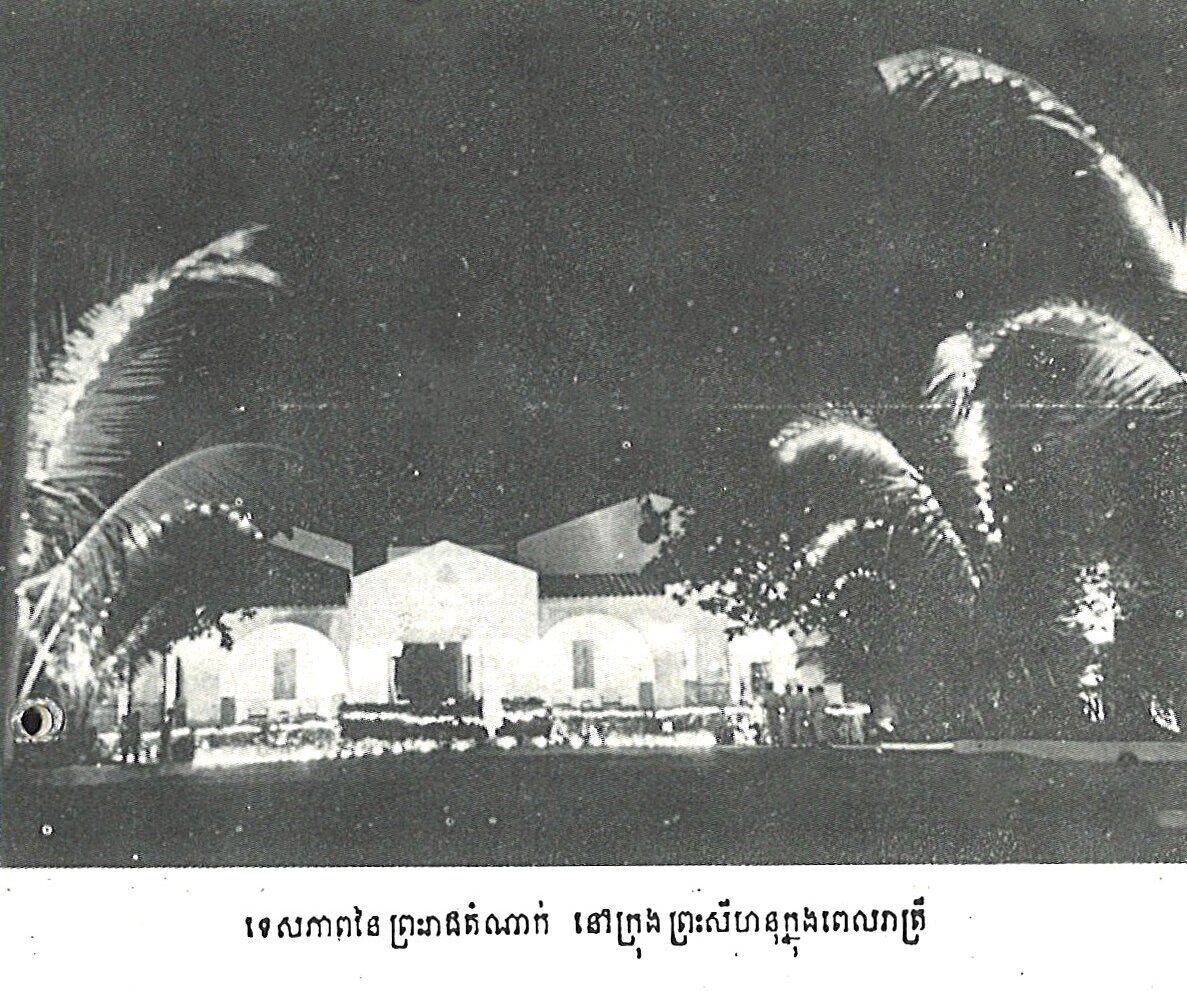
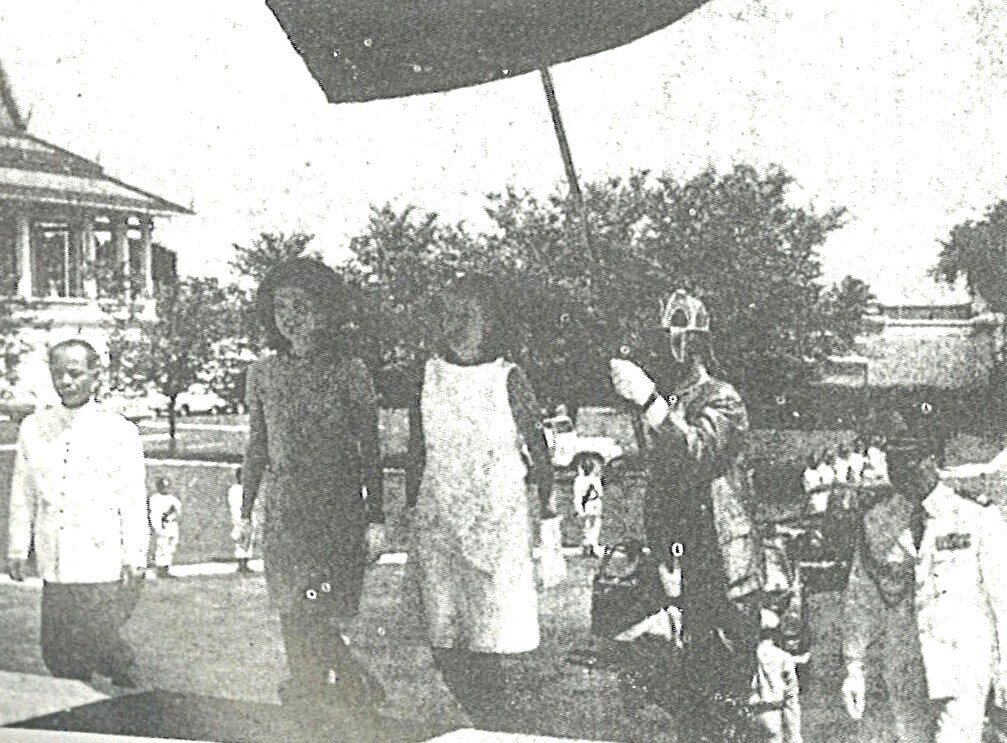
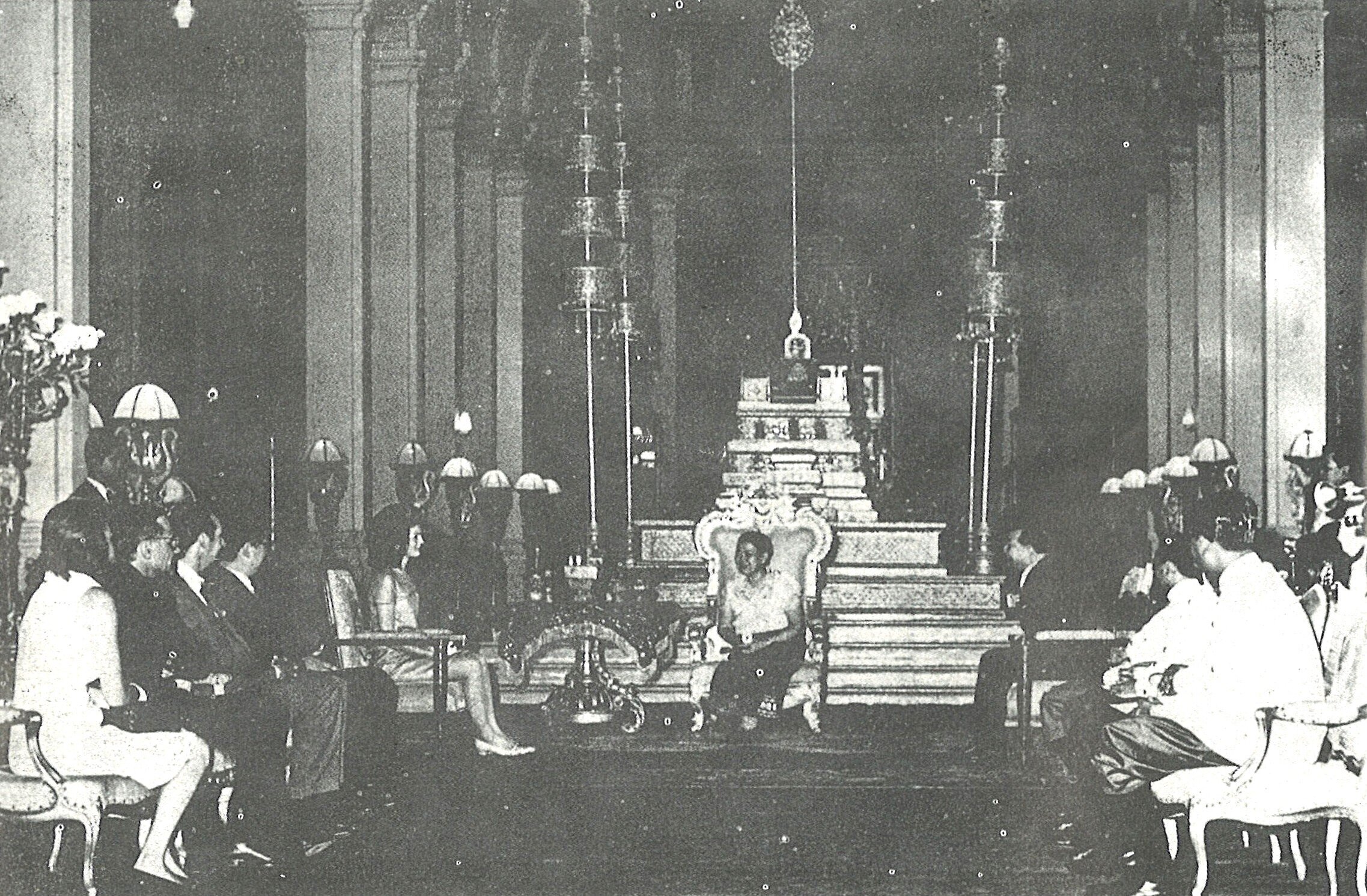
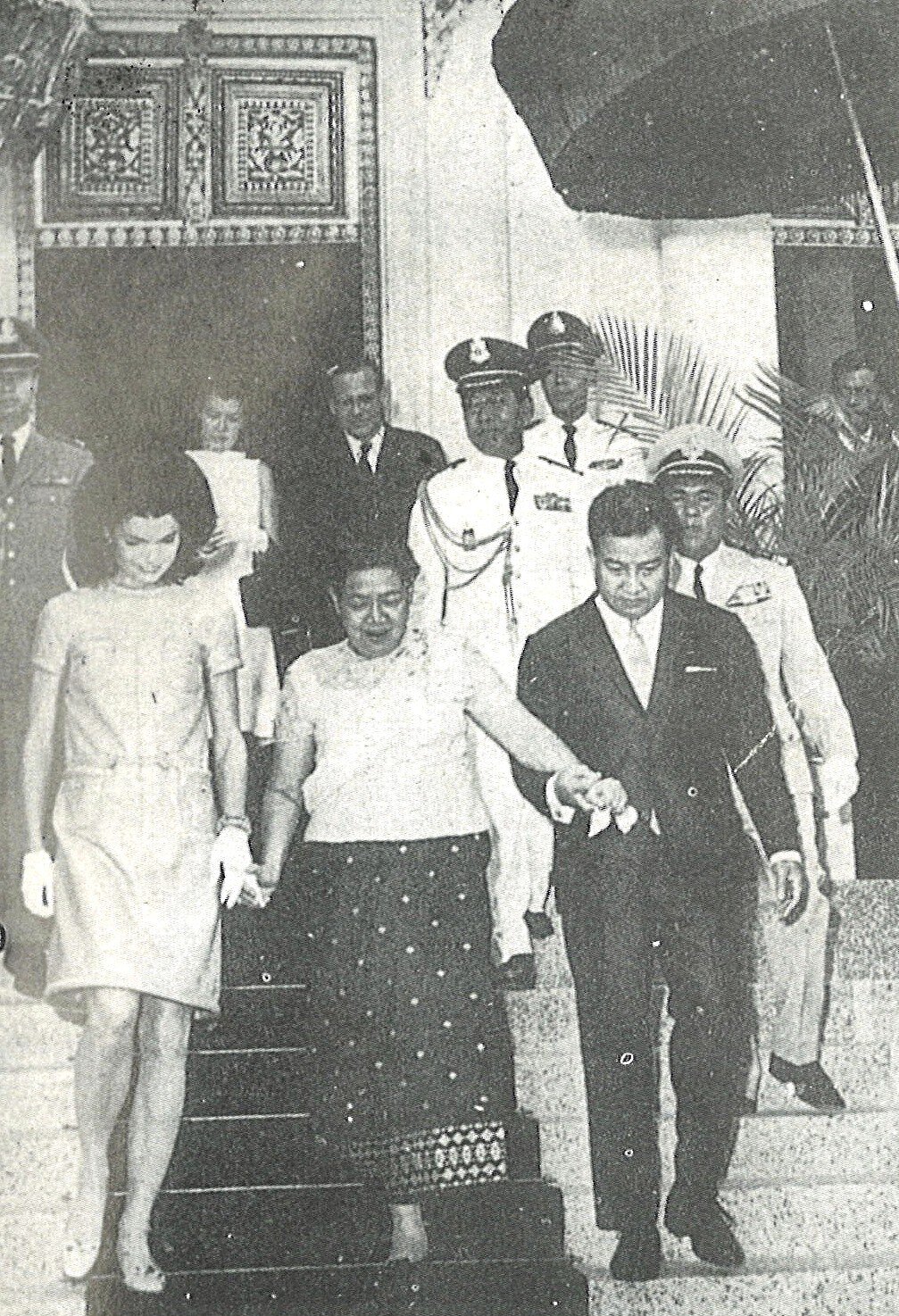
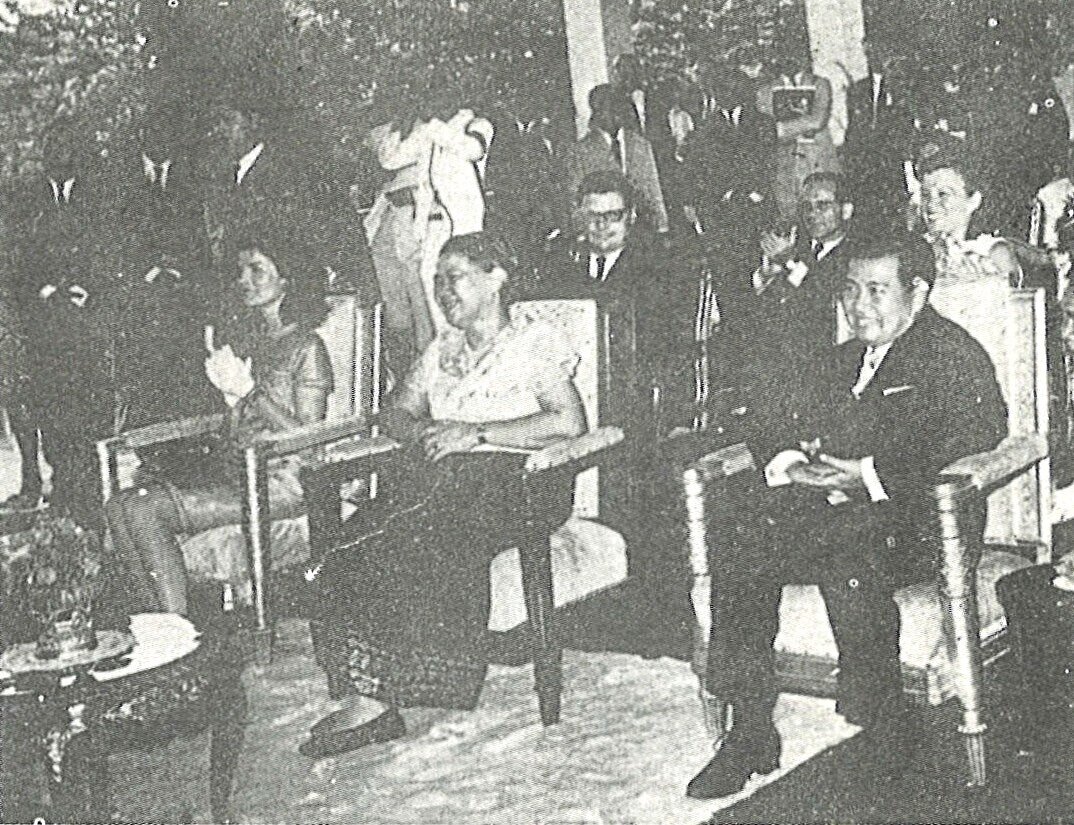
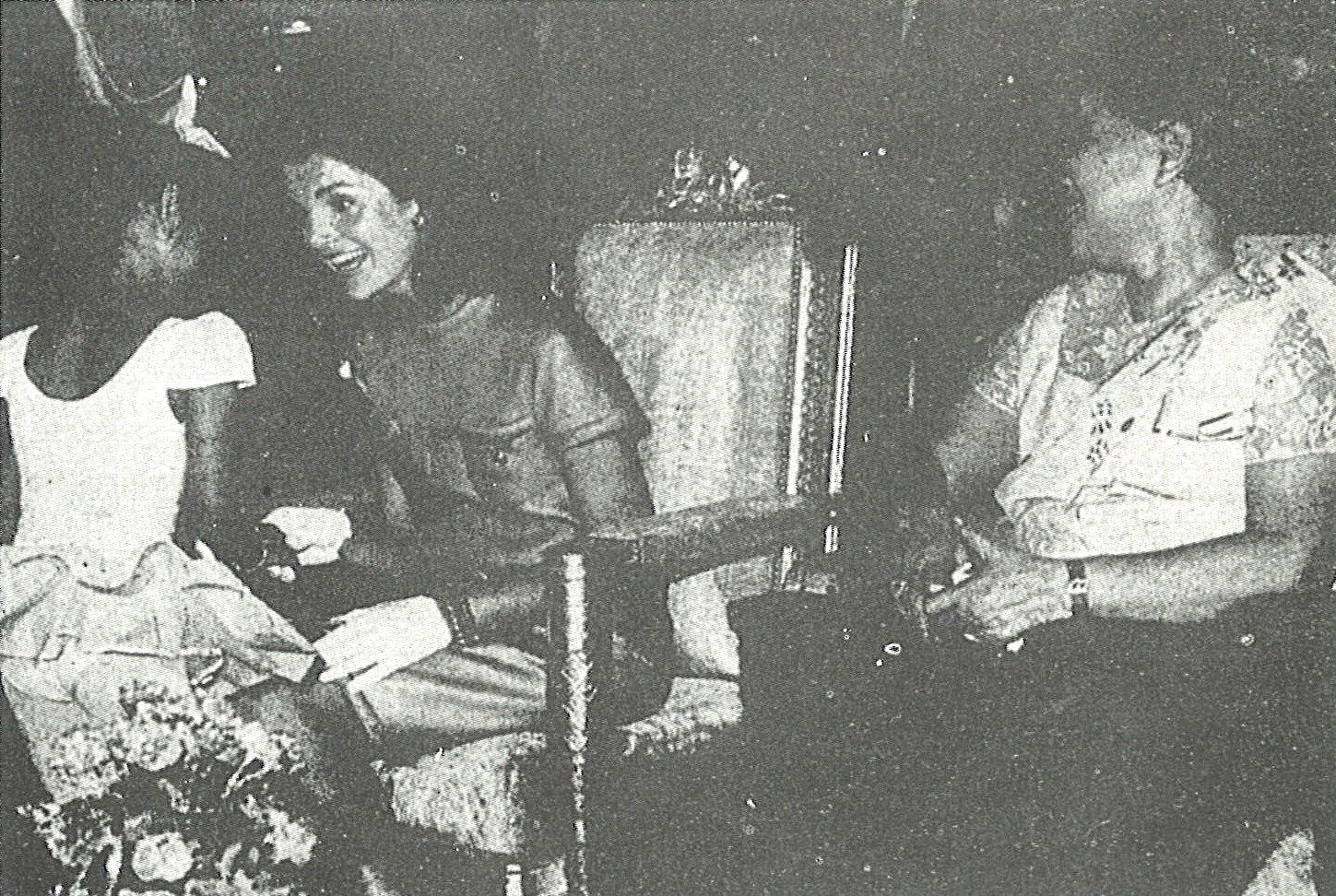
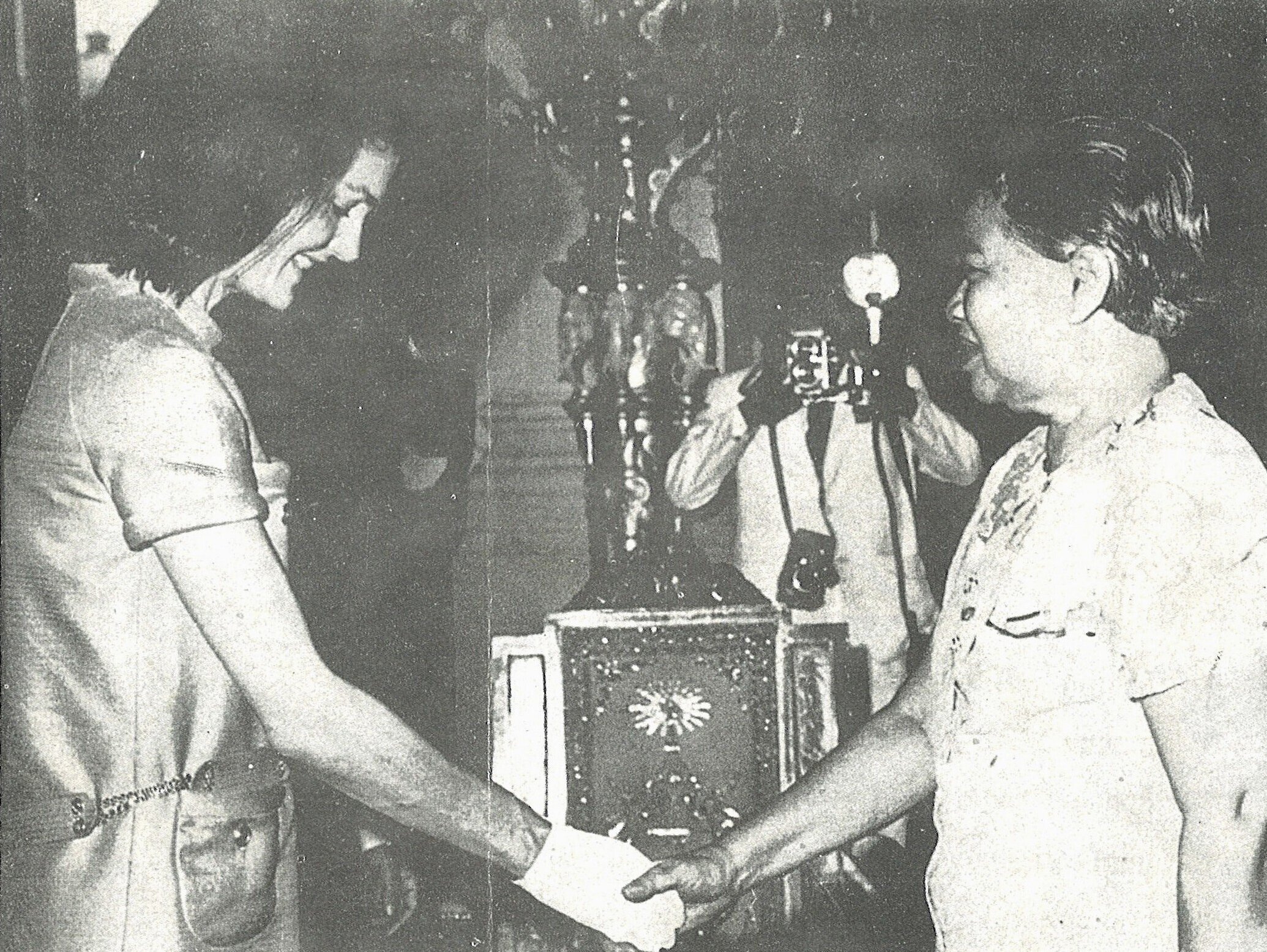
A cordial and respecftul handshake with reigning Queen Kossamak before Jackie K.'s flight the day after, Wednesday 8 Nov.

To complete our extensive documentation on the 2 – 8 November 1967 visit to Cambodia by late US First Lady Jacqueline Kennedy (28 July 28 1929 – 19 May 1994), Angkor Database published the photographs selected in the only extensive coverage of the visit in the Cambodian press at the time. This overlooked angle is important 1) to assess how the Cambodian photographers - always uncredited until 1972 — operated in their coverage of a major event, 2) to illustrate how the Cambodian official program was drafted around Jackie Kennedy’s wish to learn more about Cambodia’s culture and history in situ.
The photo-report published in the Khmer-language newspaper The Nationalist was laid out as a continuously chronological account, from the landing on Thursday 2 to Wednesday 8 November, when Jackie flew back to Rome via Bangkok with her two faithtful (and at times cumbersome) chevaliers-servants, Lord Harlech and Michael Forrestal — whom the Cambodian photographers stoically shot in the group photos apparently without knowing (or not wanting to know) why they were there in the first place.
Some observations we can draw from these pictures — the technical quality of which couldn’t obviously rival with the international press corps coming with state-of-the-art color cameras:
In addition to the captions associated with each photo, here are some historical insights and clues for further research.
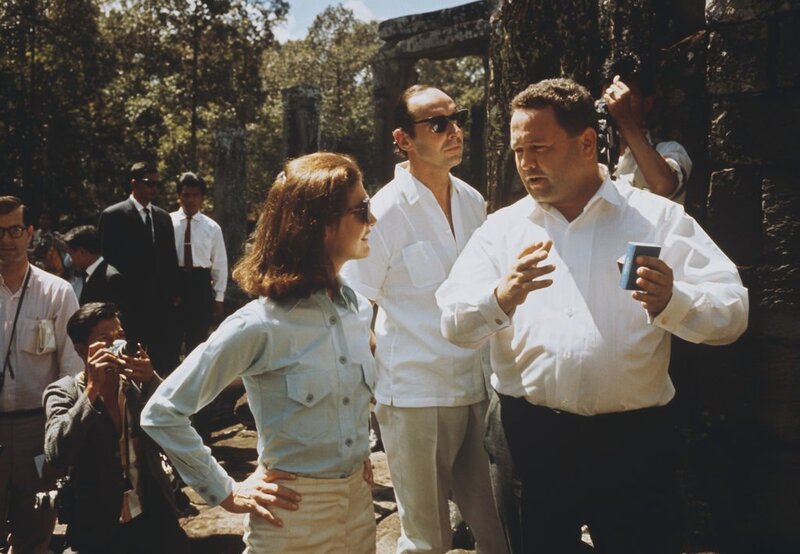
Main photo: Jackie Kennedy and Conservator Bernard-Philippe Groslier in a rare moment of quietness in front of a gopura at Prasat Banteay Srei. The party had flown by helicopter from Siem Reap to Banteay Srei, 9 kms north of Angkor, on 4 Nov. at 9 AM, either because of the poor state of the road or because the area was still the theater of skirmishes between governemental and Issarak forces.
Photo PP4: Official reception, Chamcar Mon, 2 Nov. 1967. Jackie Kennedy greets USSR ambassador Anatoly P. Ratanov under the amused and slightly defiant gaze of Michael Forrestal, one of her two travel companions with Lord Harlech. Anatoly Ratanov Анатолий Петрович Ратанов (8 March 1921, Buguruslan, Samara Province, Russia — 26 Sept. 1985, Moscow, Russia), who had served as ambassador in Phnom Penh since 26 April 1965, was to leave a few days after, on 14 Nov. 1967 before pursuing his diplomatic career in Guinea and Ethiopia. He was substituted by Sergei Kudryavtsev from 14 Nov. 1967 until 15 July 1971, when the diplomatic relations were severed (from 1971 to 1979). Ratanov had been a veteran in USSR-Cambodia relations as he had served as First Secretary of the Embassy since 1960.
This photo is particularly interesting as…there was no US counterpart to Ratanov in Phnom Penh at the time of Jackie’s visit. Philip D. Sprouse, appointed by Pdt Lyndon Johnson from 28 June 1962 to 3 March 1964, had been replaced with Randolph A. Kidder on 9 July 1964 but, due to the severing of the diplomatic relations between USA and Cambodia he never had a chance to present his credentials and left Phnom on 18 Sept. 1964, leaving the office vacant until 3 Sept. 1970, when Emory C. Swank represented USA to the friendly Khmer Republic until 5 Sept. 1973. After a hiatus, Pdt Gerald Ford appointed John Gunther Dean (14 March 1974), who had to evacuate in a hurry on 12 April 1975, two days before the Khmer Rouge seized Phnom Penh. The office was again left vacant until 13 May 1994, when Pdt Bill Clinton appointed Charles H. Twining, who was to stay in post until 20 Nov. 1995.
Day 4, Sunday 5 Nov., was left free of engagements in the protocol schedule: “Day of Rest at Siem Reap. Programme to be arranged in conformity with any wishes Ms. Kennedy may express.”
[under construction]
NOTE: This original print document was found in 2024 amongst discarded, damaged papers in a shack on the family premises of late architect Dy Phroeung, Siem Reap. Anyone who might be in possession of a copy kept in better condition, please kindly email hidden; JavaScript is required.
Tags: 1960s, Cambodian photographers, USA-Cambodia, diplomacy, dance, Queen Kossamak, photography, USSR-Cambodia relations

sk गोपुर gopura, "elaborate gateway" |
Gopura in Indian architecture refers to a tower above a gateway or archway, "towers at the entrances of a temple". The term is also used as saṃdoha, a "meeting place" of the Yoginis.
