Books
Tendances de l'Art Khmer | Trends in Khmer Art
by Jean Boisselier
by Melanie Eastburn & Chaitanya Sambrani
Vishnu in all 'his' avatars - A fascinating exhibition in Sydney (through October 2026), and a gorgeous book reviewed here.

shop.artgallery.nsw.gov.au
If this book-catalog is absolutely gorgeous, it is certainly due to the talented team (in majority women) behind its release — from managing editor Faith Chisholm to designer Maria Smit to photographer Jenni Carter, who aptly showcased the rich iconographic selection put forward by the editors -, but also to the topic itself — through all its avatars, Vishnu remains certainly the most inspiring and seductively complex of all the deities worshipped in Ancient India and Southeast Asia.
With all due respect, we could also posit that Vishnu — and the two iconic avatars Rama and Krishna - is the most ‘post-modern’ of Indic gods: preserver of the cosmic world but mostly benevolent, gender fluid — beautifully embodied by the ravishing Mohini, who would prevent catastrophic developments as the outcome of the churning of the Ocean of Milk; and isn’t possible to see in Sita herself a manifestation of Vishnu? -, close to Nature as ‘his’ avatars of choice can be Kurma the tortoise or (especially in Khmer iconography) the horse-headed Vājimukha, eco-conscious — in Khmer iconography, again, the lotus, one of Vishnu’s classical attributes, is often substituted with the symbol of Bhumi [Bhu Devi, ‘Mother Earth’] -, utterly ‘transformable’ and ‘transformative’. Co-editor Chaitanya Sambrani has called this amazing profusion of forms and characters a “procession of diversity” (“A Procession of Diversity: The Avatars of Vishnu in Art”, Orientations 57 – 4, June 2026: 45 – 51.)
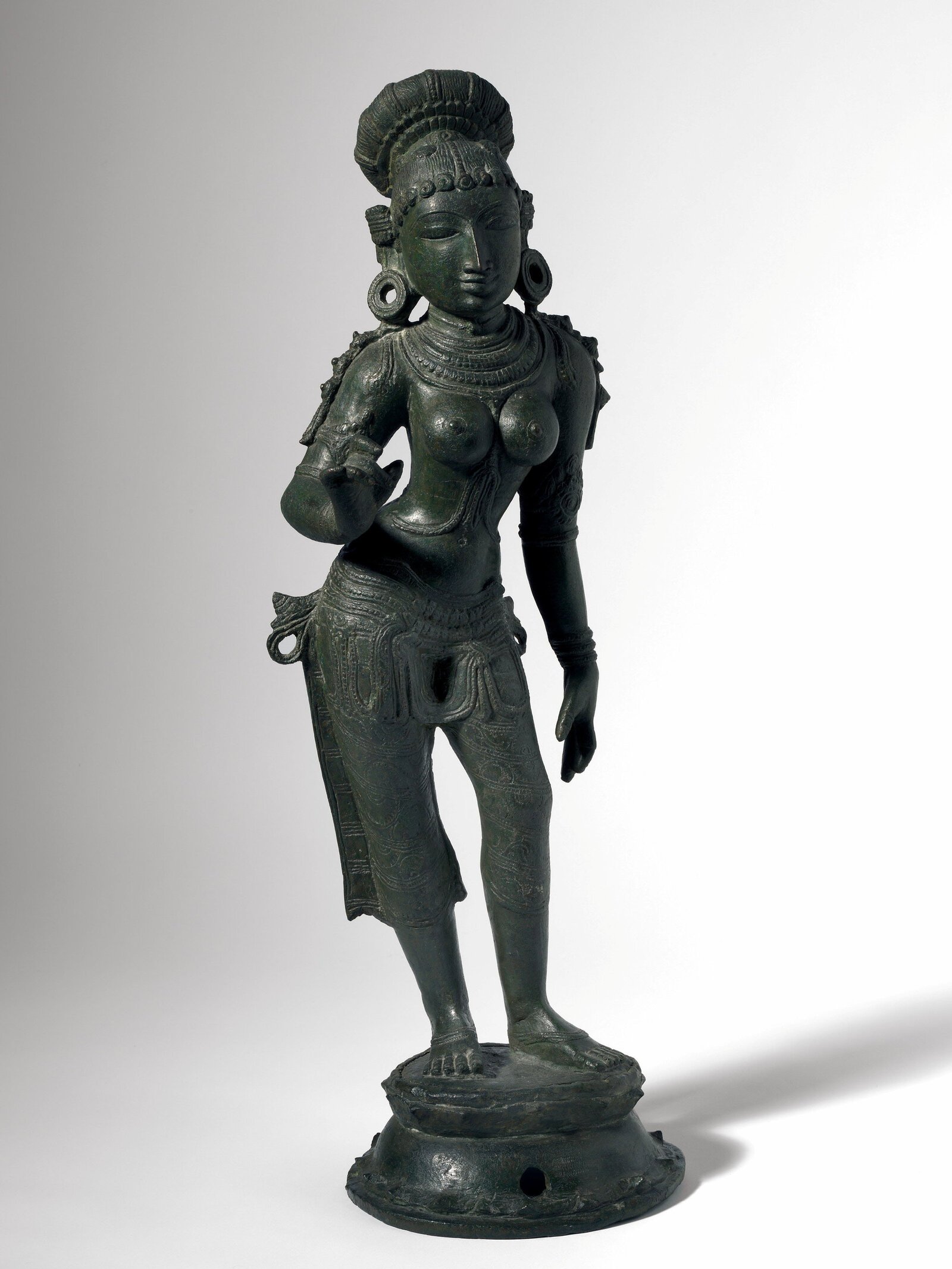
1) India, Karnataka, Vijayanagar dynasty (1336 – 1565), ‘Sita’. 1400s, bronze, lost-wax casting, 68 x 21.5 x 19 cm. National Gallery of Australia, Canberra, purchased 1991. [reproduced courtesey of AGNSW].
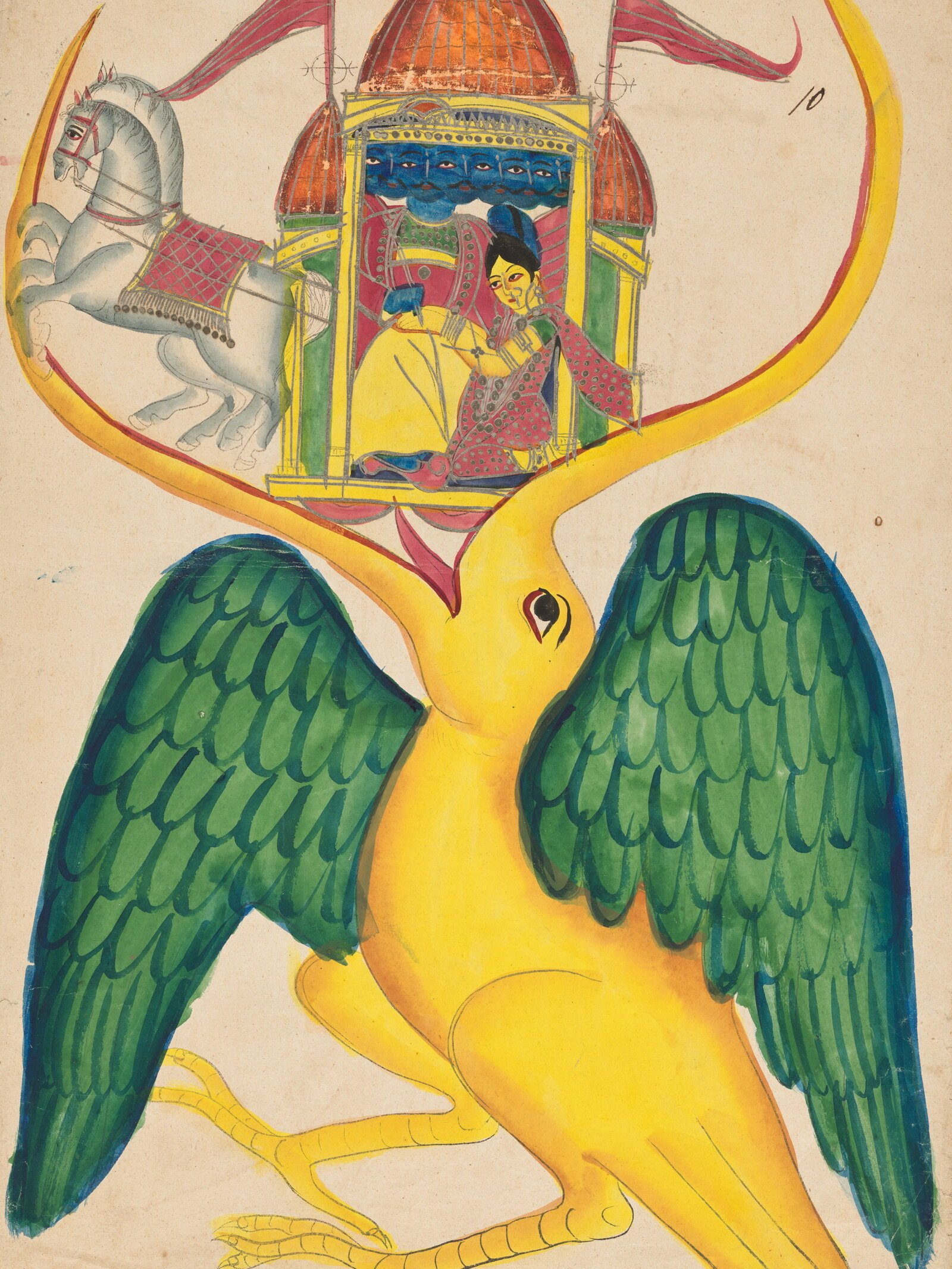
2) India, West Bengal, Kolkata, Kalighat style. ‘Jatayu hinders the abduction of Sita’, 1870s. watercolour and silver paint on paper, 40.5cm x 27.5 cm, Art Gallery of New South Wales, gift of Dr Jim Masselos 2026. [reproduced courtesy of AGNSW].
1) India, Karnataka, Vijayanagar dynasty (1336 – 1565), ‘Sita’. 1400s, bronze, lost-wax casting, 68 x 21.5 x 19 cm. National Gallery of Australia, Canberra, purchased 1991. [reproduced courtesey of AGNSW].
2) India, West Bengal, Kolkata, Kalighat style. ‘Jatayu hinders the abduction of Sita’, 1870s. watercolour and silver paint on paper, 40.5cm x 27.5 cm, Art Gallery of New South Wales, gift of Dr Jim Masselos 2026. [reproduced courtesy of AGNSW].
This great versatility is particularly obvious in the art of Ancient Cambodia, as author Seang Sokha remarked in his contribution:
According to Kamaleswar Bhattacharya (1928 – 2014), a specialist in Khmer epigraphy, the
Pancharatra doctrine of the Vaishnava sect was introduced into Cambodia around the fifth
century. Within this theological framework, as many as thirty-nine avatars of Vishnu are
enumerated. Among these numerous manifestations, however, the concept of the Dashāvatara (Ten Avatars) emerged as the most widely recognised in Cambodia. These include Matsya (the fish), Kurma (the tortoise), Varāha (the boar), Narasimha (the man-lion), Vāmana (the dwarf), Parashurāma (the destroyer), Rāma (the hero of the Ramayana), Krishna (the cowherd), Buddha, and Vājimukha (the man-horse). Not all of these are equally represented in Khmer art. Matsya, the first incarnation, is not seen in Khmer sculpture or reliefs, while Buddha, the ninth avatar, likewise remains difficult to identify in Khmer art, and Parashurāma appears to have had very limited following in Cambodia, with only a single pre-Angkorian example known. In sculpture in the round, however, a remarkable diversity of these avatars is represented, particularly within the pre-Angkorian and Bayon artistic traditions. [Seang Sokha, “When the god descends: Vishnu’s avatars and Khmer sovereignty”, in Avatars: Forms of Vishnu, Sydney, AGNSW, 2026, p. 124]
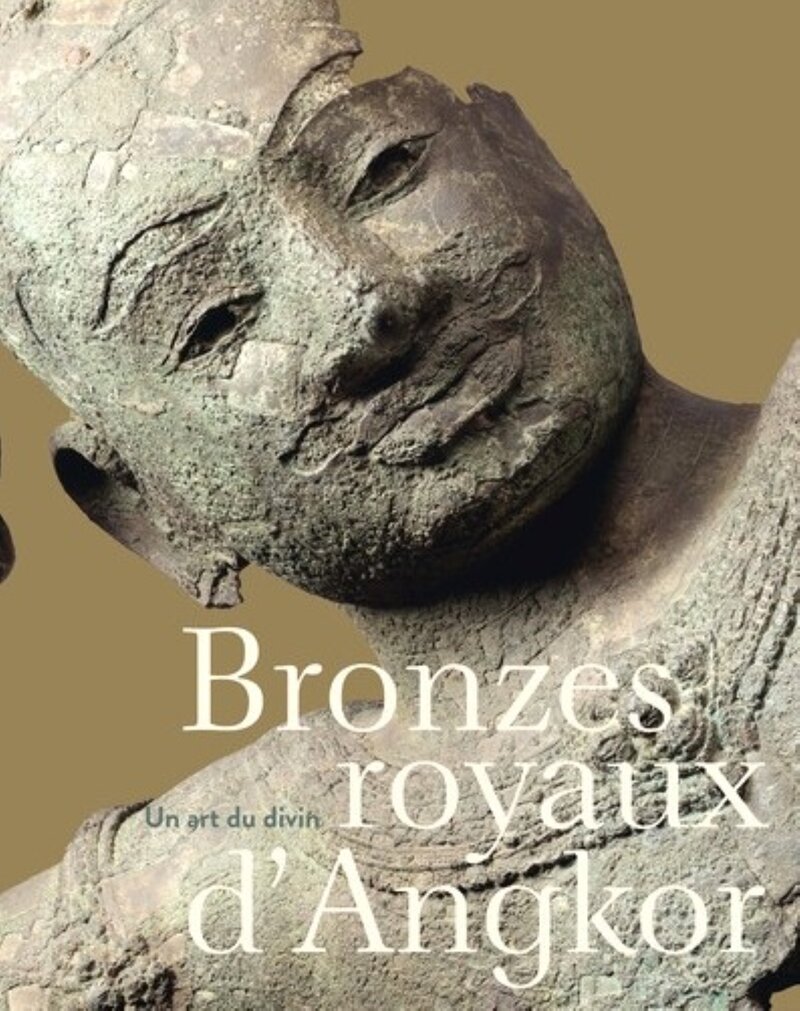
Several authors such as O.W. Wolters, Paul Lavy and Ian Mabbett have studied the poetic and iconographic allusions to Vishnu’s “descents” on earth in order to restore dharma (the righteous path) in the classical Khmer worldview. The ultimate chakravartin, ‘universal ruler”. The Sydney exhibition echoes that through the National Museum of Cambodia’s loan of the magnificent Vishnu statue from Phnom Kulen (9th century). In that respect, Seang Soka remarks:
This capacity to embody both divine and worldly authority made Vishnu enduringly popular in ancient Cambodia. Because Vishnu is the god who descends when the world falters, he offered Khmer rulers a ready-made model of kingship – a theology of salvation translated into royal imagery. In Khmer art and inscriptions, the avatars of Vishnu became metaphors of rulership. From Varāha the boar lifting the earth to Vāmana the dwarf measuring the worlds, each form mapped divine intervention onto royal power. This theology of descent evolved into a visual language of sovereignty across Khmer art and history. [Seang Sokha, “When the god descends…”, p. 119]
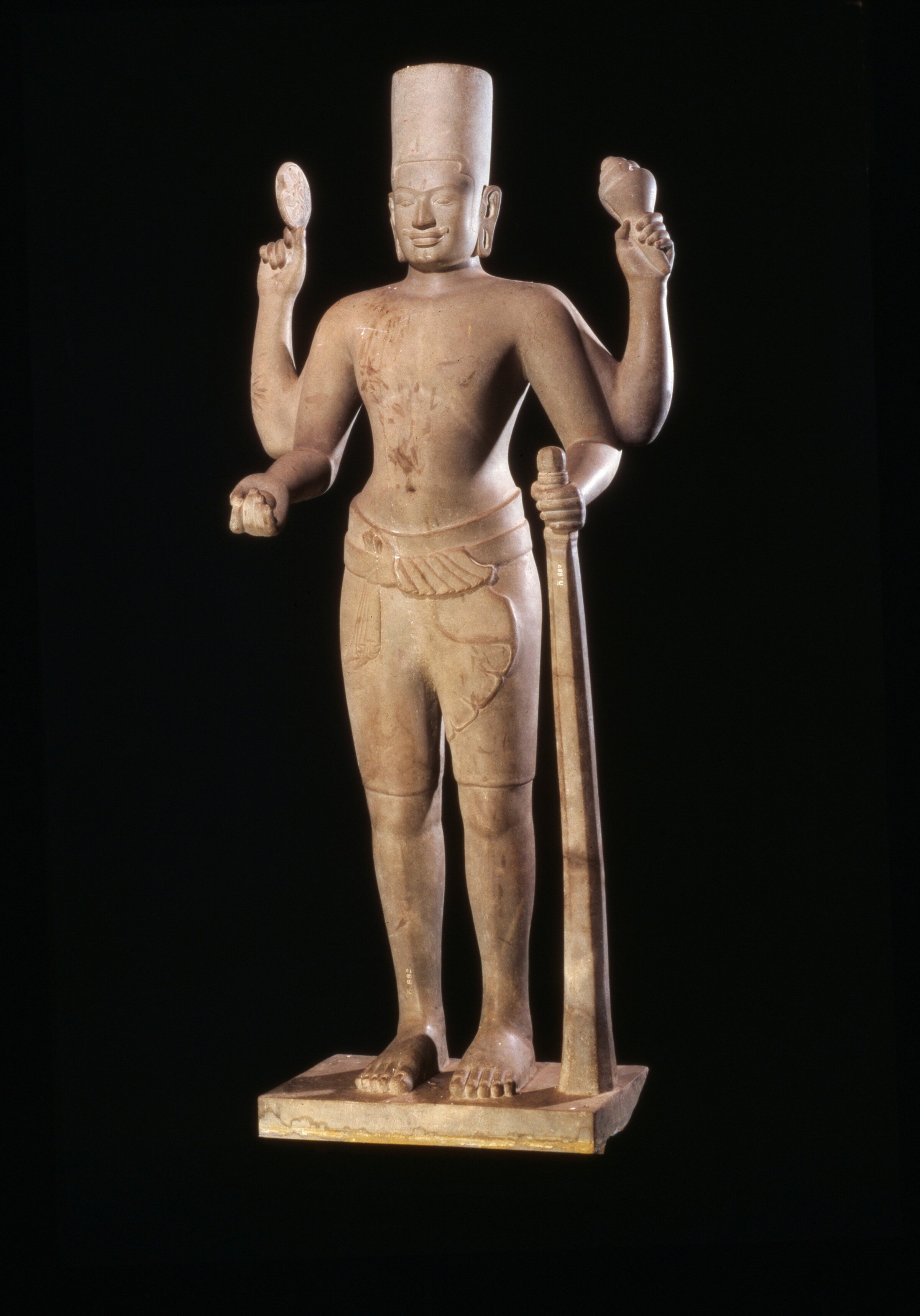
Cambodia, Phnom Kulen, Prasat Damrei Krap — Angkor period (802‑1431), Kulen style.
Vishnu, early 800s. Sandstone, 145 × 62 cm. National Museum of Cambodia, Phnom Penh. (Ka.1620).
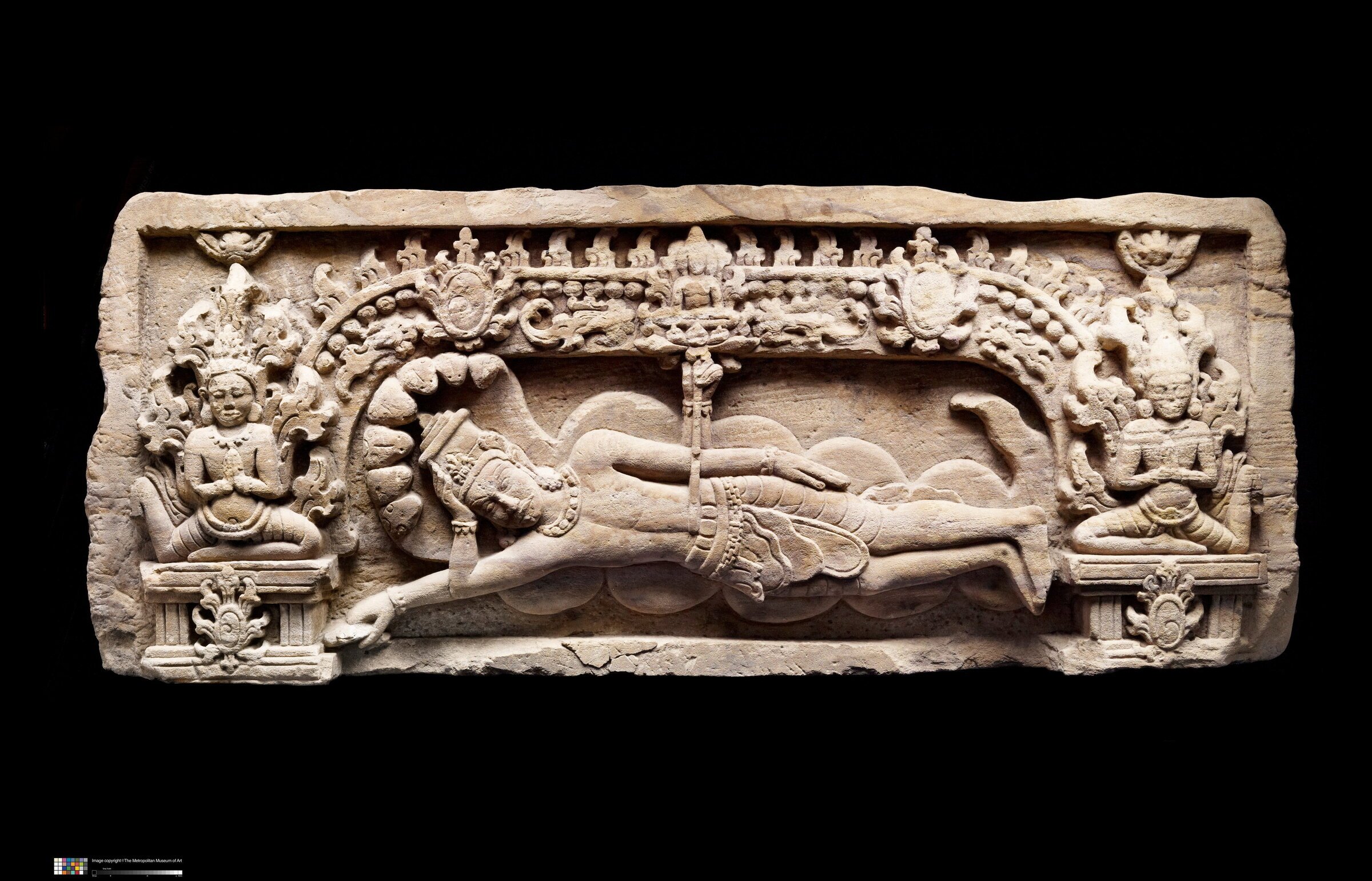
Cambodia, Battambang, Tuol Baset — Pre-Angkor period (c100 – 800). ‘Lintel depicting Vishnu reclining on the serpent Ananta Shesha (Anantashayin) and the birth of Brahma’, mid 600s. Sandstone, 63 × 158 × 28 cm. Battambang Provincial Museum, transferred from National Museum of Cambodia, Phnom Penh. Photo © The Metropolitan Museum of Art/Art Resource, NY.
1) Cambodia, Phnom Kulen, Prasat Damrei Krap — Angkor period (802‑1431), Kulen style.
Vishnu, early 800s. Sandstone, 145 × 62 cm. National Museum of Cambodia, Phnom Penh. (Ka.1620). [reproduced courtesy of AGNSW].
2) Cambodia, Battambang, Tuol Baset — Pre-Angkor period (c100 – 800). ‘Lintel depicting Vishnu reclining on the serpent Ananta Shesha (Anantashayin) and the birth of Brahma’, mid 600s. Sandstone, 63 × 158 × 28 cm. Battambang Provincial Museum, transferred from National Museum of Cambodia, Phnom Penh. Photo © The Metropolitan Museum of Art/Art Resource, NY. [reproduced courtesy of AGNSW].
Note: there are several stunning pieces on loan from Cambodia at the “Avatar: Forms of Vishnu” exhibition, Art Gallery of New South Wales, Australia [20 June – 5 October 2026], including an impressive, mid-10th century lintel (possibly from Prasat Bassac, from the Svay Rieng Provincial Museum) depicting the Churning of the Ocean of Milk. Australian museums and art galleries have also contributed important artworks, some from Cambodia.
Khmer art aficionados may have expected some development on Harihara, the fusional combination of Vishnu and Shiva once so beloved in Cambodia that one Angkorian capital city was given the name Hariharalaya, but the book and exhibition had a large span to cover, including representations of Vishnu, Rama and Krishna in pre-modern and modern Indian art. Caroline Widmer, for instance, studied the iconography of the Ramayana with Mughal miniatures originally owned Hamida Banu Begum (1527−1604), a remarkable display of “cross-cultural imagery.” (p. 210 – 5). In her essay “Adoring Krishna: the power of surrender in devotion”, Carol Cains explores the artistic and philosophical significance of bhakti (loving devotion
to a personal deity), an emotion so present in Southeast Asian (and particularly Khmer) early art. And several contemporary artists — Gitanjali Das, Kalyan Joshi, Jumaadi, Desmond Lazaro, Kalam Patua, Nalini Malani, Pushpamala N, Gulammohammed Sheikh, Sumakshi Singh, Satyanarayan Suthar ‑have contributed their own visions of Vishnu’s avatars.
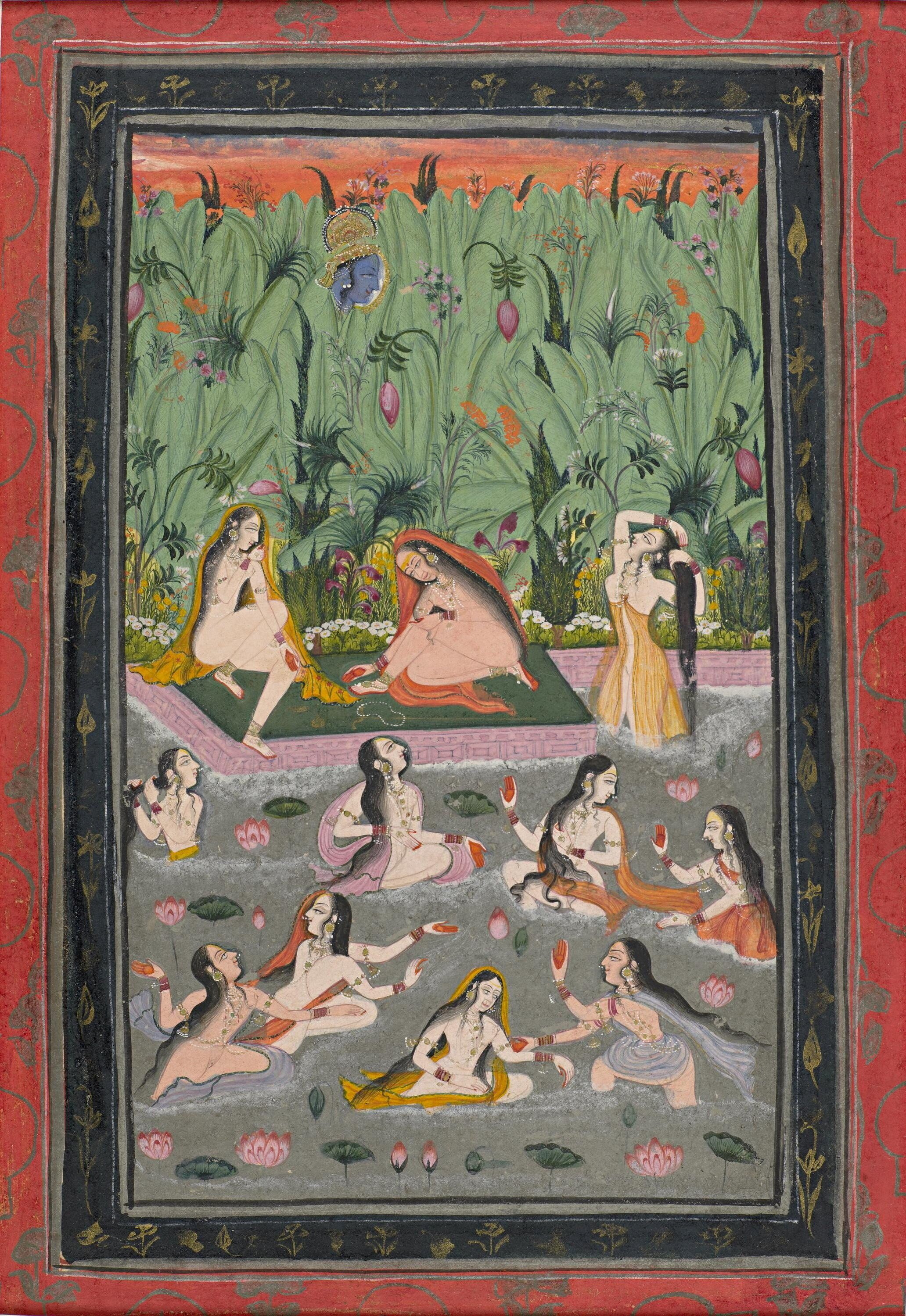
India, Rajasthan, Bundi, ‘Krishna spying on the gopis bathing’, late 1700s, opaque watercolour and gold and silver, paint on wasli paper, 23.2 x 14.1 cm image; 37 x 27.4 cm sheet, National Gallery of Victoria, Melbourne, Felton Bequest, 1980. [reproduced courtesy of AGNSW].
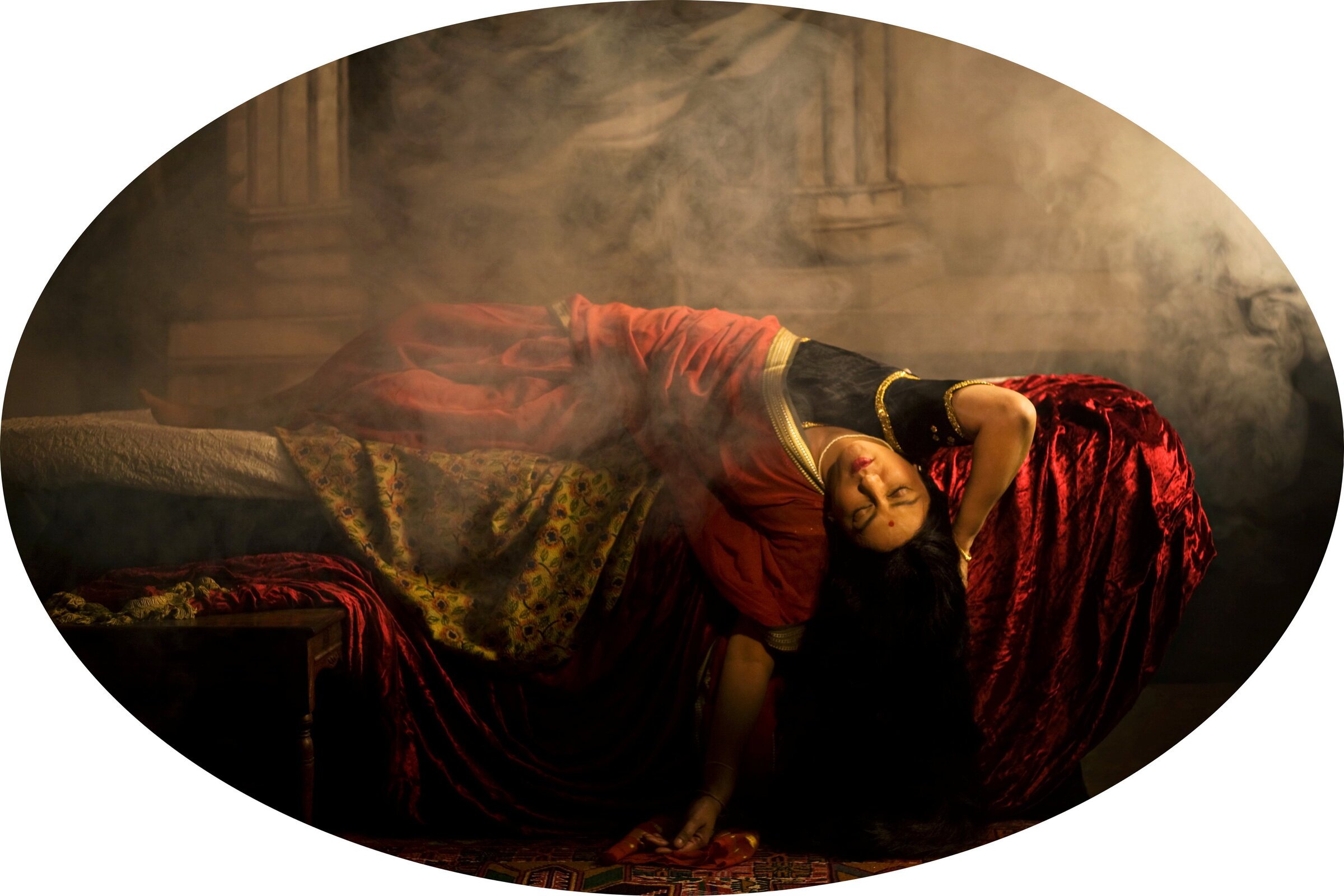
Pushpamala N, ‘Nightmare/odalisque’ 2026, from the series ‘Apaharana/Abduction’, archival inkjet prints, 81.2 × 121.9 cm, courtesy of the artist © Pushpamala N [reproduced courtesy of AGNSW].
1) India, Rajasthan, Bundi, ‘Krishna spying on the gopis bathing’, late 1700s, opaque watercolour and gold and silver, paint on wasli paper, 23.2 x 14.1 cm image; 37 x 27.4 cm sheet, National Gallery of Victoria, Melbourne, Felton Bequest, 1980. [reproduced courtesy of AGNSW]. 2) Pushpamala N, ‘Nightmare/odalisque’ 2026, from the series ‘Apaharana/Abduction’, archival inkjet prints, 81.2 × 121.9 cm, courtesy of the artist © Pushpamala N [reproduced courtesy of AGNSW].
If Vishnu symbolizes “accretion and synthesis in Indian tradition”, to quote Chaitanya Sambrani, we could add “syncretism”, as it escapes most of the rigidity of the Brahmanic dharma. There is even a messianic dimension in ‘Mahavishnu’ that might appeal to monotheistic believers:
The stories of Vishnu’s avatars and their artistic representations have for many centuries formed bridges between the daily lives of believers and esoteric philosophical systems. Through their diversity, different avatars can be invoked as ishtadevata (personal deity) even as believers conduct their lives in light of eternal contests between devas and asuras, light and darkness, dharma and adharma. The all encompassing nature of Vishnu is crystallised in the Vishvarūpa – an image that gathers every form into a single cosmic body, spanning the earth and sky, breathing forth the world into being, and devouring it into ultimate dissolution. From this vision of totality, the cycle of descent moves towards its cataclysmic close: the coming of Kalki, Vishnu’s final avatar, is prophesised to appear at the end of Kali Yuga, our present age of crisis. [Chaitanya Sambrani, “Vishnu’s dimensions:
accretion and synthesis in Indian tradition”, in Avatar: Forms of Vishnu, op. cit., p. 36]
By its scope through time periods and artistic expression forms, the 2026 Sydney exhibition calls to mind “Beyond Bollywood: Exploring 2000 Years of Dance in Art from Temples to Royal Courts to Modern Movie Classics” held at San Francisco Asian Art Museum in 2023. With a more focused theme, the present one allows for more in-depth perspectives combining art history and comparative exploration of social and cultural contexts. Co-curator and co-editor Melanie Eastburn closes her own contribution [“ Golden and radiant as the sun: female presence and
the avatars of Vishnu”] with the following lines:
From the quiet of pralaya [1] to the coming of Kalki, the female divine appears not as an adjunct to Vishnu but as the vital force that enables his power. His ability to restore balance depends on the radiant presence of the goddess in her many forms – Lakshmi as spiritual abundance, Bhu Devi as fertile earth, and the myriad embodiments that complement his numerous avatars. Whether rescuing the world, inspiring devotion, or wielding illusion as Mohini, her energy is the constant that drives every cosmic turn. It is this enduring, adaptable female power that initiates, supports and completes each great cycle of the universe. [p. 80]
In these times of unrelenting clamors of war, we might want to listen to the little tune of Vishnu’s flute.
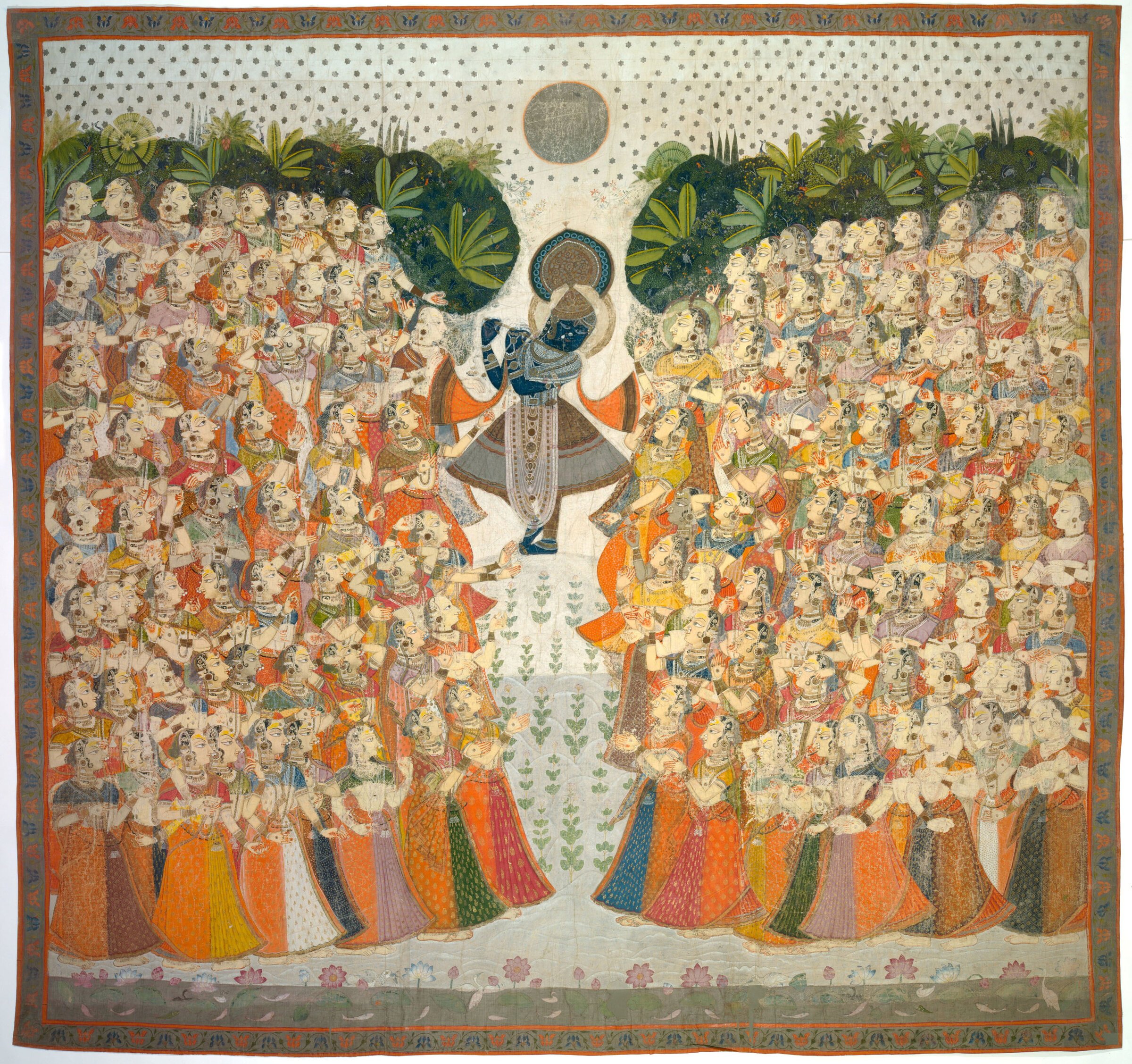
India, Kota style, ‘Krishna’s fluting summons the entranced gopis for autumn moon festival (Sharad Purnima)’ . Circa 1840, shrine hanging (pichhavai) [detail]; opaque watercolour, gold and silver on cotton, 291.8 x 311 cm, National Gallery of Australia, Canberra, purchased 2005 [reproduced courtesy of AGNSW].
India, Kota style, ‘Krishna’s fluting summons the entranced gopis for autumn moon festival (Sharad Purnima)’ . Circa 1840, shrine hanging (pichhavai) [detail]; opaque watercolour, gold and silver on cotton, 291.8 x 311 cm, National Gallery of Australia, Canberra, purchased 2005 [reproduced courtesy of AGNSW].
[1] In the Glossary, the editors defined pralaya as “the periodic dissolution or suspension of the universe at the end of a cosmic cycle; during pralaya, all creation is withdrawn into Vishnu, where it remains in a latent state until the next creation.
Read Meng Seavmey’s report at AGNSW for Cambodianess, “Khmer Vishnu Masterpieces Take Centre Stage in Landmark Sydney Exhibition”, 23 June 2026.
Note: The book can be purchased at AGNSW Shop, Sydney.
Tags: Vishnu, visnaism, visual arts, Khmer arts, museums, art galleries, Australian museums, Indian artists, Cambodian museums
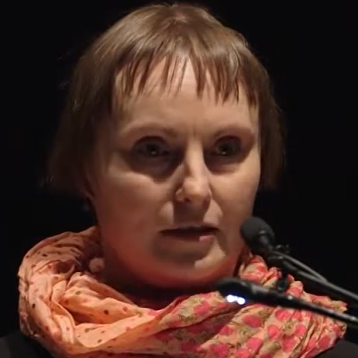
Melanie Eastburn is an Australian museum curator, Senior Curator of Asian art at the Art Gallery of New South Wales (Sydney, Australia) since 2016, who worked at Phnom Penh National Museum of Cambodia in 2003 – 2004.
Born and raised in Papua New Guinea’s Highlands — her father, David Eastburn, was a high school teacher who taught for many years in the Hela and New Ireland Provinces — she spoke both English and Mendi (Angal heneng) languages in her childhood. She witnessed Papua New Guinea’s first Independence Day celebrations in Kavieng, New Ireland, on 16 Sept 1975, and was immersed in Niugini [indigenous name for ‘New Guinea’] culture. Later, she was introduced to the traditional and modern print patterns by several artists pertaining to the local modern art movement, in particular Sili Koriam. This early interest led to the publication of her first book, Papua New Guinea Prints [see The National, Port Moresby, 25 Aug. 2025].
Moving to Australia, Melanie Eastburn studied Art History and Curatorship at The Australian National University (ANU) from 1994 to 1997 and had her first professional experience with the Powerhouse museum group in Sydney [May 2001- April 2003]. After enrolling in the Australian Volunteers International program, she went to Phnom Penh, working as Research and Planning Officer at the National Museum of Cambodia (NMC) from April 2003 to September 2004. With NMC deputy director Hab Touch, she studied Khmer art in situ and worked on a survey of Cambodia’s provincial museums, isolated from Phnom Penh during the long years of the civil war. She had a hands-on experience of the challenge of tackling the multiple challenges of looted art recovery and protection of the remaining cultural heritage. Lessons were learnt as, back to Australia and Curator of Asian Art at the Canberra National Gallery of Australia (NGA) [Jul 2004 — May 2016], she got involved in the return of cultural material from Australia to India and Nepal.
The Cambodian experience helped Melanie Eastburn in expanding the contacts with art institutions across Asia in order to foster the Australian public’s interest in Asian art ancient and modern. As an advocate of inter-museum loan policy instead of purchasing artworks of dubious origin — the option favored by major US museums — , she initiated a long-term loan of Khmer sculptures from NMC to the NGA, leading to the major cultural event Re-visiting the Age of Angkor (2016), during which she spoke about Ancient Khmer art at the related symposium.
At the Art Gallery of NSW since May 2016, Melanie Eastburn has furthered these choices with noted exhibitions of art from Japan, India and South Korea, culminating with the thematic, transnational art show dedicated to the representations of Vishnu and its avatars (June-October 2026).
Photo: Speaking at the symposium Re-visiting the Age of Angkor, NGA, 2016 [screenshot].
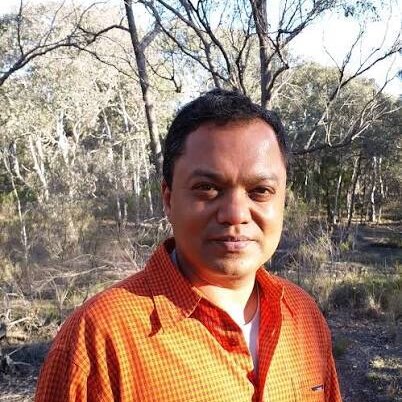
Chaitanya Sambrani is an Indian-Australian art historian and curator specializing in contemporary art in Asia, and a researcher at the Australian National University (ANU).
After studying at the Art Criticism at the Faculty of Fine Arts, M.S. University, Baroda, India, and completing a Ph.D. in Art History and Curatorship at ANU, he has published works on contemporary Asian and curated major exhibitions [some including Ancient Khmer art] such as
sk अवतार avatāra lit. "descent", "persistence", "form".
Avatāra in Sanskrit refers to "descending into a form", or "incarnation" - "avatar" in modern Indo-European languages.
Initially used specifically for the incarnations of Mahāviṣṇu, it is also one of the names of Krishna.
In the Purana, there are three kinds of incarnations of a deity - avatāra (full supranatural power), āveśa (power limited to the present time) and aṃśāvatāra (partial incarnation).
In modern English, an "avatar" is "a graphical or physical manifestation of a person, idea, or deity." [Merriam-Webster Dictionary].
sk भक्ति bhakti, "portion", "share", "being part of", "devotion".
Bhakti is a complex Sanskrit term and concept encompassing
Originally, Bhakti was the personal name of a female deity (devi) incarnated in a Dravidian woman walking with her two sons and granted youth again thanks to her piety.
Embracing bhakti was a powerful motivation for rulers of Ancient Southeast Asia. The concept didn't adapt to the personal ethics of Theravada Buddhist dhamma.
sk तैलङ्ग Tailaṅga "the Tailanga country" | sk तैलङ्गः tailaṅgaḥ "inhabitants of Tailanga" | persian سلطنت كرناتک saltanat-i-kratanak "the Sultanate of Karnatak' | tml ஆற்காடு நவாப் āṟkāḍu navāp "the Nawab of Arkot"
sk हरिहर harihara from हरि hari “bearing , carrying, one of the names of Vishnu” and हर hara "garland, necklace, one of the names of Shiva".
Harihara represents a syncretic form of Śiva and Viṣṇu. The fusional aspect of the deity derives from philosophical traditions in which Vishnu is said as being the shakti of Shiva, or Shiva is the one-who-knows (jñata) and Vishnu the knowledge (jñāna).
Harihara is often represented in the Khmer iconic tradition as four-armed, anthropomorphic form with the left side of the statue being Hari (Vishnu) with the cylindrical mitre (kirtamukuta), and the right Hara (Shiva) with the high crown of tangled locks (jatamukuta). It has been speculated that Harihara became a popular icon in the 7th-8th centuries as the rulers of the north ("Chenla"), followers of Shiva, wanted to ascertain their territorial aspirations and political aspirations over the south ("Funan"), where Vishnu was widely revered. Paul Lavy, however, argued that this explanation based on the assumption that Saivism and Visnavaism could have been rival sects in ancient Southeast Asia.
Hariharalaya ហរិហរាល័យ was the name of the pre-Angkor capital city founded by Jayavarman II at the end of the 8 th century in the Siem Reap area now called Roluos រលួស, the remains being the royal temples of Preah Ko, Bakong, and Lolei.
sk परशुराम Paraśurāma, 'Rama with an axe'; devanagari परशुराम
Parashurama [also known as Rama Jamadagnya, Rama Bhargava and Virarama] is the sixth avatar of the preserver god Vishnu in Hinduism, destroyer of evil, advised by Shiva to liberate Mother Earth from felons and demons, one of the Chiranjivis (Immortals) who will appear at the end of the Kali Yuga to be the guru of Vishnu's last incarnation, Kalki.
A Brahmin and hermit married to Dharani, an incarnation of Lakshmi, the wife of Vishnu, he is known for destroying the members of the Kshatryia caste who were abusing their power, armed with the Parshu [Parashu], an axe.
In the Ramayana, he challenges Rama to combat after the latter's wedding with Sita at Mithila, later deducing that Rama is himself an incarnation of Vishnu. Several temples in South India are dedicated to Parashurama, in particular in Kerala and Karnataka.
sk प्रलय pralaya “disappearance", "dissolution", "fainting".
Pralaya is the “disappearance of the world” in Shaivism, the end of a kalpa (cycle), and a momentary loss of consciousness (fainting) in the Natyashastra.
In Avatars: Forms of Vishnu (2026) pralaya is defined as "the periodic dissolution or suspension of the universe at the end of a cosmic cycle; during pralaya, all creation is withdrawn into Vishnu, where it remains in a latent state until the next creation."
The term came to be a synonym of "death" or "devastation".