

The Forgotten ruins of Indo-China
by Jacob E. Conner
The first extensive publication dedicated to Angkor in The National Geographic. By an American diplomat, with photos by two noted French photographers.

- Author
- Jacob E. Conner
- Publication
- The National Geographic Magazine 23-3, March 1912, p. 209-72. [pdf via BioDiversity Heritage Library]
- Published
- March 1912
- Pages
- 63
- Language
- English
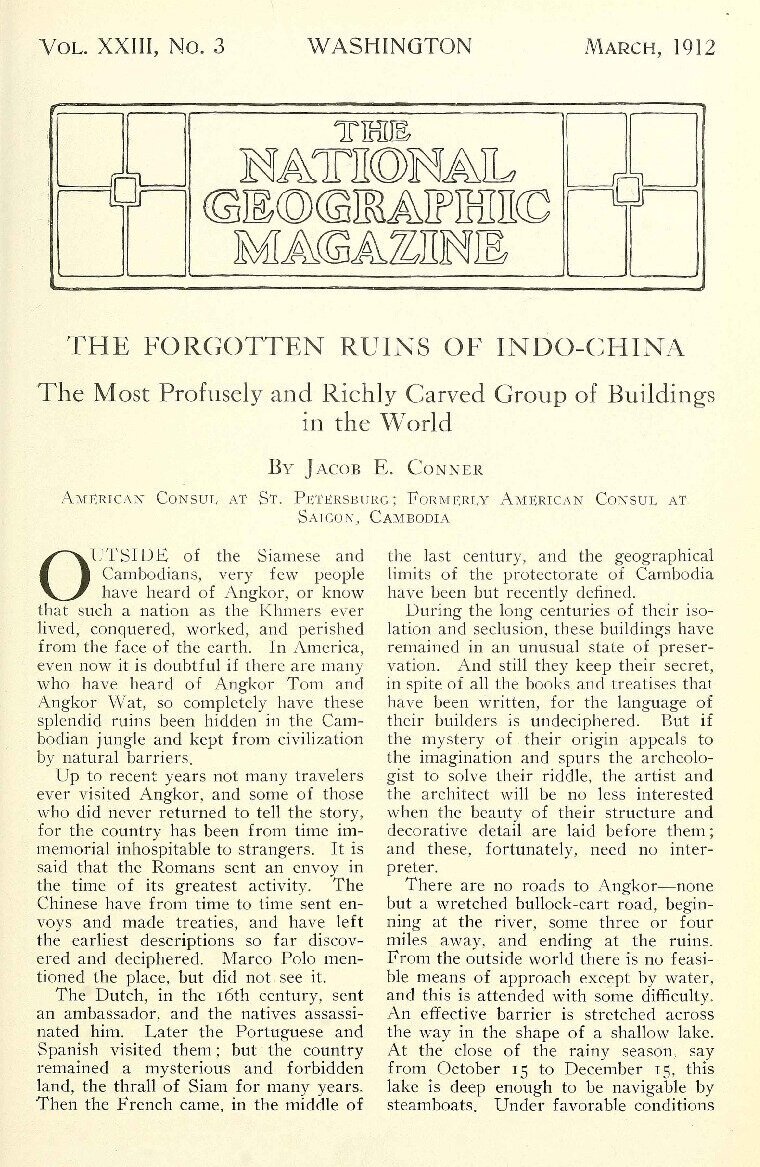
pdf 78.0 MB
Full title: “The Forgotten ruins of Indo-China: The Most Profusely and Richly Carved Group of Buildings in the World”.
The importance given to iconography is this first featured coverage of Angkor ever published in The National Geographic was was clearly stated: “The writer desires to acknowledge his indebtedness for the illustrations almost wholly to two collections: [Pierre] Dieulefils, in which the architectural view predominates, and [Lucien] Fournereau, where decorative detail is best shown.” [p 225] Several of these photos had been already published in France and French Indochina, in particular in
- E. de Croizier, L’art khmer, 1875
- L. Fournereau, Les ruines d’Angkor; études artistiques et historiques sur les Monuments khmèrs du Cambodge siamois, 1890.
- L. Fournereau, Les ruines khmères: Cambodge et Siam, 110 planches en phototype, 1890.
- P. Dieulefils’ Ruines d’Angkor, 1911,
but it had been in much smaller format — including postcards — or in limited editions and never with the printing quality the American magazine was able to attain.
If written sources were not quoted here, we can see that the author based the maps of Cambodia and Angkor area illustrating the articles on maps published by Etienne Aymonier in his volume Le Cambodge II — Les provinces siamoises (1901). In his description of the Tonle Sap flooded forest, Siem Reap village, the road [of absence of] to Angkor, we cand find echoes of earlier writings by French-American merchant and explorer Andrew Spooner — whom the author couldn’t have possibly met when he served as first American consul in Saigon from December 1907 to July 1909, as Spooner has died in Paris in 1884.
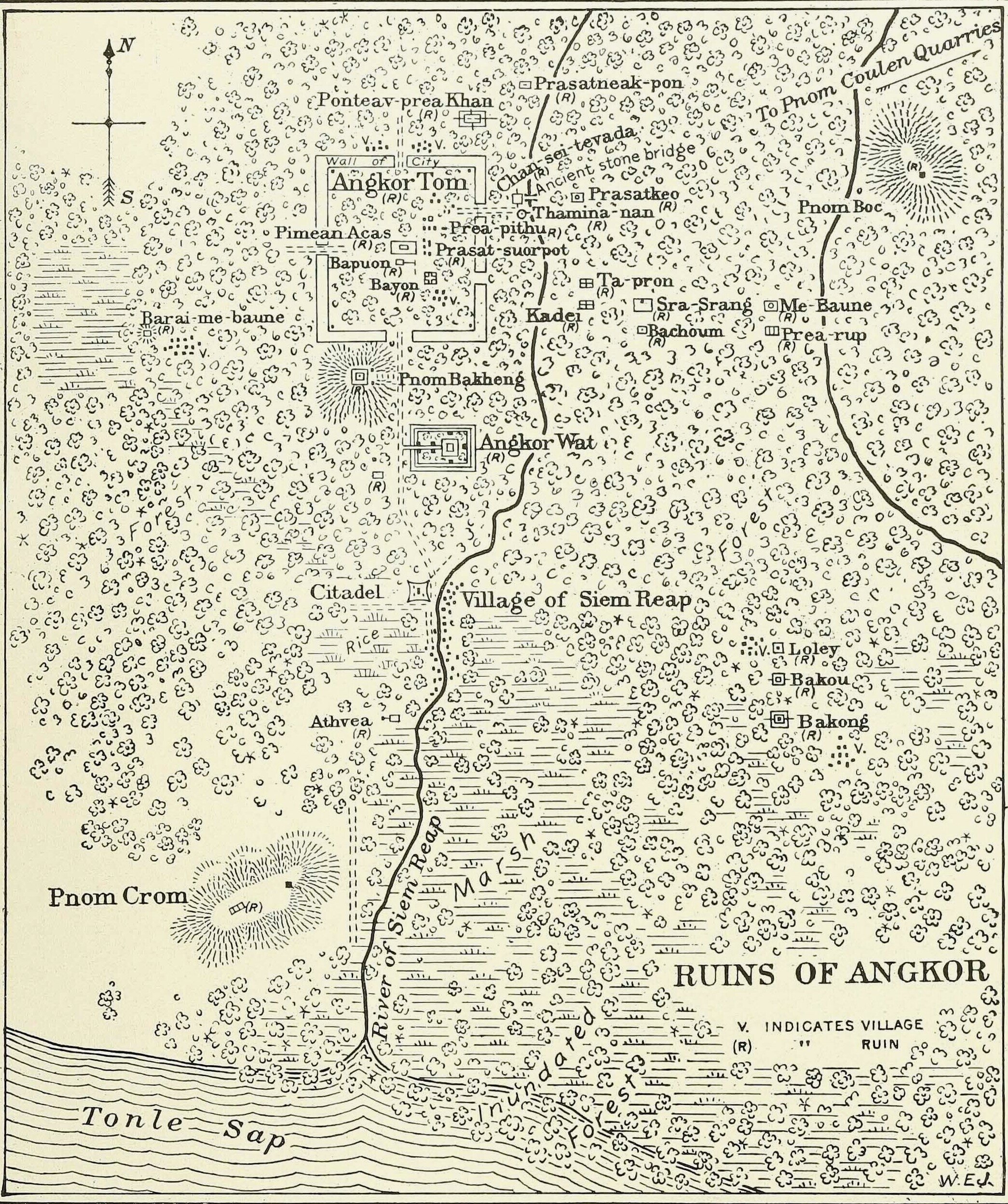
Illustrating Jacob E. Conner’s article in National Geographic 23 – 3, March 1912.
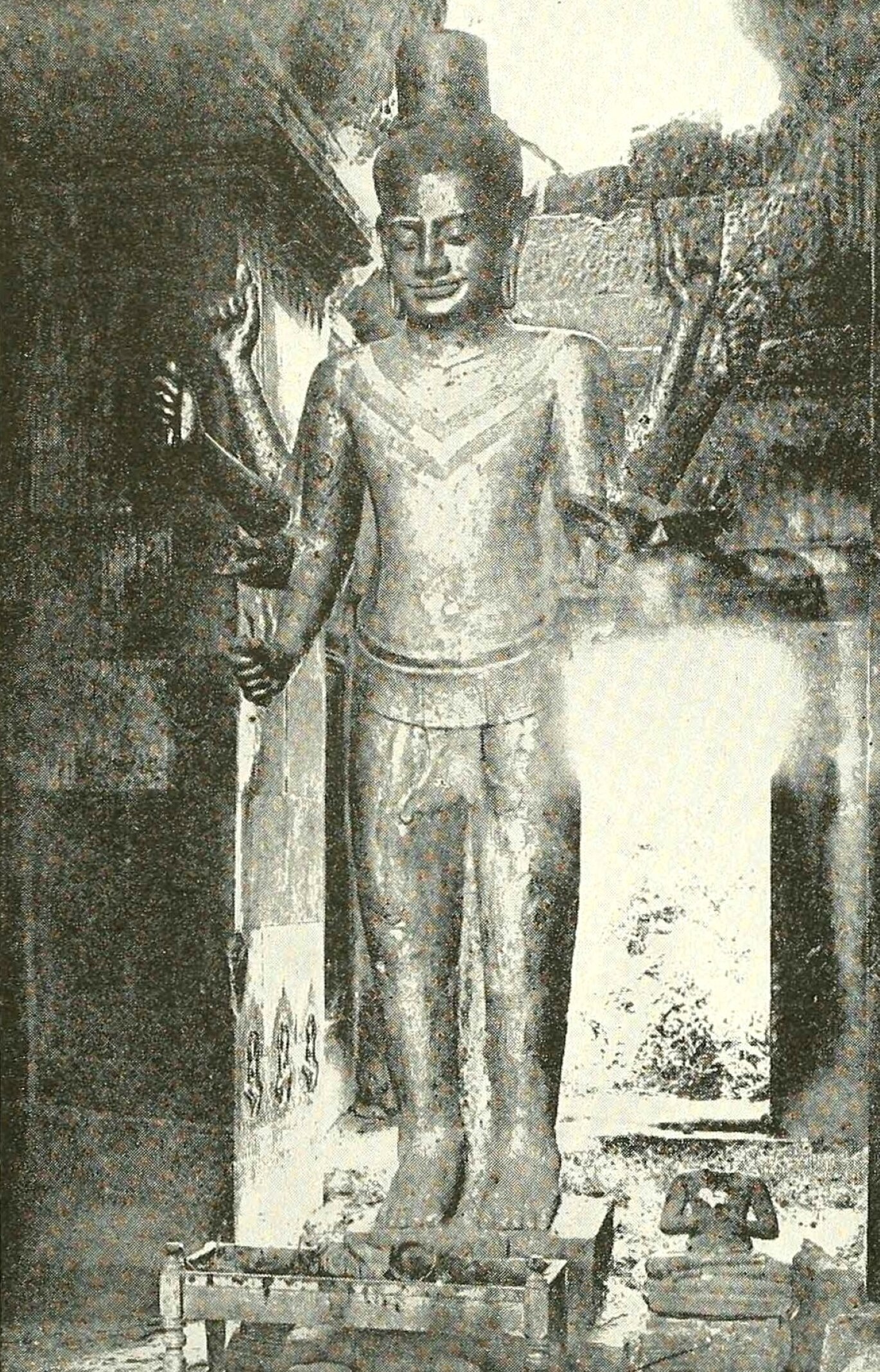
Photo Dieulefils Collection published in National Geographic 23 – 3, March 1912.
1) Map of Angkor Area clearly drawn from Aymonier 1901, p. 225 [note that ‘V’ for village is used only one time, ‘R’ for ruins much more abundant.] 2) ‘Buddha with multiple arms and an unusual head-dress at Angkor Wat’ [photo Dieulefils Collection].
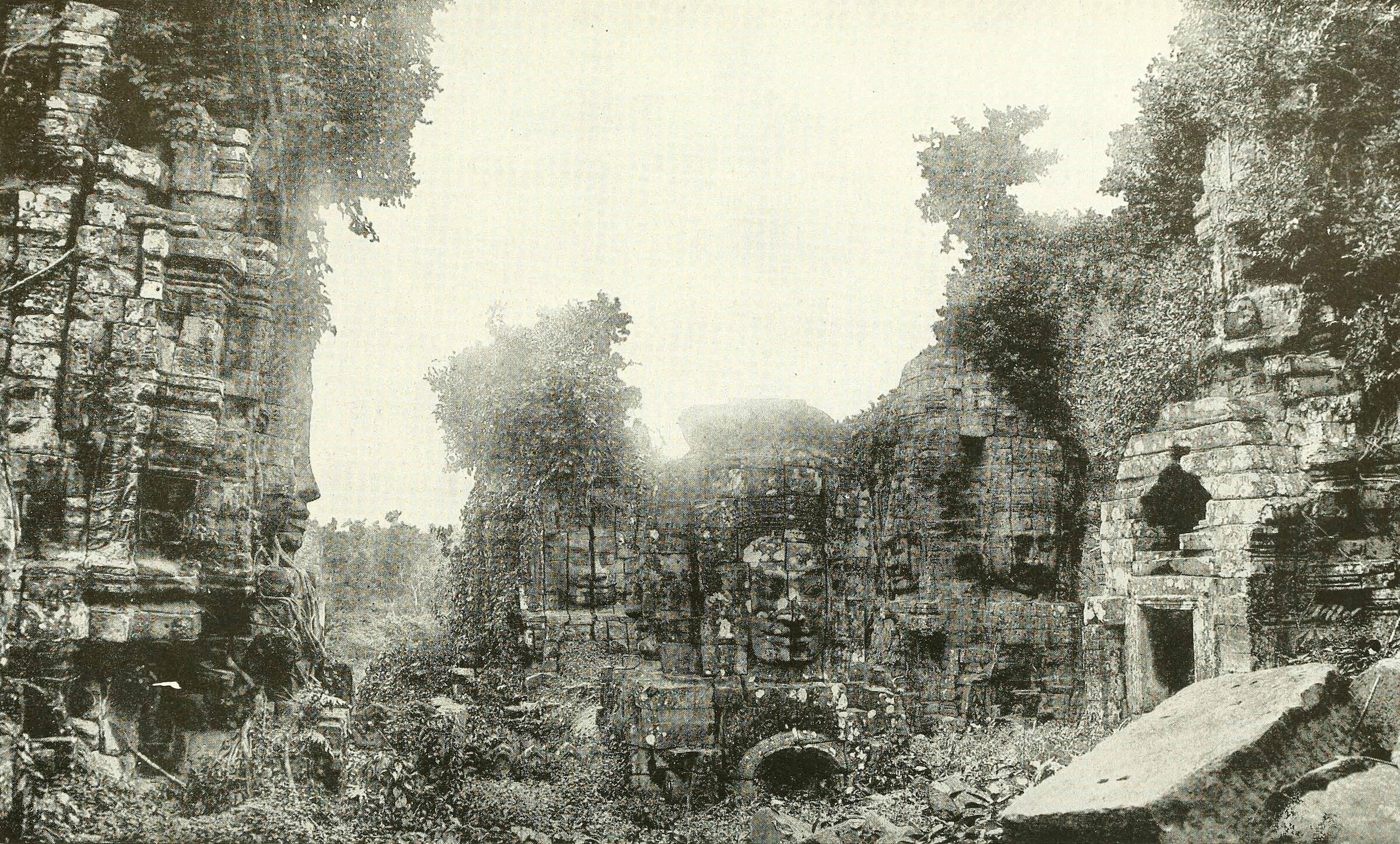
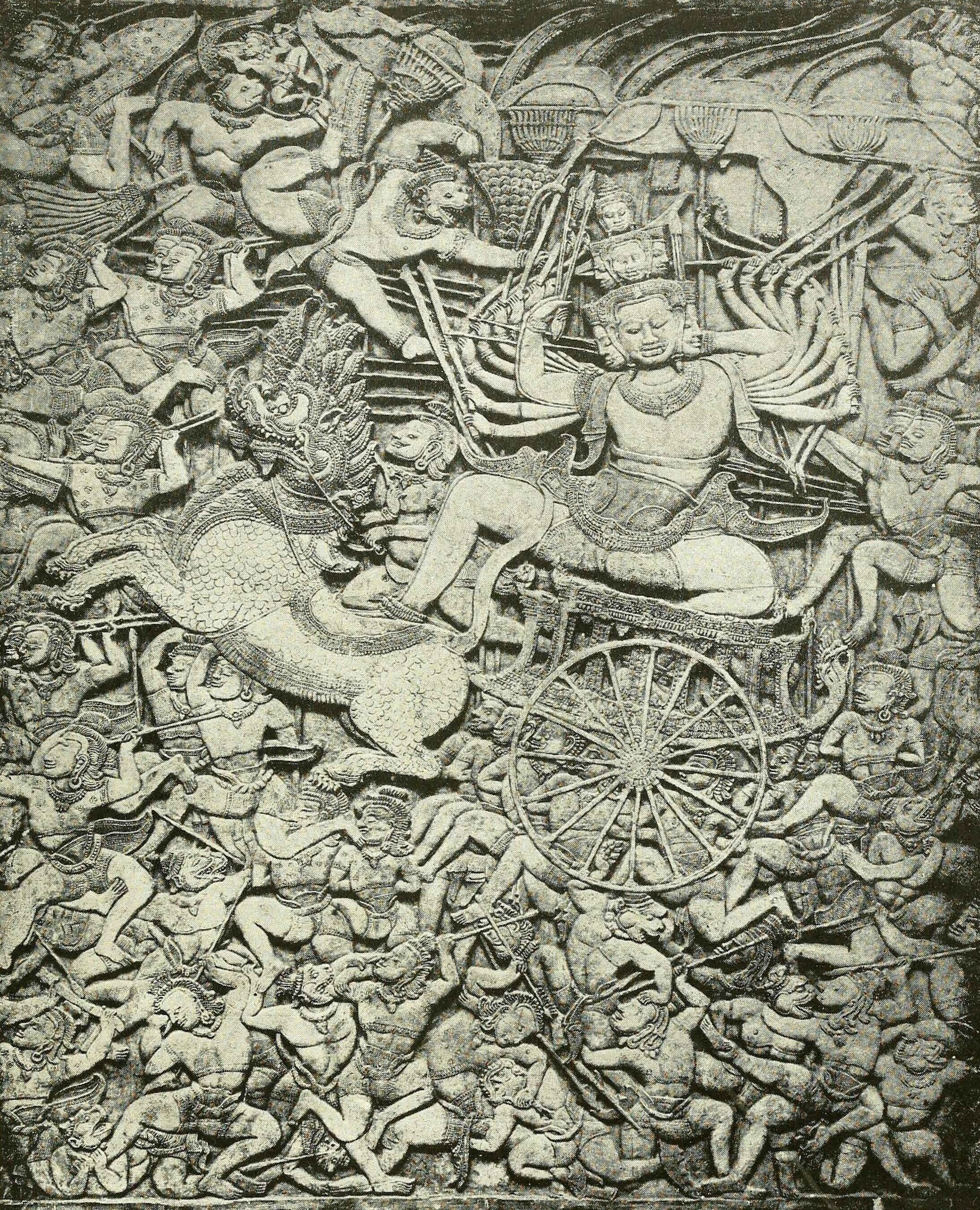
1) Bayon, general view c. 1888, before the start of major renovation work led by Jean Commaille. 2, 3, 4) Details of bas-reliefs in the galleries of Angkor Wat, c. 1888, including ‘Battle of Men and Monkeys’ (2), ‘The death of Hanamunt’ [sic for Hanuman, the god-monkey also called ‘king of the monkeys’ (3), ‘a royal bark’ (4). [all photos by L. Fournereau].
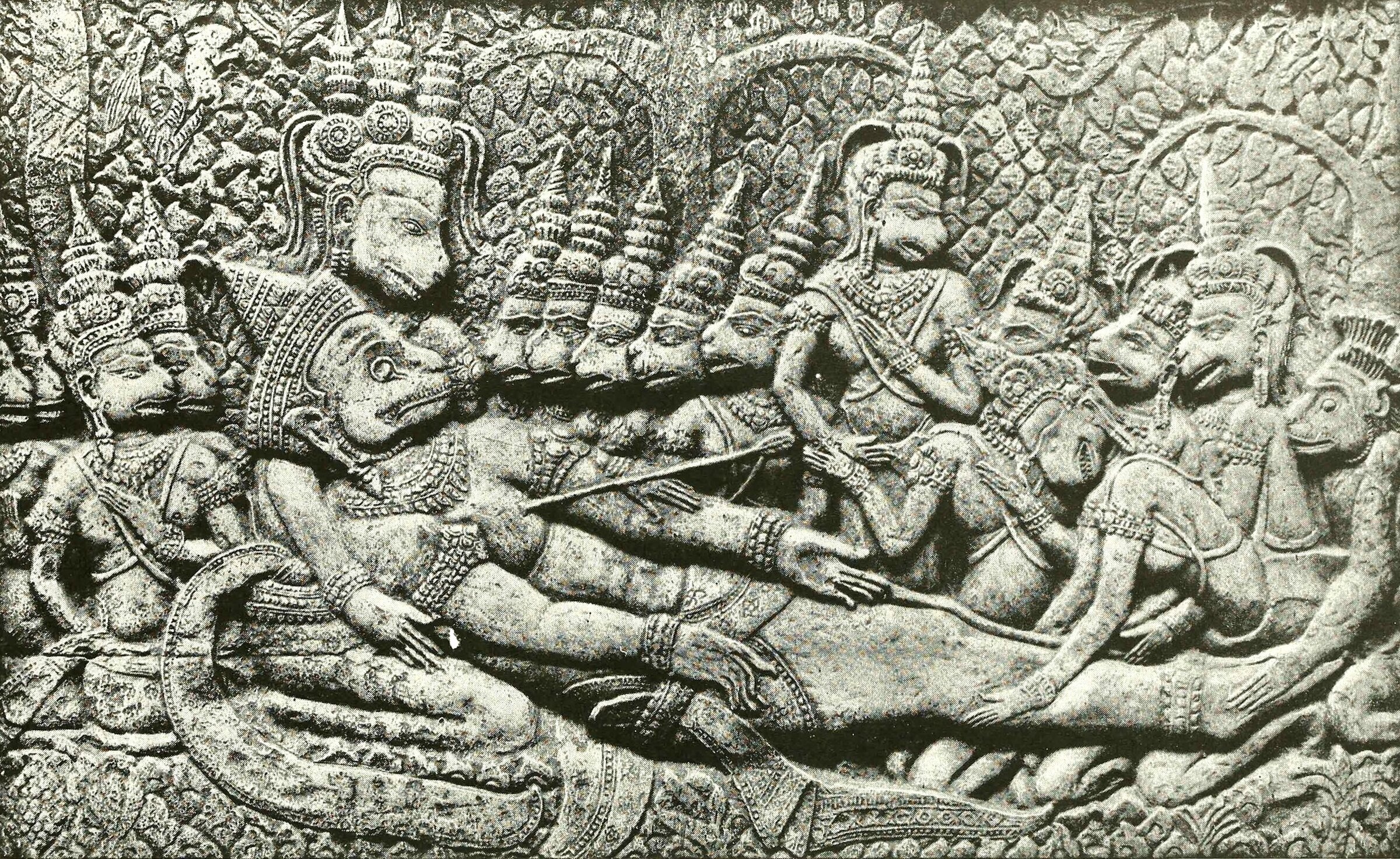
1) Bayon, general view c. 1888, before the start of major renovation work led by Jean Commaille. 2, 3, 4) Details of bas-reliefs in the galleries of Angkor Wat, c. 1888, including ‘Battle of Men and Monkeys’ (2), ‘The death of Hanamunt’ [sic for Hanuman, the god-monkey also called ‘king of the monkeys’ (3), ‘a royal bark’ (4). [all photos by L. Fournereau].
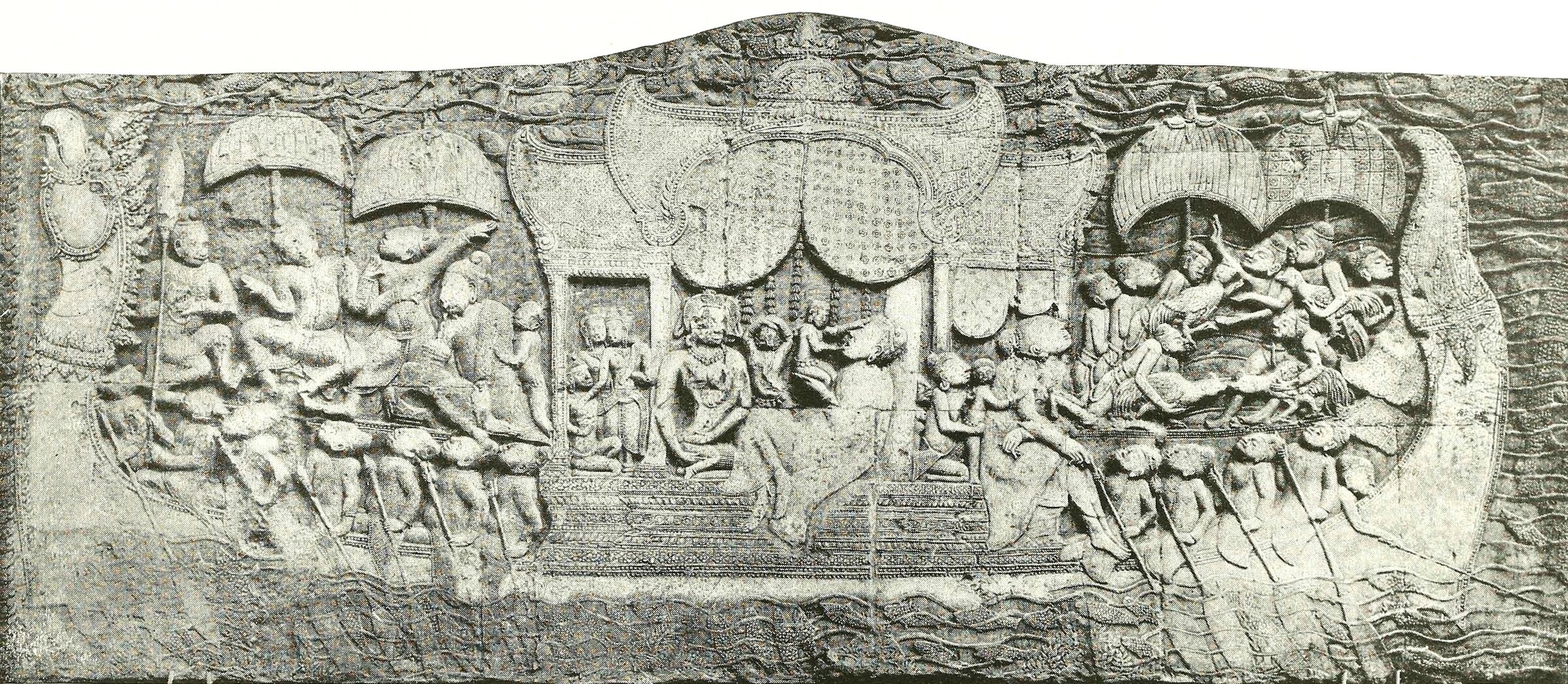
1) Bayon, general view c. 1888, before the start of major renovation work led by Jean Commaille. 2, 3, 4) Details of bas-reliefs in the galleries of Angkor Wat, c. 1888, including ‘Battle of Men and Monkeys’ (2), ‘The death of Hanamunt’ [sic for Hanuman, the god-monkey also called ‘king of the monkeys’ (3), ‘a royal bark’ (4). [all photos by L. Fournereau].
1) Bayon, general view c. 1888, before the start of major renovation work led by Jean Commaille. 2, 3, 4) Details of bas-reliefs in the galleries of Angkor Wat, c. 1888, including ‘Battle of Men and Monkeys’ (2), ‘The death of Hanamunt’ [sic for Hanuman, the god-monkey also called ‘king of the monkeys’ (3), ‘a royal bark’ (4). [all photos by L. Fournereau].
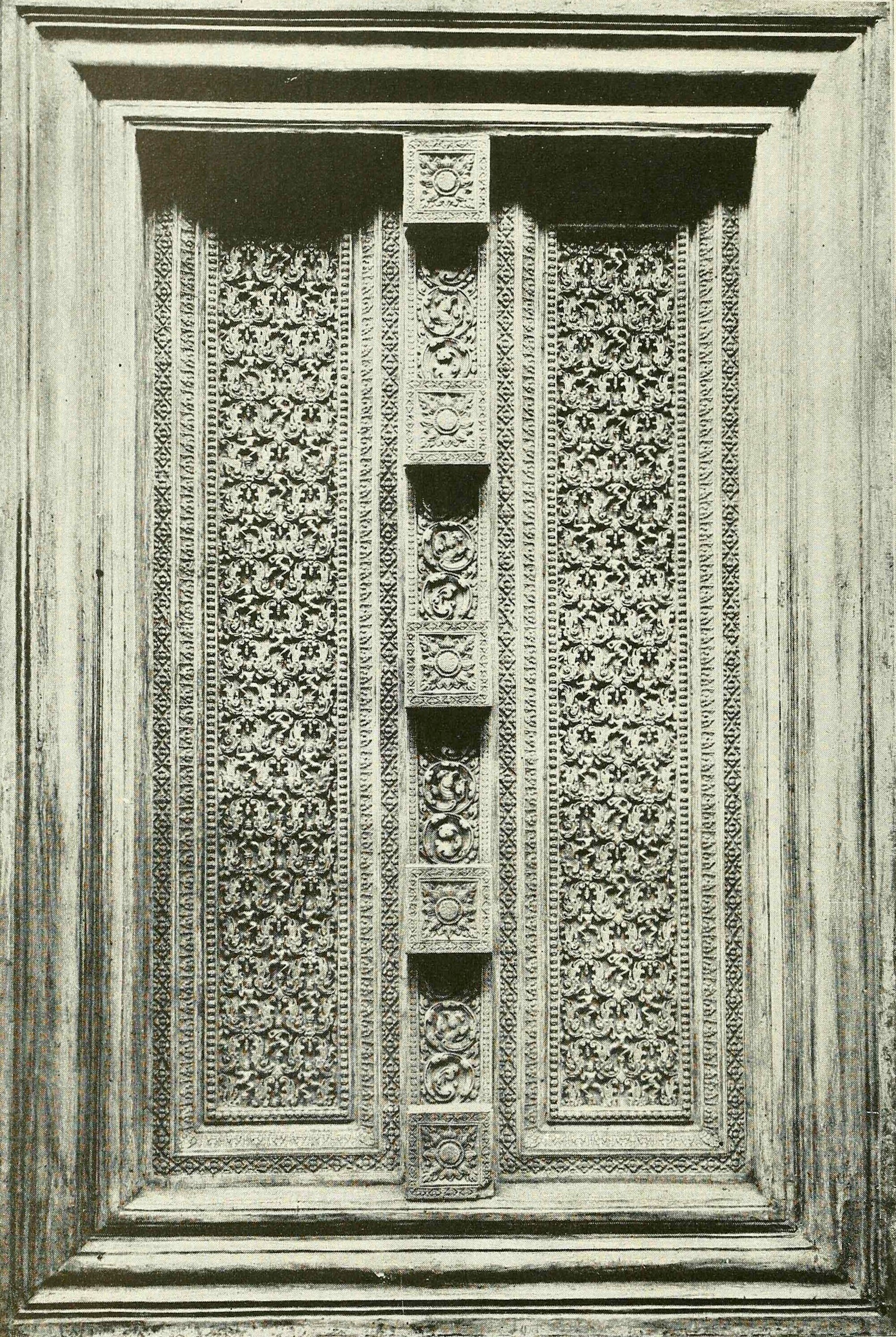
1) False door in one of the towers of Lolei temple ប្រាសាទលលៃ [9th century], the reader being invited to admire “the lace-like stone work”, p. 256 [photo Fournereau Collection]. 2) A dance performance in a courtyard at Phnom Penh Royal Palace, p. 221 [probably a rehearsal session, as the “interested spectators” the author thought to identify in the background were in fact other dancers awaiting to take the stage.” [photo Dieulefils Collection].
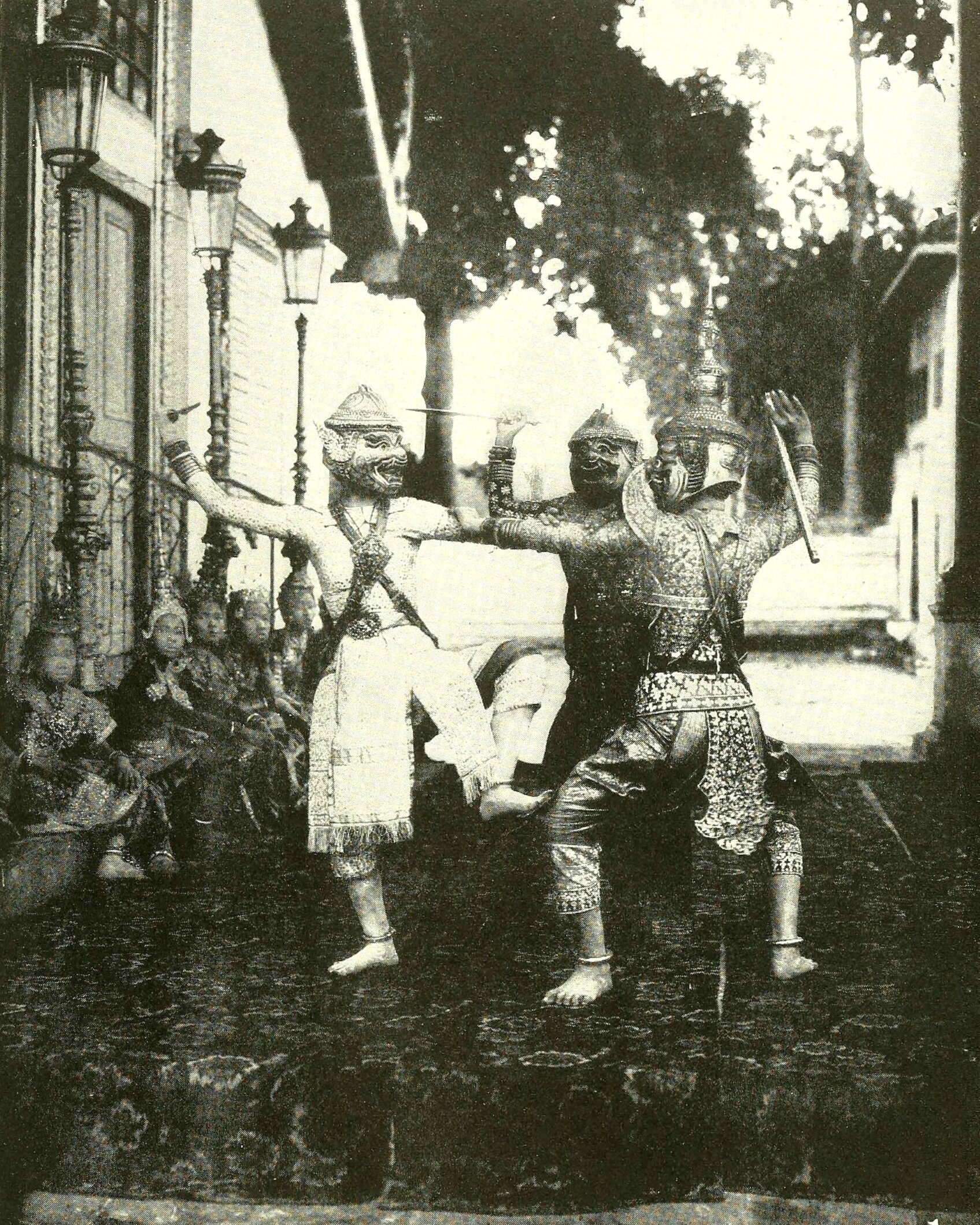
1) False door in one of the towers of Lolei temple ប្រាសាទលលៃ [9th century], the reader being invited to admire “the lace-like stone work”, p. 256 [photo Fournereau Collection]. 2) A dance performance in a courtyard at Phnom Penh Royal Palace, p. 221 [probably a rehearsal session, as the “interested spectators” the author thought to identify in the background were in fact other dancers awaiting to take the stage.” [photo Dieulefils Collection].
1) False door in one of the towers of Lolei temple ប្រាសាទលលៃ [9th century], the reader being invited to admire “the lace-like stone work”, p. 256 [photo Fournereau Collection]. 2) A dance performance in a courtyard at Phnom Penh Royal Palace, p. 221 [probably a rehearsal session, as the “interested spectators” the author thought to identify in the background were in fact other dancers awaiting to take the stage.” [photo Dieulefils Collection].
With the classical background of ‘humanities studies’ of the time — he was particularly influenced by Ancient Greece studies -, the author tended to see echoes of familiar traits in the highly unfamiliar place that was Angkor — “not a few Greek helmets”, he noted about the Mahabharata and Ramayana galleries at Angkor Wat, while remarking that feet on statues and reliefts were as ancient as “primitive Greek or Egyptian.” If the scientific foundation of his essay paled in comparison with Jean Commaille’s Guide aux ruines d’Angkor, issued that same year, he was prompt to acknowledge his own limitation:
We have already said that the Khmers built them; but who they were, where they came from, when and why they built, and, finally, why they disappeared, nobody is yet able to answer with certainty. Tradition in the person of an alleged Chinese historian [1] says that a powerful ruler once emigrated from India with all his followers to escape a still more powerful ruler; that he subjugated the people he found here and put them to work erecting these enormous edifices of stone.
But there are inscriptions to be mastered, which will be done some day, and then we shall know more about the subject. The letters closely resemble those of the Siamese and the modern Cambodian, and the work of deciphering may not be difficult. Incidentally it may be remarked that the features of the men in the bas-reliefs resemble in some respects those of the Cambodians of the present day, and it is not improbable that the key to the past lies hidden in their monasteries. At present the safest guess as to the date of building is as follows: For Angkor Tom, the 9th century A. D., or during the reign of Alfred the Great in England. For Angkor Wat, the 12th century, or 100 years after the Norman Conquest. [p 271]
[1] Obviously, Zhou Daguan, referred to on two other occasions in the article.
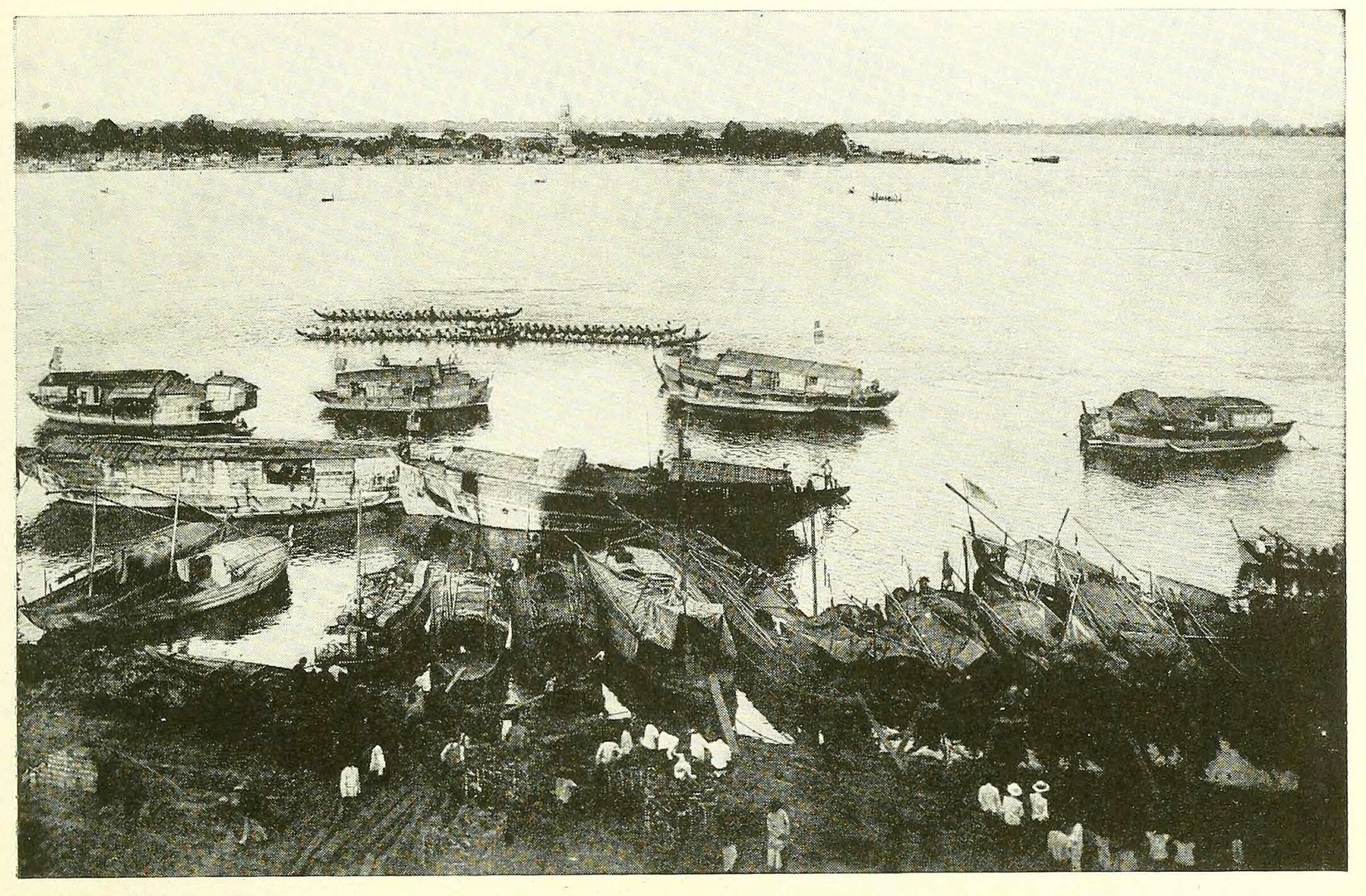
The caption of this uncredited photo of Water Festival boat race read: “Annual Regatta at Phnom Penh — The racing boats, or pirogues, resemble those shown in the bas-reliefs at Angkor, and are propelled, not by means of oars, but by vessels held in the hands of the rowers resembling shallow wash-bowls.” [p 215]
The caption of this uncredited photo of Water Festival boat race read: “Annual Regatta at Phnom Penh — The racing boats, or pirogues, resemble those shown in the bas-reliefs at Angkor, and are propelled, not by means of oars, but by vessels held in the hands of the rowers resembling shallow wash-bowls.” [p 215]
Note: following Conner’s article was published in the same issue the annual report of the National Geographic Society, founded in 1888, and its impressive growth as it was indicated : 74,000 members in 1911, 107,000 members at the date of publication one year later.
Tags: `1910s, American travelers, French photographers, archaeology, inscriptions
About the Author
Jacob E. Conner
Jacob Elon Conner (21 Oct. 1862, Ohio, USA — 27 July 1949, Brooklyn, New York, USA) was an American political scientist, diplomat and writer who served as the first US Consul in Saigon from December 1907 to July 1909 (replaced with Miller Joblin) and visited Angkor at that time, with his account published in The National Geographic in 1912 along with photographs by Pierre Dieulefils and Lucien Fournereau.
After studying at Mt. Pleasant State University, Iowa — PhD. in political science -, he taught Greek and economics in secondary schools before conducting field research for the U. S. Bureau of Labor and the Interstate Commerce Commission. Impressed by his study on the foreign service corps (Uncle Sam Abroad, 1900), President Franklin D. Roosevelt appointed him to open in 1907 the first US Consular representation in Saigon (then labeled as ‘French Indochina’, ‘Cochinchina’ and even ‘Cambodia’ in the National Geographic). From 1909 to 1913, he was US Consul in St. Petersburg, Russia, later traveling extensively across Europe for ‘commercial purposes’ and furthering his personal studies on Ancient Greek civilization. His obituary in The Mt. Pleasant News (10 Aug. 1949) only added than from the 1920s to his death he was a “special Washington correspondent for a New York daily.” He also published one history essay late in his life, quite controversial Jesus Was Not a Jew: An Epistle to the Gentiles (1936).
The need for a permanent US representation in Saigon had been expressed since the 1870s by various American merchants in diplomats, in particular the US Consul in Singapore, A.G. Studer, who in a cable to the State Department dated February 1881 recommended for that position “Andrew Spooner, an American merchant at Saigon of whom the French Consul here, who knows him personally and respects him very highly, told me, that he is by far the ablest and most enterprising man in Cochinchina, and has been a member of the Colonial legislature, that he has a large mill for unhulling all the paddy (rice) exported from Saigon, and is, otherwise, engaged in large enterprises, that he is very highly respected in the Colony. [Robert Hopkins Miller, The United States and Vietnam: 1787 – 1941, Washington DC, National Defense University Press, 1990, p. 78 – 9] [1] [Spooner, who was in fact American by his father and French by his mother, worked only with French or local companies]. The US Consul in Bangkok expressed on many occasions an adverse opinion, claiming that Saigon would never gain any significant position in international trade.
As the tension between France and China was high due to the French military campaigns in Tonkin, the American officials waited until after the signing of the France-China 1885 Treaty — by which Saigon lost its status of ‘free port’ to become clearly French-operated -, before appointing a ‘US Commercial Agent’ starting from 1889, with Aimée Fonsales and later Edward Schneegans. Nine years later, the USA took over the Philippines after deafeting the Spanish fleet at Manila and the Saigon place acquired renewed importance. During his relatively brief posting, Jacob E. Conner pleaded for more American warships from Manila to pay visits to Saigon, as he thought the French colonizers were hoping that the US and Japan would go to war. In a May 1908 report, he noted that the local French “would be delighted to see a war between ourselves and Japan” and that “they would be impartial spectators, indifferent as to the outcome.” [Robert Hopkins Miller, op. cit., p. 151 – 2.]
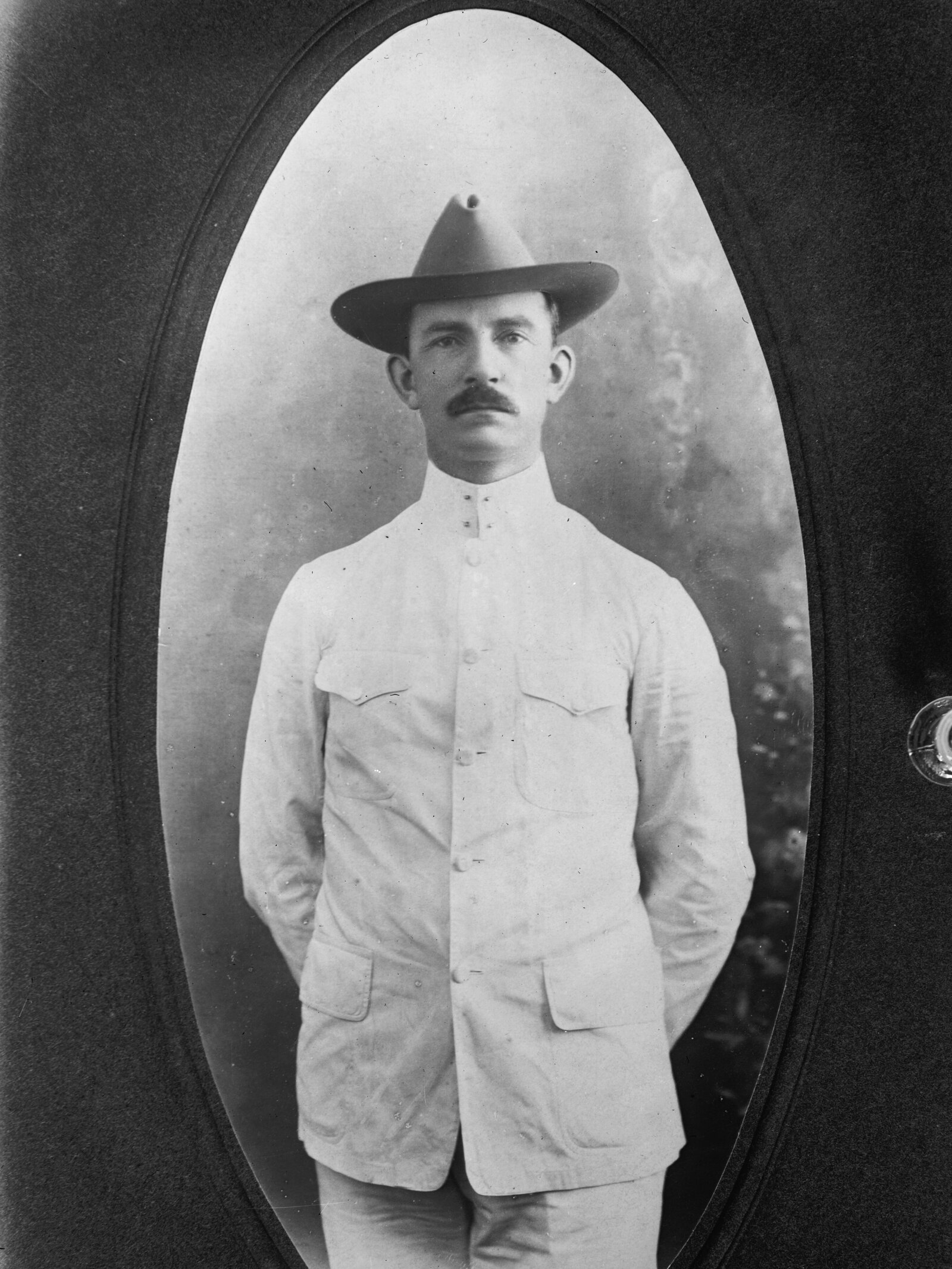
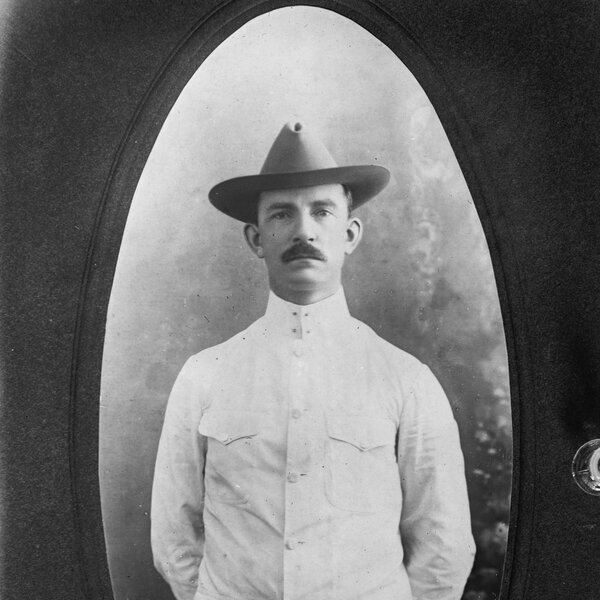
1) Portrait of Jacob E. Conner c. 1910 [Bains News Service via Library of Congress]. 2) Book cover of Uncle Sam Abroad, 1900. 3, 4) Illustrations in Jacob Conner’s Uncle Sam Abroad by
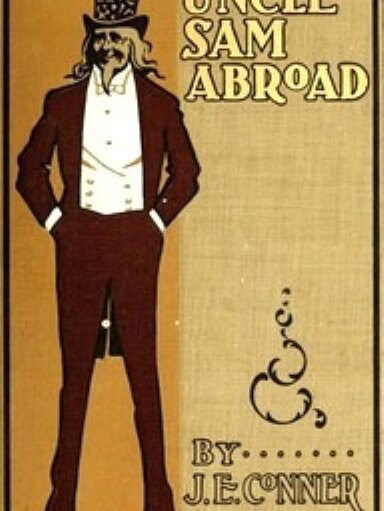
1) Portrait of Jacob E. Conner c. 1910 [Bains News Service via Library of Congress]. 2) Book cover of Uncle Sam Abroad, 1900. 3, 4) Illustrations in Jacob Conner’s Uncle Sam Abroad by
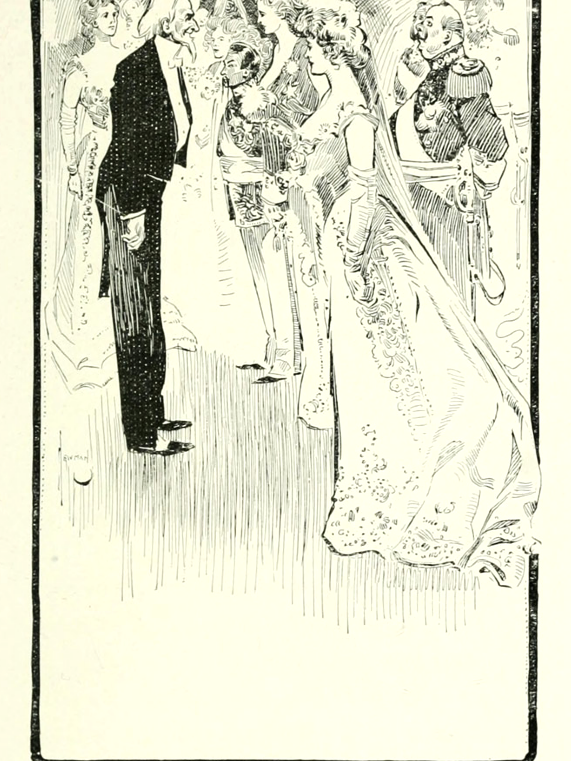
1) Portrait of Jacob E. Conner c. 1910 [Bains News Service via Library of Congress]. 2) Book cover of Uncle Sam Abroad, 1900. 3, 4) Illustrations in Jacob Conner’s Uncle Sam Abroad by
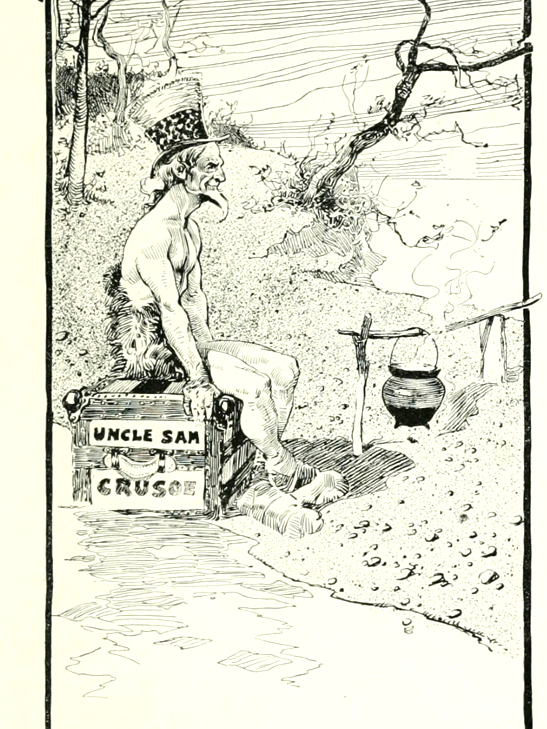
1) Portrait of Jacob E. Conner c. 1910 [Bains News Service via Library of Congress]. 2) Book cover of Uncle Sam Abroad, 1900. 3, 4) Illustrations in Jacob Conner’s Uncle Sam Abroad by
1) Portrait of Jacob E. Conner c. 1910 [Bains News Service via Library of Congress]. 2) Book cover of Uncle Sam Abroad, 1900. 3, 4) Illustrations in Jacob Conner’s Uncle Sam Abroad by
Despite diplomatically complaining about his meager Consul salary, Conner found the time and the financial means to travel to Angkor and spend ten days exploring the ruins in December 1912. His account was the first ever featured article on the Angkorian site published in The National Geographic, complete with a wise selection of photographs by Dieulefils and by Fournereau. Certainly, activity of the American consulate remained modest through the 1910s. For instance, “no exports were declared through the consulate to the United States in 1911, and only 13,935 pounds of pepper, valued at $1,605, in 1910. Declared exports to the Philippines amounted to $3,971,025 in 1911, of which $3,966,481 represented rice and $2,169 cinematograph films. The total for 1910 was $4,915,868, of which $1,909,059 was rice and $5,850 buffaloes.” [New York Times, 1 Jan 1913].
It is only on 1 May 1929 that the American consulate set its headquarters in a substantial building on present-day Ho Co Rua (The Turtle Pond Square, fornerly Place de Maréchal Joffre north of the cathedral), the former residdence of pharmacist and antique collector Dr. Thomas Victor Holbé (1857−1927). Holbé, an amateur archaeologist and an undefatigable collector of jade and porcelain artefacts, willed his collection to the Société des Etudes indochinoises (SEI), which in turn transferred all its holdings to the Musée Blanchard de la Brosse [from James Nach, History of the US Consulate in Saigon, excerpts published on the US Foreign Service website] . The latter finally opened its door that same year, 1929. Apart from commercial endeavors, it catered to the American expat community, which before WWII, was only around 20 individuals strong.
[1] R. Hopkins Miller mentioned twice Jacob E. Conner in his study, with his last name mispelled as ‘Connor’.
Publications
- [with illustr. by Clyde J. Newman] Uncle Sam Abroad, Chicago/New York, Rand, McNally & Company, 1900, 200 p. [available at Project Gutenberg].
- [with photos by P. Dieulefils, L. Fournereau] “The Forgotten ruins of Indo-China: The Most Profusely and Richly Carved Group of Buildings in the World”, The National Geographic Magazine 23 – 3, March 1912, p. 209 – 72.
- [with photos by Ernest L. Harris] “Homer’s Troy Today”, The National Geographic Magazine, 27 – 5, May 1915: 521 – 32.
- Jesus Was Not a Jew: An Epistle to the Gentiles, 1936; repr. Literary Licensing, 2013, 202 p. ISBN 978 – 1258848460.