Publications
The Emergence of Pailin, the Land of Sapphires
by Takako Kitagawa
by Colin Grafton
The photographic testimony of a keen and discreet observer of Cambodian culture and daily life, right before the civil war and from the 2010s.

While his first published book, Dancers (2022), was entirely focused on the subject — the protagonists of what would have been the last Khmer classical dance performance in Phnom Penh before the capital city was stormed by Khmer Rouge forces on 15 April 1975 — we can now follow more closely the photographer himself, the somehow hippy, somehow Byronesque young English teacher who happened to “just being there”, to borrow the title of the documentary about Colin Grafton completed by filmographer Robert Carleton-Chhaing in 2026.
Before settling back in Cambodia in 2014, the retired English teacher had exhibited some of his photos of Cambodia (and Cambodians) only once, in London in 1981. While working on the Dancers book, he went through his personal archive, often with the help of wife Keiko Kitamura — “She’s much more organized than I could ever be,” he likes to remark with a smile. He planned to donate most of his negatives to Phnom Penh Bophana Center, which led to several exhibitions of his work, and when the SOSORO Museum offered hin a 2‑week slot for an exhibition of photos not directly related to the dancers, the warm response to his selection from the visitors and organizers encouraged him to work on a publication that would encompass the two years and four months [from 28 November 1972 until 7 April 1975, precisely] he had spent in Cambodia, the last moments of the Khmer Republic established in September 1970.
But this is far from being a mere trip down memory lane. As he had done with the few surviving dancers he had photographed in 1974, Colin Grafton went back to all the places he had visited five decades earlier — Udong, Pailin, Siem Reap, Banteay Chhmar, and of course the beloved Phnom Penh — to find out how people and places had fared all those years, and how they remembered those who didn’t make it through the war.
More than a ‘then-and-now’ collage, this time travel through photography benefited from all he had learnt on the ancient and modern history of the country, on the traditions kept or slowly vanishing. The privilege of hindsight is to notice important details that were overlooked by the most demanding historians yet can tell us a lot, and sometimes allow us to ponder on the proverbial ‘quirks of fate’. What about, for instance, photo number 30 of the book showing that the street sign for the esplanade fronting the northeastern part of the Royal Palace read in 1973 ‘Place de la République ទីលានសាធារណរដ្ឋ’, Republic Square?
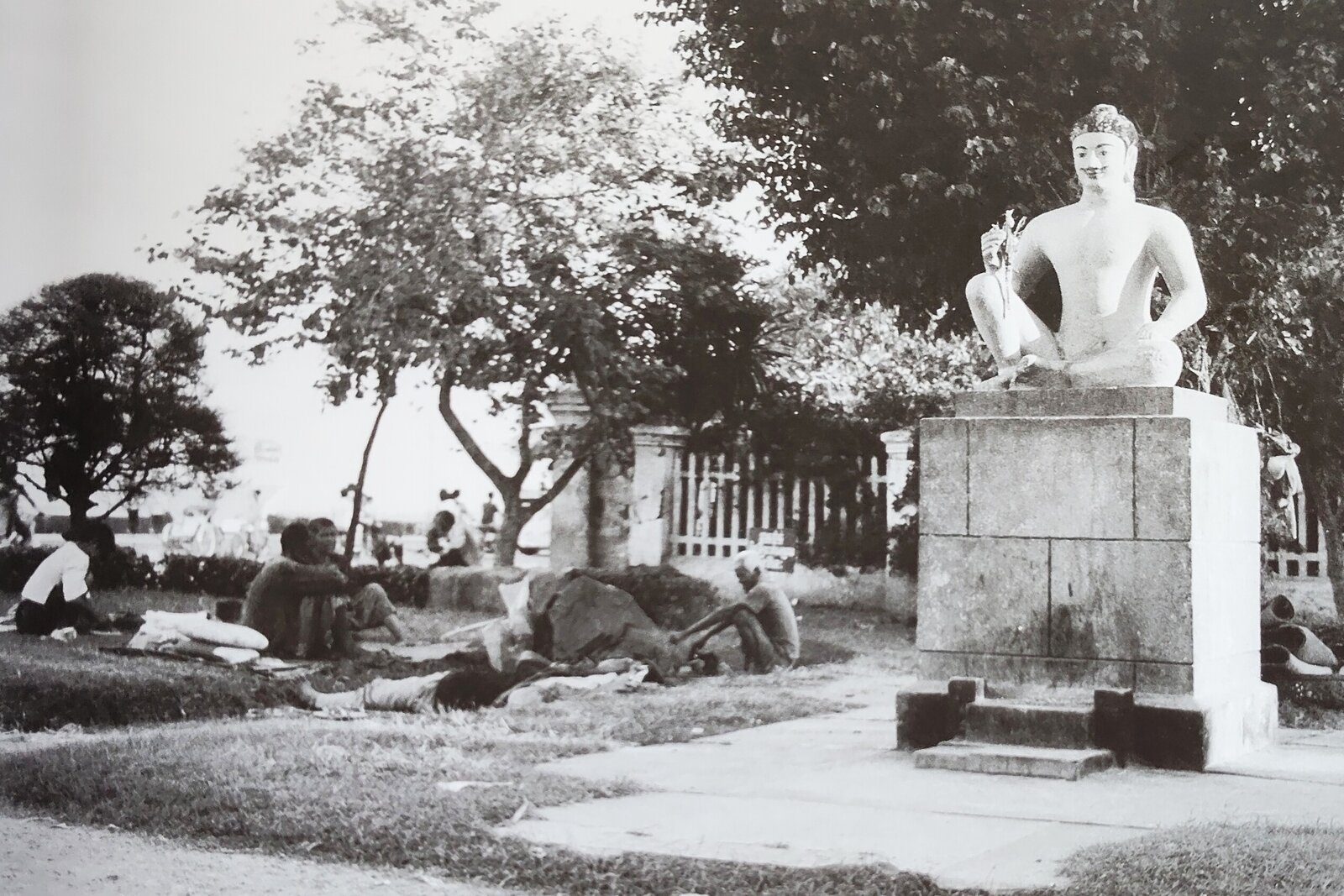
1) Statue of the Leper King in front of Wat Ounalom Monastery វត្តឧណ្ណាលោម, Phnom Penh. In the 1970s, the photographer heard recollections of how praying to the statue had been an effective protection against the Japanese aerial bombings in 1944 – 1945. 2) Supreme irony: The square fronting the Royal Palace renamed ‘Place de la République ទីលានសាធារណរដ្ឋ’ after the establishment of the Khmer Republic in Sept. 1970. [all photos © Colin Grafton. Higher-res, original prints can be ordered email hidden; JavaScript is required.]
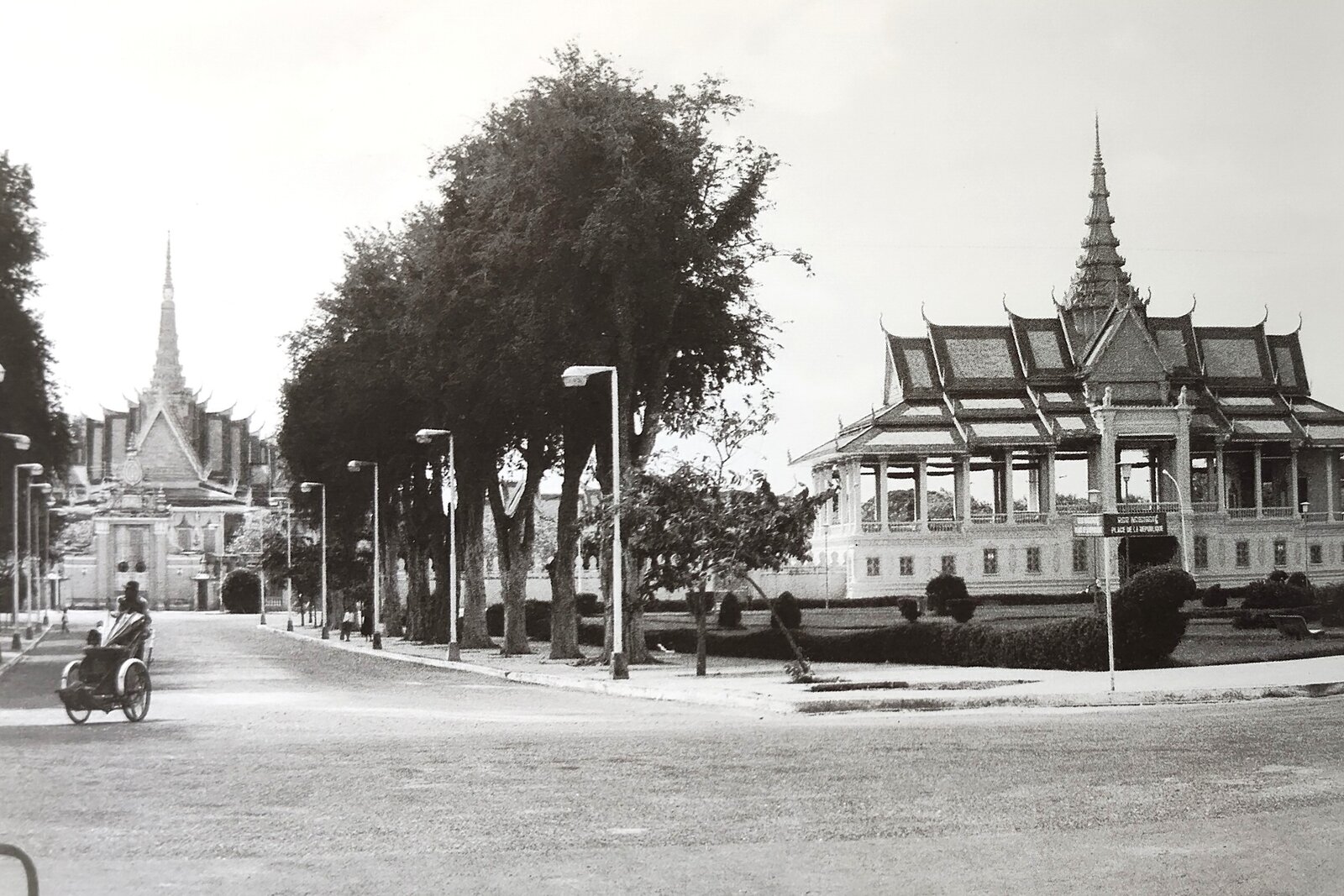
Royal Palace and ‘Place de la Republique’ [photo Colin Grafton, 1973]
1) Statue of the Leper King in front of Wat Ounalom Monastery វត្តឧណ្ណាលោម, Phnom Penh. In the 1970s, the photographer heard recollections of how praying to the statue had been an effective protection against the Japanese aerial bombings in 1944 – 1945. 2) Supreme irony: The square fronting the Royal Palace renamed ‘Place de la République ទីលានសាធារណរដ្ឋ’ after the establishment of the Khmer Republic in Sept. 1970. [all photos © Colin Grafton. Higher-res, original prints can be ordered email hidden; JavaScript is required.]
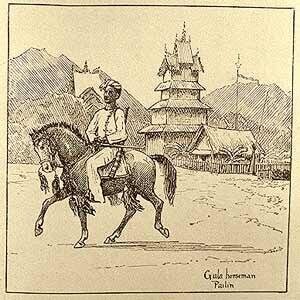
And what about serendipity appearing even from these darkest times of Cambodian modern history? In 1974, Colin Grafton seized the opportunity to escape Phnom Penh surrounded by civil war strafing and US aerial bombings by hopping on a military helicopter — thanks to the connections of his then Cambodian girlfriend — and flying to Pailin. Not only did he discover the unique Kola (or Kula, families of Burmese origin) community, the complex history of which he later researched, but, after a drink at the ‘B‑52 Café — then a hotspot of Pailin social life -, he photographed hundreds of sapphire prospectors, men and women at work in the river bed. He didn’t know that the future Minister of Planning and Governor of the National Bank of Cambodia, H.E. Chea Chanto, had visited that same place a few months earlier, and was to describe the same scenes of gemstone prospection in his autobiography, Memories and Floating Thoughts (1951 – 2023) [អនុស្សាវរីយ៍ និងគំនិតអណ្តែតត្រសែត], published in 2023.
Pailin, the ‘last frontier’, the ‘margin’ caught between the powerful Western neighbor over the mountains, Siam-Thailand, and Battambang, so close as the crow flies and yet so far away due to the difficult terrain. Colin Grafton went there again, too, just to get a fuller perspective in hindsight. As he started to study the history of this enigmatic mountainous region, full of legends and actual gemstones, Colin asked Natasha Pairaudeau, post-doctoral fellow of the Centre for History and Economics at Cambridge University to share a summary of her own work on the ‘Shan (Kola) mining community’. At Angkor Database, we have selected what we find the most comprehensive work on Pailin and the Kula people, by Takako Kitagawa in 2019, and we’ll soon publish an abstract of our own findings.
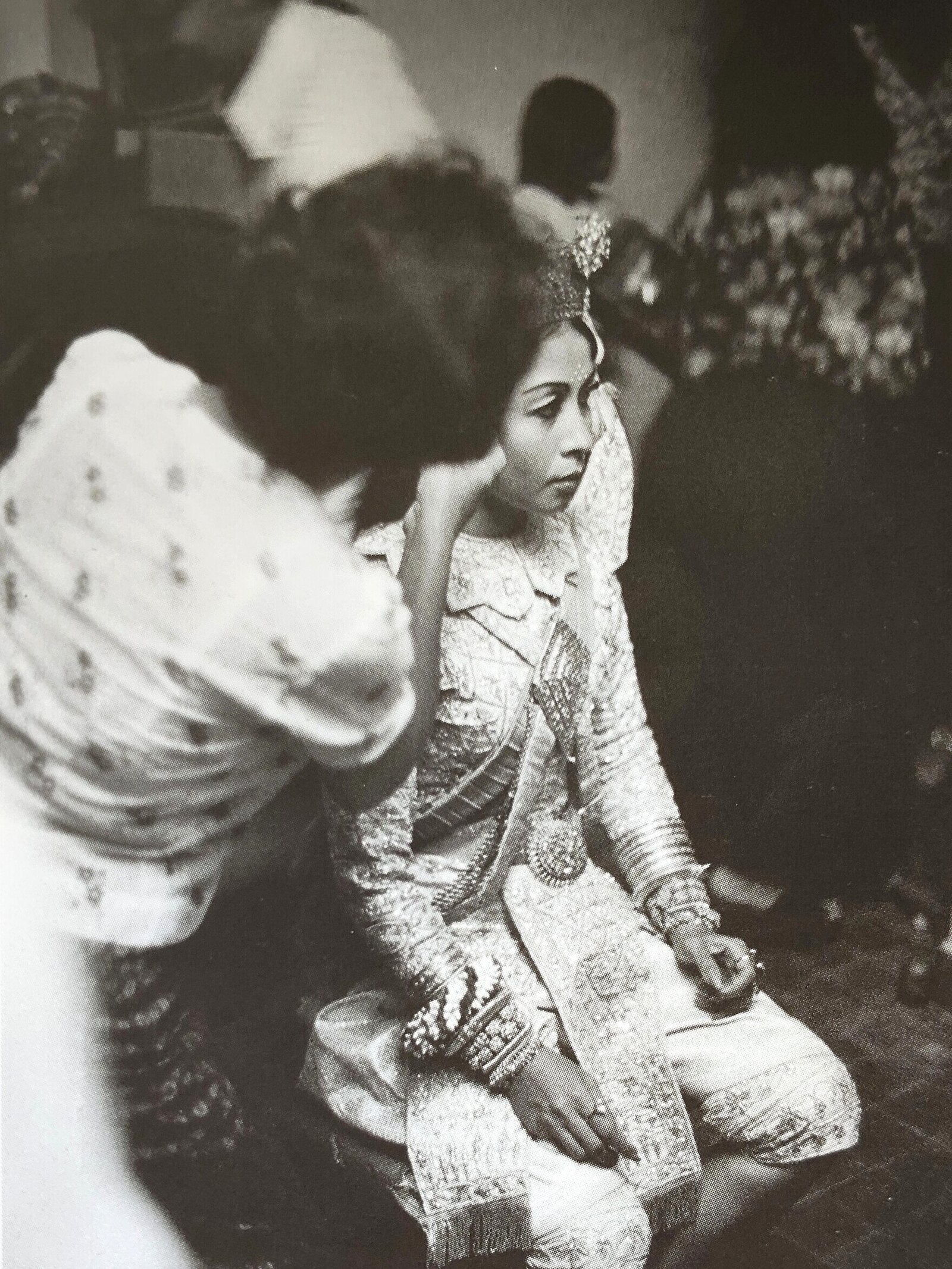
Menh Kossony © Colin Grafton
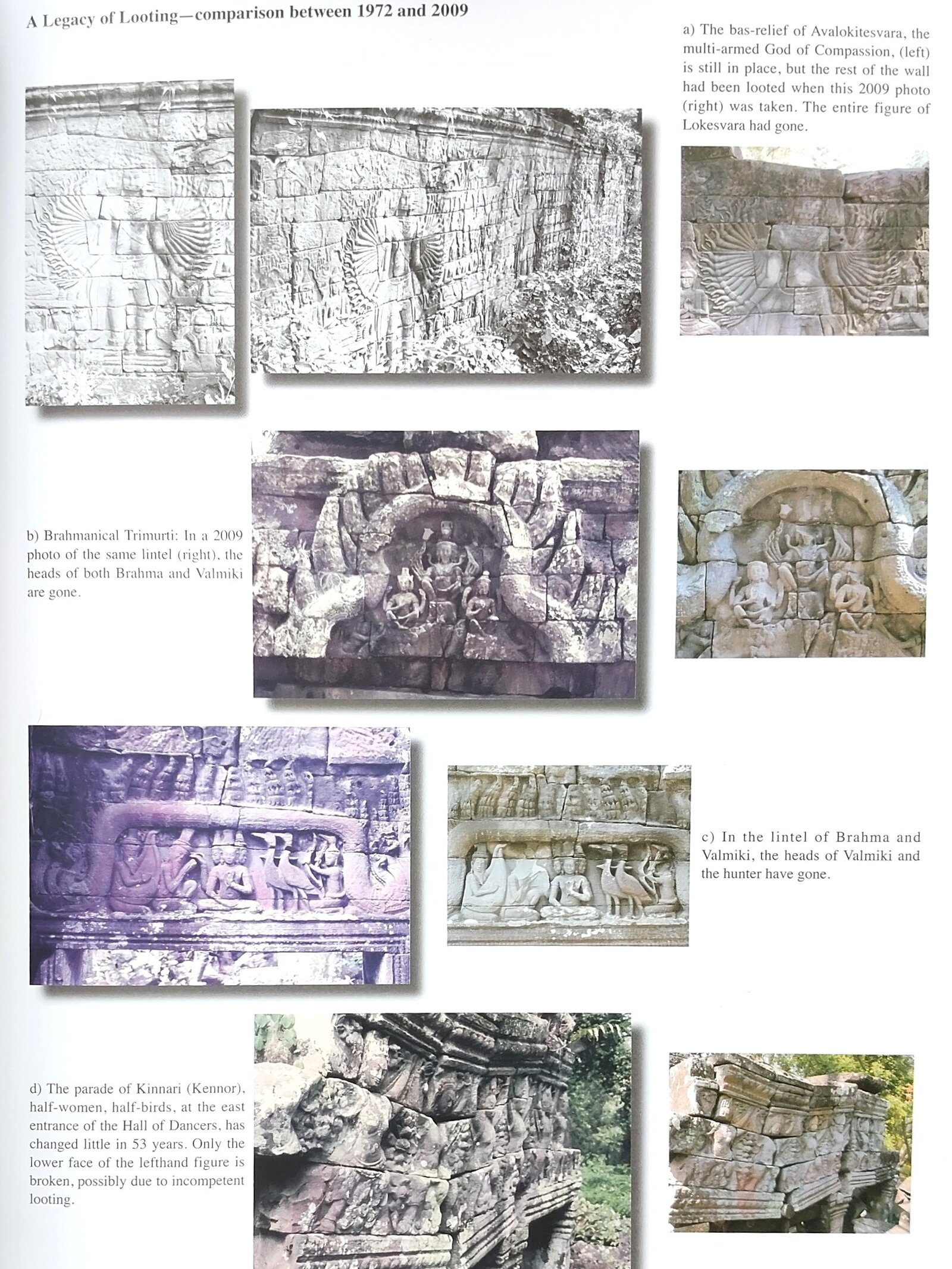
1) Dancer Menh Kossony getting ready before what would probably be the last public performance of Khmer classical dance in Phnom Penh before the storming of the city by the Khmer Rouge in April 1975. 2 A composite page documenting the looting of reliefs and sculptures in Banteay Chhmar [© Colin Grafton from the book.]
1) Dancer Menh Kossony getting ready before what would probably be the last public performance of Khmer classical dance in Phnom Penh before the storming of the city by the Khmer Rouge in April 1975. 2 A composite page documenting the looting of reliefs and sculptures in Banteay Chhmar [© Colin Grafton from the book.]
And then there was Banteay Chhmar បន្ទាយឆ្មារ, thought to be a military camp on the major road to Phimai from Angkor but more and more considered as a fully developed settlement in the heydays of the Khmer Empire. Why there? Quite simply, when he was still in Laos, Colin was dreaming of seeing firsthand Khmer temples. End of 1972, the Angkor area was too dangerous for traveling outsiders — that was the year Bernard-Philippe Groslier had to leave this beloved place, after he was himself wounded, and the civil war was closing in, making the access to Angkor Wat too risky for foreign travelers (and even locals).
Once again, while recollecting his feelings at the time of his first visit, the emotions triggered by the sheer beauty of the stone art, by the people trying to protect this majestic site from organized looting, the photographer didn’t wallow in nostalgia. Fifty some years later, he felt the urge to bear witness, to compare his 1972 photos with the ones taken in the 2010s and 2020s, mostly in order to document the extent of depredation by systematic plundering (often sponsored and secured by Thailand army officials). Nobody knows whether there will be any kind of remorse, restitution, reparation. Hopefully so. But what really matters here is that the tranquil observer “who just happened to be there” provides us with enough documental visuals to ponder the extent of looting, and show us we all can be much more than ‘passers-by’, even without the regulatory press accreditation. And also — empathy makes people and photographs better, it seems.
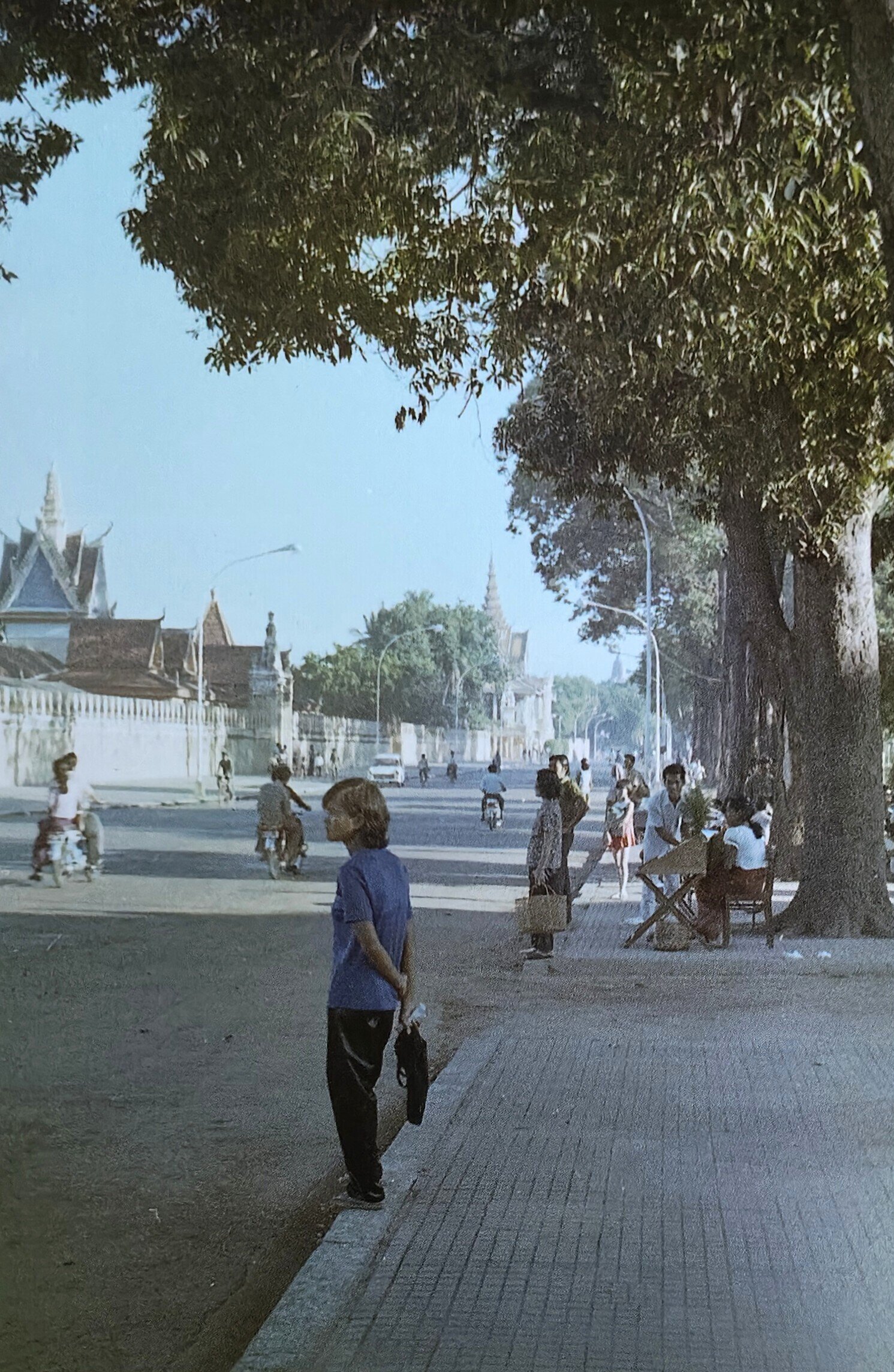
Eerie quietness, rumors of war: — 1) Near the southern part of the Royal Palace, a rare color photo (color films were scarce in the besieged capital city). 2) People sitting on the Tonle Sap riverside with artillery fighting going on the opposite bank, in Chruy Changvar district) [© Colin Grafton, 1974, from the book].
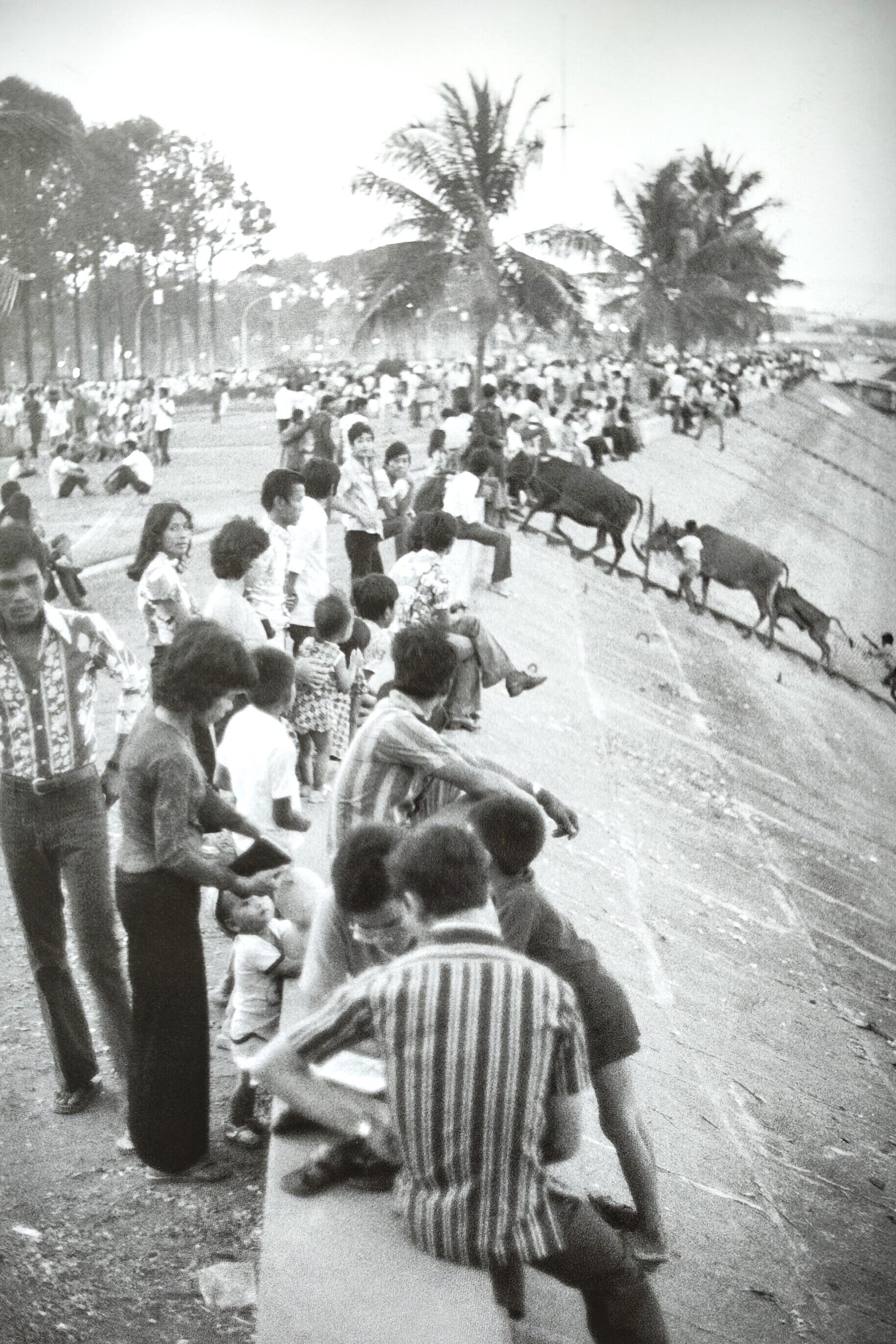
Eerie quietness, rumors of war: — 1) Near the southern part of the Royal Palace, a rare color photo (color films were scarce in the besieged capital city). 2) People sitting on the Tonle Sap riverside with artillery fighting going on the opposite bank, in Chruy Changvar district) [© Colin Grafton, 1974, from the book].
Eerie quietness, rumors of war: — 1) Near the southern part of the Royal Palace, a rare color photo (color films were scarce in the besieged capital city). 2) People sitting on the Tonle Sap riverside with artillery fighting going on the opposite bank, in Chruy Changvar district) [© Colin Grafton, 1974, from the book].
Tags: Khmer Republic, Khmer Rouge, civil war, US-Cambodia, photography, Royal Palace, daily life, dancers, refugee camps, Thailand-Cambodia border, international boundaries, Oudong, Banteay Chhmar, looting, Pailin, gemstones, mining, Chanthaburi
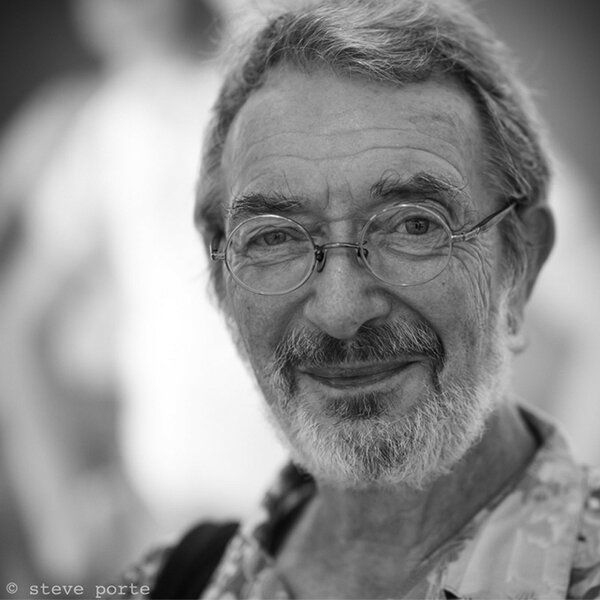
Colin Grafton (b. London, England, 1947) is a traveller-photographer who came to Asia overland in 1969. He taught English in Laos from 1970 to 1972 and in Cambodia from 1973 to 1975, leaving Phnom Penh a few days before the takeover by the Khmer Rouge. He was able to photograph one of the last Khmer classical dance performances in Phnom Penh in 1974, and 30 years later by chance crossed paths with one of the dancers in those photos, who had come to perform in Tokyo. This encounter spurred him to return to Cambodia in search of the other surviving dancers.
Escaping to Bangkok in 1975 — “we naively thought the crisis would last only a few weeks or months”, he recalled for us in 2021 –, he went to Japan, where he taught Japanese overseas volunteers (JOCV/JICA) until 1980, then returned to Thailand as a volunteer worker in the Cambodian refugee camps. He held his first photo exhibition on Cambodia in the UK in 1981. Later, after 3 years in South America, he returned to Japan where he continued teaching, worked as English language advisor for ACCU (Asia/ Pacific Cultural Centre for UNESCO) in Tokyo, and produced several photo exhibitions on Laos & Cambodia.
Colin returned to Cambodia on vacation in 1992, became a frequent visitor and settled here in 2014. Since then, he and his wife Keiko Kitamura have worked on exhibitions and projects at Bophana Center, Tuol Sleng Genocide Museum and Meta House. In 2021, he published Dancers, a visual and written account of his re-encounter with surviving Khmer classical dancers.
In July 2026, California-based filmographer Robert Carleton-Chhaing privately screened the documentary he has devoted to the life and work of Colin Grafton, Just Being There. The film, which features several Cambodian men and women Colin had crossed paths with in 1972 – 1975 and met again in the 2020s, will be officially presented at the Phnom Penh Film Festival in May 2027.
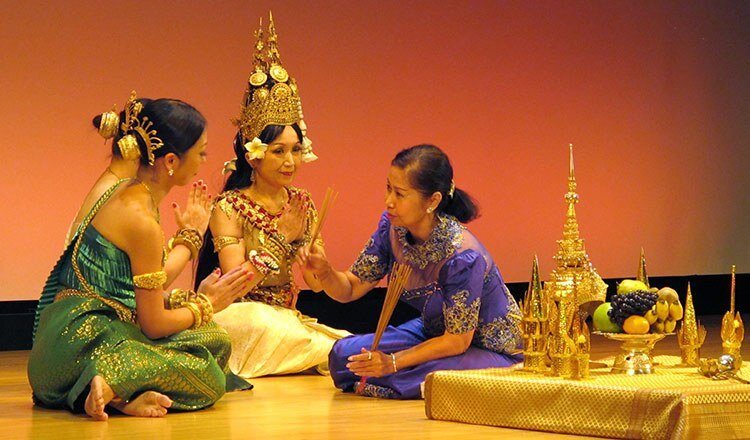
In August 2018, at RUFA Phnom Penh, Colin Grafton captured in photographs the Heavenly Flower, Earth Poem dance performance, a collaboration between Japanese and Khmer apsara dancers. Dancers Hitomi Yamanaka (center) and Om Yuvanna (right) at the ‘Heavenly Flower, Earth Poem’ performance. (photo Colin Grafton)
In August 2018, at RUFA Phnom Penh, Colin Grafton captured in photographs the Heavenly Flower, Earth Poem dance performance, a collaboration between Japanese and Khmer apsara dancers. Dancers Hitomi Yamanaka (center) and Om Yuvanna (right) at the ‘Heavenly Flower, Earth Poem’ performance. (photo Colin Grafton)
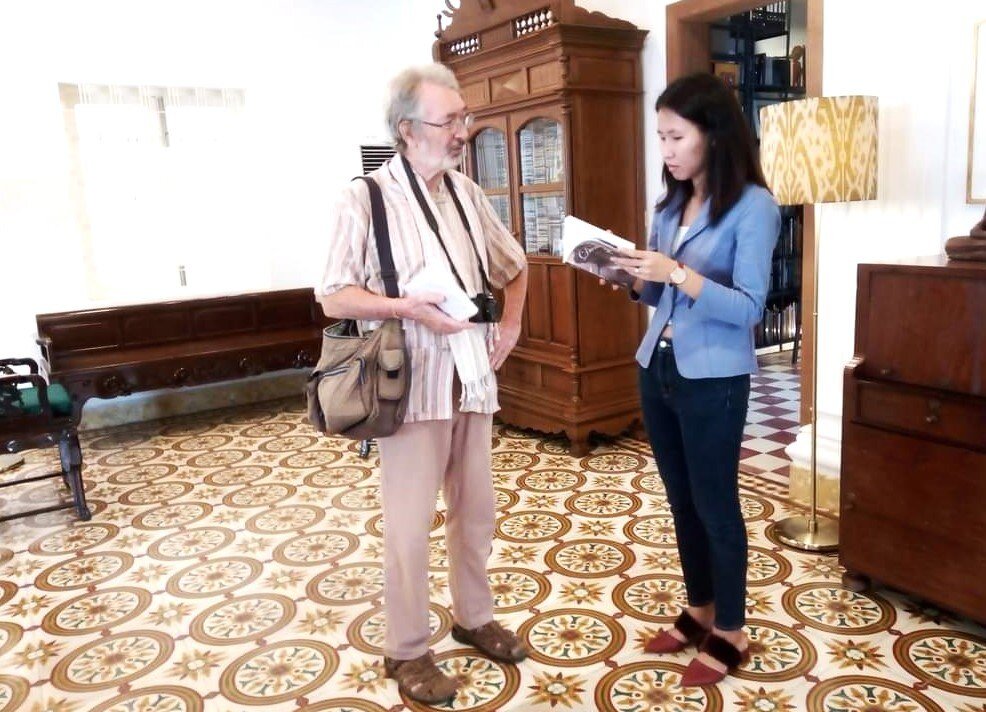
1) Colin Grafton with Sopheak Pheana at the Queen Mother Library, Phnom Penh, Sept. 2022 [photo Keiko Kitamura]. 2) Left to right: Robert ‘Bob’ Carleton-Chhaing, Colin Grafton, Keiko Kitamura at the private screening of Just Being There, IFC Phnom Penh, 31 July 2026 [photo ADB].
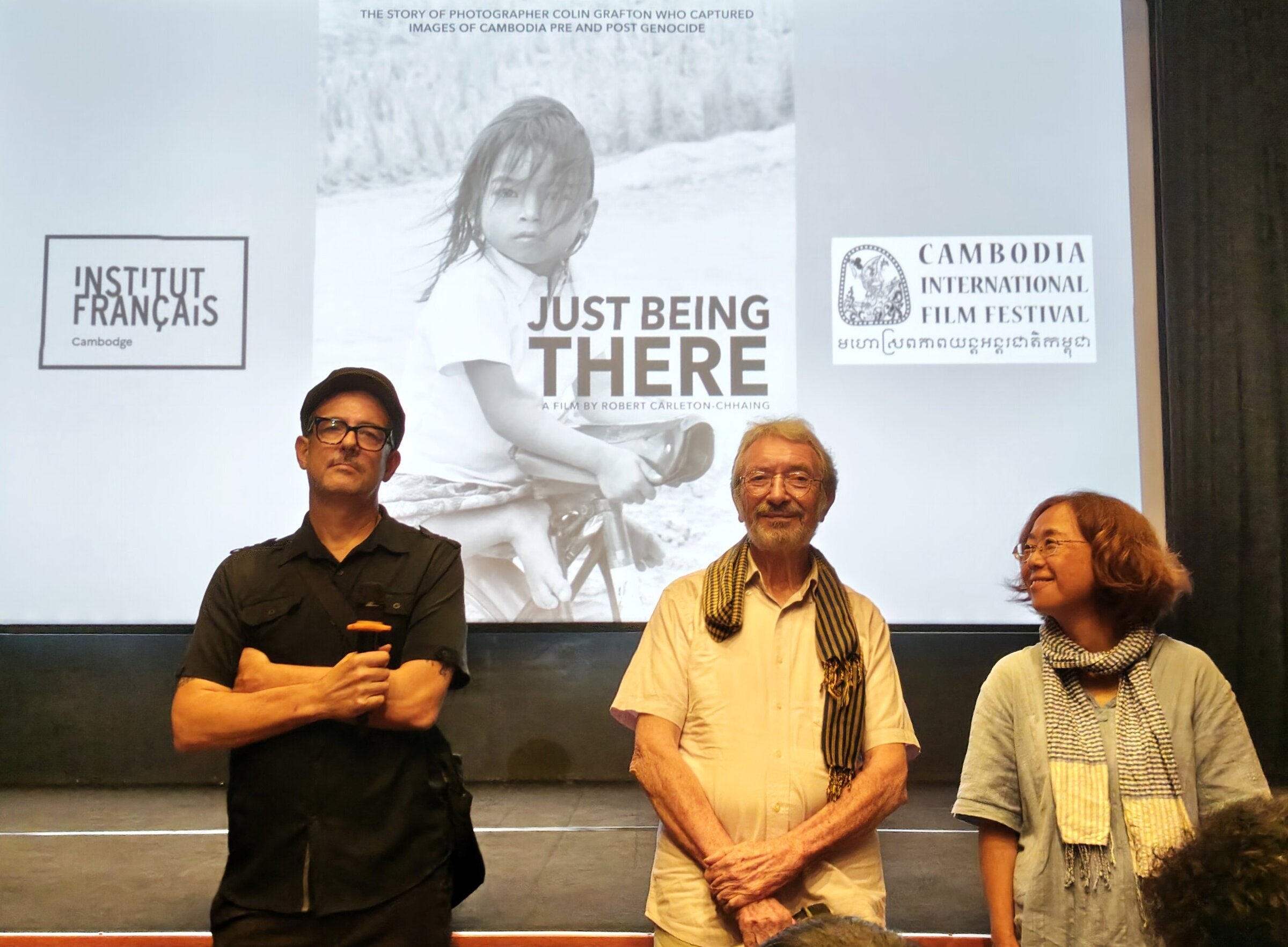
1) Colin Grafton with Sopheak Pheana at the Queen Mother Library, Phnom Penh, Sept. 2022 [photo Keiko Kitamura]. 2) Left to right: Robert ‘Bob’ Carleton-Chhaing, Colin Grafton, Keiko Kitamura at the private screening of Just Being There, IFC Phnom Penh, 31 July 2026 [photo ADB].
1) Colin Grafton with Sopheak Pheana at the Queen Mother Library, Phnom Penh, Sept. 2022 [photo Keiko Kitamura]. 2) Left to right: Robert ‘Bob’ Carleton-Chhaing, Colin Grafton, Keiko Kitamura at the private screening of Just Being There, IFC Phnom Penh, 31 July 2026 [photo ADB].
Portrait photo by Steve Porte