

Books
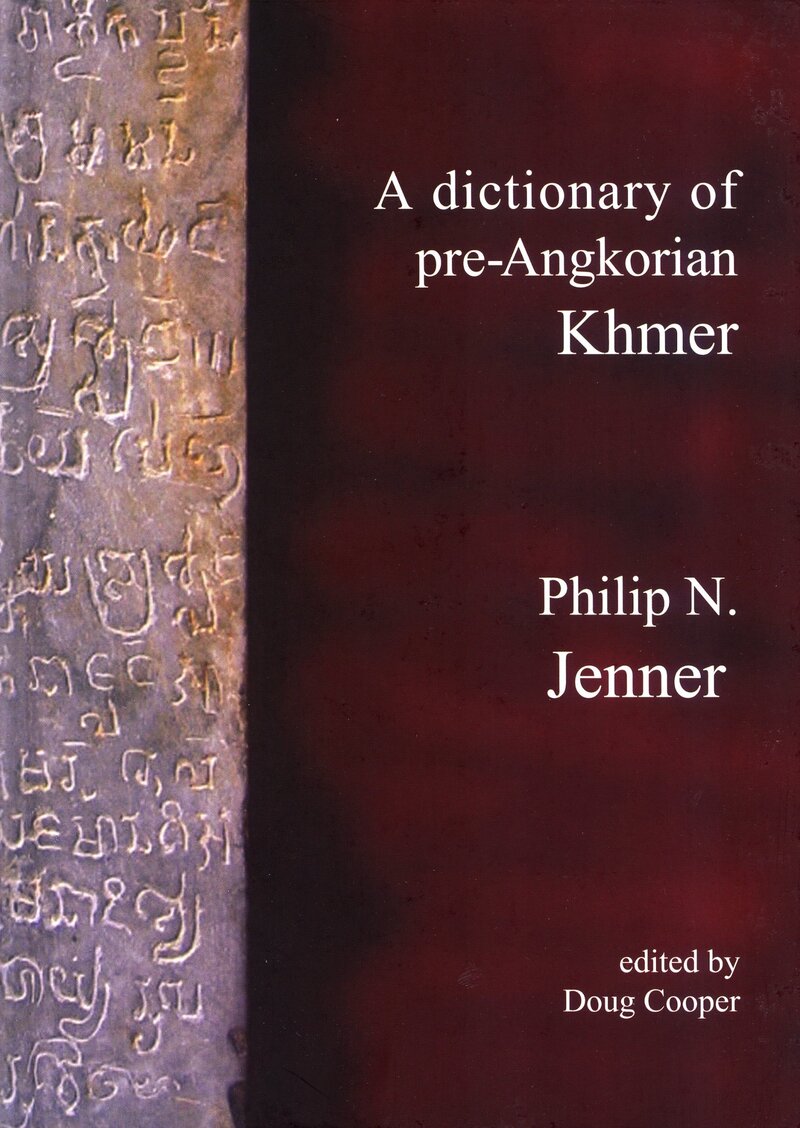
A Dictionary of Pre-Angkorian Khmer
by Philip N. Jenner
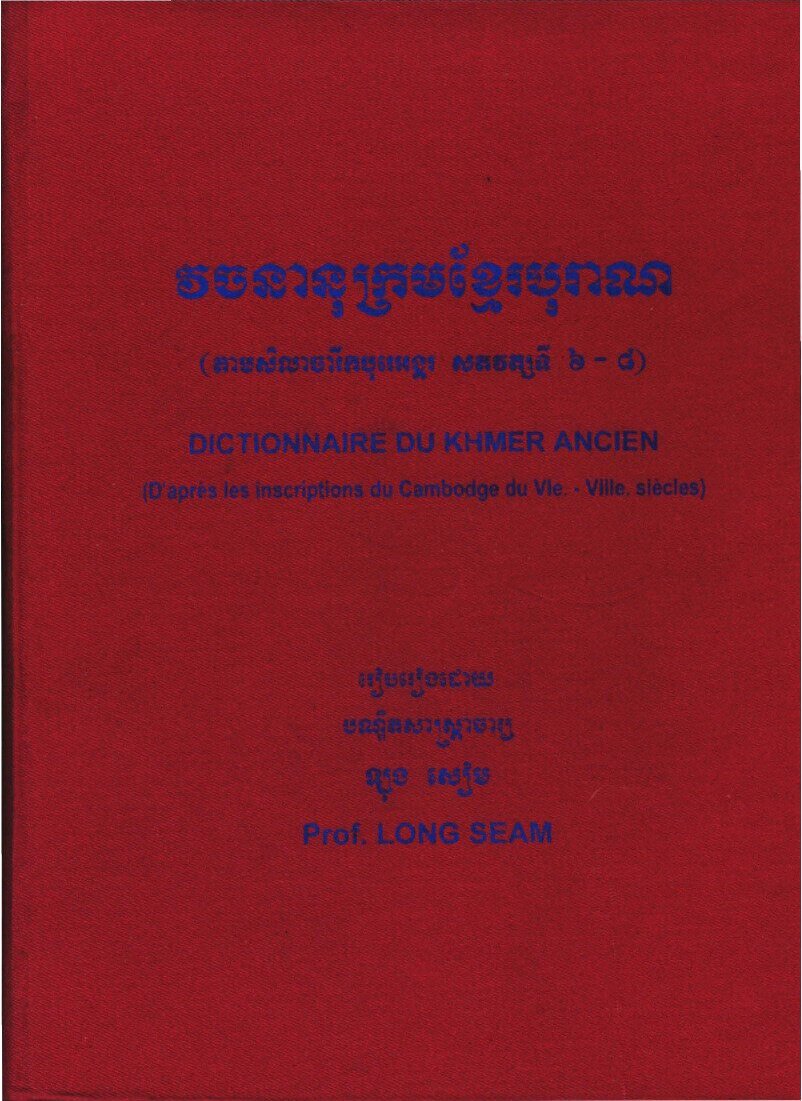
by Seam Long

pdf 48.5 MB
This seminal work on Old Khmer vocabulary used in Cambodian inscriptions was initially published before the author’s passing in 2007. Prof. Long Seam had planned an expanded edition and took numerous notes that were later processed by a special commission of the National Language Institute (a branch of the Royal Academy of Cambodia) under the direction of Dr. Meakh Bora មាឃ បូរ៉ា. The new publication, some 2,200-page worth, was still under preparation at the time of writing (Oct. 2025).
វចនានុក្រមខ្មែរបុរាណរៀបរៀងតាមឯកសារសិលាចារឹកកម្ពុជា សម័យមុនអង្គរពីសតវត្សទី ១ ដល់ទី ៨ នាសម័យកាលនៃរាជាណាចក្រនគរភ្នំ គឺជាការងារដែលបន្តដំណែលពីឯកសារវចនានុក្រមភាសាខ្មែរបុរាណតាមសិលាចារឹកពីសតវត្សទី ៦ ដល់ទី ១៤ ដែលអ្នកនិពន្ធបានចាប់ផ្តើមរៀបរៀងតាំងពីឆ្នាំ ១៩៧២ មក នៅវិជ្ជាស្ថានបូព៌ានៃបណ្ឌិតសភា វិទ្យាសាស្ត្រសហព័ន្ធរុស្ស៊ី។
នៅប្រទេសកម្ពុជា ការងារវចនានុក្រមខ្មែរបុរាណក៏នៅតែបន្តដំណើរដោយមានការបន្ថែមវាក្យស័ព្ទជាបន្តបន្ទាប់តាមសិលាចារឹកដែលរកឃើញនៅពេលបច្ចុប្បន្ន។
វចនានុក្រមខ្មែរបុរាណសម័យនគរភ្នំ ពីសតវត្សទី ៦ គឺជាឯកសារសំណេរដ៏ថ្លៃថ្លា ពីព្រោះជាសក្ខីភាពបញ្ជាក់នូវដំណាក់កាលដំបូងដែលប្រជាជនខ្មែរ (សរសេរថា ក្មេរ ក្នុងសិលាចារឹកមេលប់ ស្រុកស្នាយពល) ព្រមទាំងព្រះមហាក្សត្រ ទាំងឡាយ មានជាអាទិ៍ ព្រះបាទស្រីមារៈ ព្រះបាទភវវរ្ម័ន ព្រះបាទឥសានវរ្ម័ន។ល។ បានឧស្សាហ៍ចេញអាជ្ញាចារឹក អក្សរ ថ្មទុកជាឧទាហរណ៍ដល់កូនចៅយុវវ័យជំនាន់ក្រោយឱ្យជ្រួតជ្រាបអំពីព្រឹត្តិការណ៍នានានៃប្រវត្តិសាស្ត្រប្រទេសខ្លួន តាំងពីសម័យសតវត្សទី ២ នៃគ្រឹស្តសករាជ ដោយហេតុថាសិលាចារឹក វ៉ូកាញ សរសេរជាភាសាសំស្ក្រឹតក៏អាចចាត់ទុកជាឯកសារសំណេររបស់ខ្មែរយើងនាសម័យនោះផងដែរ។
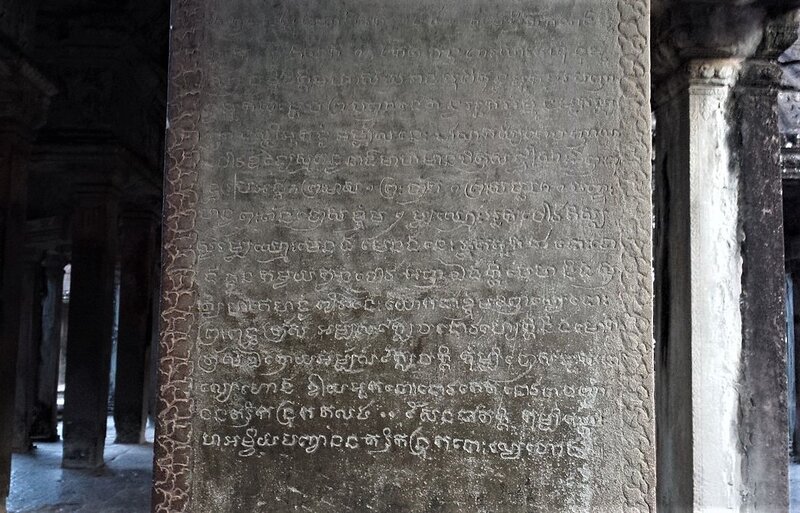
នៅក្នុងកិច្ចការបំពេញការងារខាងនិរុត្តសាស្ត្រដ៏សំខាន់នេះអ្នកនិពន្ធមានបំណងឱ្យស្នាដៃរបស់ខ្លួនមានលក្ខណៈ ជាវណ្ណកម្មខាងភាសាផង ខាងអក្ខរក្រមវិចិត្ររចនាផង ដោយមានទាំងបញ្ចូលនូវអត្ថបទសិលាចារឹកជាអក្សរខ្មែរដើមនាសម័យសតវត្សទី ៦ ដល់ទី ៨។
មែនពិត យើងមិនអាចឱ្យតម្លៃដល់កិច្ចការខាងវចនានុក្រមខ្មែរបុរាណទាំងឡាយណាដែលមិនមានសំណេរជាអក្សរខ្មែរដើមឡើយ ហើយមានតែសំណេរជាអក្សរឡាតាំង។
តាំងពីពេលមុនមក នៅសហរដ្ឋអាមេរិកនិងនៅប្រទេសបារាំងមានការបោះពុម្ពផ្សាយវចនានុក្រមខ្មែរបុរាណ សរសេរឡើងដោយអក្សរឡាតាំងតែប៉ុណ្ណោះ ហើយកង្វះខាតអក្សរខ្មែរដើមបណ្តាលឱ្យយើងស្ថិតនៅអល់ឯក មិនអាចសរសើរដល់កិច្ចការទាំងនោះជាវណ្ណកម្មភាសាខ្មែរបានឡើយ។
ក្នុងកិច្ចការនិពន្ធវចនានុក្រមខ្មែរបុរាណអ្នកនិពន្ធមិនស្ថិតនៅឯកោ ហើយទទួលភាពកក់ក្តៅដោយសារមានសហការខាងការរៀបចំរៀបរៀងនិងបកប្រែពីសំណាក់ព្រឹទ្ធាចារ្យ មៀច ប៉ុណ្ណ សាស្ត្រាចារ្យ យៀង វិរបុត្រ ឈុន ផល្លី មាឃ បូរ៉ា ប្លង់ ភីរម្យ ដែលធ្វើការនៅសាកលវិទ្យាល័យភូមិន្ទភ្នំពេញនិងនៅវិជ្ជាស្ថានភាសាជាតិនៃរាជបណ្ឌិតសភាកម្ពុជានិងពីសំណាក់លោក ប្រាក់ សុណ្ណារ៉ា ជាបុរាណវិទូមួយរូបនៅក្រសួងវប្បធម៌ ។កញ្ញា ហ៊ូ អមរា ទី គន្ធី កែម សុនីន និង ជា ណារិន ទាំងអស់គ្នាជានិស្សិតមហាវិទ្យាល័យបុរាណវិទ្យានៃសកលវិទ្យាល័យភូមិន្ទវិចិត្រសិល្បៈ បានបំពេញអក្ខរក្រមវិចិត្ររចនា( travail calligraphique ) សិលាចារឹកដើមព្រមទាំងបានធ្វើកំណែពាក្យអក្ខរវិរុទ្ធដ៏ផ្ចិតផ្ចង់។ អ្នកនិពន្ធសូមជូនពរឱ្យអ្នកទាំងអស់គ្នាក្លាយទៅជាទំពាំងស្នងឫស្សីដ៏រឹងមាំនៅអនាគត។
This Dictionary of Old Khmer, based on Cambodian inscriptions from the Pre-Angkorian period spanning the 1st to 8th centuries during the era of the Funan, is a continuation of the Dictionary of Old Khmer Based on Inscriptions from the 6th to 14th Centuries. The author initially began this work in 1972 at the Institute of Oriental Studies of the Russian Academy of Sciences.
In Cambodia, the work on the Old Khmer dictionary remains an ongoing endeavor, continuously incorporating new vocabulary from recently discovered inscriptions.
The Old Khmer lexicon of the Funan period, dating from the 6th century, is an invaluable written record. It serves as a testament to the early stages when the Khmer people (written as Kmer [ក្មេរ] in the មេលប់ Melup inscription, ស្នាយពល Snay Pol district) and the monarchs, for instance King Sri Mara ស្រីមារៈ, King Bhavavarman ភវវរ្ម័ន, and King Isanavarman ឥសានវរ្ម័ន, among others, diligently commissioned royal decrees inscribed on stone. These were left as a legacy to inform subsequent generations about the historical events of their nation dating back to the 2nd century CE. In this context, the Vo Canh inscription, though written in Sanskrit, can also be regarded as a written document of the Khmer people of that era.
In undertaking this essential philological work, the author intended for this piece to serve as both a linguistic treatise and a work of linguistic art. To this end, the text includes epigraphic passages written in the original Khmer script of the 6th to 8th centuries.
Indeed, we cannot fully appreciate any work on an Old Khmer dictionary that lacks the original Khmer script and relies solely on Latin transliteration. In the past, Old Khmer dictionaries published in the United States and France were written exclusively using the Latin alphabet. This lacking of the original Khmer script makes us pause before acclaiming such works as true contributions to Khmer linguistic literature.
In the process of compiling this Dictionary of Old Khmer, the author was by no means alone, being supported by the collaborative efforts in organization, compilation, and translation provided by the venerable Miech Ponn, and Professors Yieng Viraboth, Chhun Phally, Meakh Bora, and Plong Phirom from the Royal University of Phnom Penh and the National Language Institute at Royal Academy of Cambodia, as well as Mr. Prak Sonnara, archaeologist at the Ministry of Culture and Fine Arts. Furthermore, Ms. Hou Amara, Ty Kunthy, Kem Sonin, and Chea Narin, all students at the Faculty of Archaeology at the Royal University of Fine Arts, executed the intricate calligraphy (travail calligraphique) of the original inscriptions and meticulously proofread the orthography.
Tags: inscriptions, epigraphy, Old Khmer, 2000s, Cambodian researchers, Khmer language, resources, reference documents, dictionaries
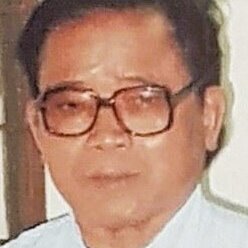
Long Seam ឡុង សៀម [or Long Siem; Лонг Сеам in Russian] (15 July 1935, Thla Village, Kampong Thom Province — 15 July 2007, Phnom Penh) was a Cambodian historian, philologist and specialist of Khmer epigraphy who was instrumental in the revival of Cambodian cultural research from the 1980s and contributed in a major way to the study of the Ancient Khmer linguistic system.
While completing his studies at the Faculty of Letters at the University of Phnom Penh, Long Seam received his certification from the National Institute of Pedagogy ans taught Khmer language in various high schools across the Kingdom. In 1965, he was officially appointed Professor of Khmer at Moscow Institute of International Relations [Московский государственный институт международных отношений] in 1965, he continued his linguistic studies at the Institute of Oriental Studies, Russian Academy of Sciences [Институт востоковедения АН СССР], graduating in 1971 with a thesis on Khmer lexicology. His collaboration with famed Russian grammarian Yuri A. Gorgonev [Ю. А. Горгониев] and other scholars paved the way for cultural exchanges between Russia and Cambodia after the civil war.
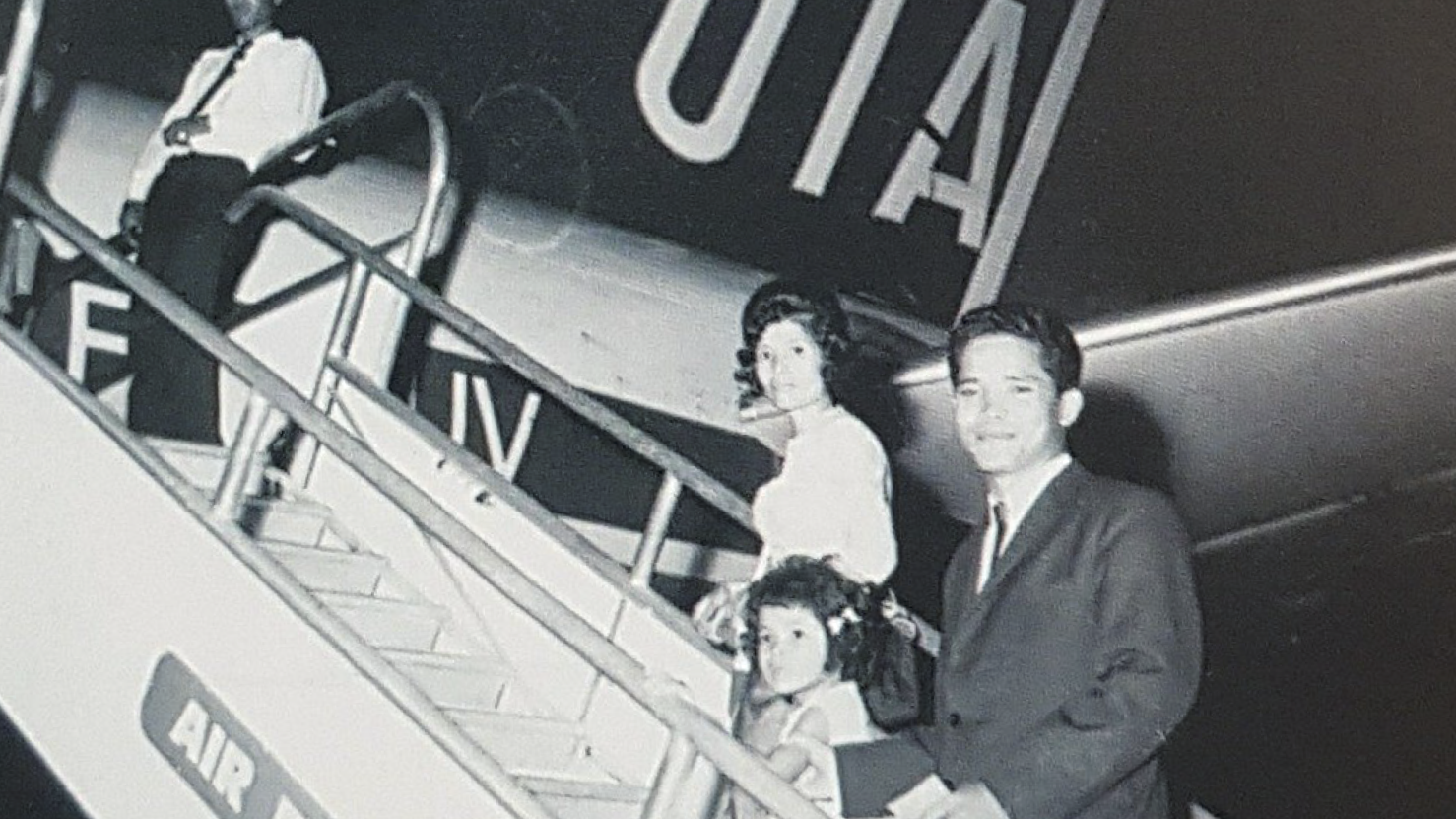
1) Long Seam c. 1965, boarding a plane to Moscow with wife and daughter Saothan and Sokunthea, who tragically disappeared under the Khmer Rouge. 2) With his second wife Klara in Moscow in the late 1980s. After Klara’s death in 2004, he married Vanna, his widow since 2007 [photos from the Biography published by INL/RAC on Long Seam’s passing.]
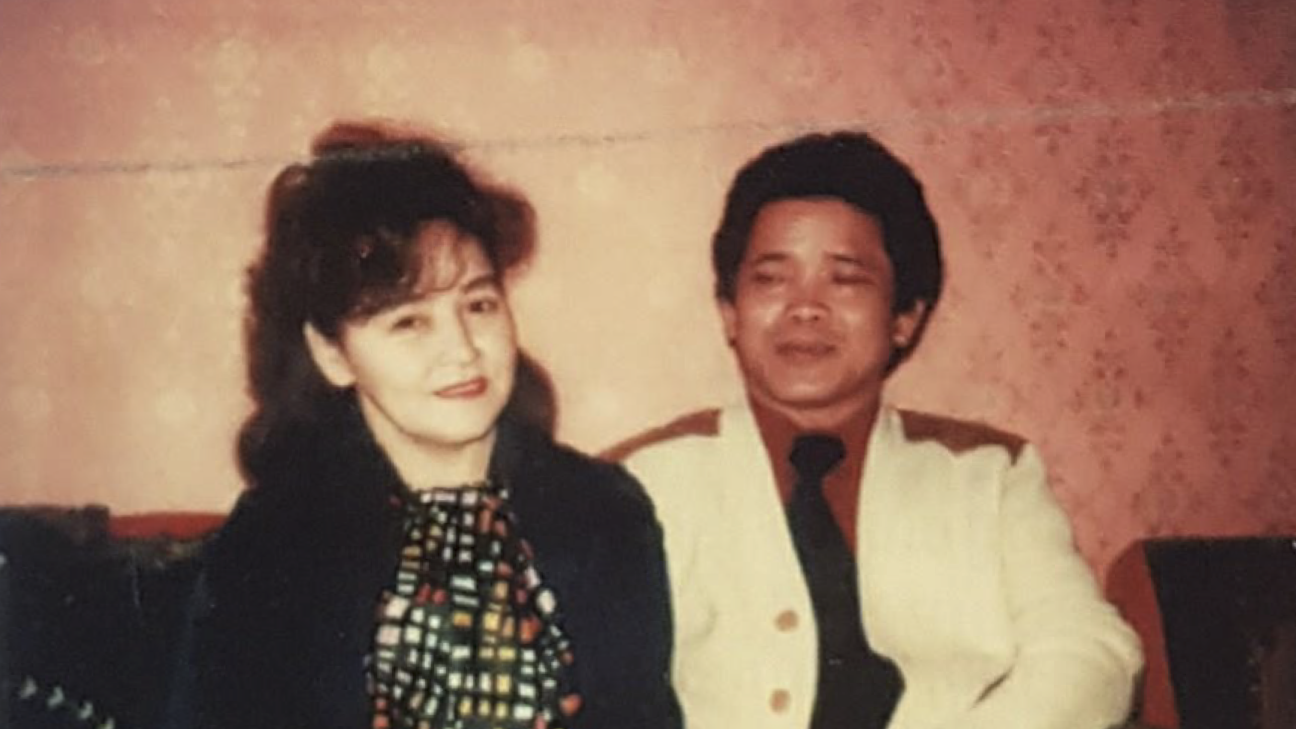
1) Long Seam c. 1965, boarding a plane to Moscow with wife and daughter Saothan and Sokunthea, who tragically disappeared under the Khmer Rouge. 2) With his second wife Klara in Moscow in the late 1980s. After Klara’s death in 2004, he married Vanna, his widow since 2007 [photos from the Biography published by INL/RAC on Long Seam’s passing.]
1) Long Seam c. 1965, boarding a plane to Moscow with wife and daughter Saothan and Sokunthea, who tragically disappeared under the Khmer Rouge. 2) With his second wife Klara in Moscow in the late 1980s. After Klara’s death in 2004, he married Vanna, his widow since 2007 [photos from the Biography published by INL/RAC on Long Seam’s passing.]
Long Seam was in Moscow when the Khmer Rouge forces took over Phnom Penh in April 1975, and he had to take refuge in France. In 1976, he started to prepare at Sorbonne University his doctoral thesis (1980) on Old Khmer vocabulary in the 6th-14th-century inscriptions, under the supervision of Jean Delvert [see Sakou Samoth, Hommes et Histoire du Cambodge, 2012, p. 119]. His wife, Khleang Saothan, — they were married in 1955 — and their daughter, Long Sokonthea, both disappeared under the Khmer Rouge régime.
He was able to finally return to Cambodia in 1982, part of a Russian delegation on an assessment mission, contributing to the development of Russian support in the fields of education and health (the Khmer-Soviet Friendship Hospital in Phnom Penh, opened in 1960, was modernized after having been used by the Khmer Rouge leaders for themselves during the régime of terror) while keeping on with his scholarly activities in Moscow. He remarried with Klara, a head doctor in a Moscow hospital who died in 2004. In 1993, following the Paris Peace Agreement, he resettled permanently in Cambodia, launching a vast program of epigraphic and linguistic studies thanks to the TOKTEN (Transfer of Knowledge Through Expatriate Nationals) United Nations program. Appointed advisor to the Royal Government of Cambodia in 1994, he founded the National Language Institute វិទ្យាស្ថានភាសាជាតិ while teaching Old Khmer at the Faculty of Archeology, Royal University of Phnom Penh to new generations of researchers. In 2006, he was appointed vice-president of the Royal Academy of Cambodia រាជបណ្ឌិត្យសភាកម្ពុជា — which he had joined in 2001 — with the rank of Secretary of State.
Long Seam’s summary of Khmer history (ប្រវត្តិសាស្ត្រសង្ខេបនៃប្រទេសកម្ពុជា [A Brief History of Cambodia], 1985) contributed to the refoundation of the curriculum in history teaching endorsed by the Cambodian Ministry of Education. Earlier, he had explored the Cambodian Buddhist tradition with an essay on the Mahavesantharajataka, a version of the Vessantara Jataka, this tale of ultimate generosity (dāna pāramī) at the core of Theravada Buddhism. Yet, his major interest remained the historical and linguistic significance of pre-Angkorian and Angkorian inscriptions.
The culmination of three decades of work, the first volume of his monumental Dictionary of Old Khmer [វចនានុក្រមខ្មែរបុរាណសម័យ មុនអង្គរ] came out in 2000, based on the study of Khmer inscriptions from the 6th to the 8th centuries. According to researcher Olivier de Bernon, Long Seam’s dictionary
surpasse tous les travaux publiés jusqu’alors dans ce domaine. Il comporte, pour chaque entrée, une graphie reproduisant approximativement celle des inscriptions ainsi que de nombreuses références et citations traduites. Plus remarquable encore, il signale scrupuleusement le caractère hautement hypothétique qu’a bien souvent la tentative de traduction des très nombreux noms propres khmers rencontrés dans de longues listes de serviteurs ; le sens assigné à ces noms propres est alors systématiquement précédé de l’indice « n.p. » soulignant ainsi l’incertitude qui s’y rattache.
[“surpasses all the work published so far in this field. Each entry includes a written form that roughly reproduces that of the inscriptions as well as numerous translated references and quotations. Even more remarkable, it scrupulously points out the highly hypothetical nature of the attempt to translate the countless Khmer proper names encountered in long lists of servants; the meaning assigned to these proper names is then systematically preceded by the index “n.p.”, thus underlining the uncertainty attached to it.”] [O. de Bernon, ‘In memoriam Long Seam (1935−2007)’, Aséanie 19, 2007. pp. 9 – 11].
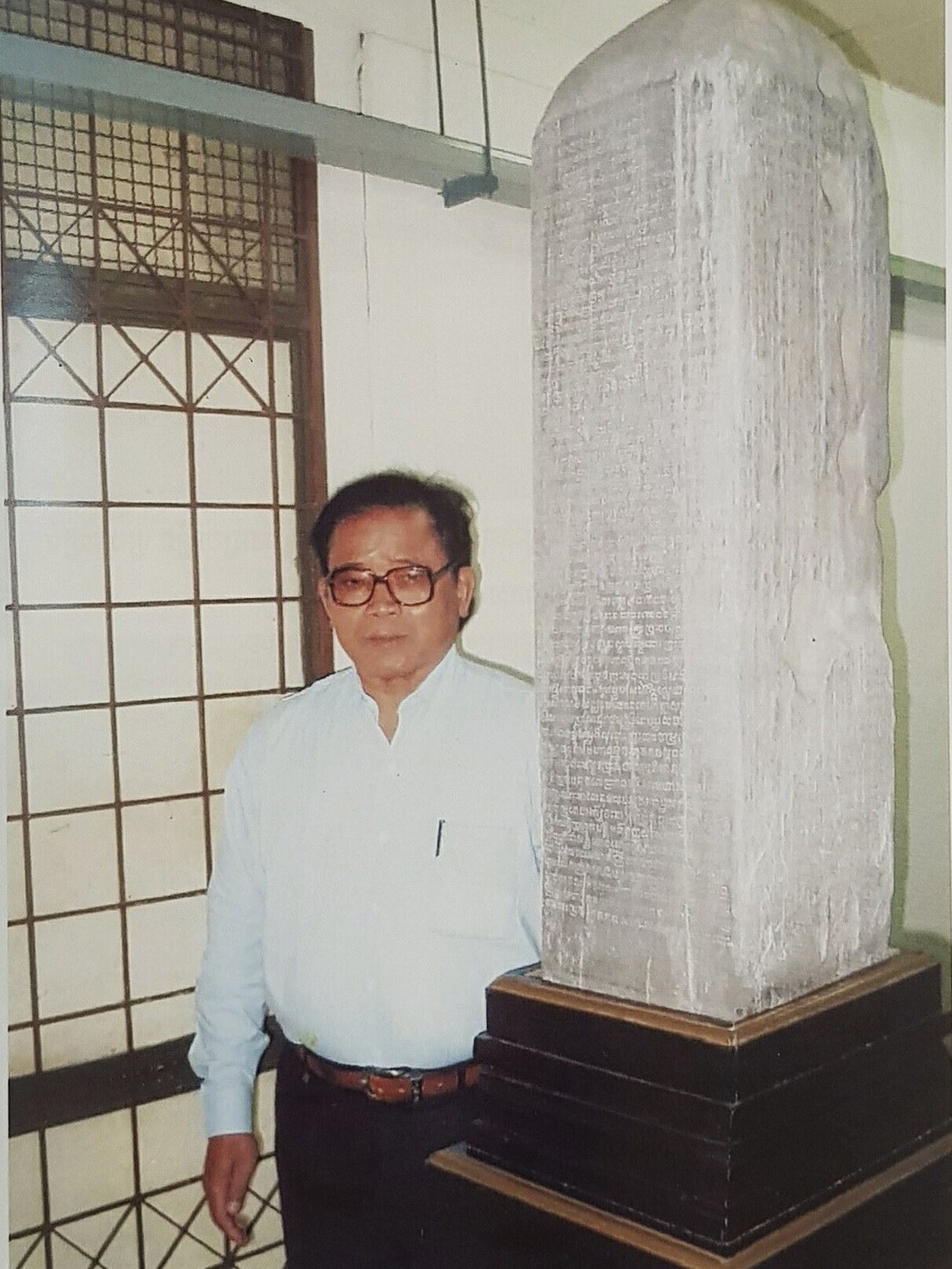
Long Seam near a a Khmer inscribed stele at Bangkok National Museum, undated [photo from INL/RAC Biography].
Long Seam near a a Khmer inscribed stele at Bangkok National Museum, undated [photo from INL/RAC Biography].
The handwritten material for the following volumes Long Seam couldn’t complete before his passing in 2007 is still being processed by a team of Cambodian linguists under the direction of Dr. Meakh Bora បណ្ឌិត មាឃ បូរ៉ា head of inscriptions at the Institute of National Language. The posthumous publication of this masterpiece, extending to post-Angkorian inscriptions from the 16 th century, will be the first comprehensive rendition of the ancient corpus in modern Khmer.
See also ជីវប្រវត្តិ ឯកឧត្តមសាស្ត្រាចារ្យបណ្ឌិត ឡុង សៀម [A Biography of Prof. Dr. Long Seam], វិទ្យាស្ថានភាសាជាតិ-រាជបណ្ឌិតសភាកម្ពុជា [National Language Institute — Royal Academy of Cambodia], Phnom Penh, BE 2551 (2007), 38 p. [Memorial publication on Long Seam’s funerals].