Books
Four Faces of Siva - The Detective Story of a Vanished Race
by Robert J. Casey
by Jules Gervais-Courtellemont
For the first time since 1928, a gorgeous - and highly informative - photographic work on Cambodia available here thanks to proper resolution scanning.
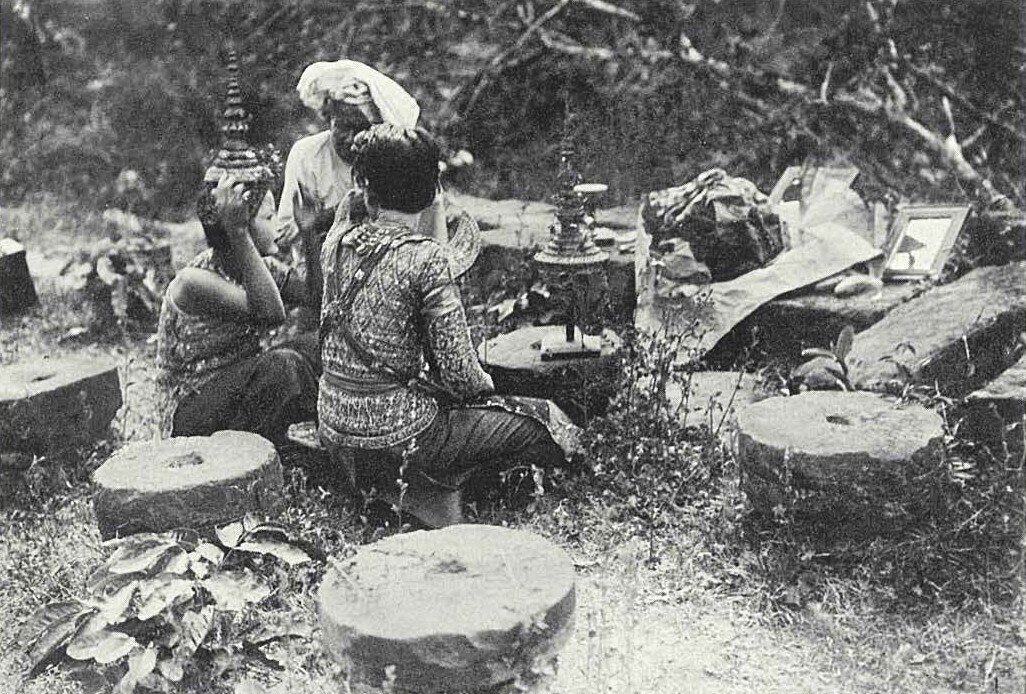
from National Geographic 54-3, 1928, p 302.
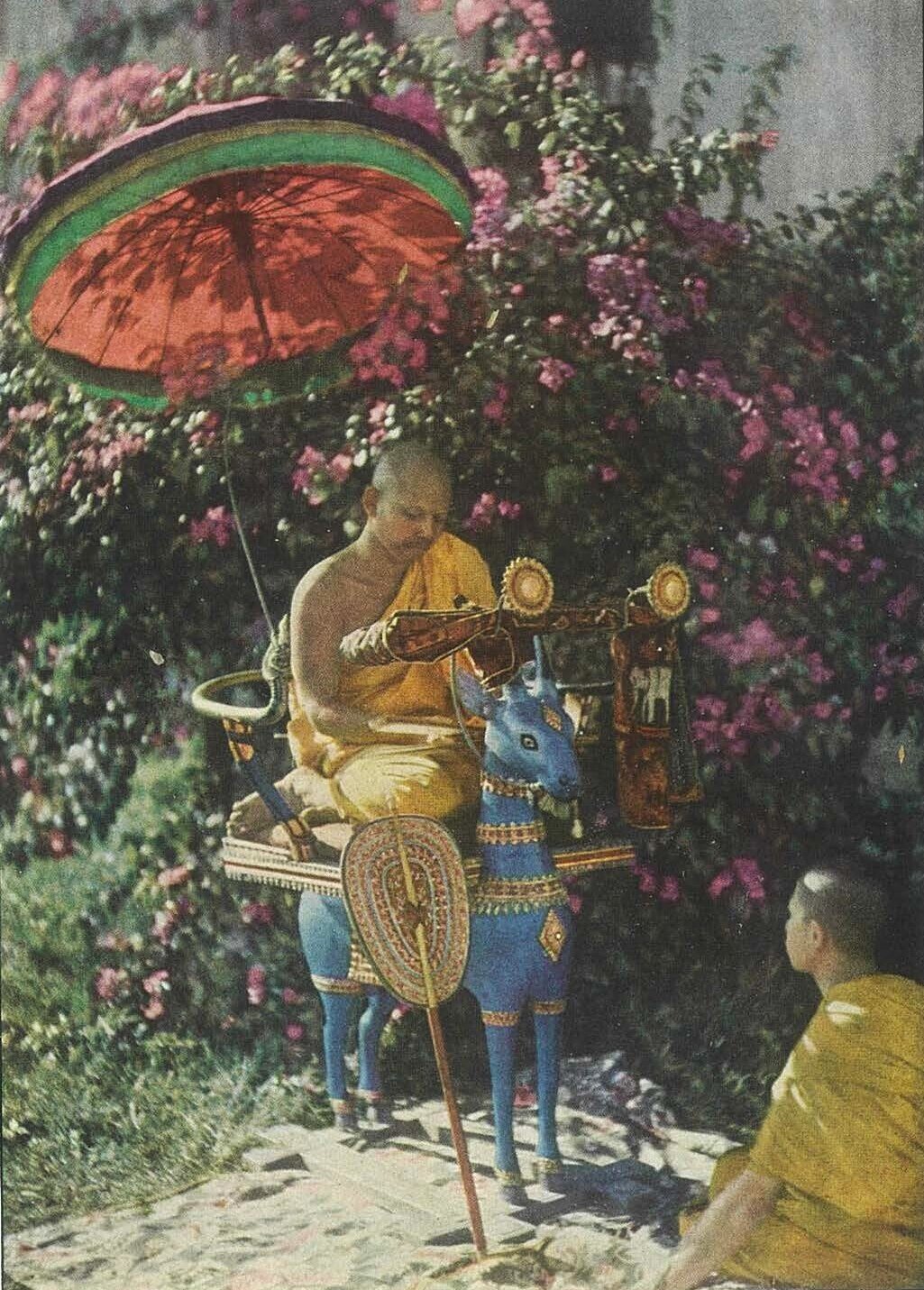
Jules Gervais-Courtellemont, Cambodian monk preaching [National Geographic 54-3, 1928]
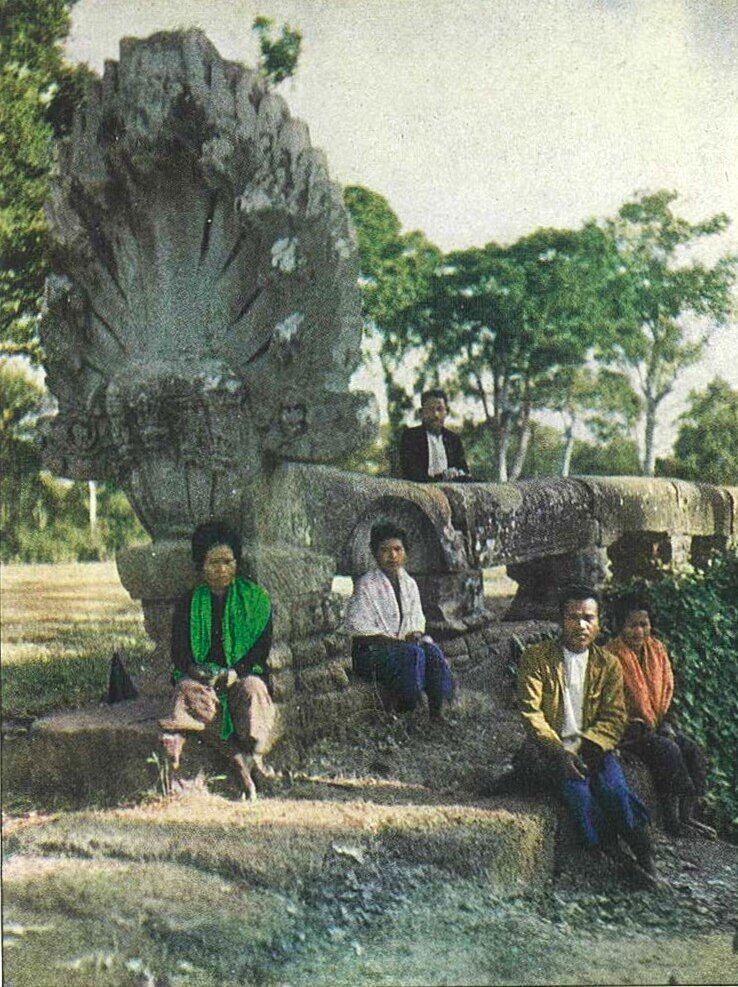
Jules Gervais-Courtellemont, people near a Naga balustrade at Angkor Wat [National Geographic 54-3, 1928]
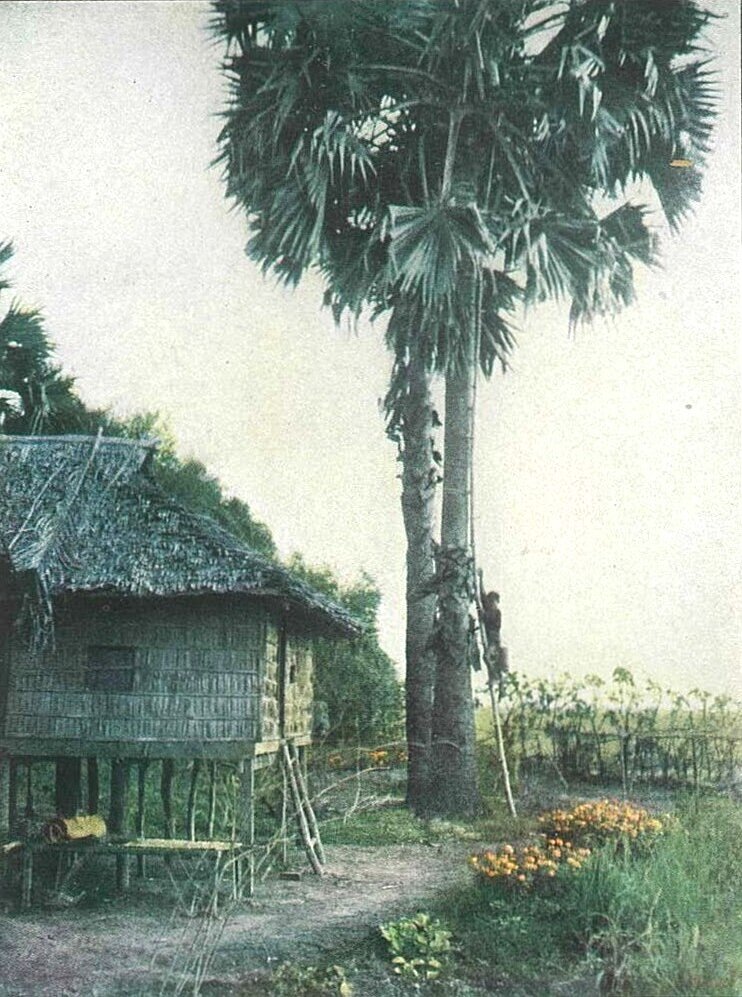
Jules Gervais-Courtellemont, Cambodian stilt house and sugar palm tree [National Geographic 54-3, 1928]
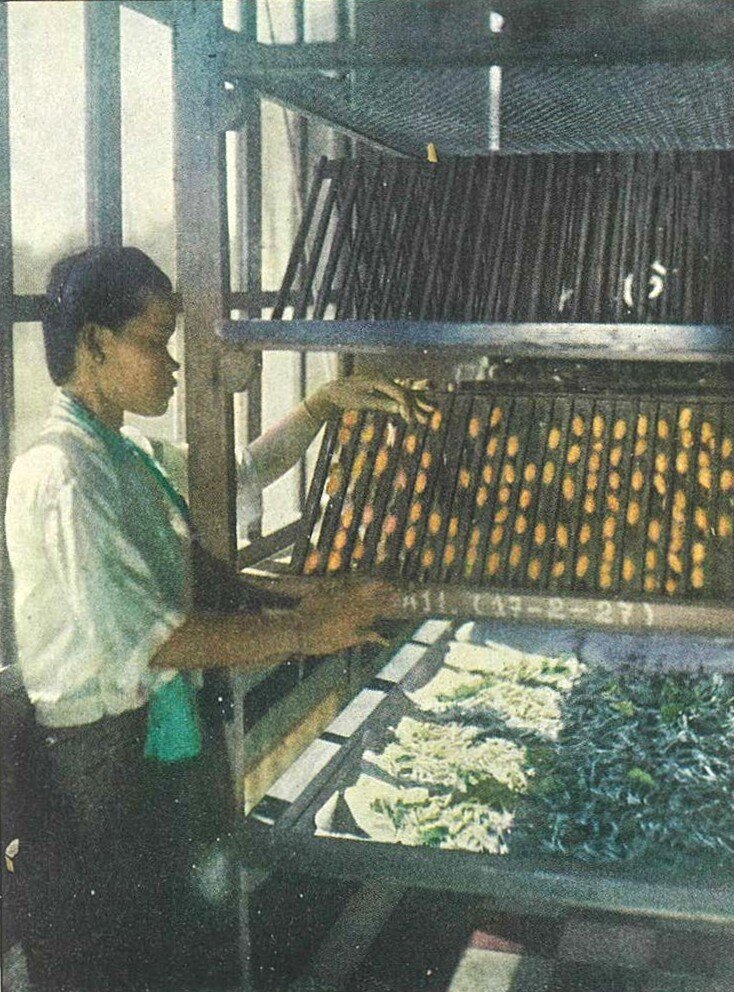
Jules Gervais-Courtellemont, girl handling cocoons for silk crafting at Phnom Penh "industrial school"[Khmer Arts School] [National Geographic 54-3, 1928]
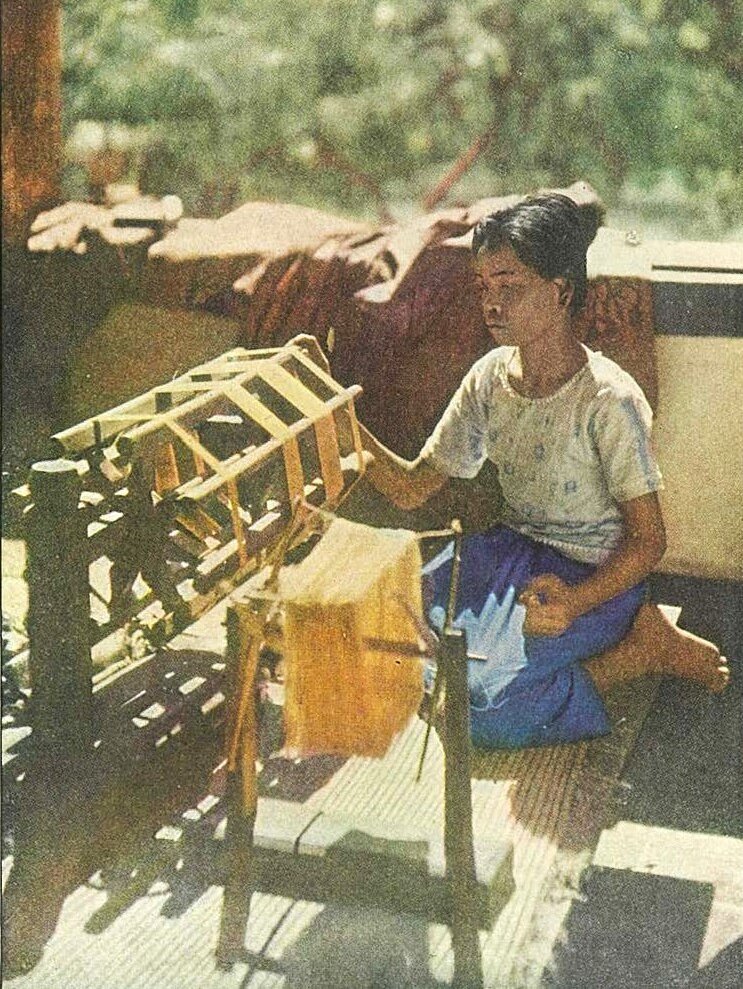
Jules Gervais-Courtellemont, girl crafting silk yarn at Phnom Penh "industrial school"[Khmer Arts School][National Geographic 54-3, 1928]
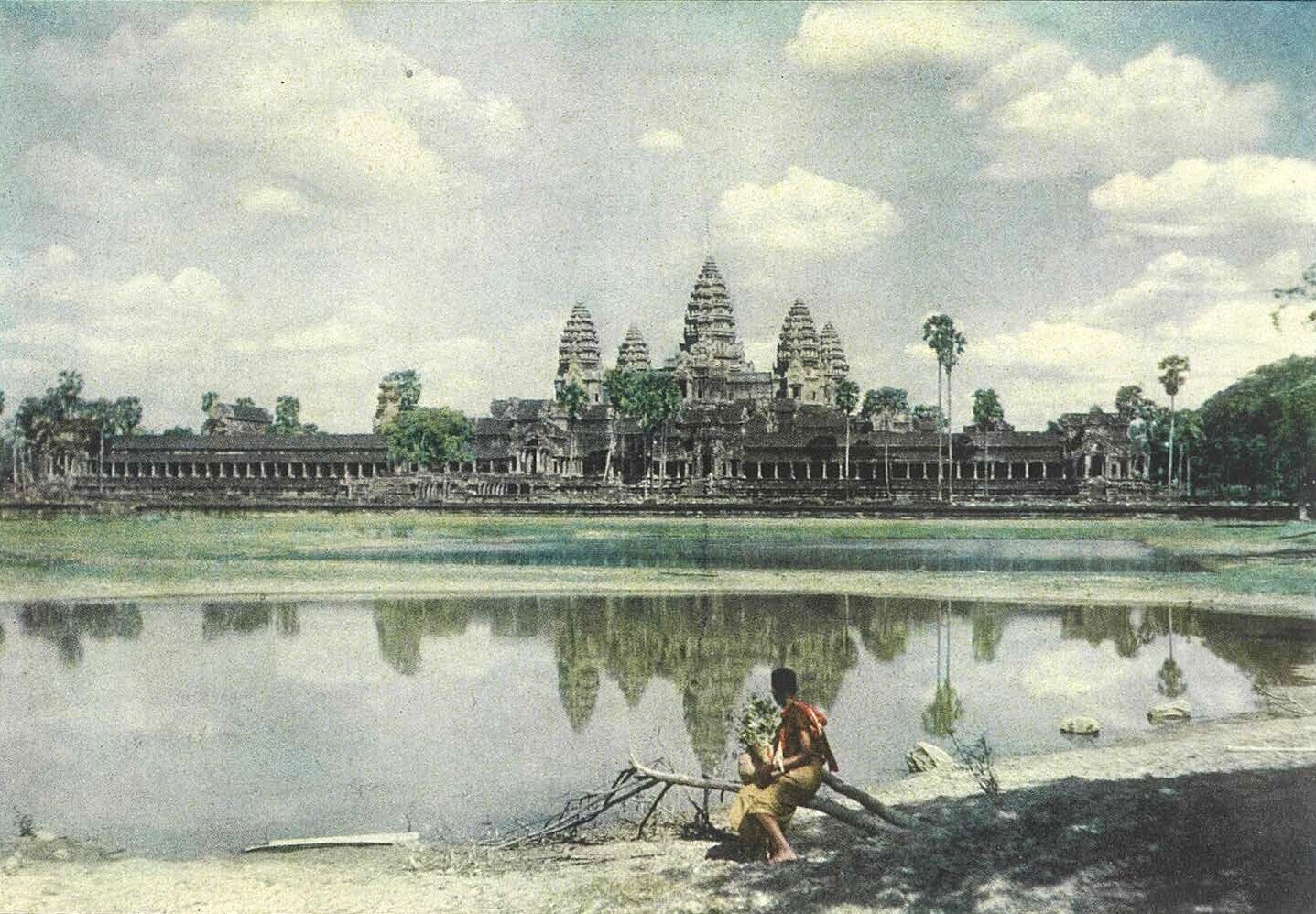
Jules Gervais-Courtellemont, panoramic view of Angkor Wat [National Geographic 54-3, 1928]
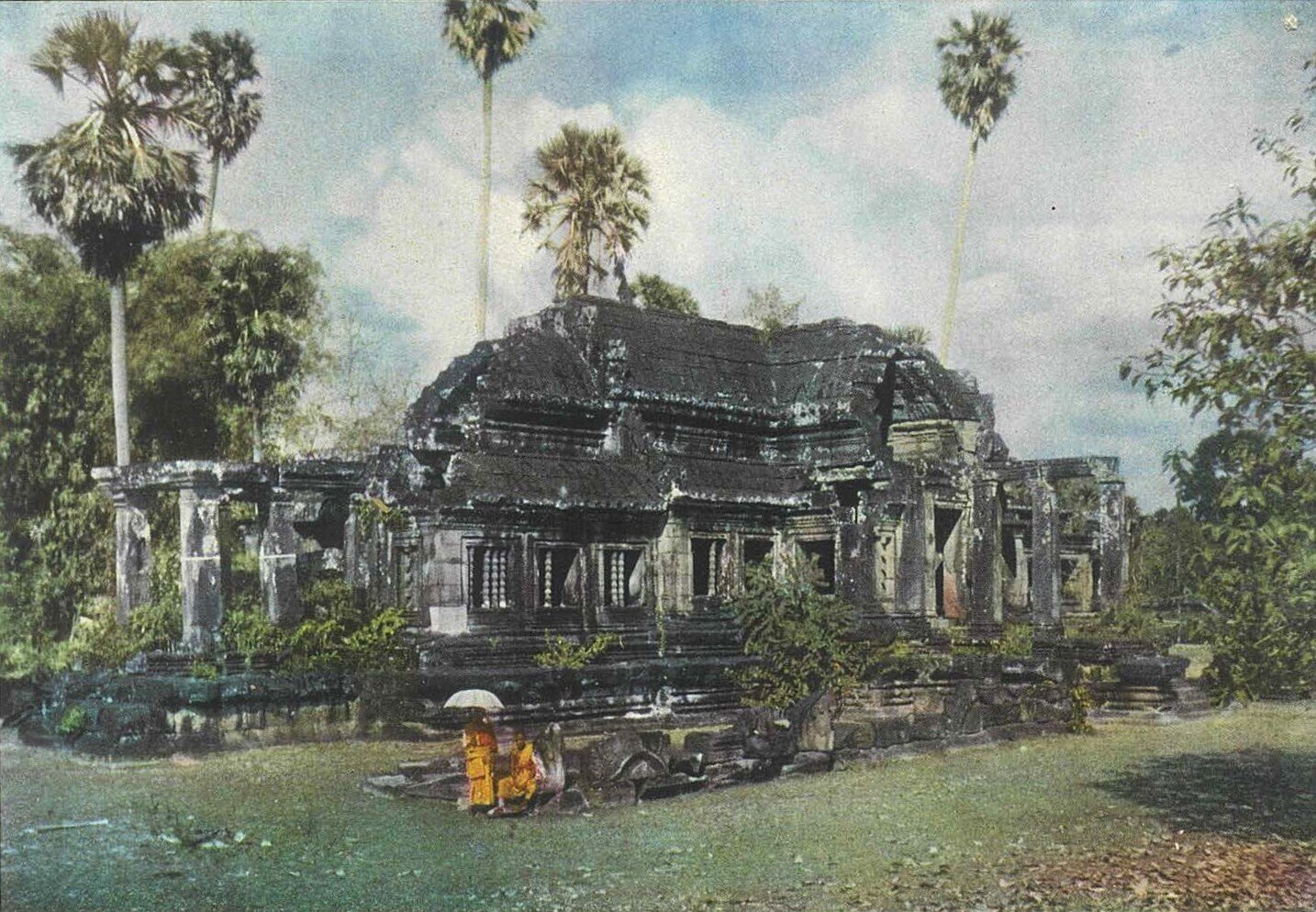
Jules Gervais-Courtellemont, "library" at Angko Wat [National Geographic 54-3, 1928]
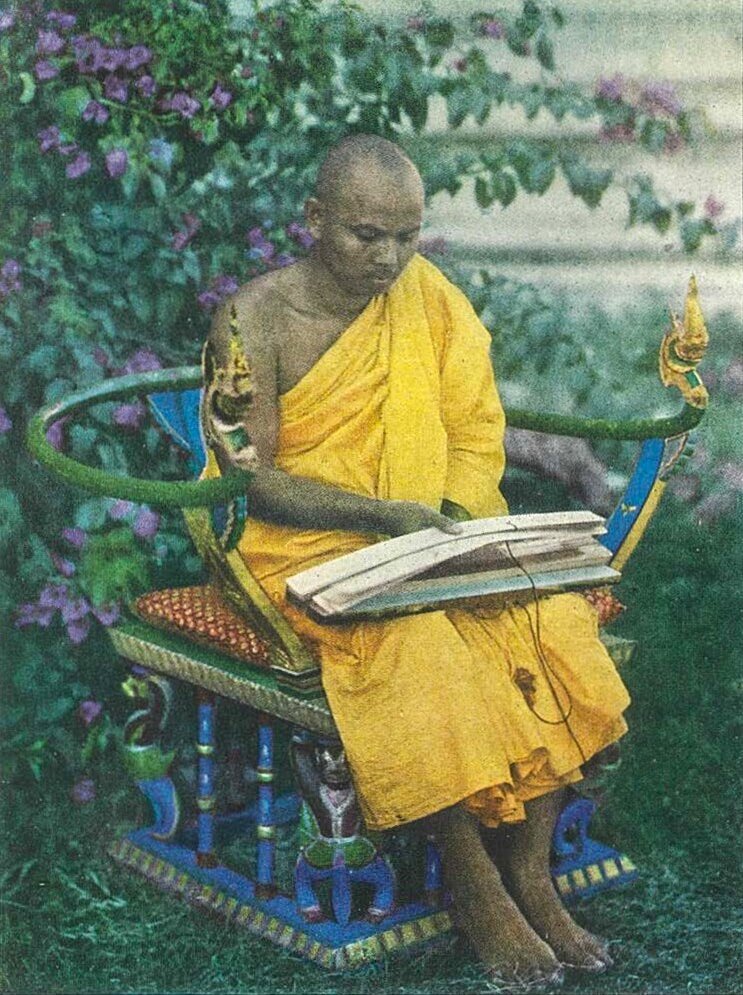
Jules Gervais-Courtellemont, Cambodian "priest" [National Geographic 54-3, 1928]
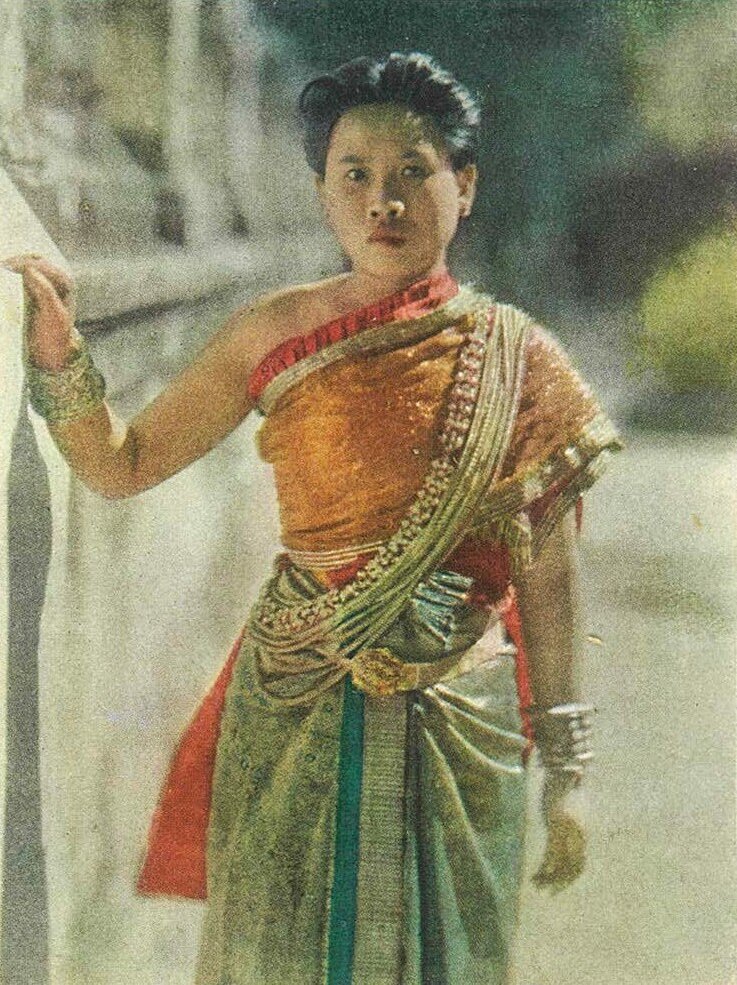
Jules Gervais-Courtellemont, "Wedding gown of a Phnom Penh woman of fashion" [National Geographic 54-3, 1928]
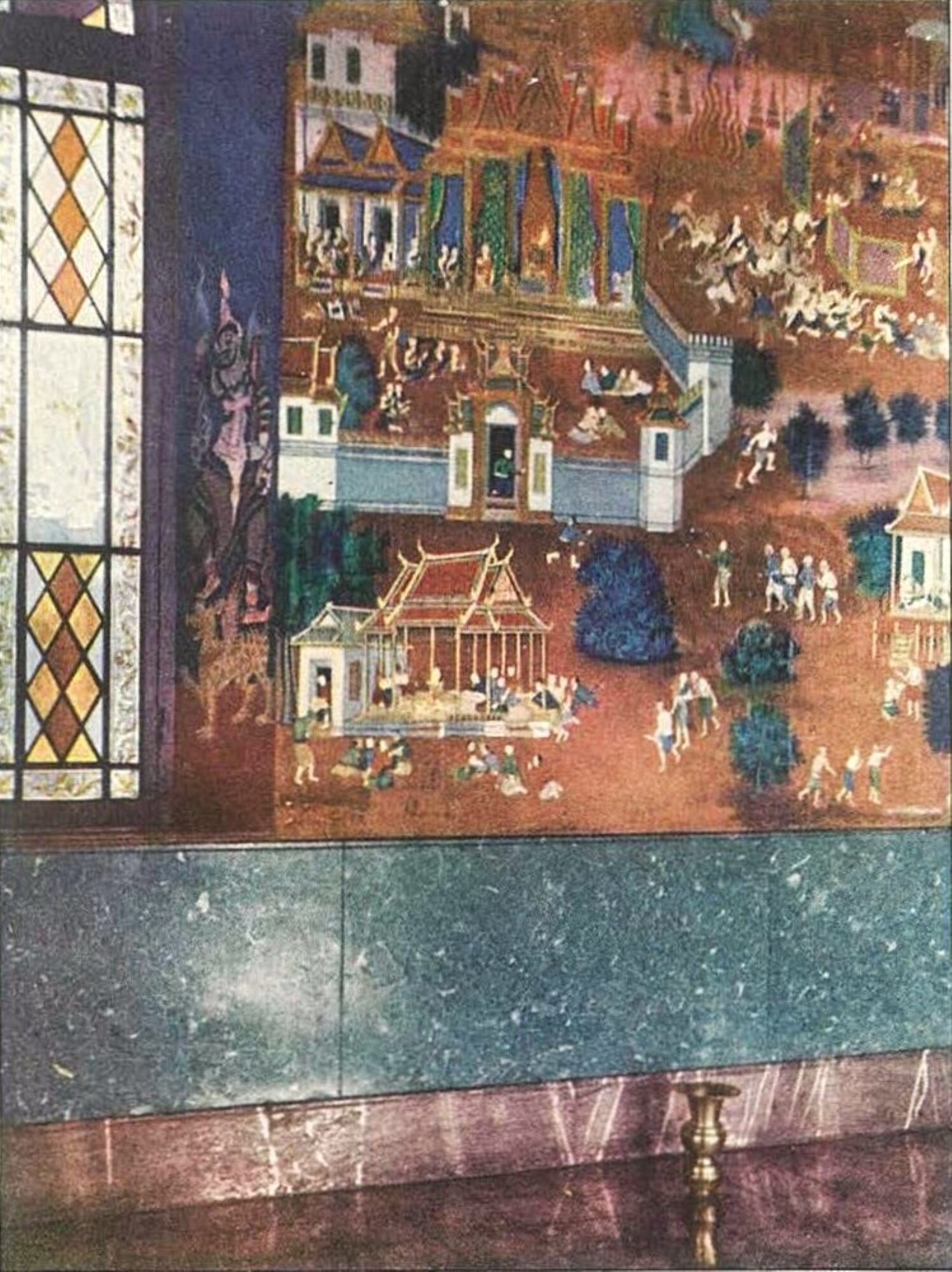
Jules Gervais-Courtellemont, interior of Silver Pagoda 1 [National Geographic 54-3, 1928]
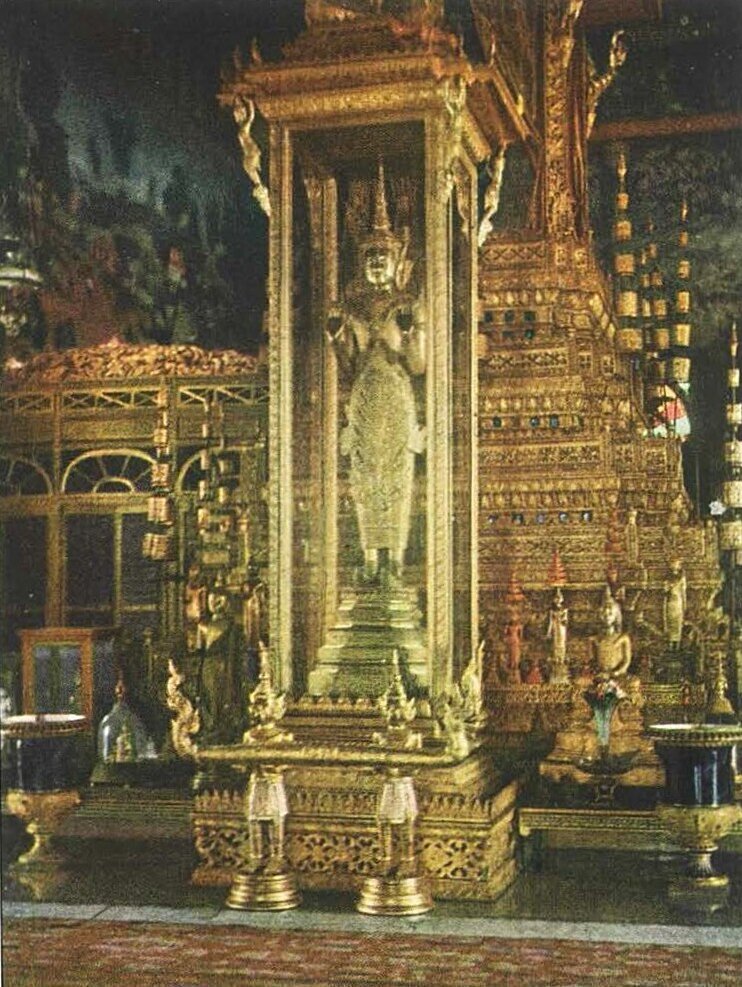
Jules Gervais-Courtellemont, interior of Silver Pagoda 2 [National Geographic 54-3, 1928]
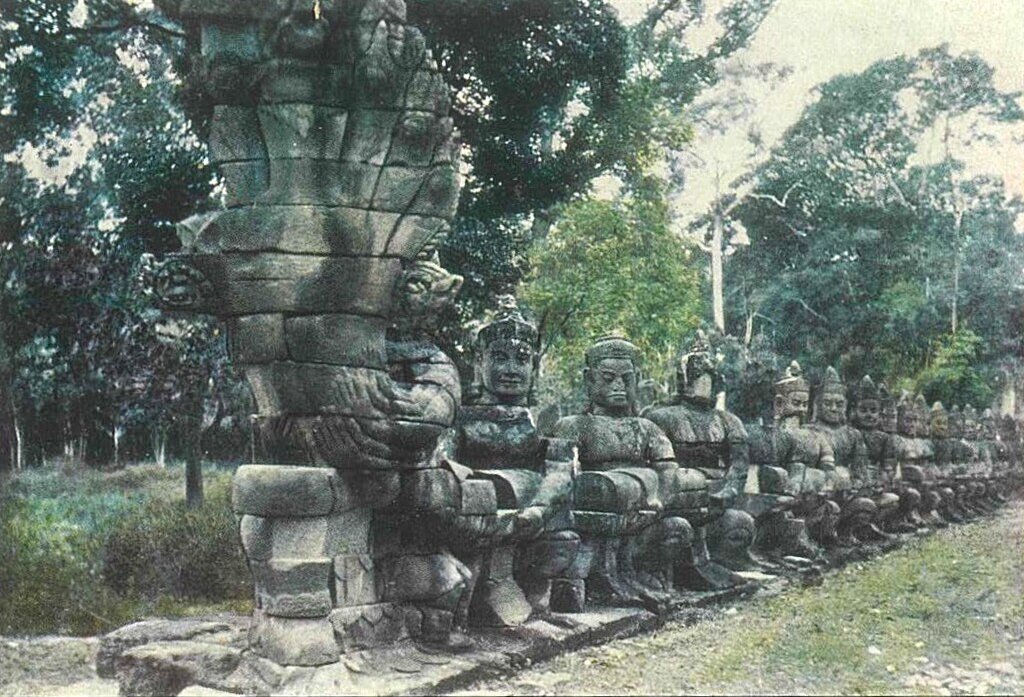
Jules Gervais-Courtellemont, Nagas at Angkor Thom [National Geographic 54-3, 1928]
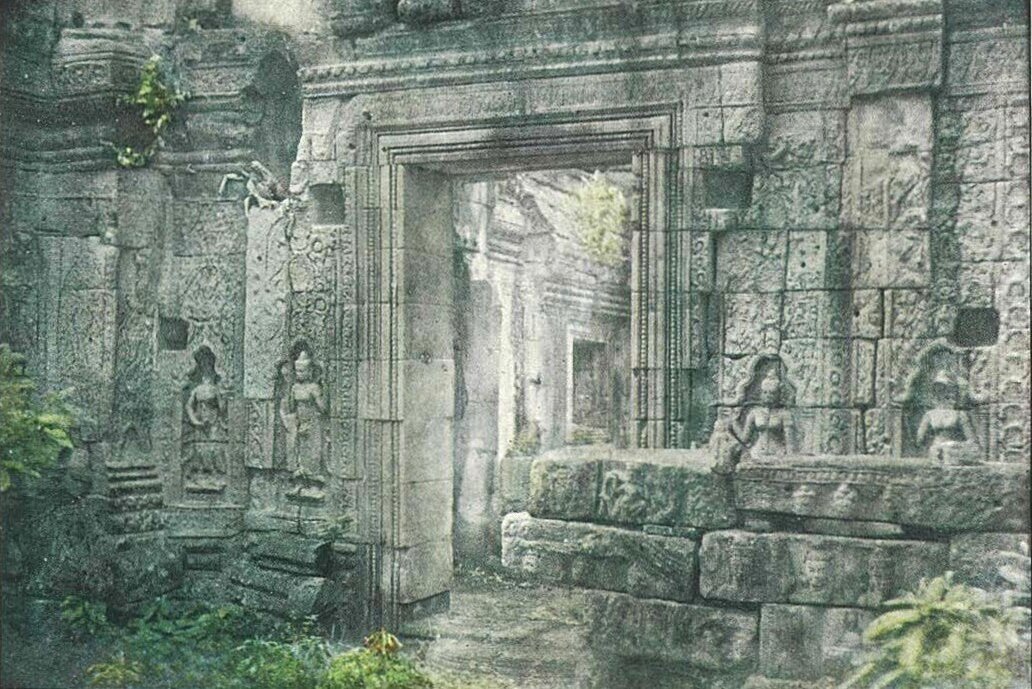
Jules Gervais-Courtellemont, "Yasovarman's royal baths" [prob. Preah Khan] [National Geographic 54-3, 1928]
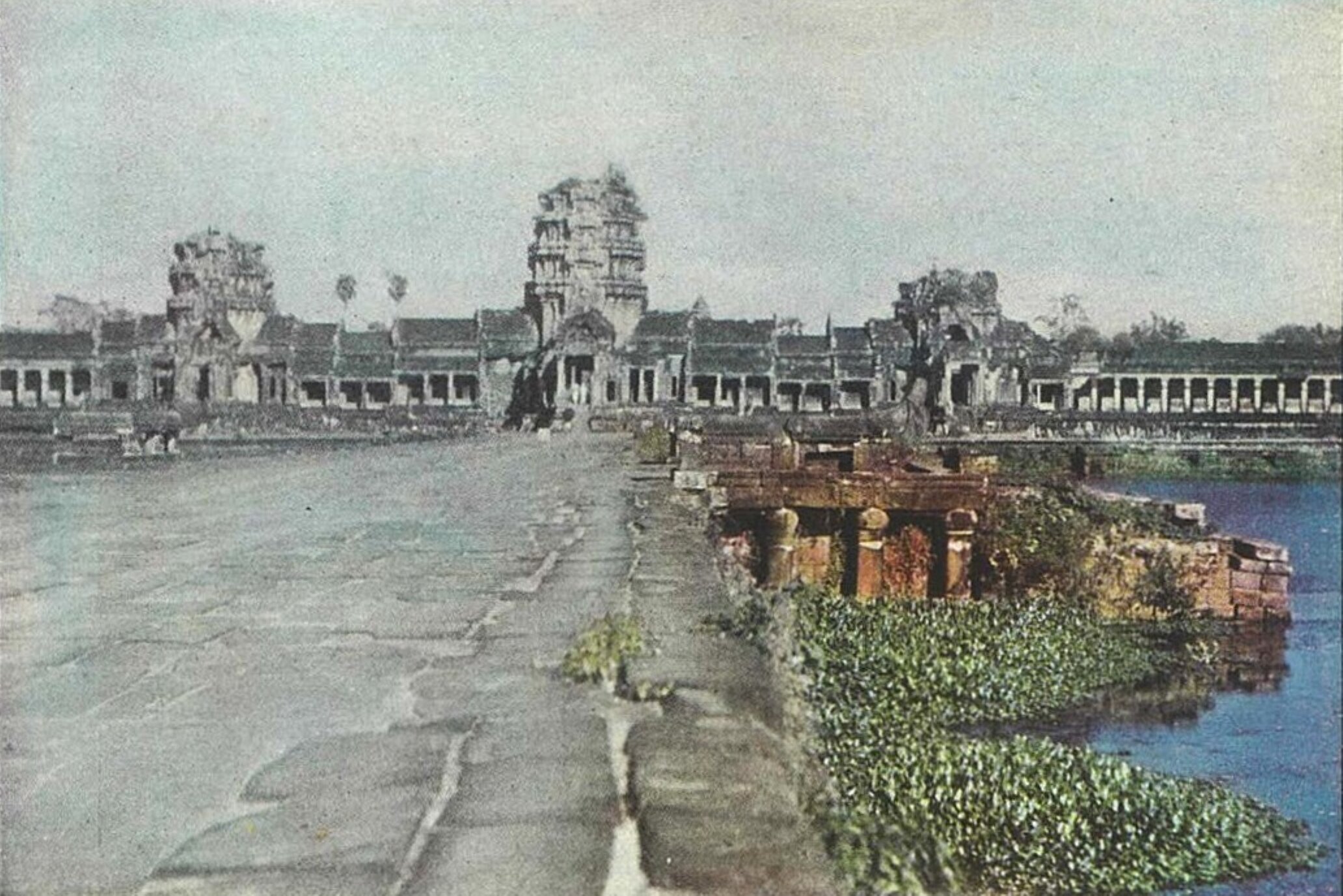
Jules Gervais-Courtellemont, "In its heyday, larger than the Athens of Pericles" [National Geographic 54-3, 1928]
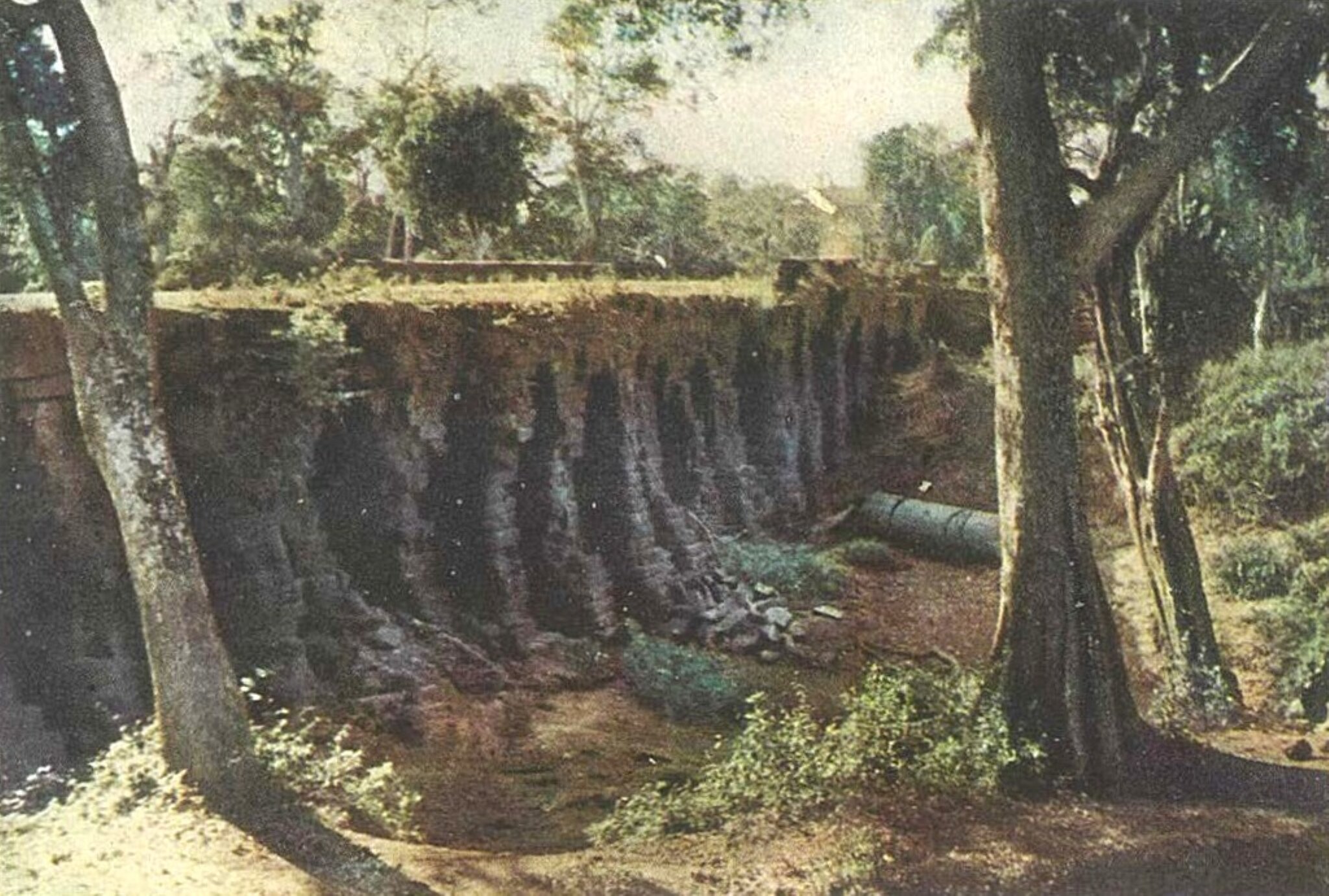
Jules Gervais-Courtellemont, ancient bridge [National Geographic 54-3, 1928]
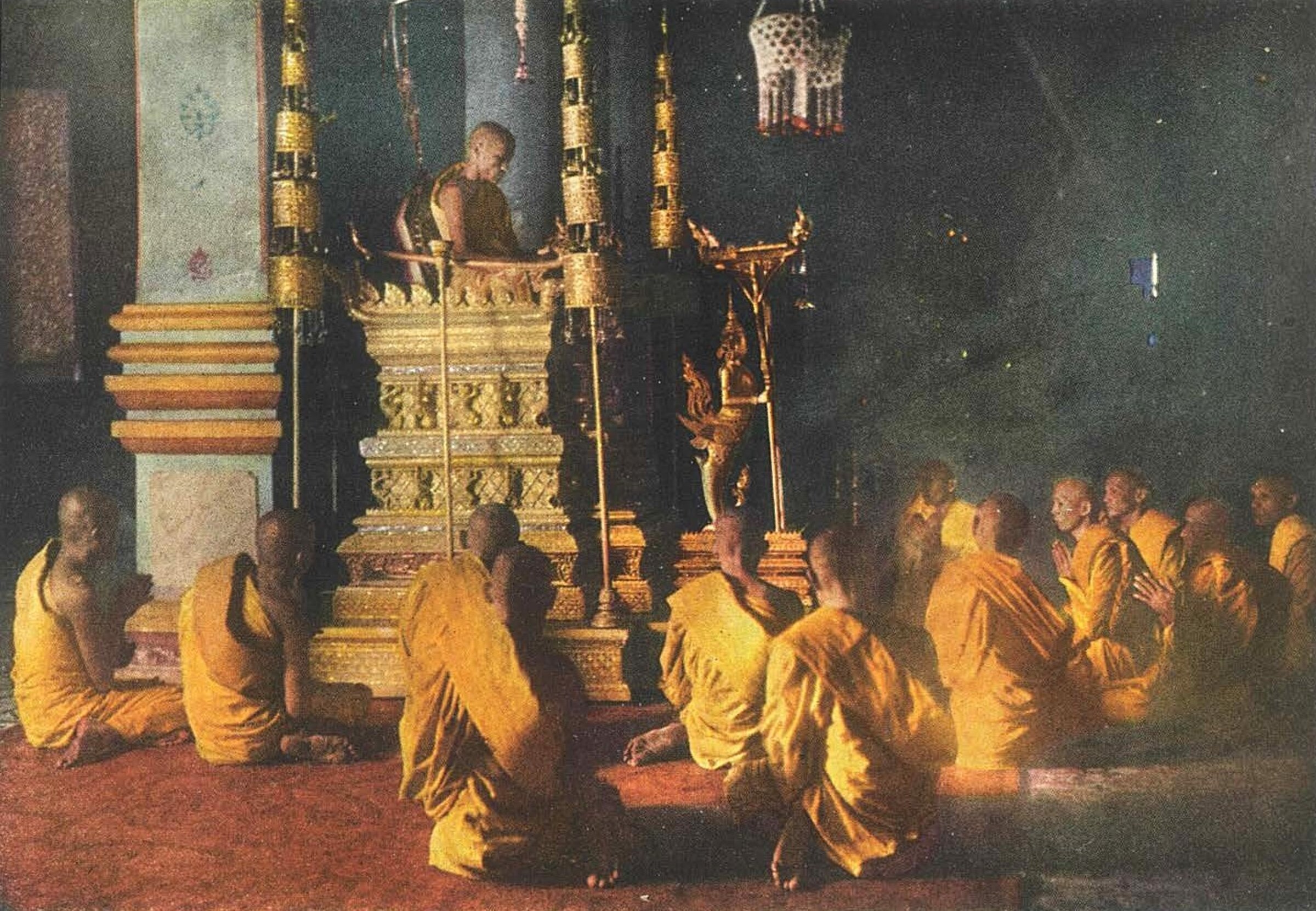
Jules Gervais-Courtellemont, Buddhist sermon at Silver Pagoda [National Geographic 54-3, 1928]
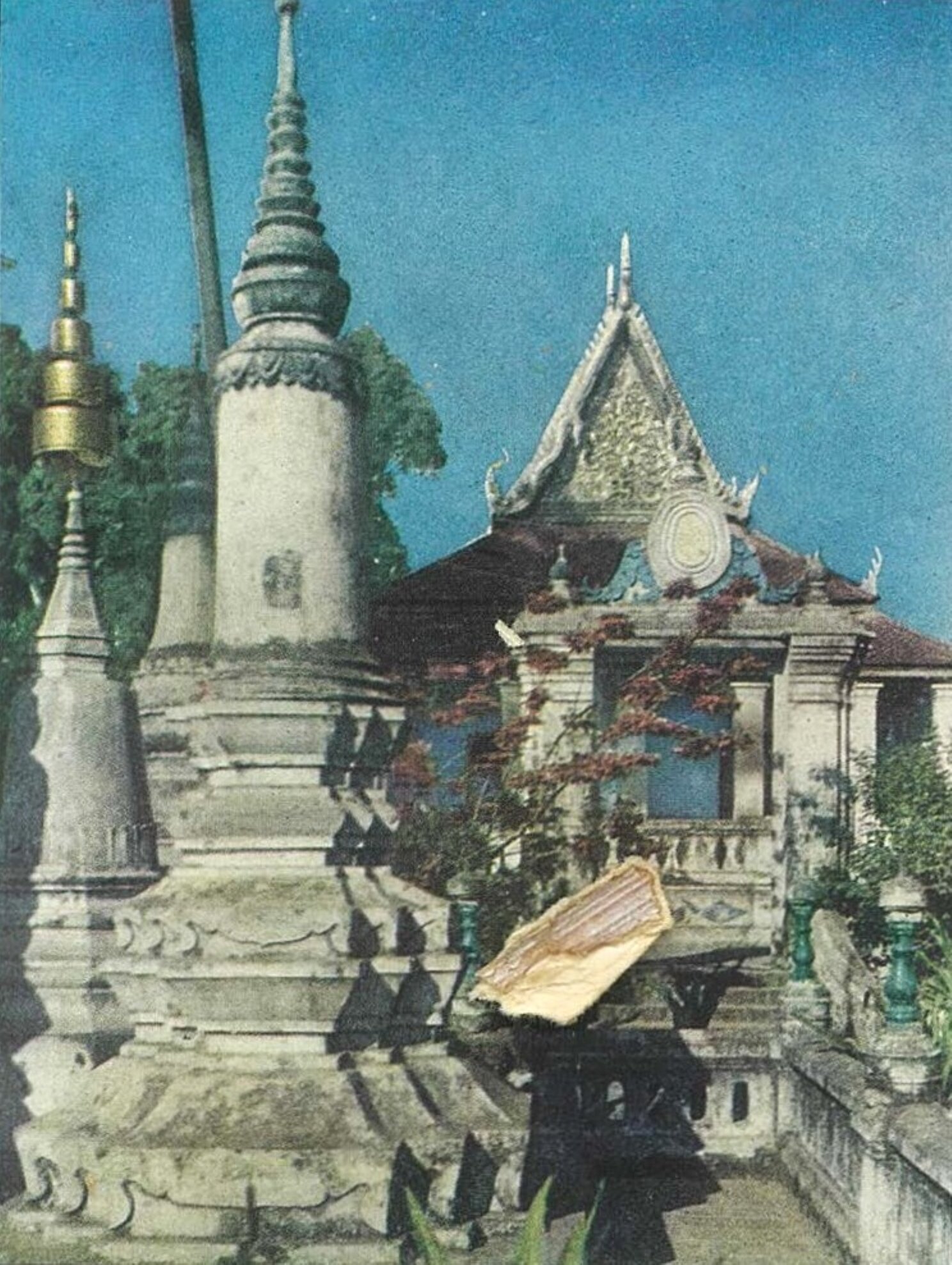
Jules Gervais-Courtellemont, sculpted spires at Royal Palace 1 [National Geographic 54-3, 1928]
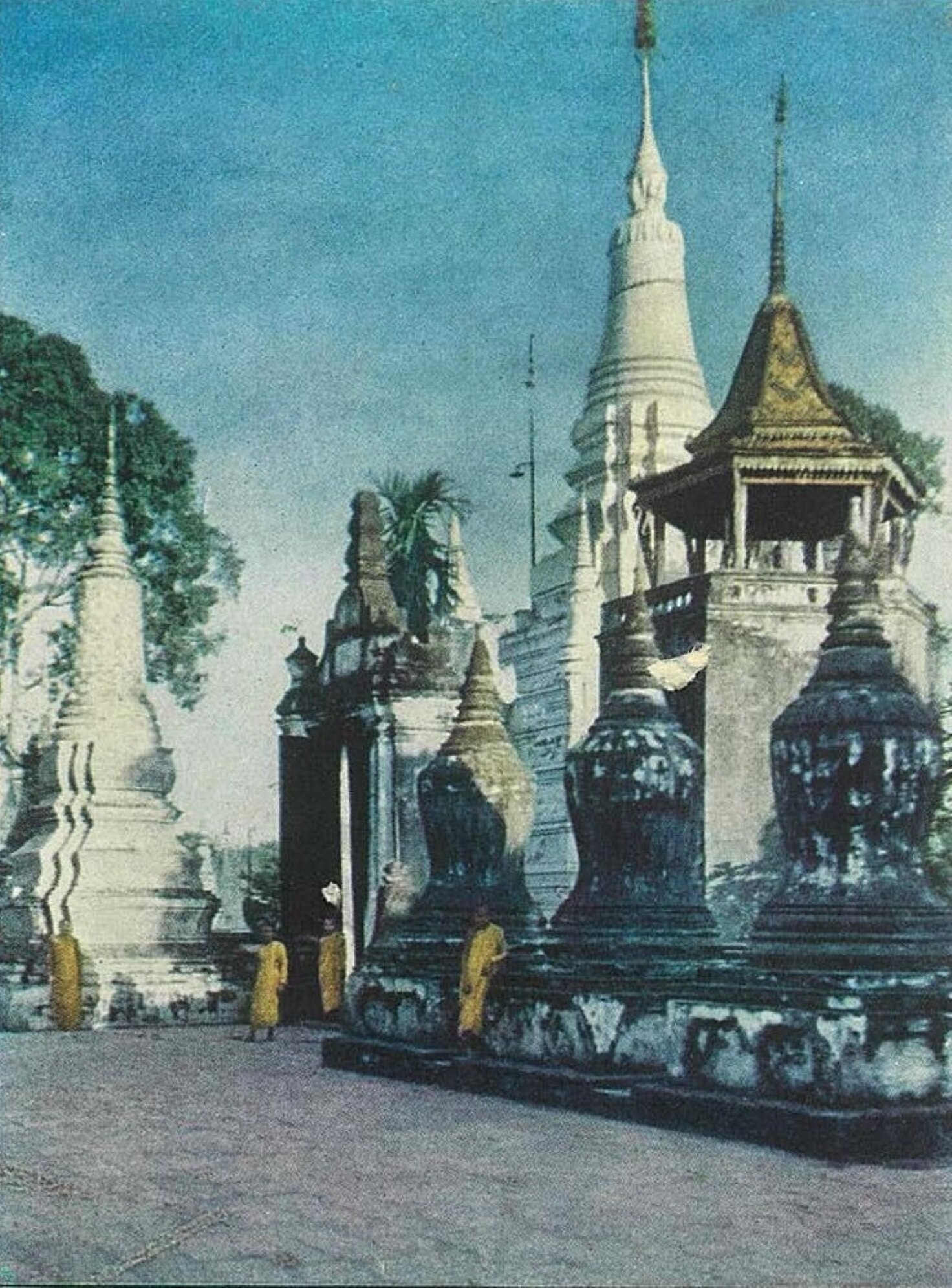
Jules Gervais-Courtellemont, sculpted spires at Royal Palace 2 [National Geographic 54-3, 1928]
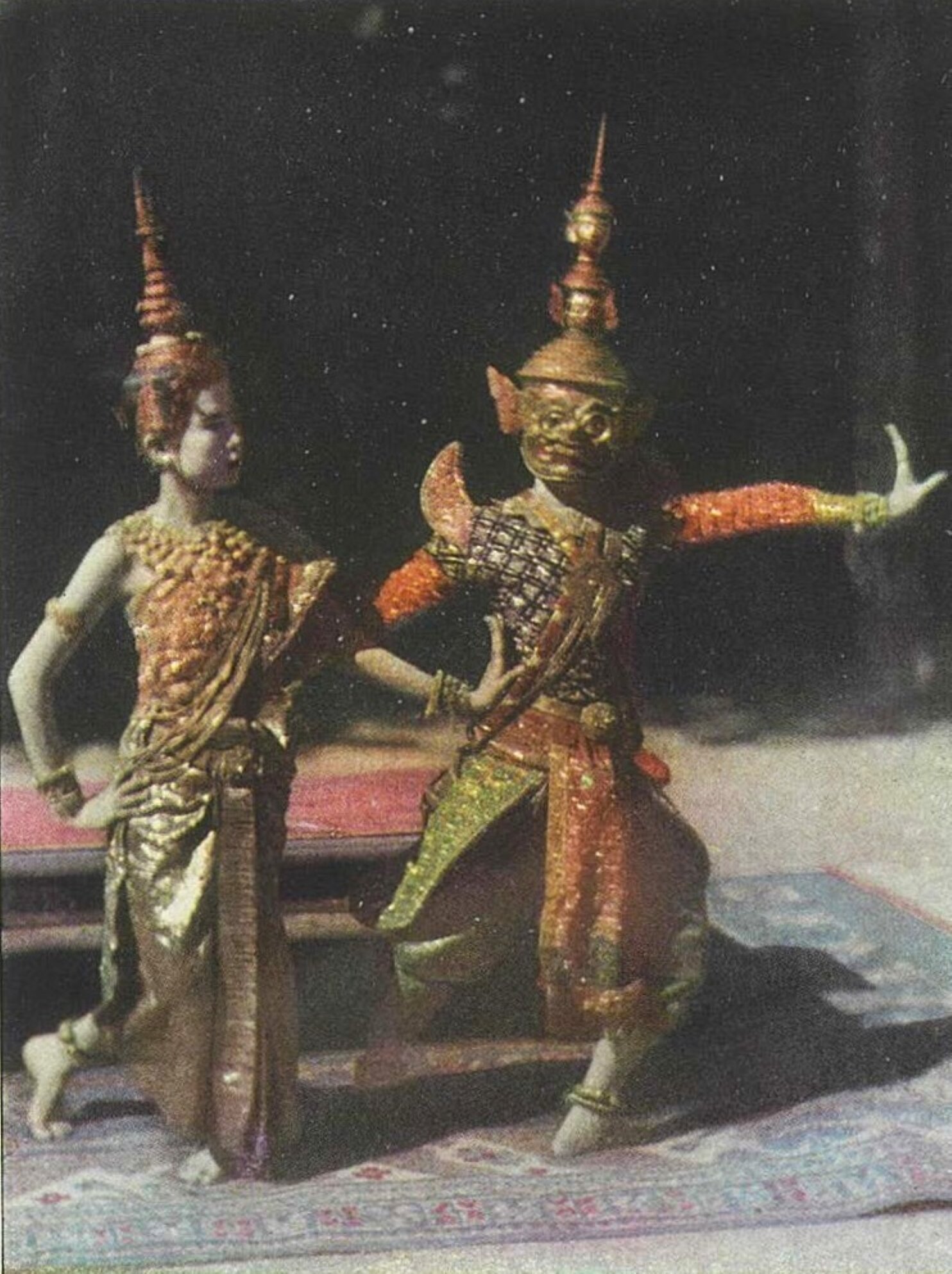
Jules Gervais-Courtellemont, "state-maintained classical ballet school" 1 [National Geographic 54-3, 1928]
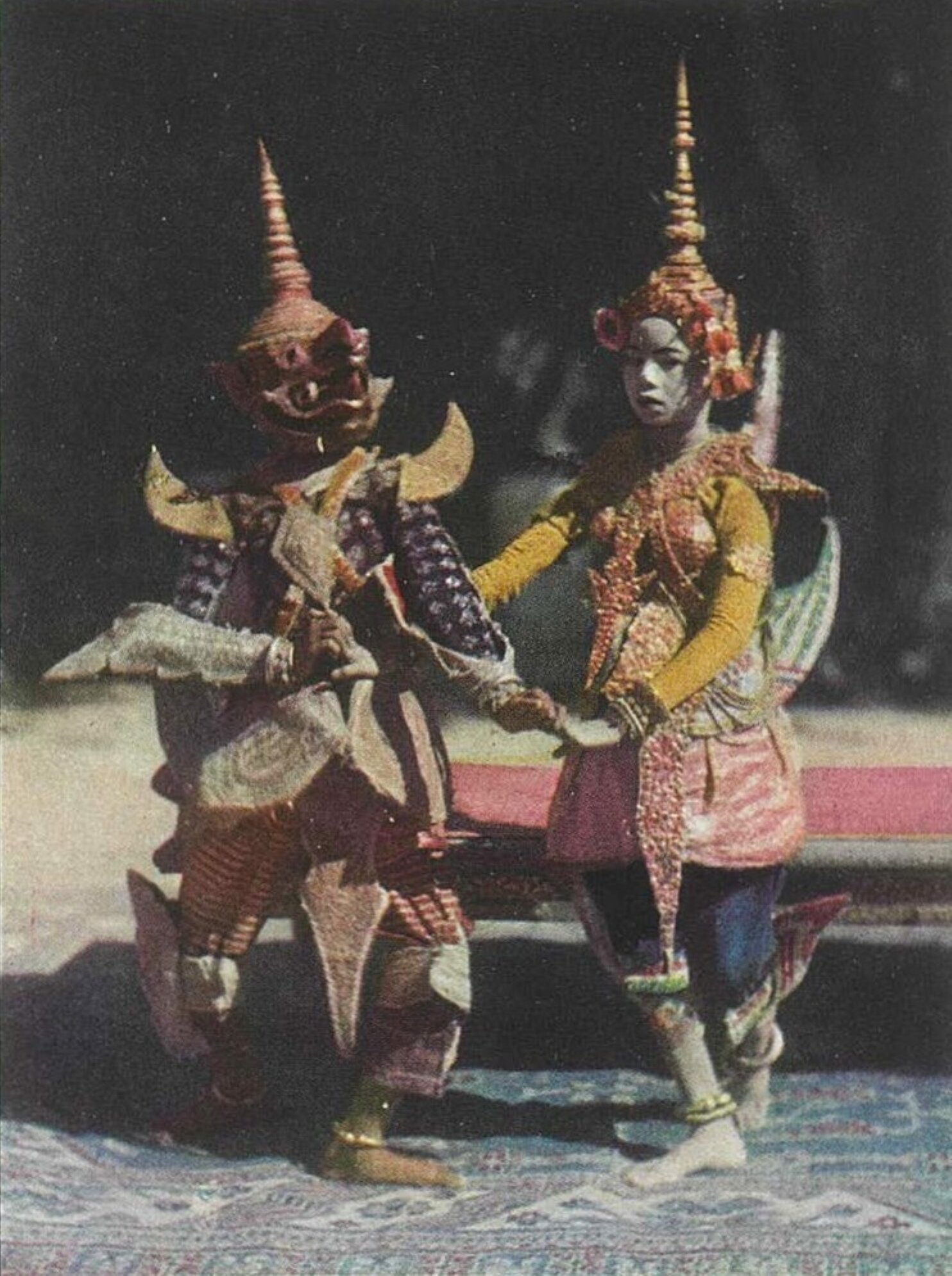
Jules Gervais-Courtellemont, "state-maintained classical ballet school" 2 [National Geographic 54-3, 1928]
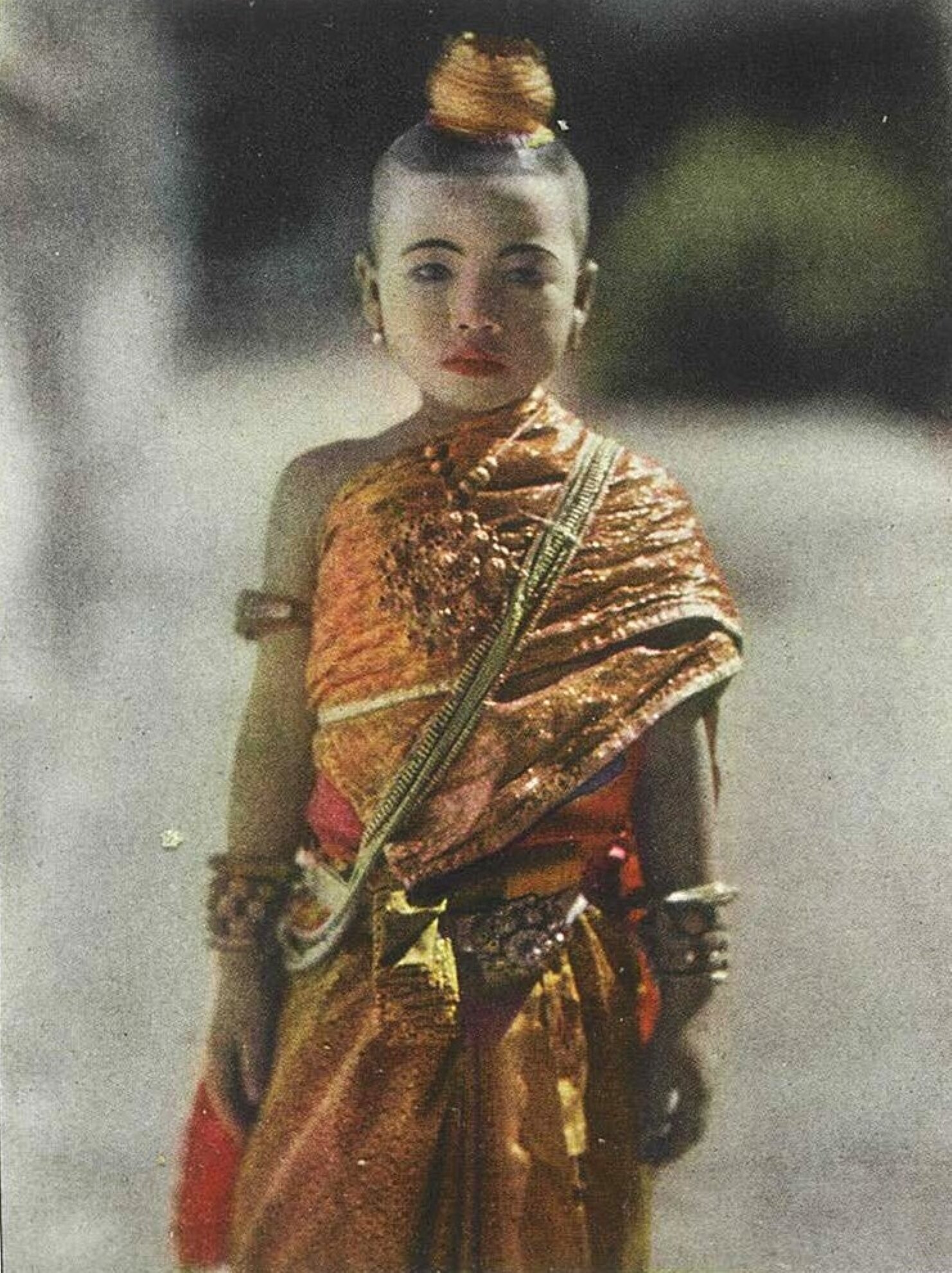
Jules Gervais-Courtellemont, girl dressed for hair-cutting ceremony [National Geographic 54-3, 1928]
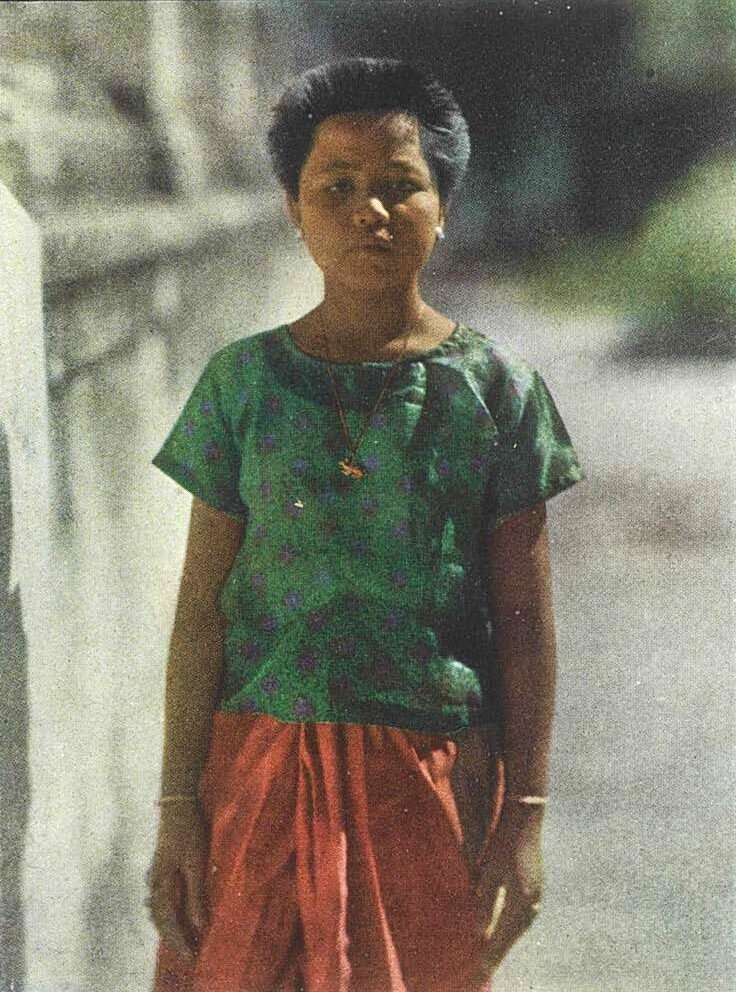
Jules Gervais-Courtellemont, woman in everyday garments with her hair cut the typical Cambodian 'bob' [National Geographic 54-3, 1928]
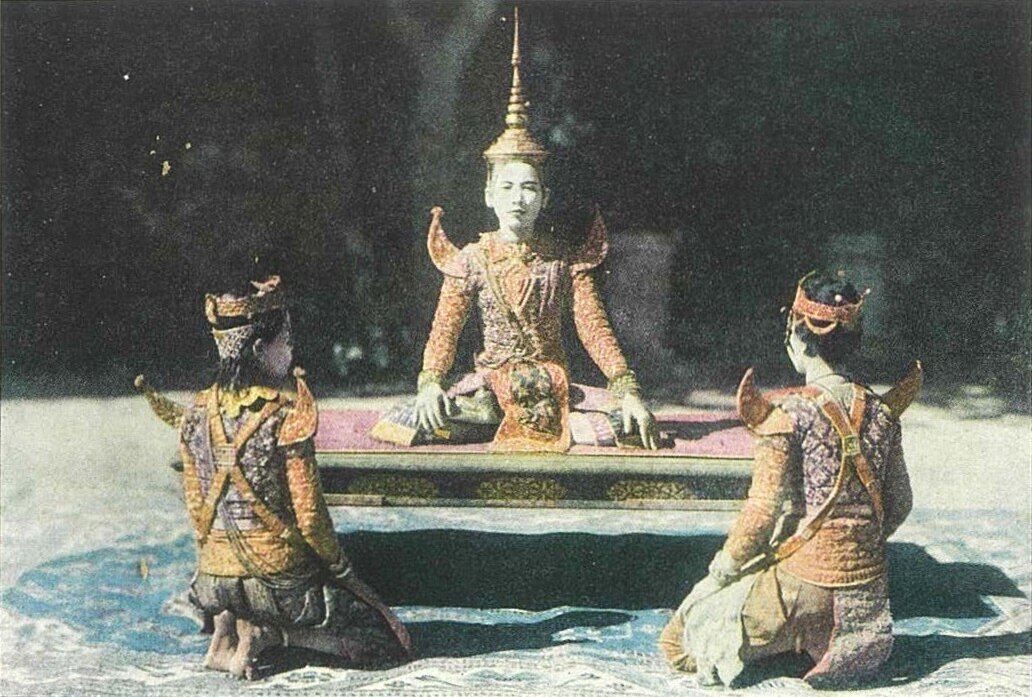
Jules Gervais-Courtellemont, court dance [National Geographic 54-3, 1928]
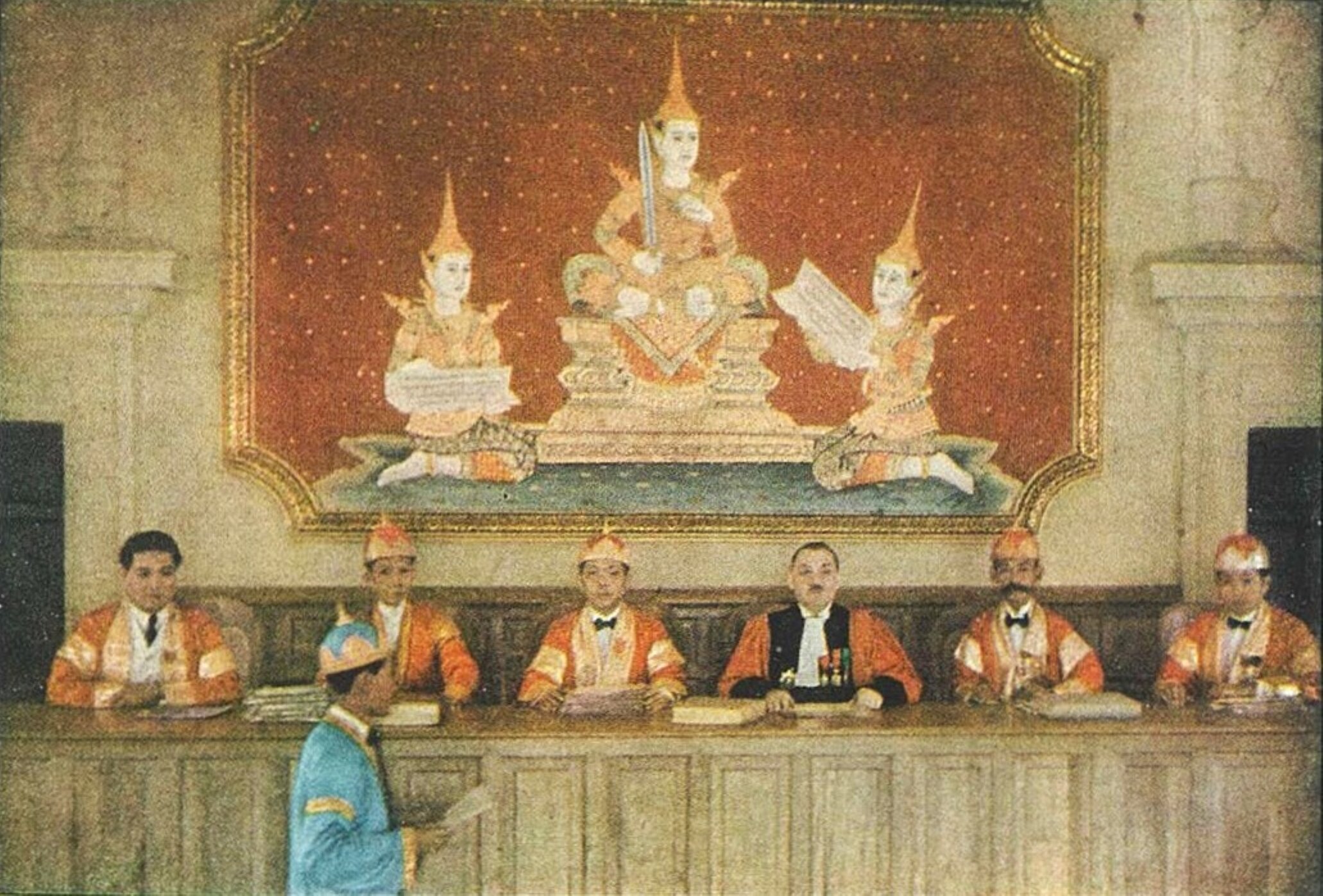
Jules Gervais-Courtellemont, Cambodian and French justices sitting side by side at Phnom Penh Tribunal [National Geographic 54-3, 1928]
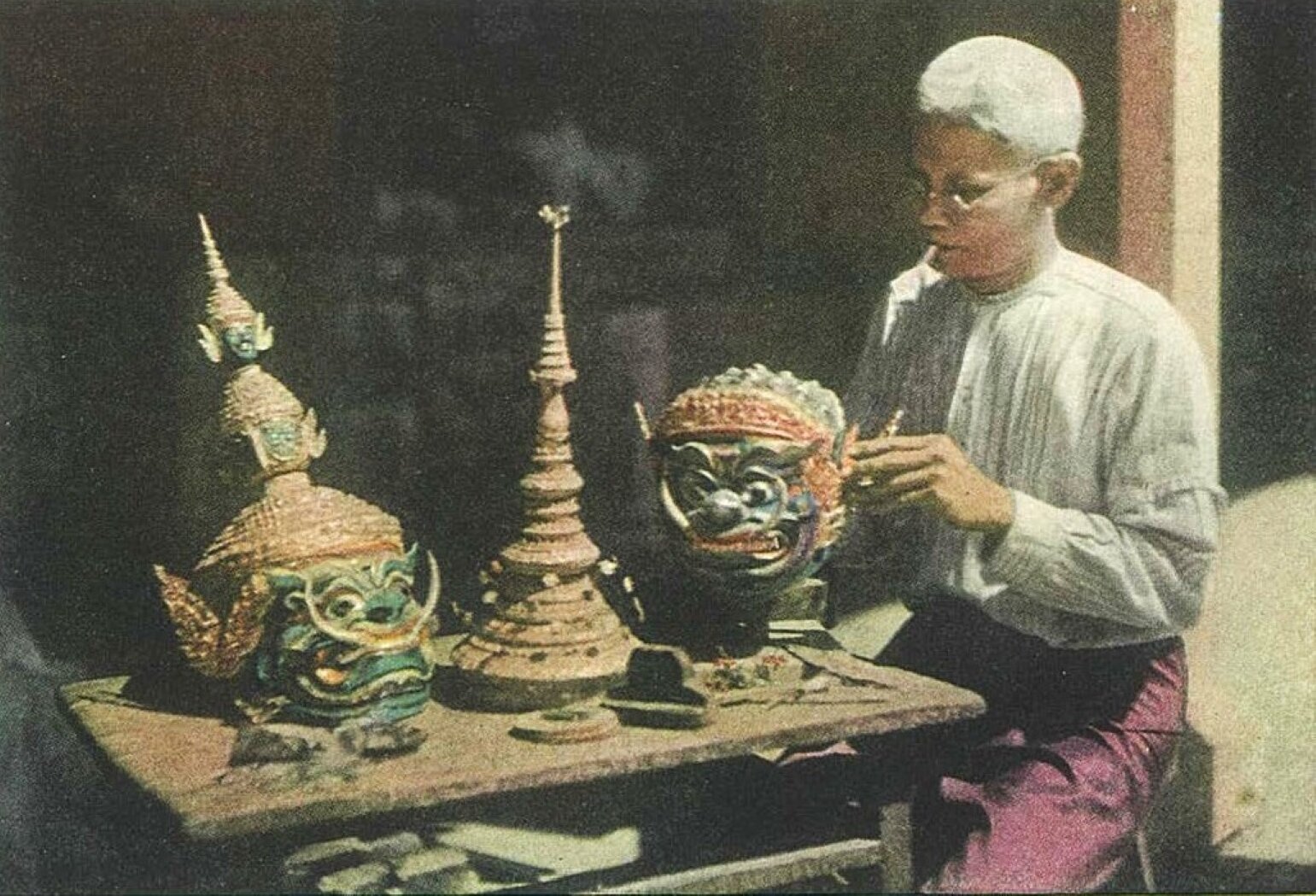
Jules Gervais-Courtellemont, ceremonial mask making at Phnom Penh "industrial school" [Khmer Arts School] [National Geographic 54-3, 1928]
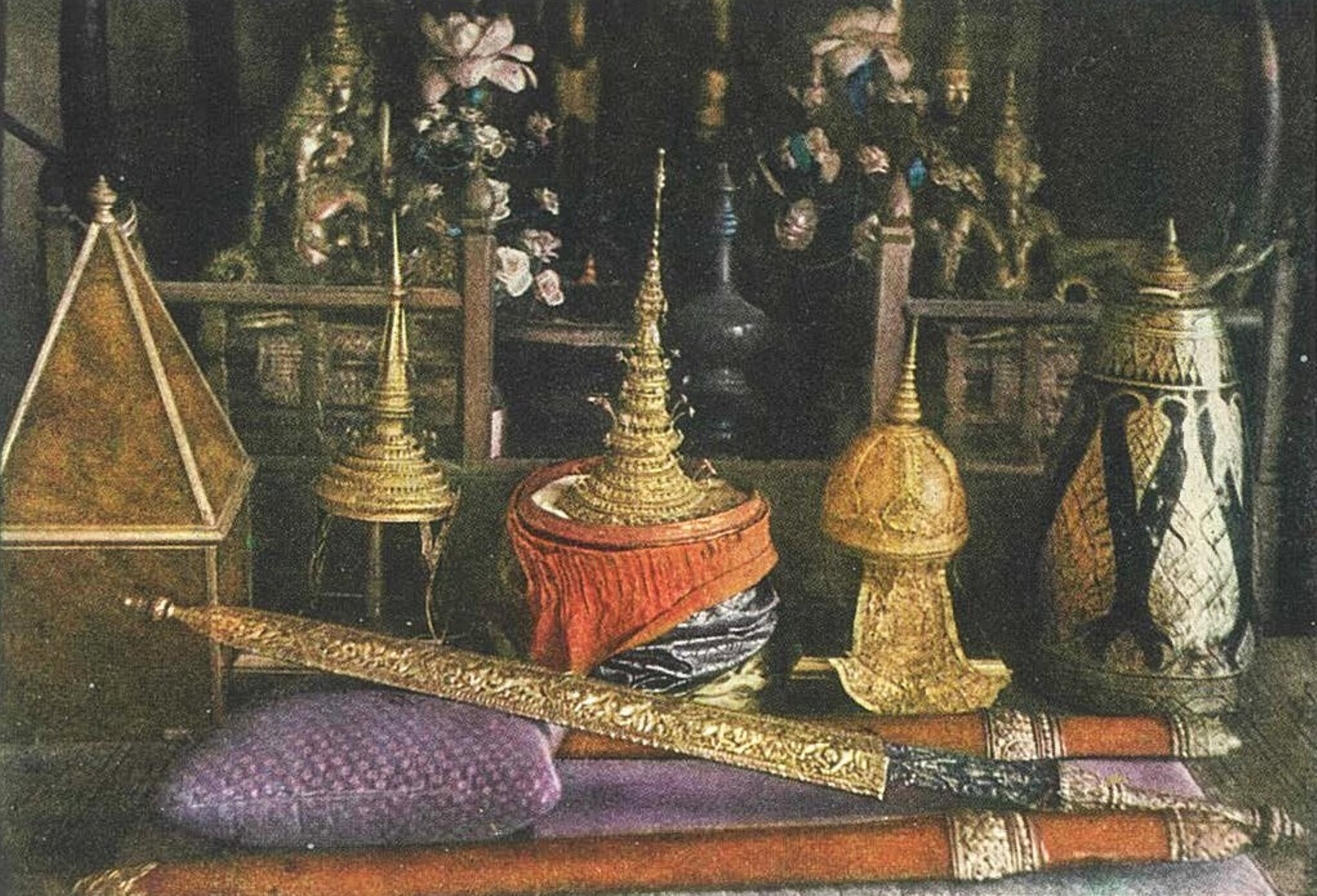
Jules Gervais-Courtellemont, Royal crowns and swords [National Geographic 54-3, 1928]
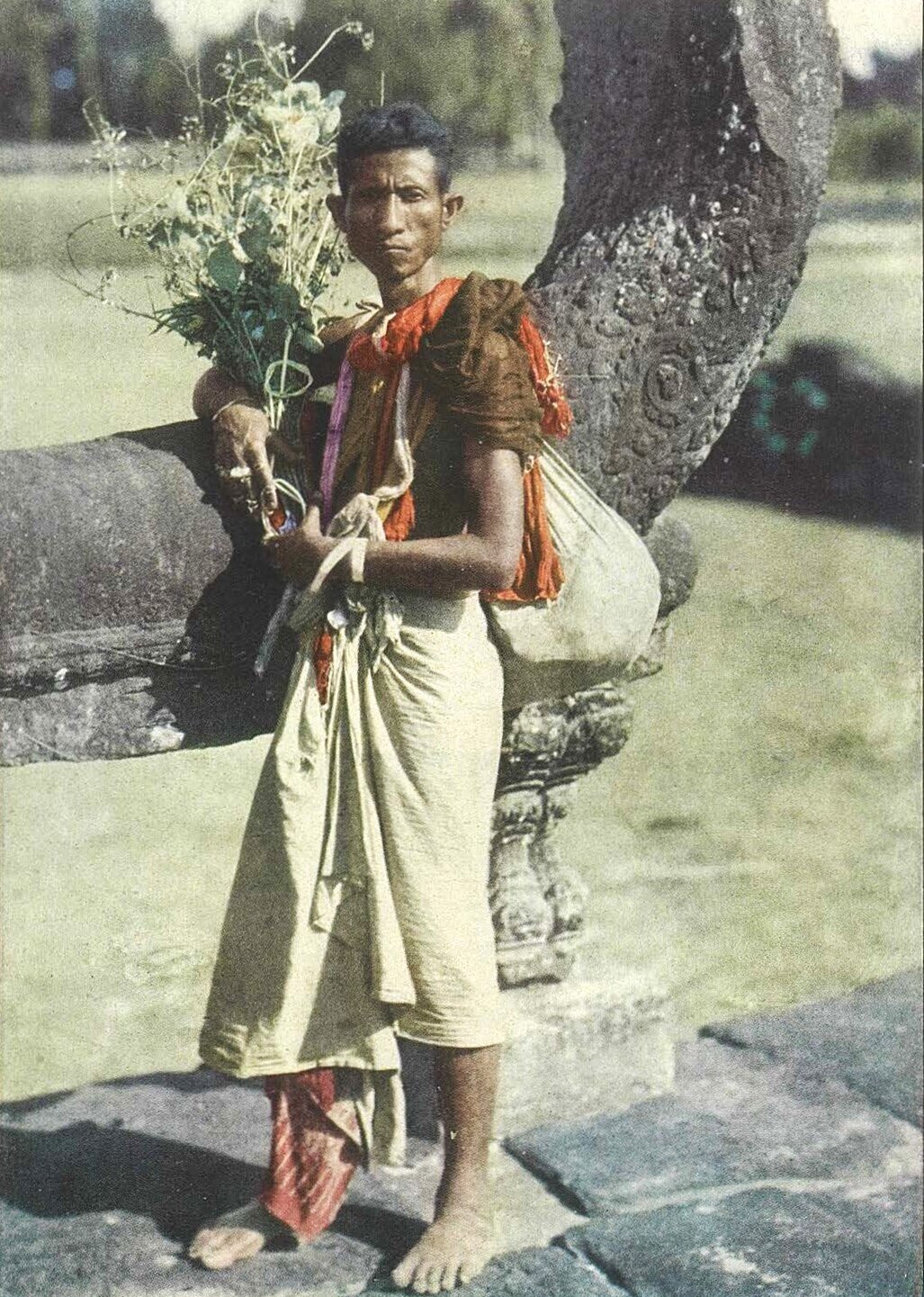
Jules Gervais-Courtellemont, "demented Buddhist priest surveying the ruins of Angkor" [National Geographic 54-3, 1928]
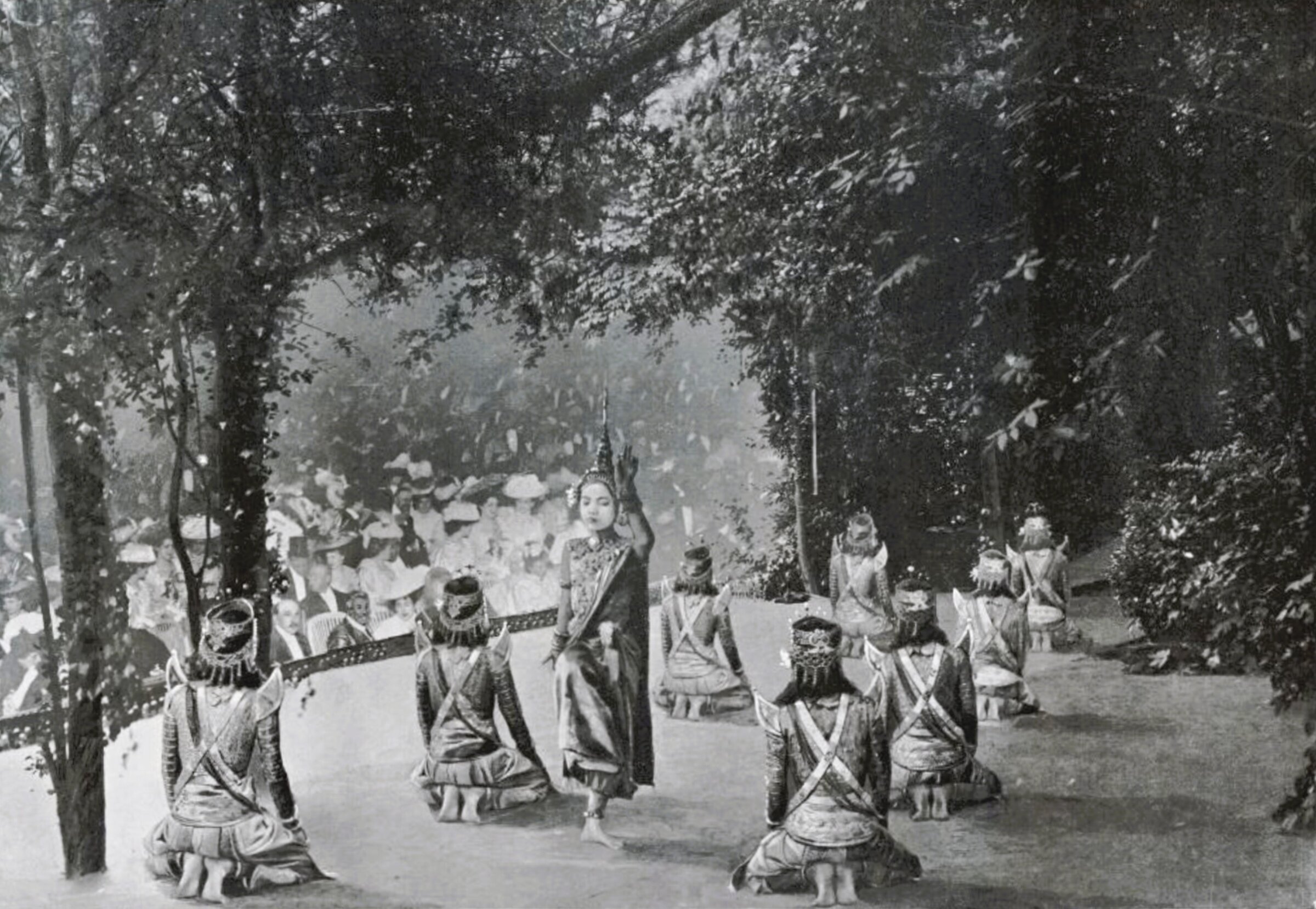
Initially published in L'Illustration (June 1906), this stunning photograph of the performance of the Cambodian Royal Ballet at the Theatre de Verdure, Bois de Boulogne, France, is rarely credited to its author, Gervais-Courtellemont. It shows his lasting interest in Cambodian classical dance.
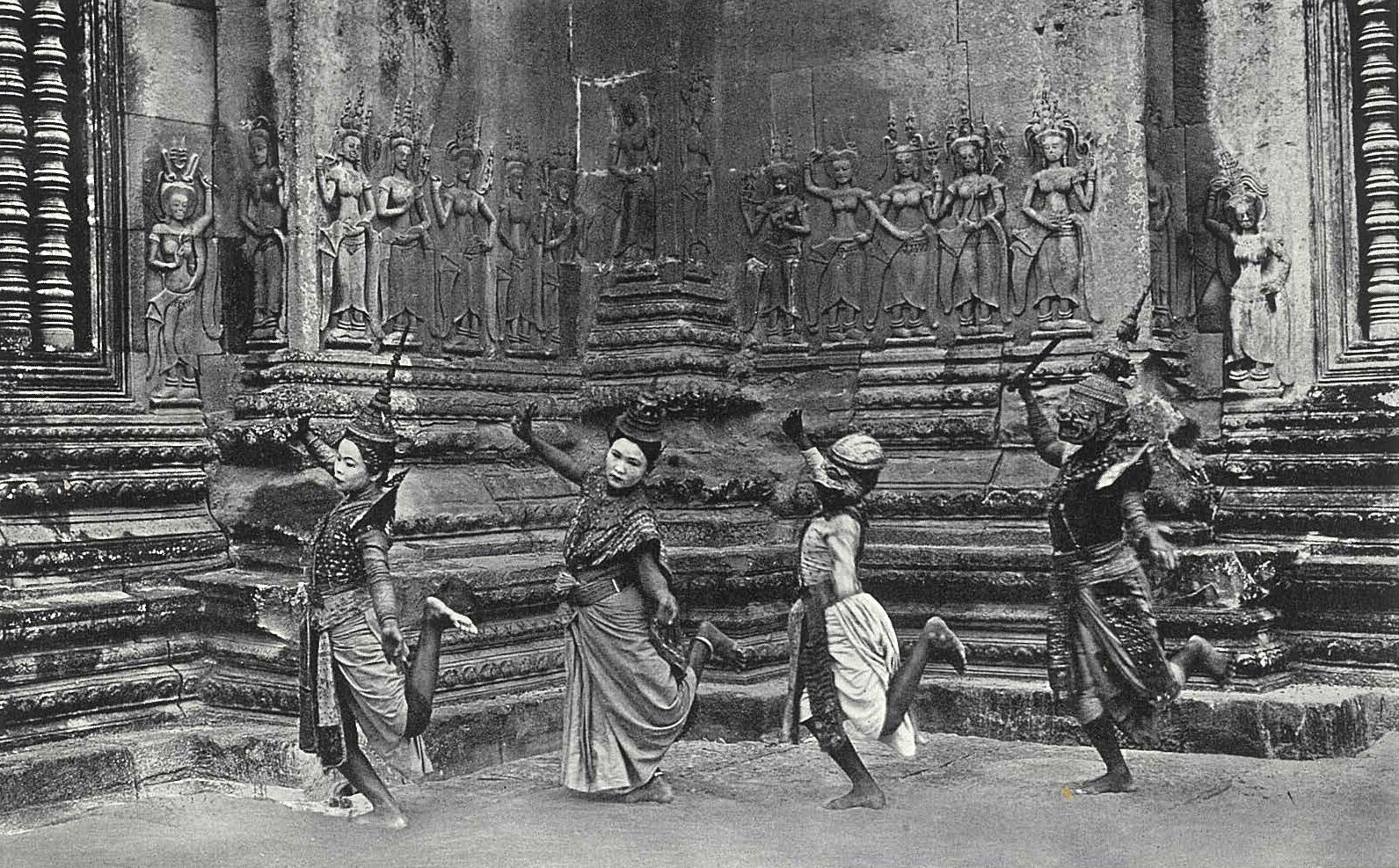
Dancers rehearsing at Angkor Wat (photo Services Economiques de l'Indo-Chine) [National Geographic 54-3, 1928]
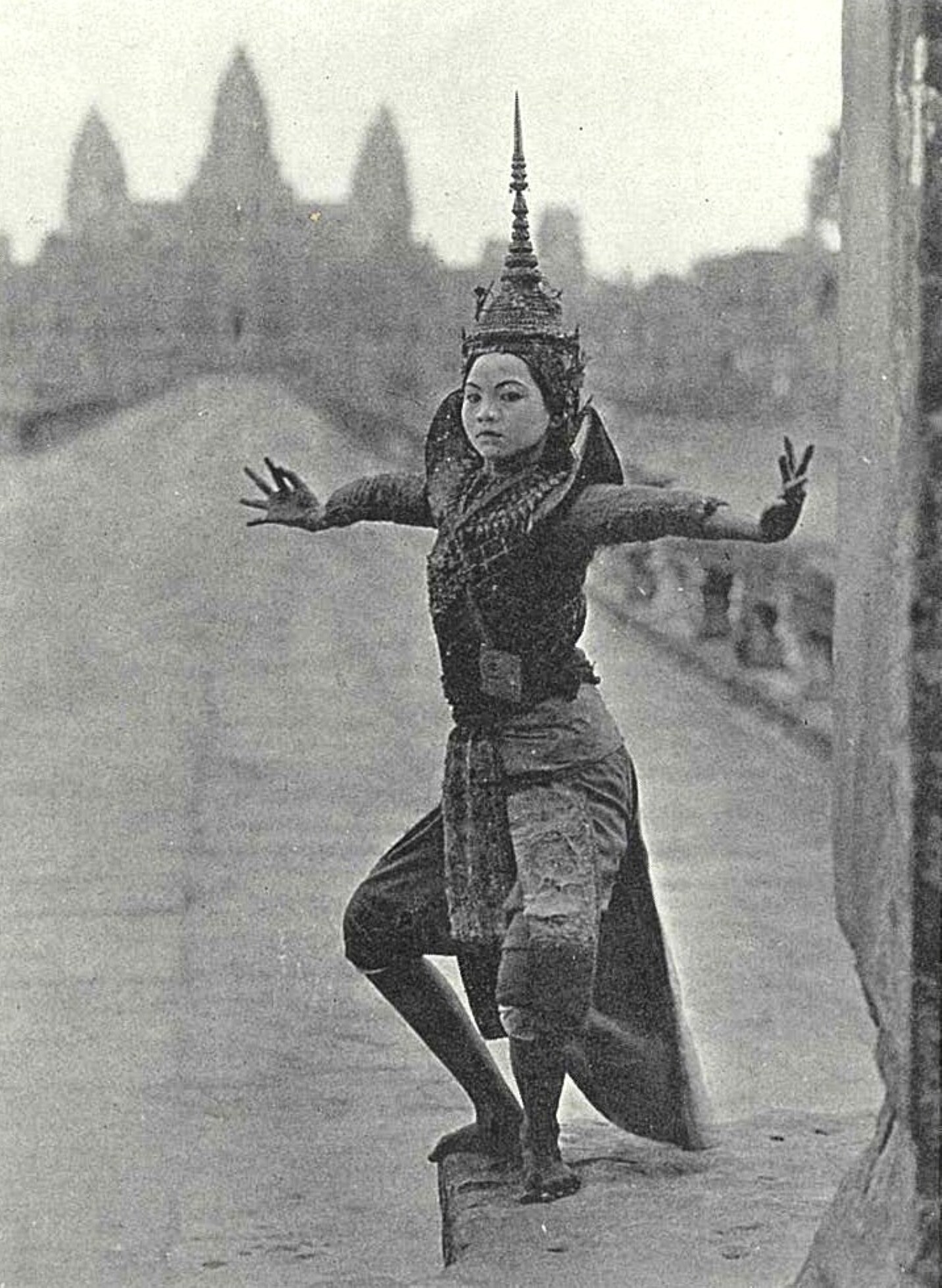
Dancer on western causeway to Angkor Wat (photo Services Economiques de l'Indo-Chine) [National Geographic 54-3, 1928]
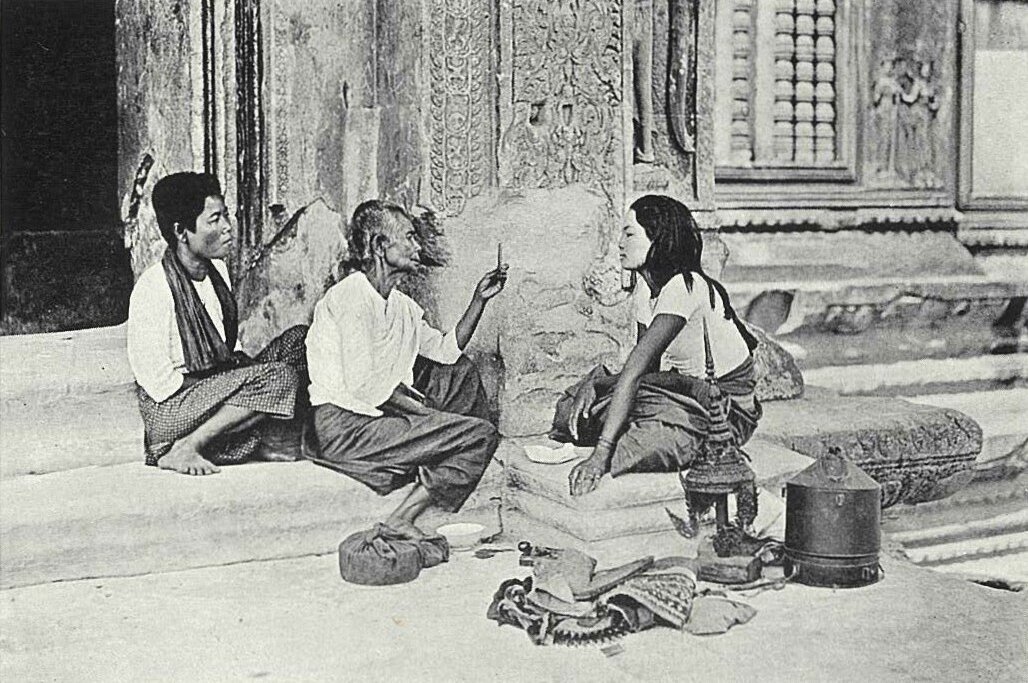
Dancer getting ready at Angkor Wat (photo Services Economiques de l'Indo-Chine) [National Geographic 54-3, 1928]
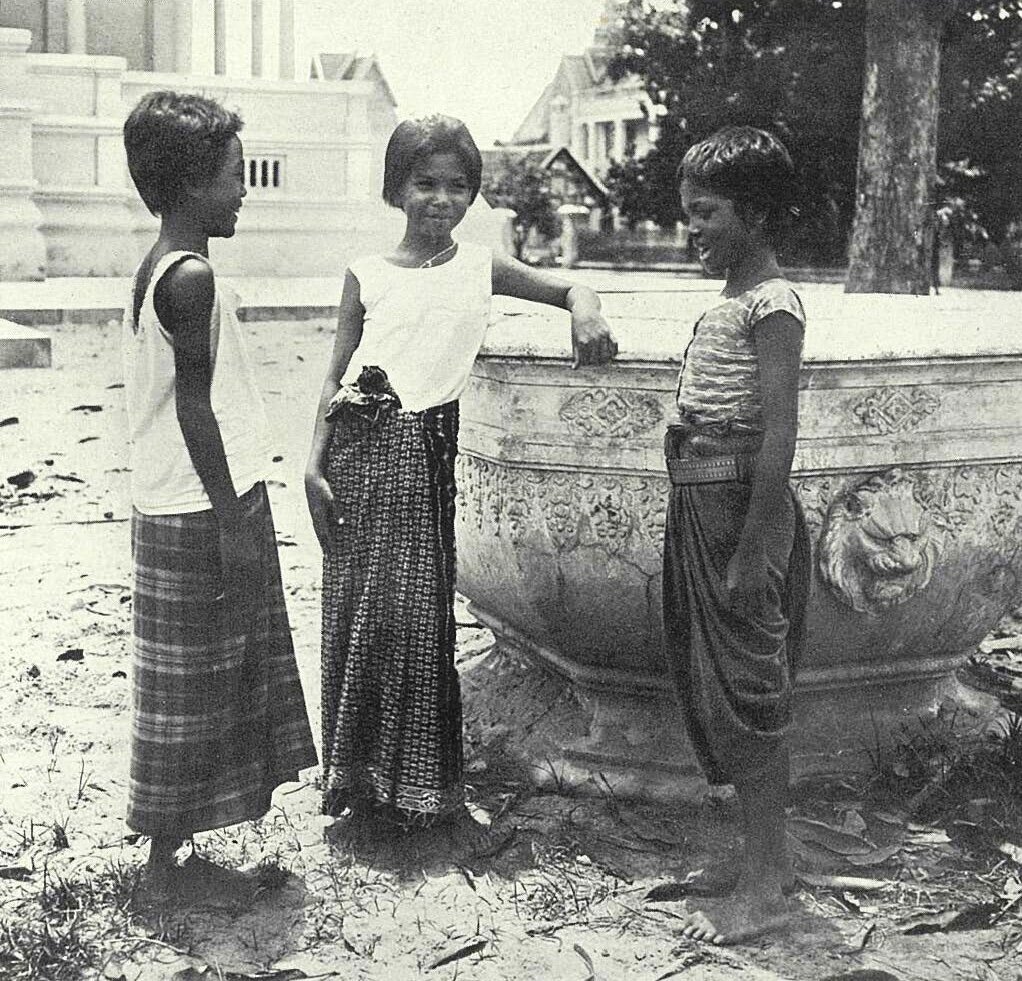
Young girls studying to become court dancers during recess (photo Services Economiques de l'Indo-Chine) [National Geographic 54-3, 1928]
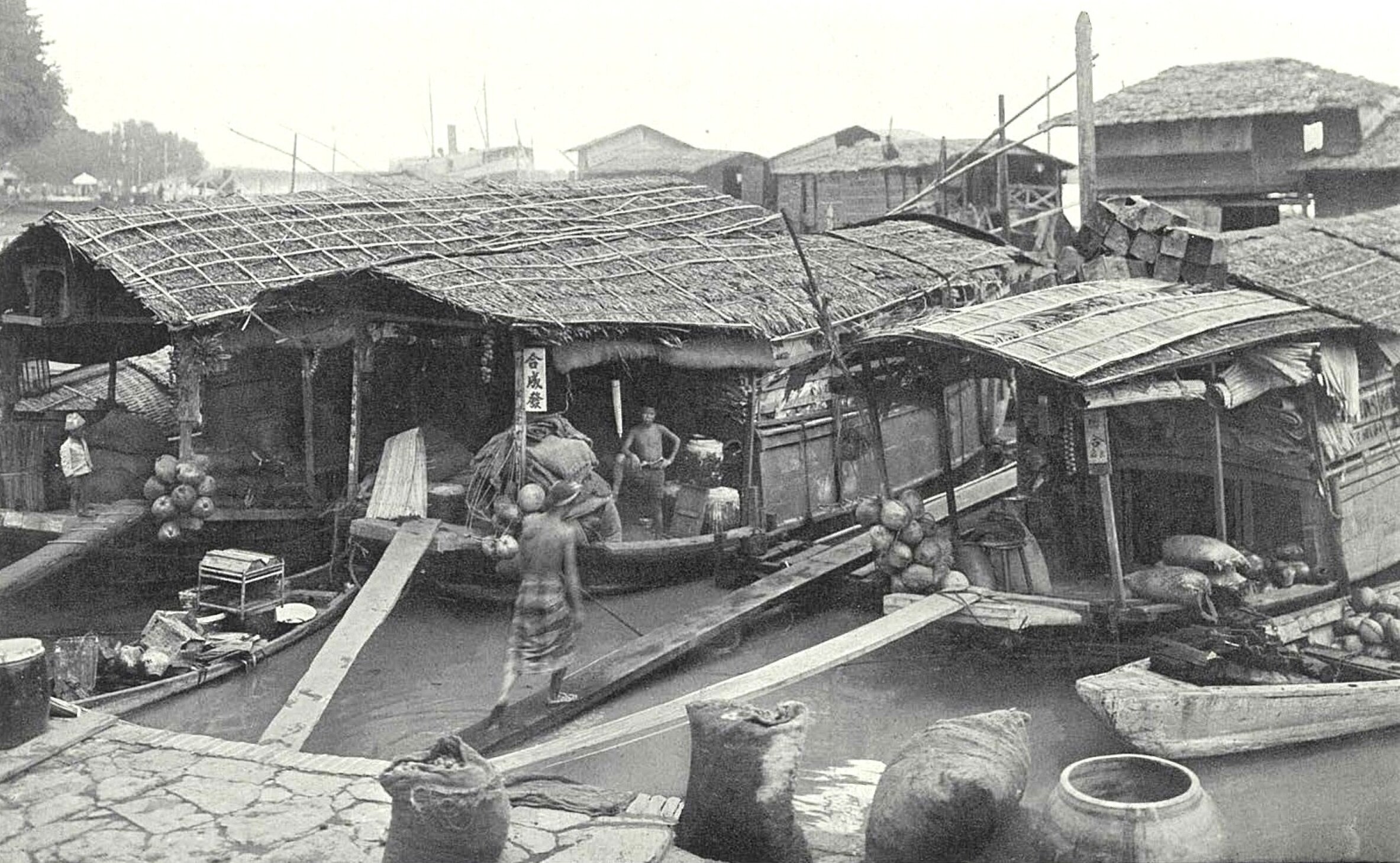
Sampan dwellers in Phnom Peng (photo Services Economiques de l'Indo-Chine) [National Geographic 54-3, 1928]
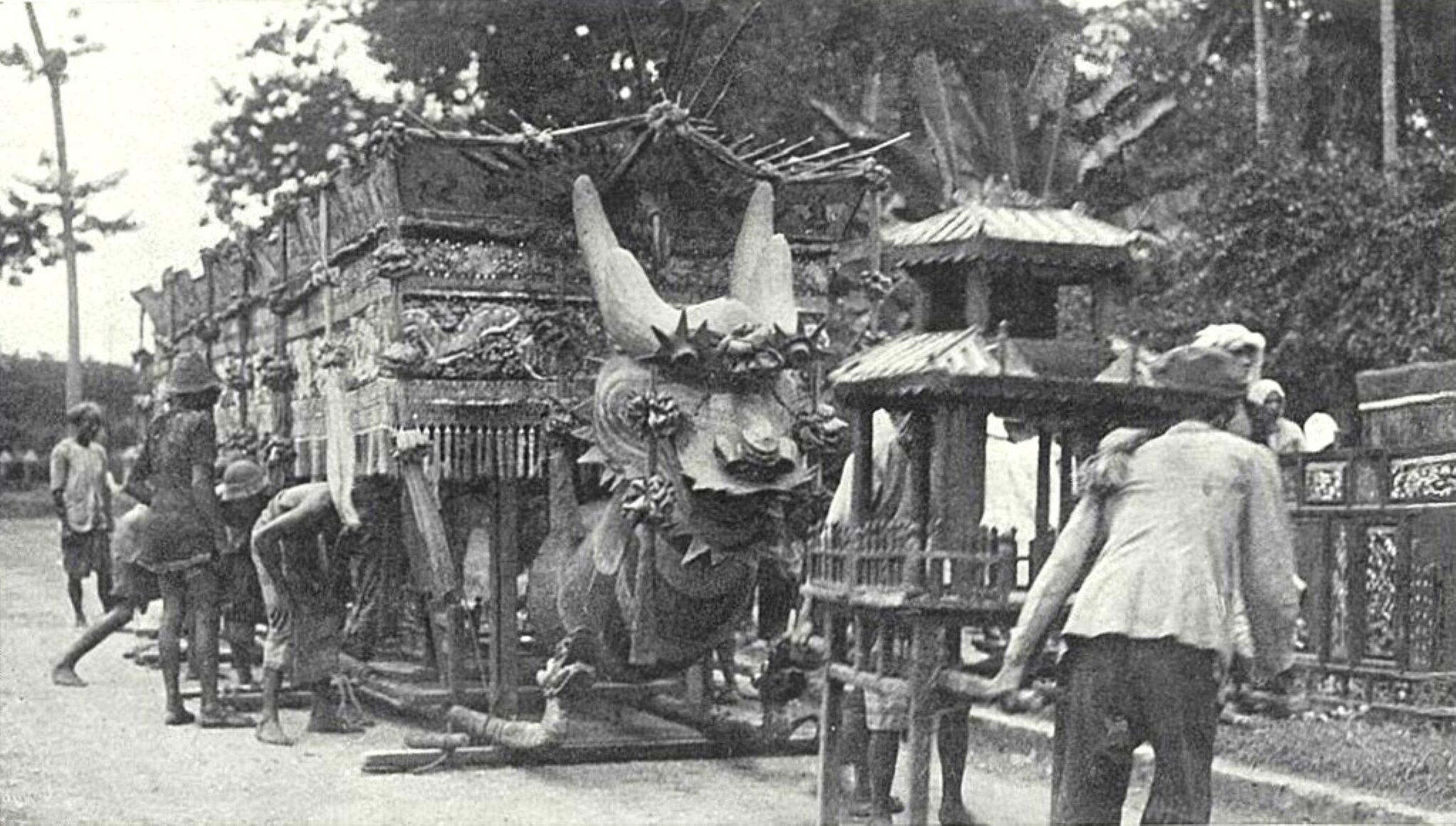
Funeral vehicle for "a well-to-do Annamite" (photo Services Economiques de l'Indo-Chine) [National Geographic 54-3, 1928]
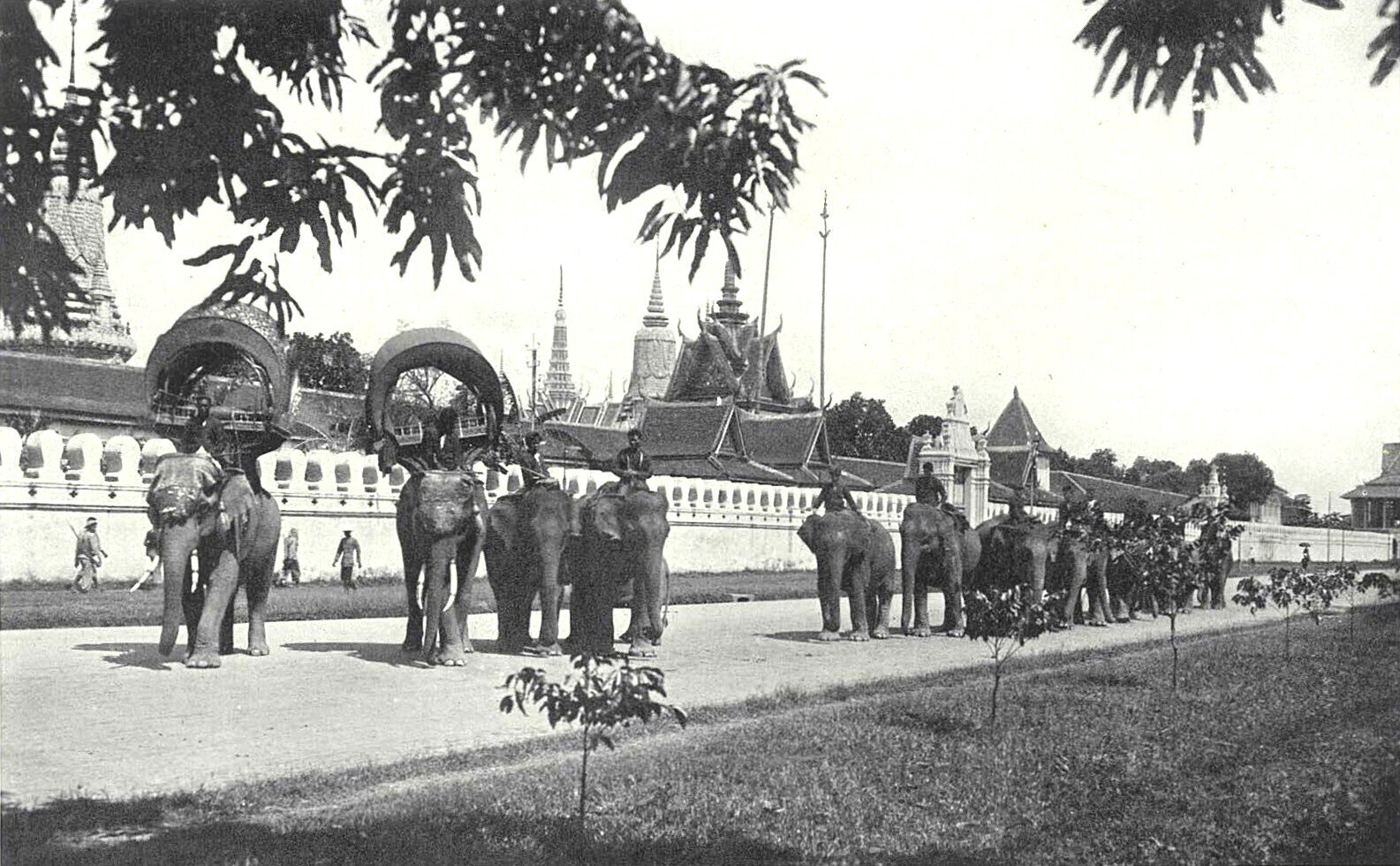
Royal elephants walking past Royal Palace's eastern side (photo Services Economiques de l'Indo-Chine) [National Geographic 54-3, 1928]
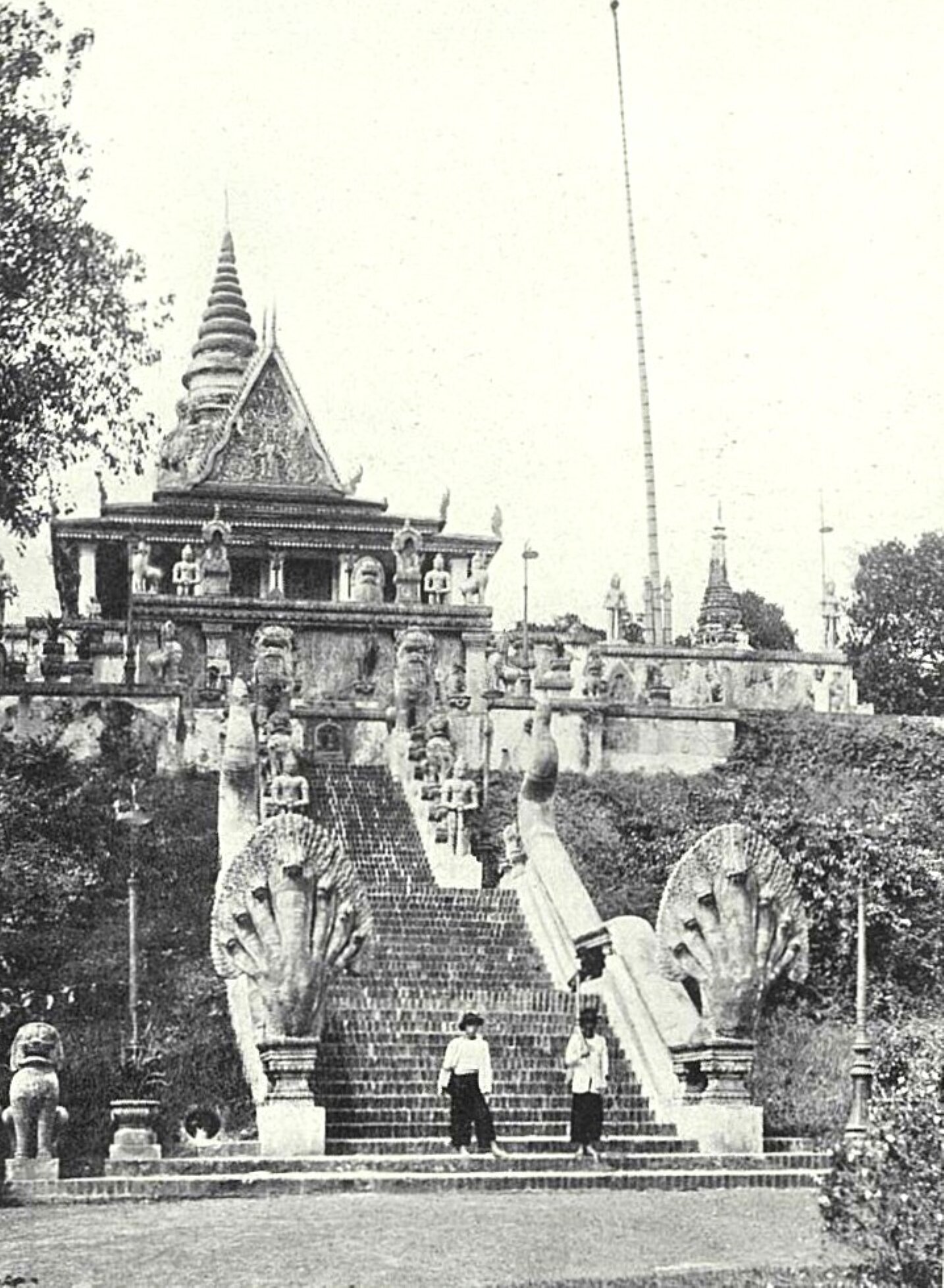
Entrance to Wat Phnom with nagas (photo Services Economiques de l'Indo-Chine) [National Geographic 54-3, 1928]
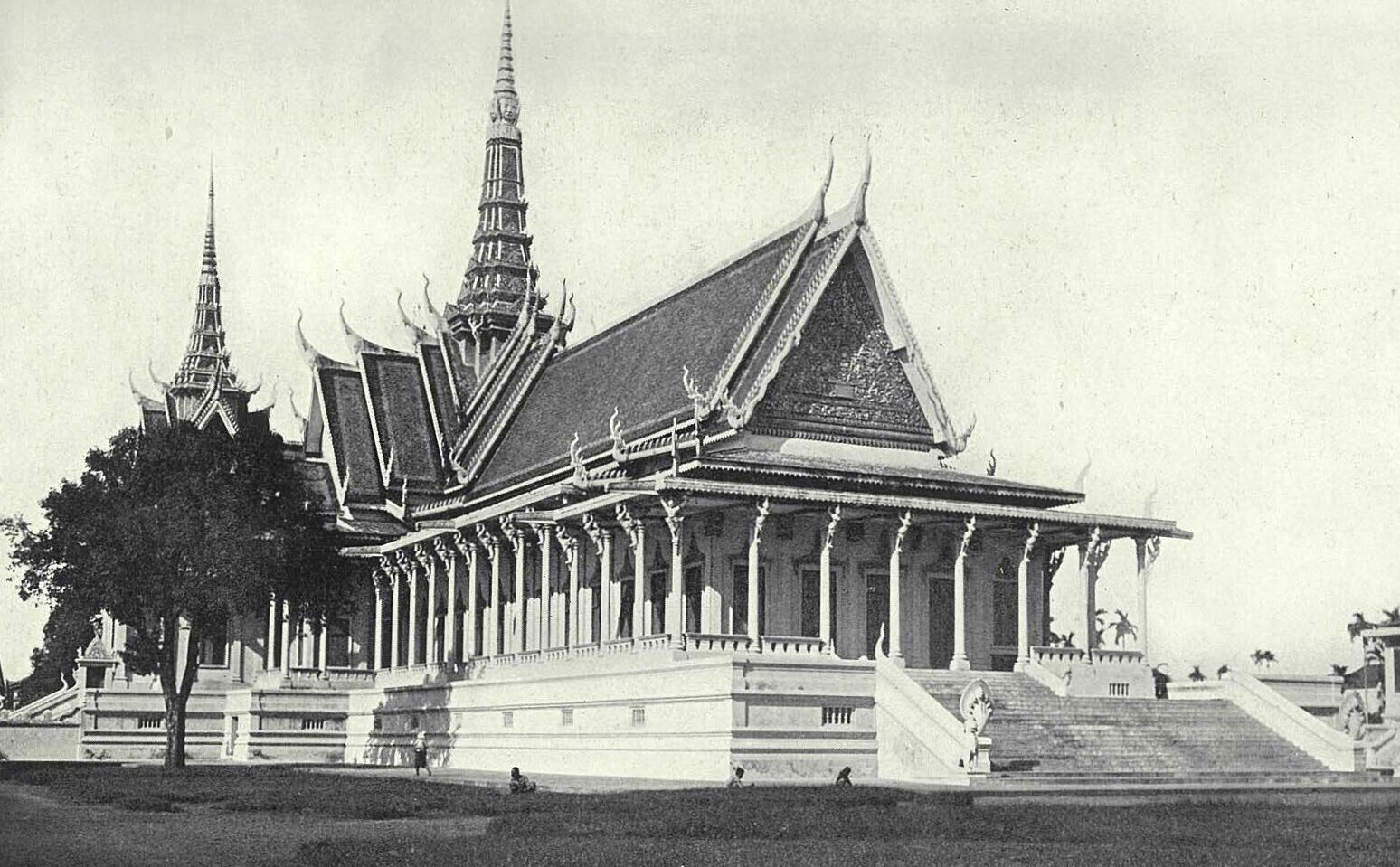
The recently completed Throne Hall, "modern Khmer architecture" (photo Services Economiques de l'Indo-Chine) [National Geographic 54-3, 1928]

The autochrome photo series entitled ‘The Enigma of Cambodia’ was inserted in Robert J. Casey’s essay, ‘Four Faces of Siva: The Mystery of Angkor’ [National Geographic 54 – 3, Sept. 1928: 302 – 32. Full pdf here.] The article itself was illustrated with 14 black-and-white photographs, the one opening the section here reproduced in first position in our collection — two dancers of the Royal Ballet captured in a rare unguarded moment, crouching among ancient stones scattered on the ground near Angkor Wat for a quick make-up session in “this improvised dressing room”, to quote the magazine’s caption.
Gervais-Courtellemont’s 27 autochromes [1], displayed here in the same order as in the original publication, were preceded by that one b/w photo and we have ended the series with another b/w photograph of Cambodian dancers performing near Paris in 1906 during the historic visit of King Sisowath to France — a reminder that the photographer had for long documented the Khmer ancient dance form. The photographic selection made by the editors reflect the philosophy of an American ‘geographic society’ resolutely avoiding scientific aridity and set to give more than a picturesque portrait of a country that remained terra incognita for most of its readership — yet the publication came a few years after Helen Churchill Candee’s book on Angkor had been a popular success.
In contrast with the French media of the time, where every publication on Cambodia was aimed at sugarcoating the “civilizing mission” of the Protectorate, the selection highlighted the Cambodian specificity - classical dance, of course, but also many pagoda scenes, monks preaching, and even a rare image of the Phnom Penh civil court of justice where Khmer judges sat uneasily side by side with their French counterparts. As for the interpretation of the Angkorian remains, the American publicists wouldn’t dare challenging the all-knowing EFEO yet discreetly remarked at some of the French savants’ quirks, for instance about the outer buildings at Angkor Wat — “They have been called libraries, but were more probably chapels.”
And while wrongly attributing the expansion of the city of Angkor Thom to “the great Khmer king, Yaçovarman who came to the throne A. D. 889,” the editors made the daring supposition that the temple of Preah Khan [picture G‑C (A) 13] had served as “baths to rival Rome’s” - was it because of its geographic proximity to Neak Pean? But historical speculations aren’t not ranking high in priorities — with all-American optimism, they want to see the heirs of Angkor marching to a bright future, to the extent that photos of young women doing silk work at Ecole des arts cambodgiens [Khmer Arts School, founded in 1917 by George Groslier and a handful of Cambodian artists] make them think this was in fact an “industrial school”, a vocational institute training new generations of qualified professionals.
Still, there is ‘mystery’, ‘enigma’ surrounding the disappearance of the Angkorian mighty civilization — a ‘detective story’, as the author of the article titled the book he was to publish one year later, in 1929. And to conclude his piece in the National Geographic, Robert Casey conjured the so Gallic “Monsieur Pierre Dupont, of the French road engineers” — not to be confused with EFEO archaeologist Pierre Dupont (1908−1955) [2]- who had visited him at the Bungalow d’Angkor:
He came out of the bungalow hotel on the west side of the moat and stood for a moment in the moonlight. “Do you remember the Marie Celeste, Monsieur?” he inquired at length. “You have heard of her, of course, and how she was found on a calm sea with all sail set and the table spread and a fire going in the cook’s galley and not a soul on board. “Well, to me, Monsieur, Angkor is another Marie Celeste. There stands the temple, just as it was when the Khmers walked out of it. One might expect to find the altar fires still burning. “It is not a ruin. The roofs still turn the water and the galleries are just as they were hundreds of years ago ; and yet we know that a whole people deserted it.” And that seems to epitomize the mystery of Angkor. It is not a question of who built it, but of why it was left to the malevolence of the jungle.
This parallel between Angkor and Mary Celeste, a Canadian-built, American-registered, merchant brig hauling 1,701 barrils of of alcohol, discovered adrift and deserted in the Atlantic Ocean off the Azores Islands in December 1872, is clearly preposterous. However, the documental importance of these photographs remains strikingly obvious almost one century after their publication. One single example: picture G‑C (A) 10, taken inside Wat Preah Ko (Silver Pagoda), is without doubt the clearest image of the magnificent frescoes that graced the pagoda inner walls before they were lost during restoration works undertaken in the 1960s. Photographic plates reproducing these murals, discovered lately, were displayed in a special exhibition at Sosoro Museum, Phnom Penh, in October 2025.
[1] They were all labeled as Autochrome Gervais-Courtellemont ©National Geographic Society.
[2] There is also a ‘Pierre Dupont’ character in several episodes of the game Tomb Raider.
Developed by Auguste and Louis Lumière [Frères Lumière, Lumière Brothers] in 1904, marketed in France and abroad since 1907, the autochrome process was to be the one and only technique of color photography until 1936, when the Kodachrome invented by the Eastman Brothers became the most popular medium and the film support made the processed photographic plates utterly obsolete.
According to the notice on National Science and Media Museum website,
Autochrome plates were covered in microscopic red, green and blue coloured potato starch grains (about four million per square inch). When the photograph is taken, light passes through these colour filters to the photographic emulsion. The plate is processed to produce a positive transparency. Light, passing through the coloured starch grains, combines to recreate a full colour image of the original subject. The manufacture of autochrome plates was undertaken at the Lumière factory in Lyon, and was a complex industrial process. First, transparent starch grains were passed through a series of sieves to isolate grains between ten and fifteen microns (thousandths of a millimetre) in diameter. These microscopic starch grains were separated into batches, dyed red, green and violet, mixed together and then spread over a glass plate coated with a sticky varnish. Next, carbon black (charcoal powder) was spread over the plate to fill in any gaps between the coloured starch grains. A roller submitted the plate to a pressure of five tons per square centimetre in order to spread the grains and flatten them out. Finally, the plate was coated with a panchromatic photographic emulsion. [National Science and Media Museum, “History of the autochrome: The dawn of colour photography”, 5 June 2009]
These autochrome photos of Cambodia are thus valuable not only for their documentary interest but also because their author was one of the major proponents of this new and complex technique — as early as 1909, when Gervais-Courtellemont showed samples of his work on autochrome plates, French philanthropist Albert Kahn attended the screening and was immediately conquered by the potential for high-quality color photography. To the point that when he hired some 50 photographers to roam the world in order to gather an unprecedented iconographic Archive of the Planet, he instructed them to take autochrome plates with them. The photographer commissioned for the coverage of Angkor and Cambodia was Léon Busy.
In 1911, Courtellemont had opened his Palais de l’autochromie rue Montmartre in Paris, close to popular attractions such as Musée Grévin and Passage des Panoramas, complete with an exhibition hall, a studio, a laboratory, and a conference hall where he illustrated his lectures on Turkey, the Middle East, Morocco or China with lantern slides. The lectures continued through WWI, and it was there that he screened his photos of the first Battle of the Marne Valley.
Around 1921 Gervais-Courtellemont and Busy’s paths crossed at one of the most photogenic archaeological spots, Angkor — Ironically, the black-of-white photographs of Cambodian dancers or dancers in the making reproduced here under the credit ‘Service économique de l’Indo-Chine’ [SEI-D1 to D4] might very well be Busy’s, as he was only allowed to sign ‘Busy’ his work for metropolitan commissions.
While Busy published just two of his Angkor autochromes in the French illustrated magazine L’Illustration in October 1922, Gervais-Courtellemont found the opportunity to have a large selection printed when The National Geographic was looking for an image collection to complement its Angkor story by writer Robert ‘Bob’ Casey in September 1928. That was the second time the American magazine was featuring Angkor, the first being Jacob E. Conner’s piece published in the March 1912 issue, here again with a rich photographic selection by Pierre Dieulefils and Lucien Fournereau. And the third came only in April 1960, when the magazine invited its veteran reporter, W. Robert Moore, to write about the Khmer temples, the visual complement then provided by Maurice Fievet’s powerful paintings of the life in Ancient Angkor as projected by an artistic mind.
Meanwhile, in 1931, one of Gervais-Courtellemont’s autochromes taken in Cambodia was mixed-up — yet rightly credited - with the 19 ones authored by Moore and illustrating his double feature, “Along the Old Mandarin Road in Indo-China” and “French Tricolor in Indochina” [National Geographic 60 – 2, Aug. 1931:152 – 99.] A confusion from the photographic service of the renowned magazine, or a consequence of a confusing editorial line? In effect, Moore’s contribution was supposed to follow the famous road from Saigon to the confines of China, and the insertion of five photos from Angkor and Phnom Penh seemed quite awkward. Was it because Angkor was then a much more appealing touristic destination than the hinterland of Vietnam?
Tags: photography, Cambodian dancers, Cambodian Buddhism, French photographers, American travelers, 1920s, US media, frescoes, tourism
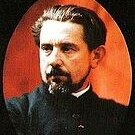
Jules Gervais-Courtellemont (1863, Avon, France – 31 Oct. 1931, Paris) was a professional French explorer, photoengraver and photographer whose photographs of French Indochina and Cambodia were widely published, often without his knowledge.
In 1874, the young Jules moved to Algeria with his mother and his stepfather, Jules-Georges Courtellemont — his natural father, Louis Victor Gervais, had died in 1874. At 14 years of age, he was left alone in the family farm in the Relizane Valley as his parents had to hurry back to France for health reasons. As local Algerian peasants helped him manage the farm, he became strongly attached to the culture and religious traditions. In 1888, he opened opened a photographic studio in Algiers in 1888 and became the editor of the illustrated review L’Algérie artistique et pittoresque [1]. After visiting Spain and Syria, where he met and befriend famed French explorer and Islamologist Charles Lallemand in 1892, he converted to Islam and was one of the first Westerners to accomplish the Hajj and photograph Mecca in 1894. That same year, he illustrated and published in Algiers Lallemand’s works, Jérusalem-Damas and Le Caire.
With wife Hélène Lallemand (31 July 1861, Baden, Germany — 15 June 1922, Paris) — Lallemand’s daughter and a professional photographer herself –, he visited Indochina, then Yunnan — from which he seems to have been expelled by the local authorities, according to Charles Francois, an EFEO correspondent, as his interest in the Muslim minorities of Yunnan was seen as suspect — Tibet, and China in 1900 – 1903. Part of their work was exhibited in Hanoi in 1902, and Jules was granted the Gold Medal of the Société géographique de France. He was a lifelong friend of Pierre Loti’s, with whom he shared a passion for the ‘exotic’.
When First World War broke, Courtellemont decided to cover the military actions in France, in particular the involvement of ‘Colonial troops’ in the battles. He applied a technique of color photography known as ‘natural color photography’ or ‘autochrome’, which he had explored since 1907 to the extent he opened in Paris a Palais de l’Autochrome in 1911. His work is kept at the Albert-Kahn Museum in Boulogne-Billancourt — in 1913, he was entrusted with the artistic direction of Kahn’s monumental project, ‘Archives de la Planète’ –, and in the National Geographic archive in Washington, D.C. He also contributed to the French magazine L’Illustration from 1903 to 1923.
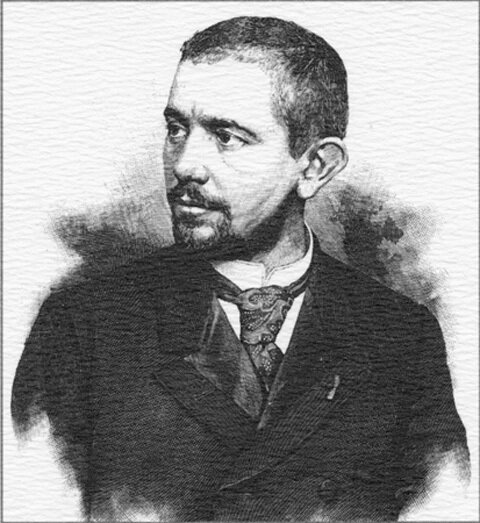
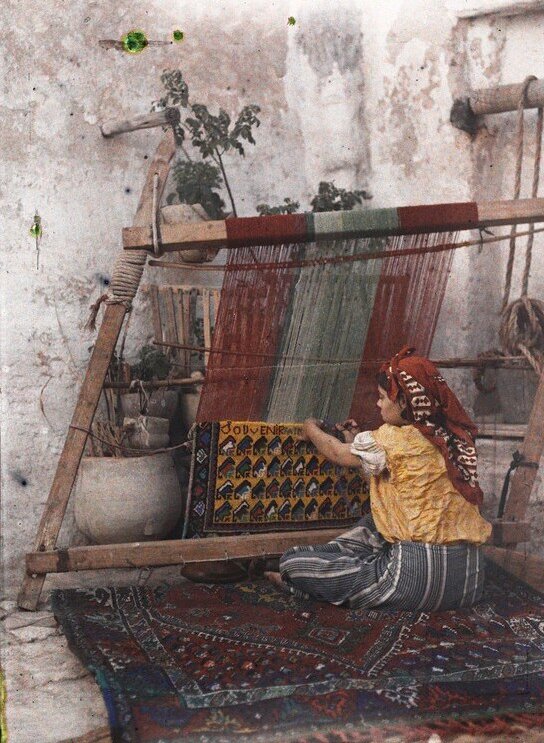
1) A self-portrait of Gervais-Courtellemont published in L’Illustration, 15 Dec. 1894. [source: Emmanuelle Devos, “À travers Le Caire, l’œuvre de Gervais-Courtellemont en Égypte de 1894 à 1911”, in Mercedes Volait (ed.), Le Caire dessiné et photographié au XIXe siècle, Paris, INHA/Picard, 2013, p. 215 – 226. 2) ‘Alger, jeune tisserande devant son métier’, by J. Gervais-Courtellemont, 1909 – 1911 — © Musée Albert-Kahn/A6.
1) A self-portrait of Gervais-Courtellemont published in L’Illustration, 15 Dec. 1894. [source: Emmanuelle Devos, “À travers Le Caire, l’œuvre de Gervais-Courtellemont en Égypte de 1894 à 1911”, in Mercedes Volait (ed.), Le Caire dessiné et photographié au XIXe siècle, Paris, INHA/Picard, 2013, p. 215 – 226. 2) ‘Alger, jeune tisserande devant son métier’, by J. Gervais-Courtellemont, 1909 – 1911 — © Musée Albert-Kahn/A6.
1) A self-portrait of Gervais-Courtellemont published in L’Illustration, 15 Dec. 1894. [source: Emmanuelle Devos, “À travers Le Caire, l’œuvre de Gervais-Courtellemont en Égypte de 1894 à 1911”, in Mercedes Volait (ed.), Le Caire dessiné et photographié au XIXe siècle, Paris, INHA/Picard, 2013, p. 215 – 226. 2) ‘Alger, jeune tisserande devant son métier’, by J. Gervais-Courtellemont, 1909 – 1911 — © Musée Albert-Kahn/A6.
The separation technique used to create printed color images from surimposed screen plates had initially been developed by inventors Louis Ducos de Huron (French patent in 1869), John Joly (British patent in 1894) and James William McDonough (US patent in 1896). Mosaic screen plate process was perfected by the Lumière brothers, who patented the ‘Autochrome Lumière’ in 1903 (France) and 1906 (USA). Autochrome was applied by professional travel photographers such as W. Robert Moore (for the US National Geographic) until the popularization of color photographic films after 1935.
[1] see Béatrice De Paste & Emmanuelle Devos, Les couleurs du voyage: L’œuvre photographique de Jules Gervais-Courtellemont, Paris, Paris Musées/Phileas Fogg, 2002, 127 p.